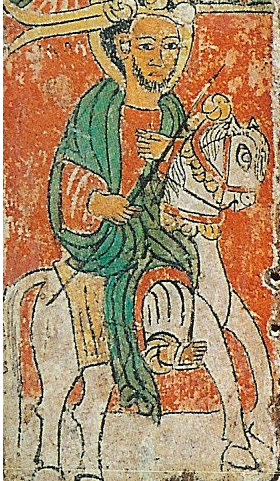
 Zagwe Kingdom (Ethiopia)
•
3 views
Zagwe Kingdom (Ethiopia)
•
3 views
Emperor Gebre Mesqel Lalibela

Roha (Lalibela), Zagwe Kingdom (Ethiopia)
Archival Overview
Zagwe Emperor of Ethiopia venerated as an Ethiopian Orthodox saint, who carved the world-famous rock-hewn monolithic churches of Lalibela as a 'New Jerusalem'.
Biographical Record
Gebre Mesqel Lalibela (c. 1162–1221, reigned c. 1181–1221) was an emperor of Ethiopia of the Zagwe dynasty and is revered as a saint by the Ethiopian Orthodox Tewahedo Church. According to tradition, when he was born a swarm of bees surrounded him without stinging him, which his mother interpreted as a prophecy that he would rule as king ('Lalibela' meaning 'the bees recognize his grace').
Following Muslim recapture of Jerusalem by Saladin in 1187, Lalibela sought to build a 'New Jerusalem' in the mountainous heart of Ethiopia so pilgrims would not need to make the hazardous journey to the Holy Land. He oversaw the breathtaking excavation of eleven monolithic churches carved straight down into the living red volcanic rock, culminating in the iconic cross-shaped Church of Saint George (Bete Giyorgis).
Key Life Milestones
Creation of the Rock-Hewn Pilgrimage Site
Initiated the monumental project to carve eleven rock-hewn monolithic churches following the fall of Jerusalem to Saladin.
The Cross-Shaped Church of St. George
Completed the magnificent monolithic rock-cut church of Saint George, carved 12 meters down from a single volcanic tufa block.
Memorial Guestbook & Tributes
0 messages recordedLeave a Respectful Tribute
Final Resting Place
Perpetual MemorialLalibela, Ethiopia