Public Figures & Cultural Luminaries
Filterable archive covering centuries of intellectual, artistic, and moral contributions to the human story.
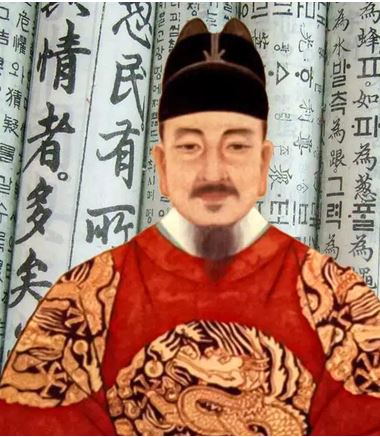
Sejong the Great (King of Joseon Korea)
 (세종대왕 (世宗大王))
Fourth King of the Joseon Dynasty revered as Korea's greatest monarch. Personally invented the Hangul phonetic alphabet in 1443 so common citizens could read and write, and sponsored world-pioneering rain gauges, celestial globes, and sundials.
Abu al-Qasim al-Zaytuni
 (أبو القاسم الزيتوني)
Pillar of 15th-century scholarship at the Ez-Zitouna Mosque University in Tunis, master of the variant Quranic recitations and trusted legal consultant to Hafsid Sultan Abu Amr Uthman.
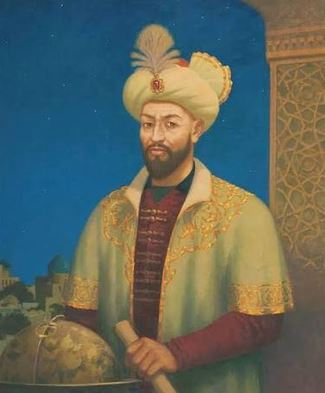
Ulugh Beg (Mirza Muhammad Taraghay)
 (میرزا محمد طارق الغبیگ)
Timurid ruler and astronomer who constructed the colossal Samarkand Observatory with its 40-meter meridian sextant, producing the Zij-i Sultani star catalog of 1,018 stars.
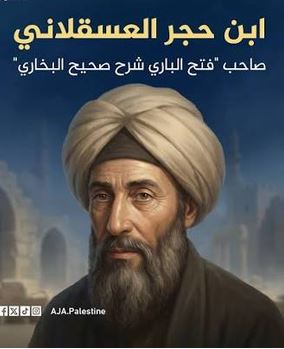
Ahmad ibn Ali Ibn Hajar
 (ابن حجر العسقلاني)
Supreme Hadith scholar of late medieval Islam, Chief Shafi'i Judge of Egypt, and author of 'Fath al-Bari', the peerless commentary on Sahih al-Bukhari.
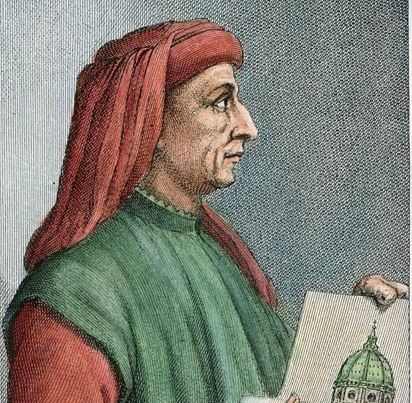
Filippo Brunelleschi
 (Filippo Brunelleschi)
Florentine architectural genius who engineered the majestic dome of Florence Cathedral (Santa Maria del Fiore) without scaffolding and mathematically discovered the principles of linear perspective.
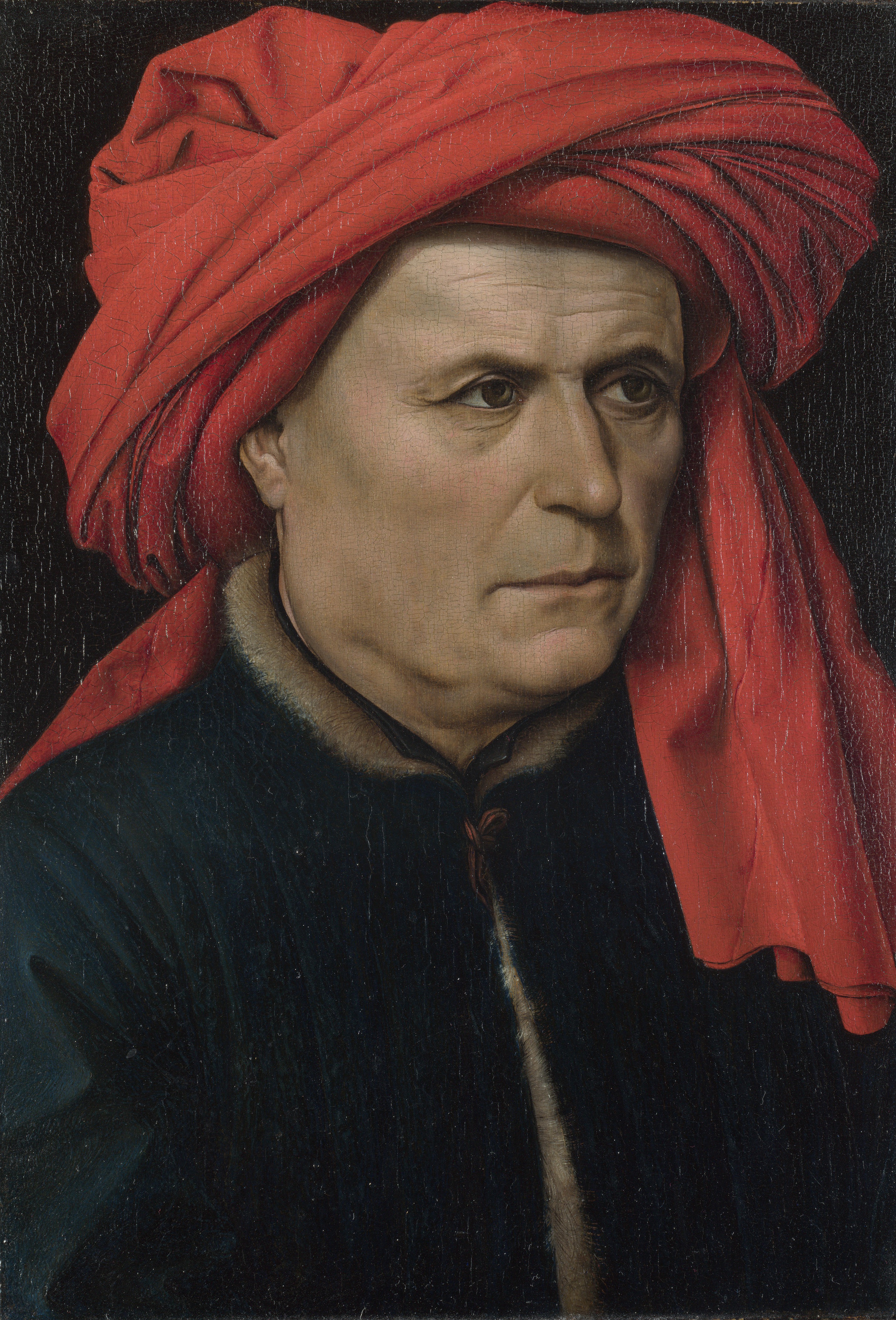
Robert Campin
 (Robert Campin)
First great master of Early Netherlandish painting alongside Van Eyck, whose 'Mérode Altarpiece' brought sacred events into realistic contemporary domestic interiors.
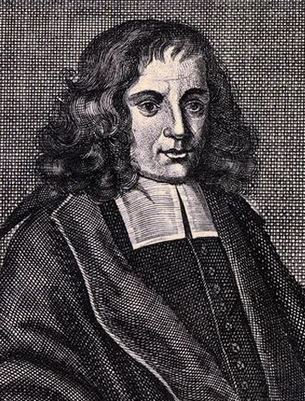
Joseph Albo
 (יוסף אלבו)
Aragonese Jewish philosopher and apologist whose 'Book of Principles' (Sefer Ha-Ikkarim) distilled Jewish dogmatic theology into three essential fundamentals.
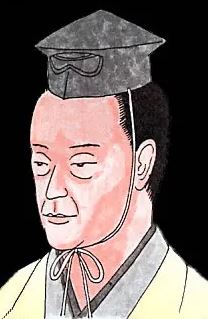
Zeami Motokiyo
 (世阿弥 元清)
Greatest playwright and aesthetic philosopher in Japanese history, who transformed Noh theatre into a supreme Zen art form and authored 'Fushikaden' (The Flowering Spirit), articulating the aesthetic concepts of Yugen (subtle grace) and Monomane.
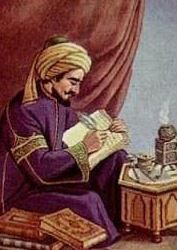
Al-Maqrizi
(تقي الدين المقريزي)
Preeminent Egyptian Mamluk historian, topographer, and economic theorist whose 'Al-Khitat' provided the definitive architectural and urban history of Cairo and whose 'Ighathat al-Umma' analyzed economic inflation.
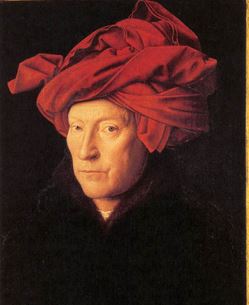
Jan van Eyck
 (Jan van Eyck)
Greatest master of Early Netherlandish painting who perfected the oil painting technique, celebrated worldwide for the Ghent Altarpiece and the Arnolfini Portrait with its astonishing microscopic realism.
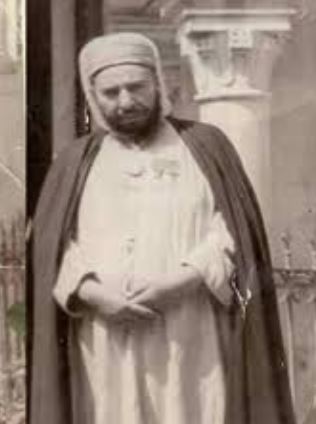
Mohamed ibn Omar al-Houari
 (محمد بن عمر الهواري)
Venerated Algerian Islamic scholar, ascetic, and saint from the Houara Berber tribe who taught in Tlemcen and Fez before settling in Oran, becoming the eternal patron saint of the city.
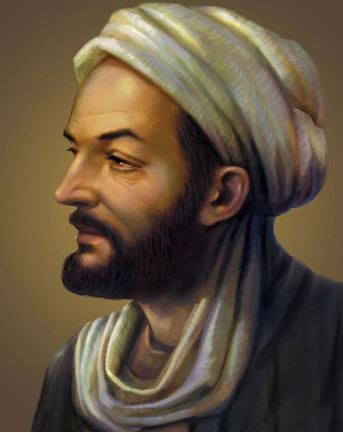
Al-Burzuli
(أبو القاسم البرزلي)
15th-century Grand Mufti of Tunis and pupil of Ibn Arafa whose massive legal compendium Jami' Masa'il al-Ahkam compiled centuries of North African and Andalusian fatwas.
Abu Faris Abd al-Aziz al-Mutawakkil
(أبو فارس عبد العزيز المتوكل)
Long-reigning Hafsid Sultan (1394–1434 AD) whose forty-year reign represents the golden zenith of Hafsid civilization, builder of the grand Bimaristan hospital and medersas of Tunis.
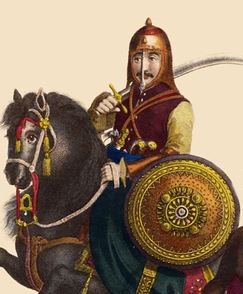
Abu Firas Abd al-Aziz al-Hafsi
(أبو فارس عبد العزيز المتوكل)
One of the greatest Hafsid Sultans of Tunis (1394–1434) who repelled Christian crusader assaults, restored the monumental Roman aqueduct of Zaghouan, and founded colleges and hospitals.
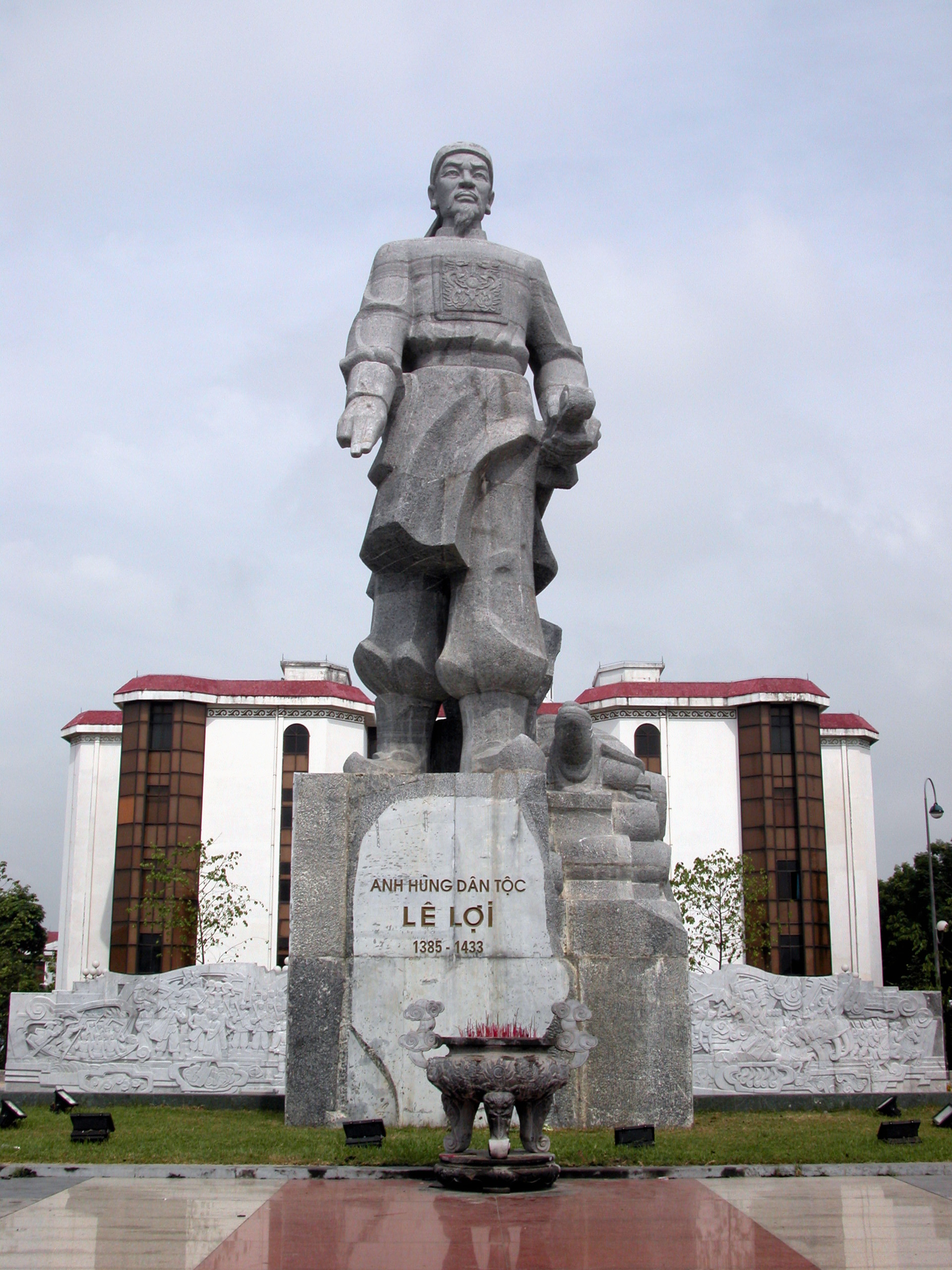
Le Loi
 (Lê Lợi (Lê Thái Tổ))
Vietnamese national hero and founder of the Later Le Dynasty who led the ten-year Lam Son Uprising against Ming Chinese occupation, immortalized by the Legend of the Returned Sword at Hoan Kiem Lake.
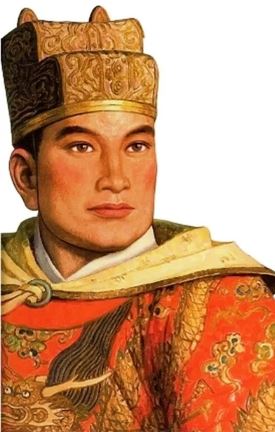
Zheng He
 (郑和 (三宝太监))
Ming Dynasty grand admiral and diplomat who commanded seven epic treasure fleet voyages across the Indian Ocean from Southeast Asia to Arabia and East Africa, decades before Columbus.
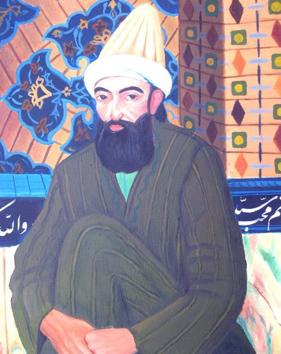
Sayyid Nur al-Din Nematollah Vali
 (شاه نعمتالله ولی)
Revered Persian Sufi master, poet, and founder of the Nimatullahi order who spent decades traveling through Mecca, Samarkand, and Herat before creating a vibrant center in Mahan.
Christine de Pizan
(Christine de Pizan)
Italian-born French author celebrated as Europe's first professional female writer, whose 1405 masterwork The Book of the City of Ladies defended women's intellect and moral equality in the Querelle des Femmes.