Public Figures & Cultural Luminaries
Filterable archive covering centuries of intellectual, artistic, and moral contributions to the human story.
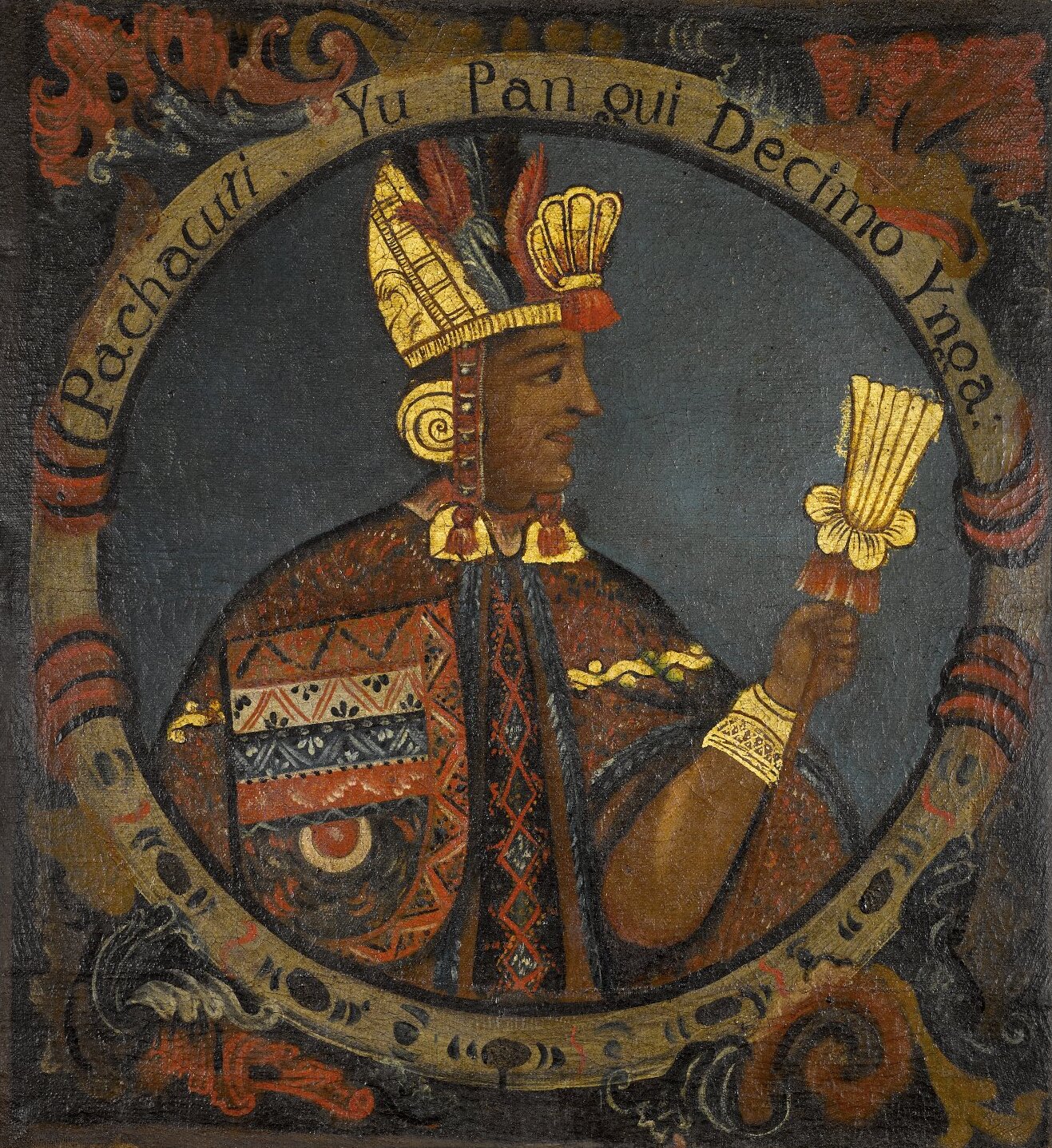
Pachacuti
 (Pachacuti Inca Yupanqui (Pachakutiq))
Ninth Sapa Inca who transformed the modest Kingdom of Cusco into the colossal Inca Empire (Tawantinsuyu), rebuilt Cusco in the shape of a puma, and constructed the sanctuary of Machu Picchu.
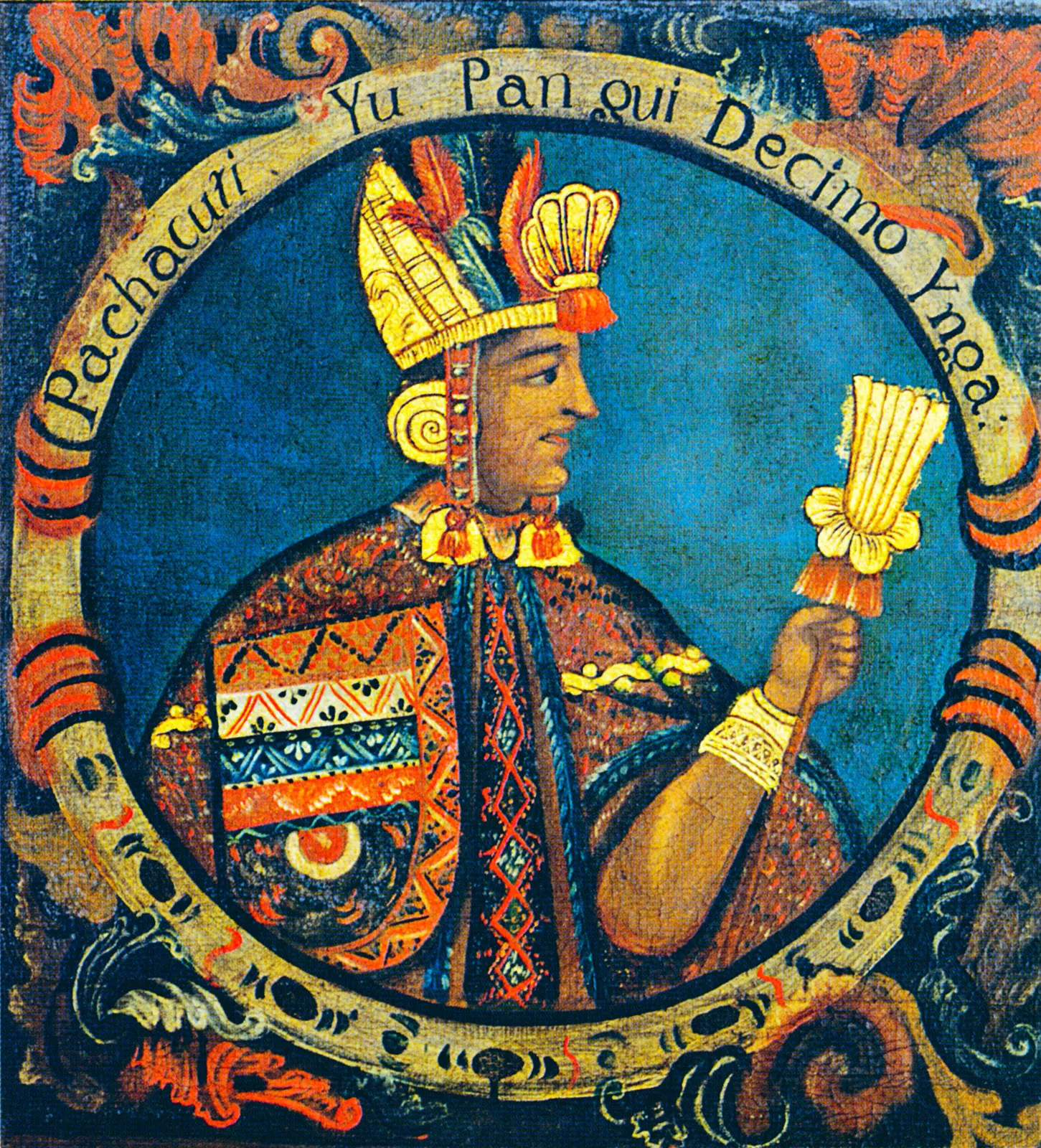
Pachacuti Inca Yupanqui
(Pachakutiq Inka Yupanki)
Ninth Sapa Inca whose military genius transformed the Kingdom of Cusco into Tawantinsuyu (Inca Empire) and who commissioned Machu Picchu.
Ibn Taghribirdi
 (ابن تغري بردي)
Distinguished Egyptian historian of Mamluk aristocratic descent who studied under Al-Maqrizi and authored 'Al-Nujum al-Zahirah', the definitive multi-volume chronicle of Egypt from the Arab conquest to 1468.
Zara Yaqob (Emperor)
 (ዘርአ ያዕቆብ)
Fifteenth-century Emperor of Ethiopia from the Solomonic Dynasty whose thirty-four-year reign represented the golden age of medieval Ethiopian power, literature, and church organization.
Philip the Good
 (Philippe le Bon / Filips de Goede)
Transformative Duke of Burgundy whose reign (1419–1467) unified Flanders, Brabant, Hainaut, Namur, and Holland into the Burgundian Netherlands, ushering in the golden age of Flemish Renaissance art.
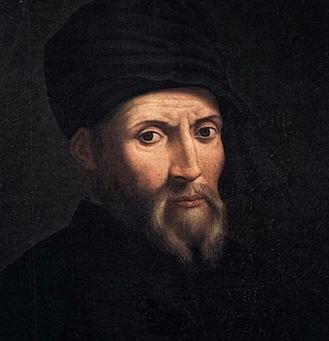
Donato di Niccolò di Betto Bardi (Donatello)
 (Donatello)
Supreme master sculptor of the Florentine Early Renaissance who created the bronze David—the first freestanding nude bronze statue since classical antiquity—and pioneered schiacciato low relief.
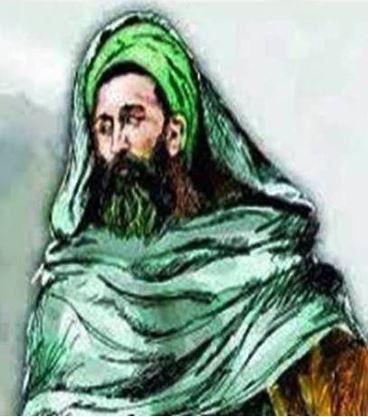
Imam al-Jazuli
 (محمد بن سليمان الجزولي)
Sanhaja Berber Sufi master who authored 'Dala'il al-Khayrat', the most celebrated prayer book in Islamic history, and mobilized national resistance against Portuguese coastal incursions in Morocco.
Abu Muhammad Abd al-Haqq II
(عبد الحق الثاني المريني)
The final Marinid Sultan (1420–1465), whose massacre of his Wattasid viziers and appointment of a Jewish grand vizier provoked the explosive 1465 Fez uprising, ending 250 years of Marinid dynastic rule.
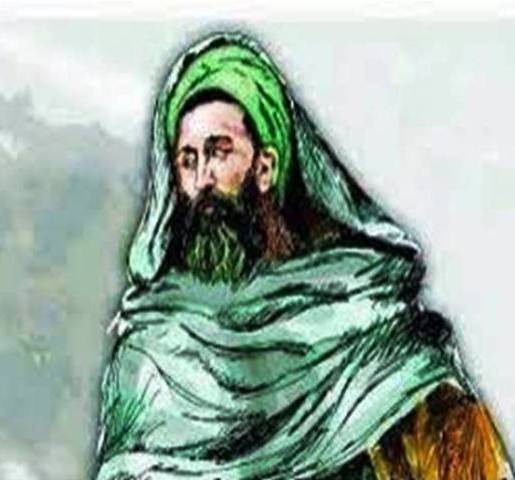
Muhammad ibn Sulayman al-Jazuli
(محمد بن سليمان الجزولي)
Revered 15th-century Amazigh Sufi reformer from the Sous, author of Dala'il al-Khayrat, whose spiritual brotherhood catalyzed the rise of the Saadian dynasty against Portuguese expansion.

Muhammad al-Jazuli
(محمد بن سليمان الجزولي)
Iconic Moroccan Sufi master and spiritual leader whose prayer manual 'Dala'il al-Khayrat' became the most widely recited devotional book after the Qur'an across the Islamic world.
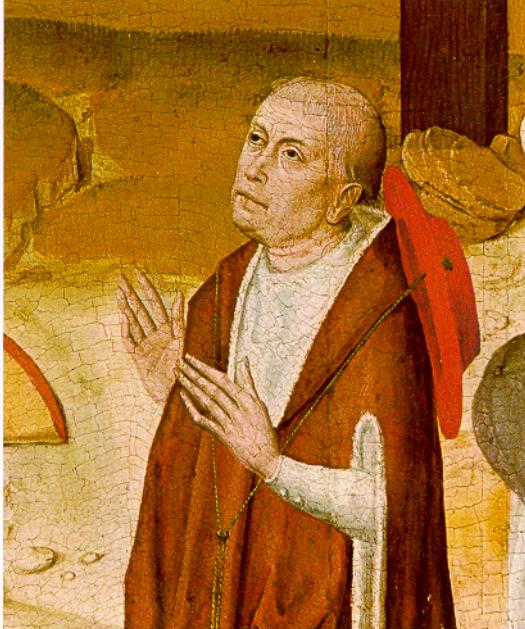
Nicolas of Cusa
 (Nicolaus Cusanus)
German Renaissance polymath and cardinal who developed the concept of 'learned ignorance' (docta ignorantia) and the 'coincidence of opposites' (coincidentia oppositorum), anticipating an infinite universe without a center.
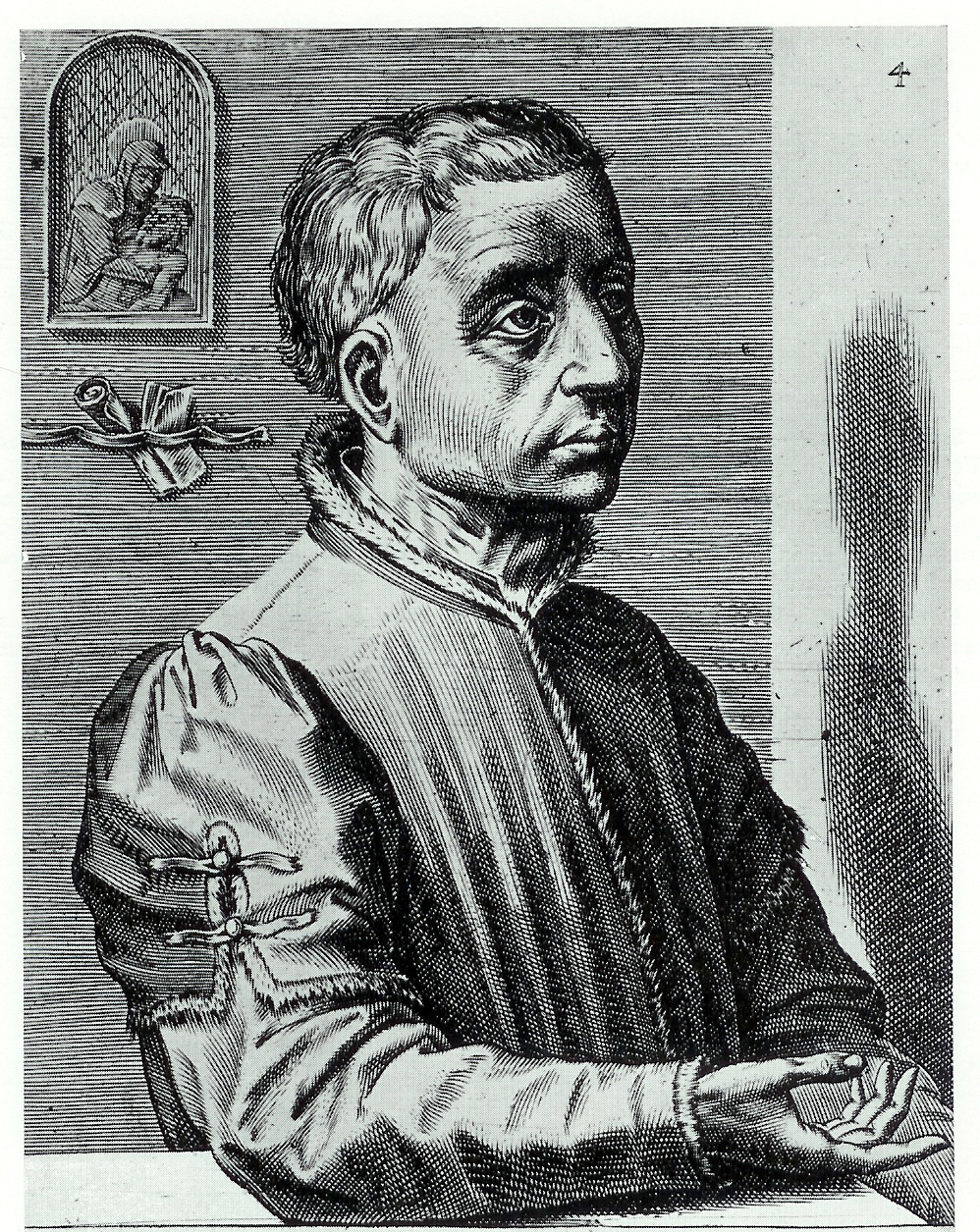
Rogier van der Weyden
 (Rogier van der Weyden)
Early Netherlandish master painter whose heart-rending 'Descent from the Cross' captured intense human emotion, tears, and spiritual pathos with unparalleled precision.
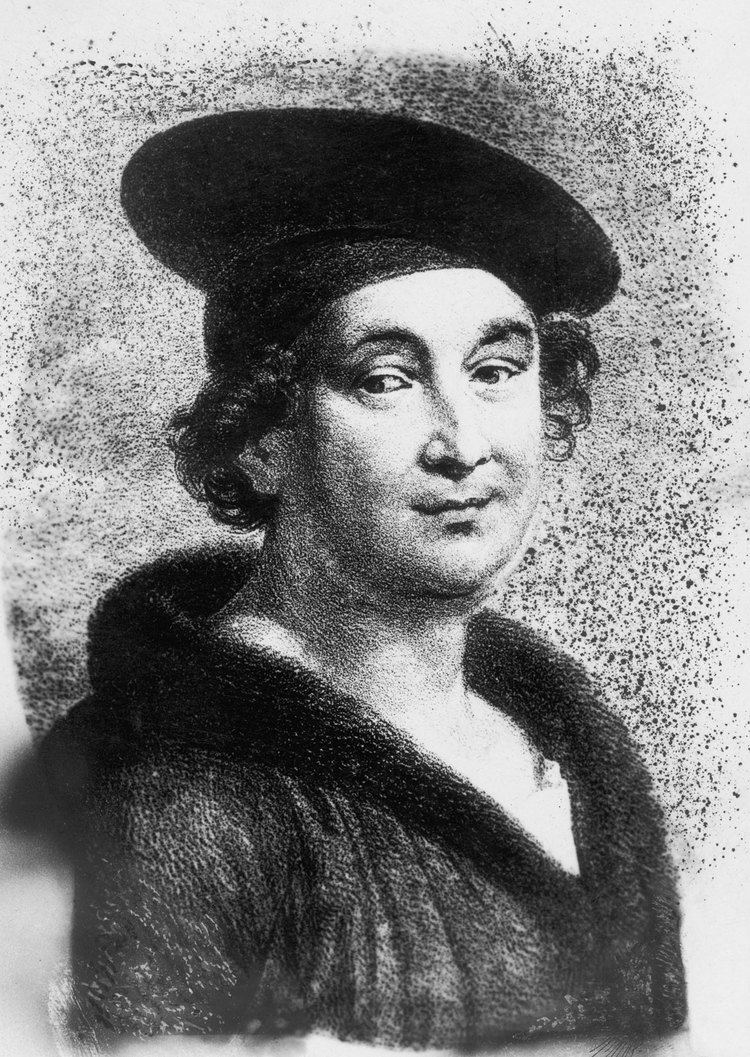
François Villon
(François Villon)
Greatest French lyric poet of the late Middle Ages, roguish outlaw, and author of Le Testament and the haunting Ballade des Pendus.
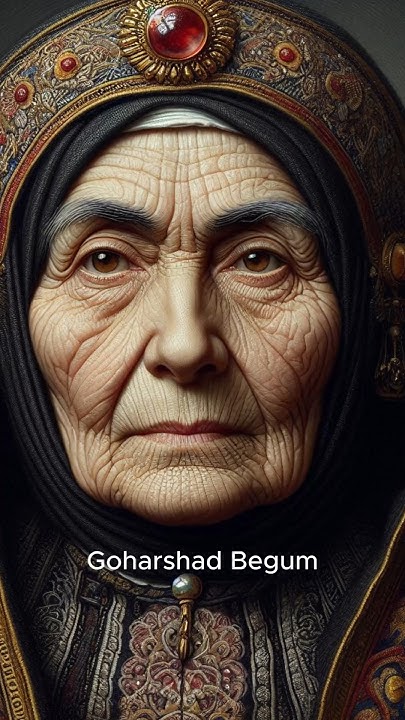
Goharshad Begum
 (گوهرشاد بیگم)
Visionary Timurid Empress, wife of Shah Rukh, whose architectural patronage built the Goharshad Mosque and sparked the 15th-century Timurid Renaissance.
Jacques Coeur
(Jacques Cœur)
Audacious merchant prince and royal financier whose Mediterranean trading fleet and financial genius as Argentier to King Charles VII funded the French royal army that drove English forces from Normandy and Gascony.
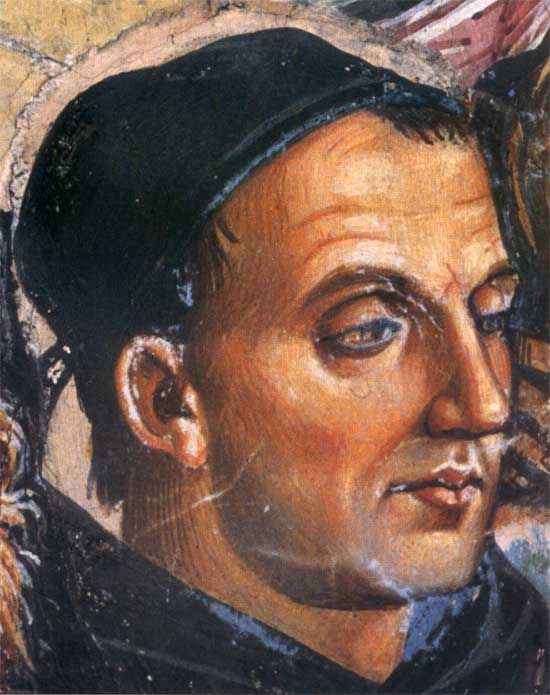
Fra Angelico
(Guido di Pietro / Beato Angelico)
Florentine Early Renaissance friar celebrated for devout, luminous frescoes and altarpieces of unearthly purity and tranquility.
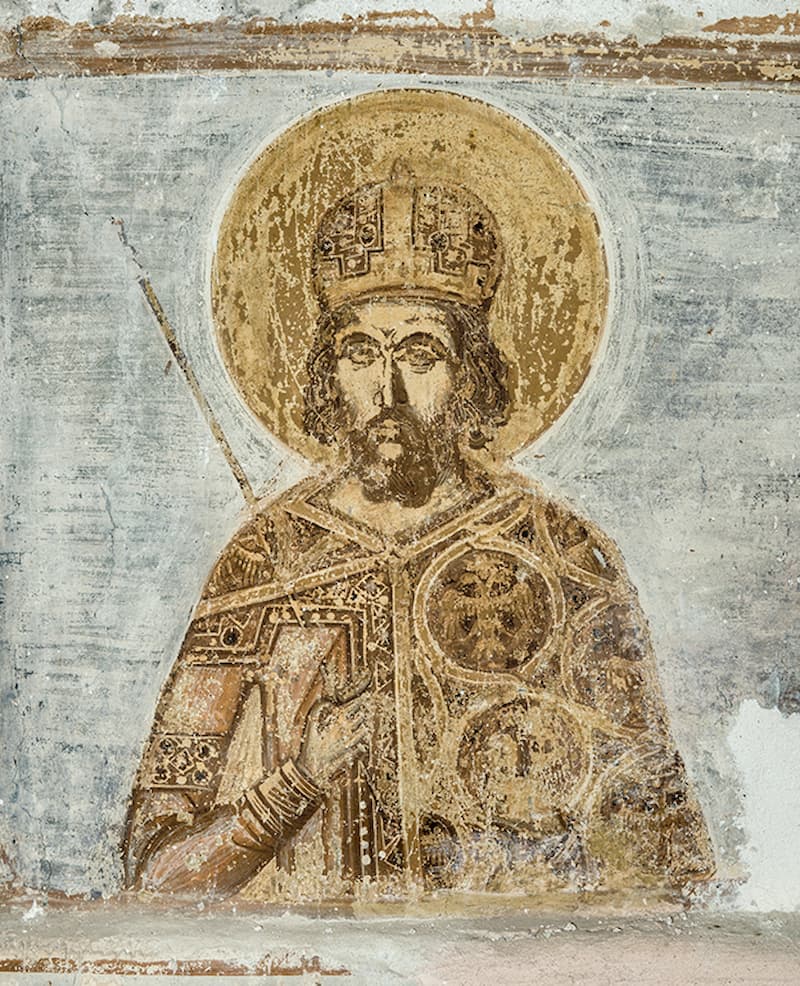
Constantine XI Palaiologos
 (Κωνσταντῖνος ΙΑ΄ Δραγάσης Παλαιολόγος)
Last Emperor of the Byzantine Empire who died fighting heroically on the walls of Constantinople during the final Ottoman assault in 1453.
Abu Ishaq Ibrahim al-Zawawi
 (أبو إسحاق إبراهيم بن فايد الزواوي)
15th-century Berber Maliki legal authority and grand exegete of Béjaïa and the Djurdjura whose legal commentaries Talkhis al-Bukhari and Tashil al-Sabil shaped North African jurisprudence.