 Japan
•
0 views
Japan
•
0 views
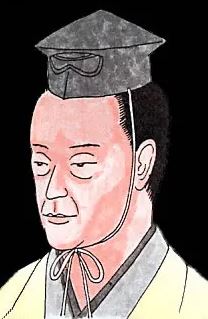
Zeami Motokiyo

Iga Province, Japan
Archival Overview
Greatest playwright and aesthetic philosopher in Japanese history, who transformed Noh theatre into a supreme Zen art form and authored 'Fushikaden' (The Flowering Spirit), articulating the aesthetic concepts of Yugen (subtle grace) and Monomane.
Biographical Record
Zeami Motokiyo (c. 1363–1443) performed alongside his father Kan'ami before Ashikaga Shogun Yoshimitsu, who became their patron and educated young Zeami in classical Japanese poetry, Zen philosophy, and court aesthetics. Zeami authored nearly fifty classic Noh masterpieces, including 'Izutsu' and 'Takasago'.
His secret treatises on acting and artistic creation, especially 'Fushikaden' (1402), analyzed how an artist must cultivate an eternal, blossoming flower of performance (Hana) that deepens with age, embodying 'Yugen'—a profound, mysterious grace evocative of autumn mist and hidden sorrow.
Key Life Milestones
Composition of Fushikaden
Penned the seminal treatise on theatrical aesthetics, psychology, and spiritual training.
Completion of Kakyo (The Mirror of the Flower)
Formulated the definitive artistic philosophy of Yugen and the beginner's mind (shoshin).
Memorial Guestbook & Tributes
0 messages recordedLeave a Respectful Tribute
Final Resting Place
Perpetual MemorialSado Island (Niigata), Japan