Public Figures & Cultural Luminaries
Filterable archive covering centuries of intellectual, artistic, and moral contributions to the human story.
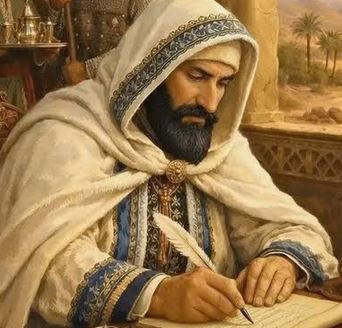
Abu Malik Abd al-Wahid
 (أبو مالك عبد الواحد بن أبي حمو)
Zayyanid Sultan who restored Tlemcen's independence in 1411, captured Fez, and revitalized trade routes linking Andalusia, Algeria, and the Sahara.
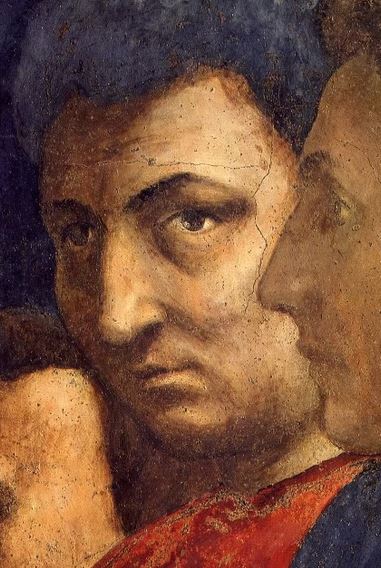
Masaccio
 (Tommaso di Ser Giovanni di Simone)
Foundational Early Renaissance master whose revolutionary use of linear perspective and human gravity ignited the Florentine Renaissance.
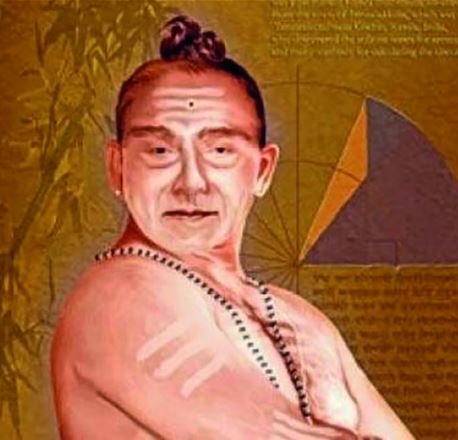
Madhava of Sangamagrama
 (മാധവൻ (സംഗമഗ്രാമ മാധവൻ))
Founder of the Kerala School of Astronomy and Mathematics who discovered infinite power series expansions for sine, cosine, and arctangent (the Madhava-Leibniz series) 250 years before Newton.
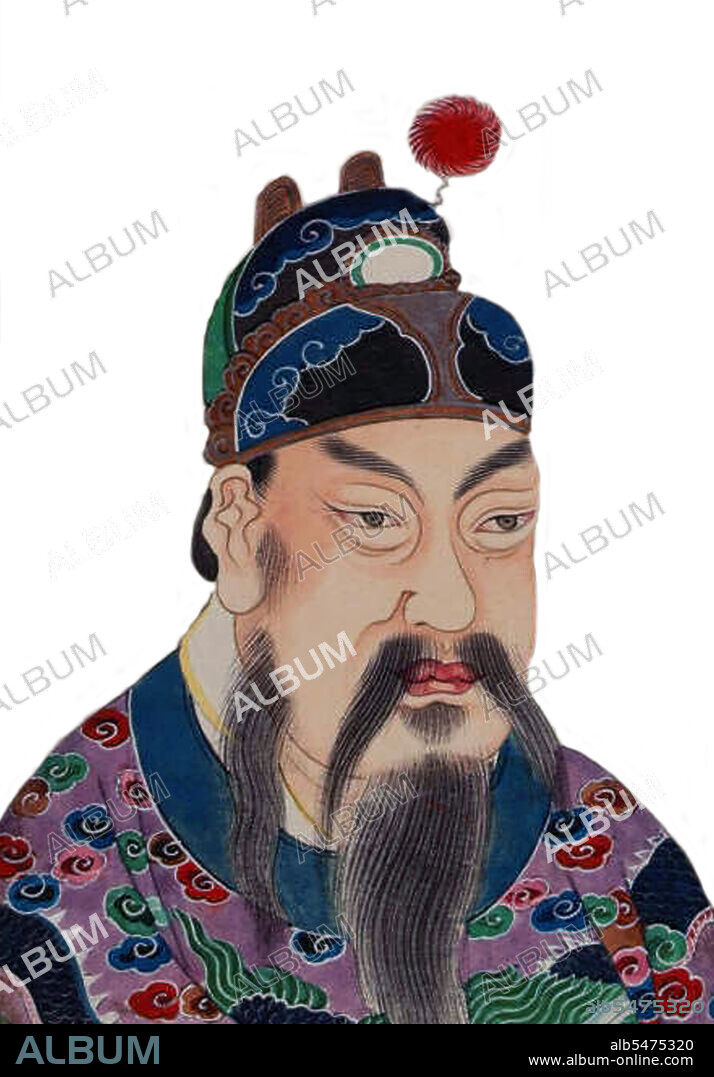
Yongle Emperor
 (明成祖 (朱棣))
Third emperor of the Ming Dynasty (1402–1424) Zhu Di, who constructed the colossal Forbidden City in Beijing, rebuilt the Grand Canal, commissioned the 11,000-volume Yongle Encyclopedia, and launched Admiral Zheng He's legendary treasure fleet voyages across the Indian Ocean.
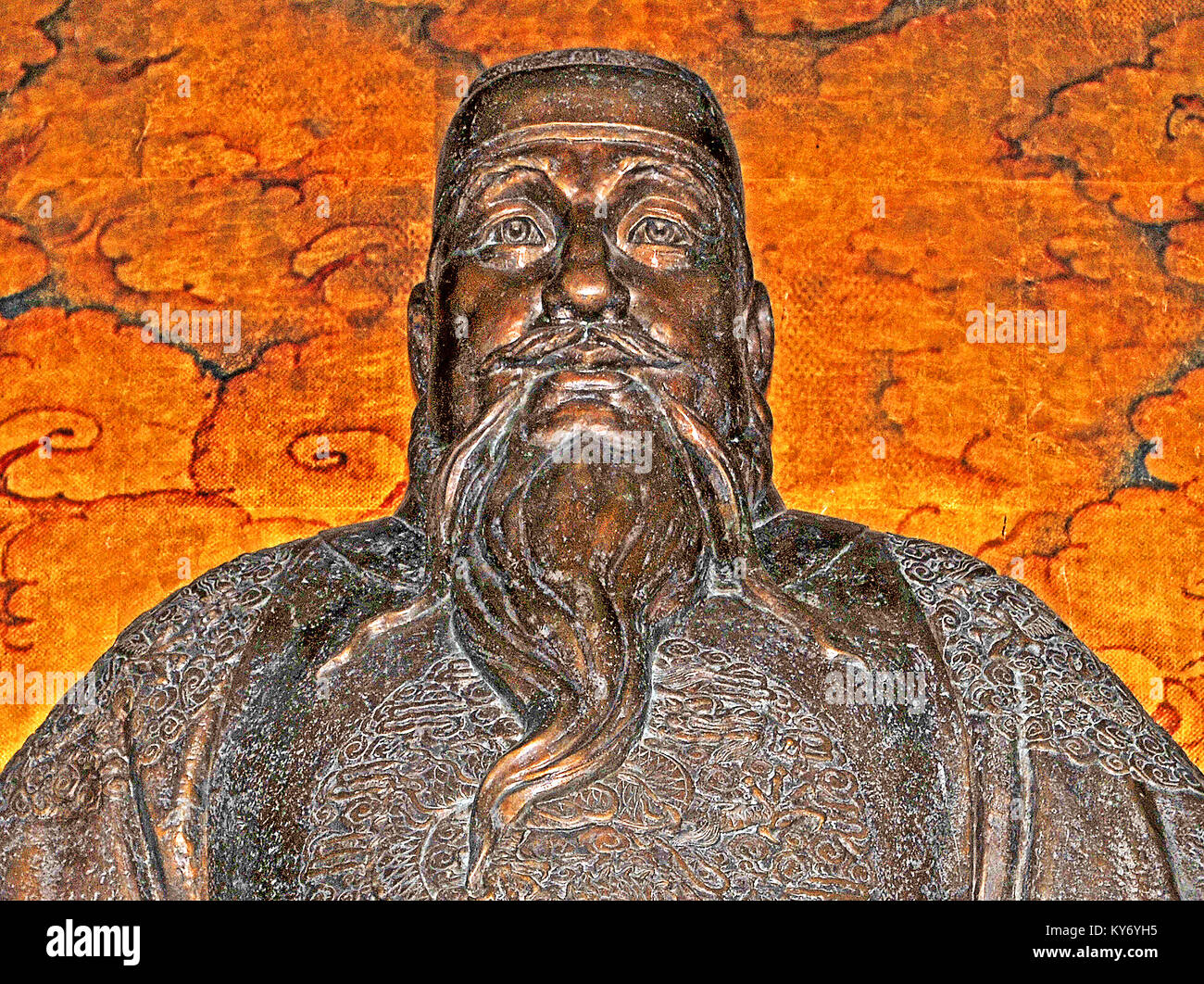
Yongle Emperor (Zhu Di)
(永乐帝 朱棣 (Chengzu))
Third Ming Emperor who built the Forbidden City, moved the capital to Beijing, compiled the Yongle Encyclopedia, and launched Zheng He's treasure voyages.
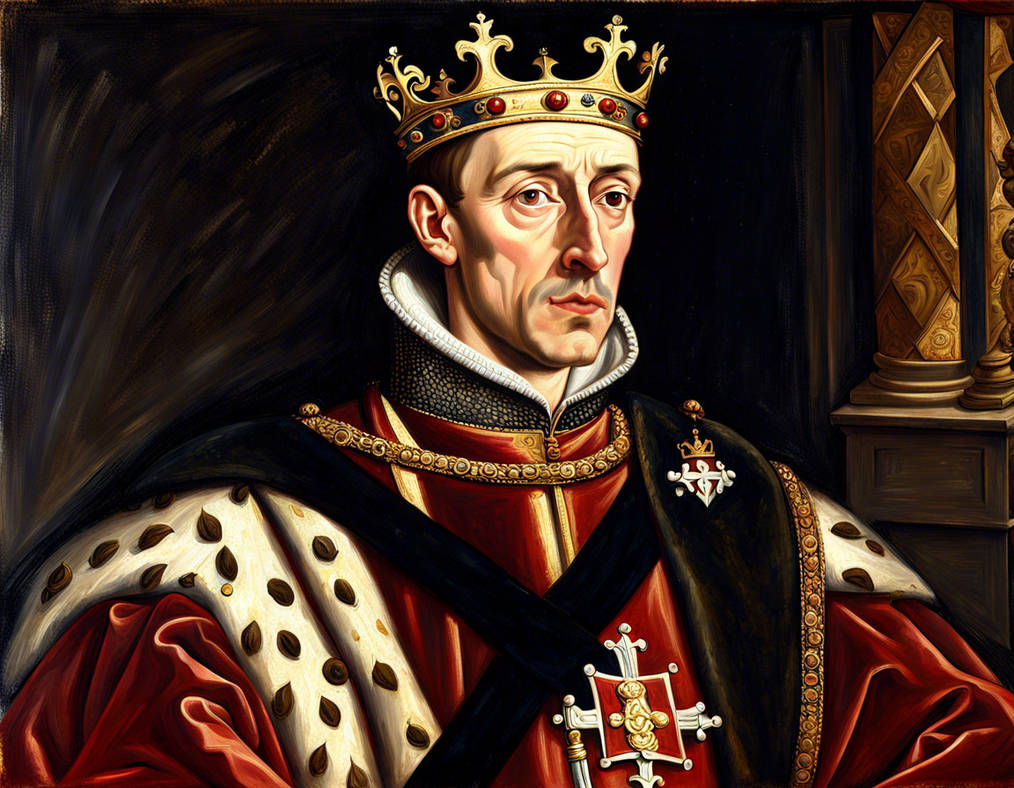
Henry V of England
 (Henry of Monmouth)
Warrior King of England celebrated for his legendary victory against overwhelming odds at the Battle of Agincourt in 1415.
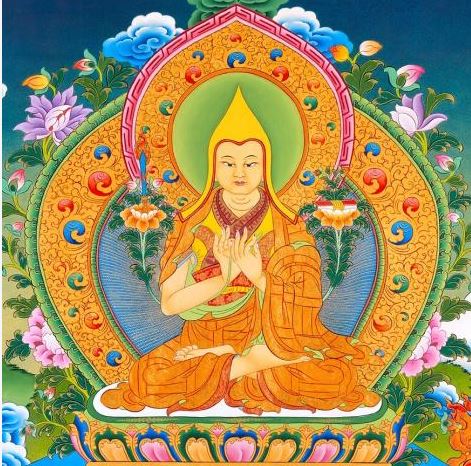
Je Tsongkhapa Lobsang Drakpa
(རྗེ་ཙོང་ཁ་པ། (Rje Tsong-kha-pa))
Tibetan religious reformer, philosopher, and founder of the Gelug school—the tradition of the Dalai Lamas. Authored the Lamrim Chenmo (The Great Treatise on the Stages of the Path to Enlightenment), unifying monastic discipline and Madhyamaka logic.
Al-Qalqashandi
 (أحمد بن علي القلقشندي)
Eminent Mamluk chancery official whose monumental 14-volume administrative encyclopedia, Subh al-A'sha, preserves the bureaucratic, diplomatic, and geographical apparatus of the medieval Islamic world.
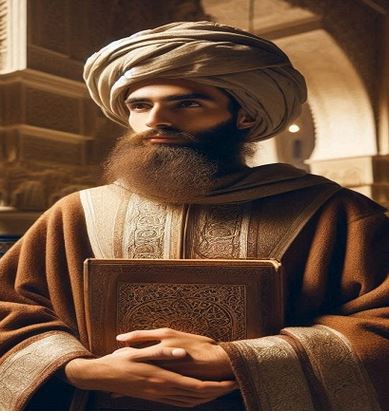
Abu Zayd Abd al-Rahman al-Jadiri
 (عبد الرحمن الجادري الفاسي)
Preeminent 15th-century Moroccan astronomer and chief timekeeper (Muwaqqit) of the University of al-Qarawiyyin in Fez, author of the authoritative astronomical treatise Rawdat al-Azhar.
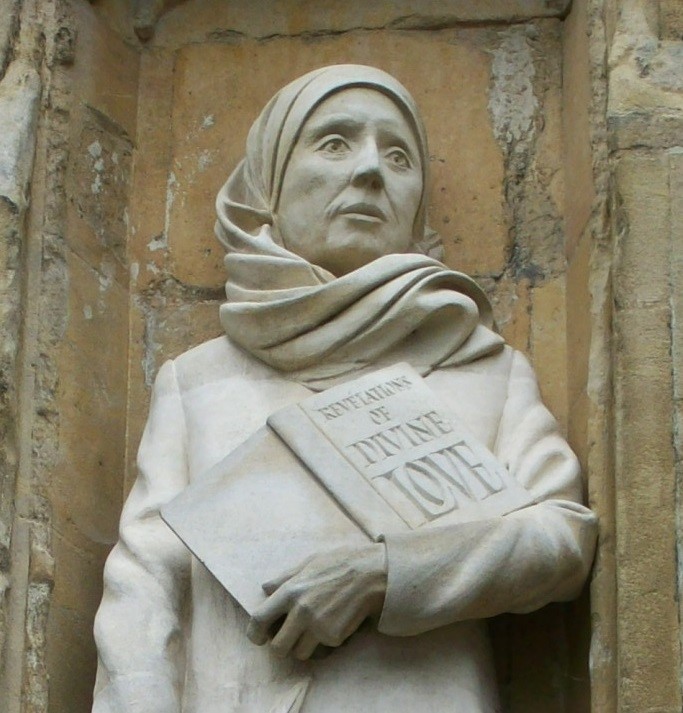
Julian of Norwich
(Julian of Norwich)
English anchoress and mystic whose 'Revelations of Divine Love' is the earliest surviving English book authored by a woman, immortal for her vision that 'all shall be well'.
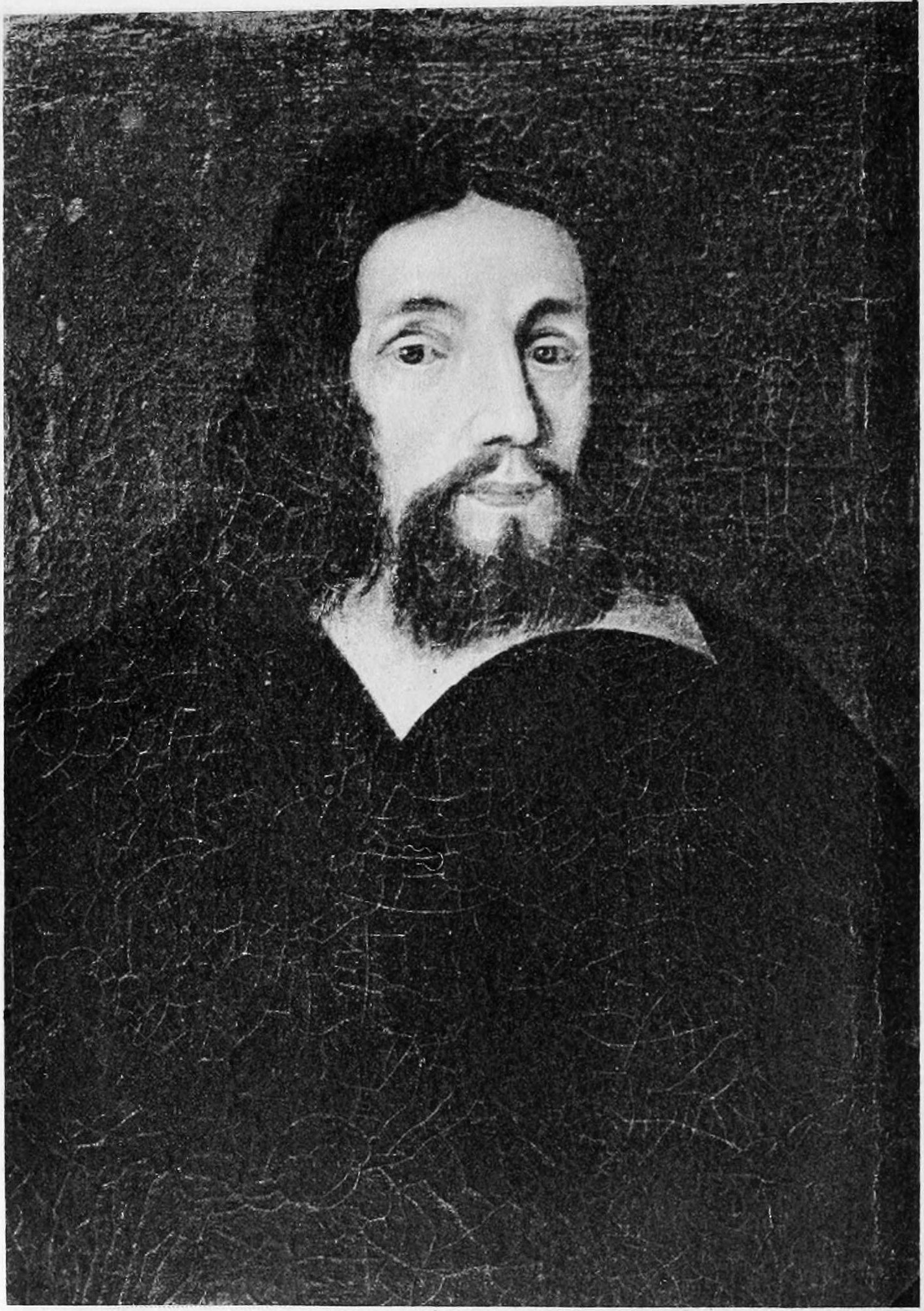
Jan Hus
 (Jan Hus)
Bohemian religious reformer, rector of Prague University, and martyr whose vernacular Czech preaching against indulgences ignited the Hussite movement and inspired Martin Luther.

Lalla Arbia of Sfax
 (للا عربية الصفاقسية)
Venerated female spiritual figure of Sfax who dedicated her life and substantial olive estate inheritances to funding shelters for widowed women, orphans, and students of the Great Mosque of Sfax.
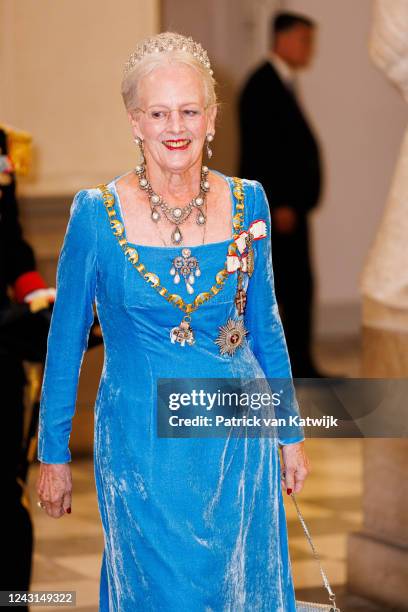
Margaret I of Denmark (Margrete I)
 (Margrete Valdemarsdatter)
Master Scandinavian queen who created the Kalmar Union in 1397, uniting the three Nordic kingdoms of Denmark, Norway, and Sweden.
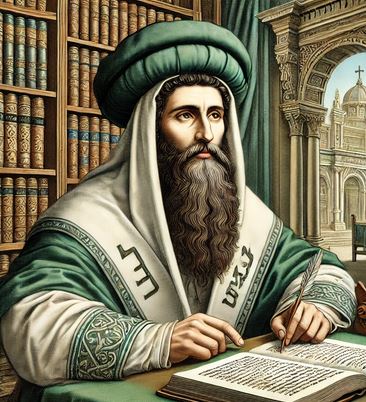
Hasdai ben Abraham Crescas
 (חסדאי קרשקש)
Catalan philosopher and leader of Spanish Jewry whose treatise 'Light of the Lord' (Or Adonai) critiqued Aristotelian physics and championed divine love and free will.
Abu al-Walid Ismail ibn Yusuf Ibn al-Ahmar
(إسماعيل بن يوسف بن الأحمر)
Exiled Nasrid royal who served the Marinid court in Fez, author of Rawdat al-Nisrin, one of the primary historical chronicles of the Marinid and Nasrid dynasties.
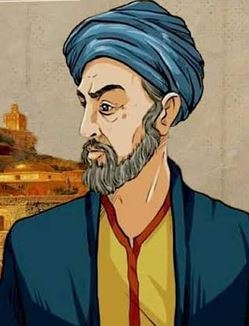
Ahmad ibn Kunfudh
(أحمد بن حسن بن الخطيب (ابن قنفذ القسنطيني))
Preeminent 14th-century Algerian polymath, astronomer, and Chief Judge of Constantine whose astronomical treatises on planetary conjunctions and historical chronicles documented Hafsid North Africa.
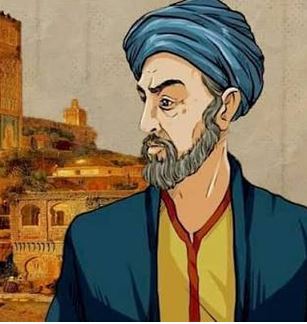
Ibn Qunfudh
(ابن قنفذ القسنطيني)
Towering 14th-century polymath from Constantine who wrote seminal treatises on planetary astronomy, arithmetic, Maliki law, and chronological history.
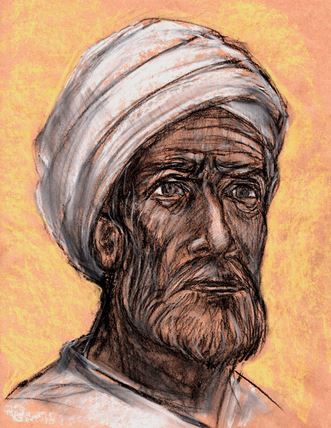
Ibn Khaldun (Wali al-Din Abd al-Rahman)
(عبد الرحمن بن محمد بن خلدون)
Father of historiography, sociology, and political economy whose Muqaddimah uncovered the laws governing social cohesion (Asabiyyah) and the cyclical rise and fall of civilizations.