Archival Overview
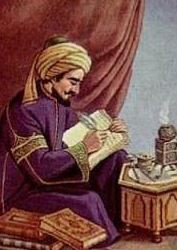
Preeminent Egyptian Mamluk historian, topographer, and economic theorist whose 'Al-Khitat' provided the definitive architectural and urban history of Cairo and whose 'Ighathat al-Umma' analyzed economic inflation.
Biographical Record
Taqi al-Din Ahmad ibn Ali al-Maqrizi (1364–1442) studied under Ibn Khaldun in Cairo, becoming his most brilliant disciple. Serving as Muhtasib (market inspector and controller of weights and measures) of Cairo, he observed firsthand the devastating social effects of plague, currency debasement, and famine.
Al-Maqrizi's masterwork, Kitab al-Mawa'iz wal-I'tibar fi Dhikr al-Khitat wal-Athar (Al-Khitat), is an incomparable monumental topography detailing every street, mosque, bathhouse, and canal of medieval Cairo. In his groundbreaking economic treatise Ighathat al-Umma (Helping the Nation in Famine), he pioneered monetary theory by demonstrating that government debasement of currency causes inflation, advocating for sound gold and silver coinage.
Key Life Milestones
Publication of Ighathat al-Umma
Authored one of the world's earliest economic treatises analyzing hyperinflation, famine, and monetary debasement.
Completion of Al-Khitat
Completed the monumental topographical survey that preserved the architectural memory of medieval Egypt.
Memorial Guestbook & Tributes
0 messages recordedLeave a Respectful Tribute
Final Resting Place
Perpetual MemorialCairo, Egypt