Public Figures & Cultural Luminaries
Filterable archive covering centuries of intellectual, artistic, and moral contributions to the human story.
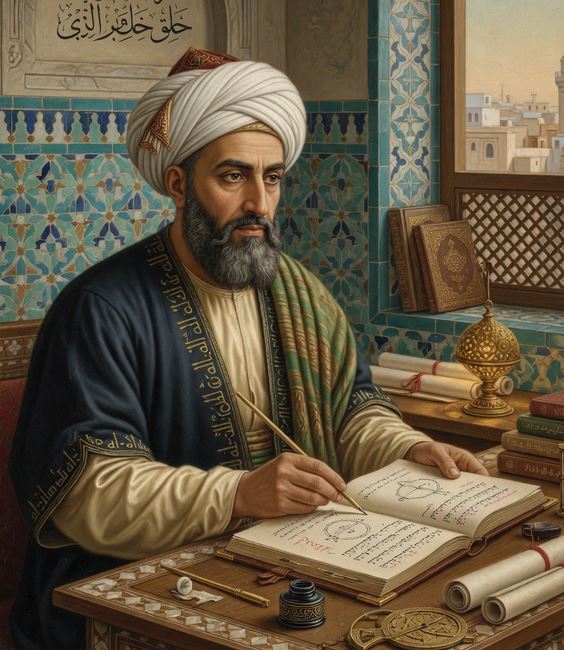
Abd al-Rahman Ibn Khaldun
 (عبد الرحمن بن خلدون)
Pioneering polymath widely regarded as the foundational father of sociology, historiography, demography, and cultural philosophy. Renowned globally for his seminal work, the Muqaddimah.
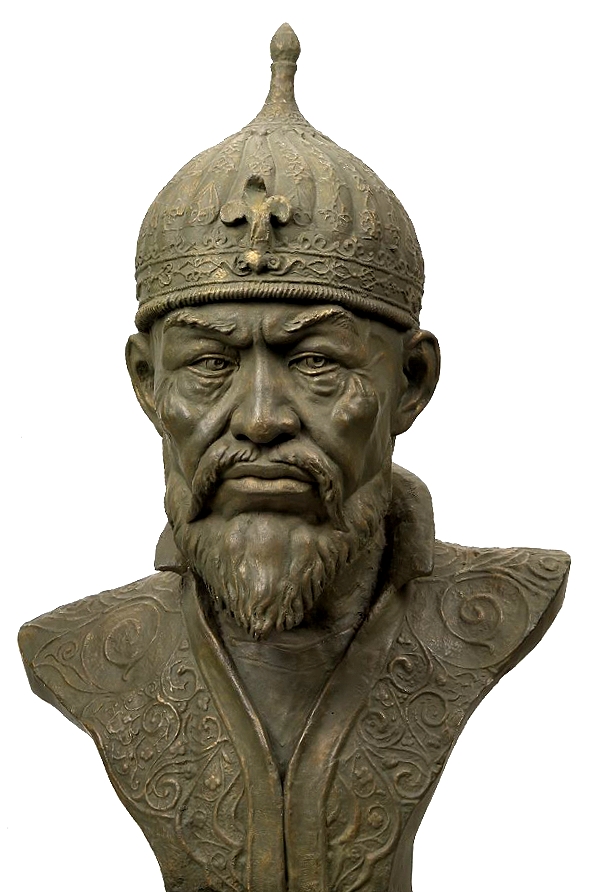
Tamerlane (Timur)
 (تیمور لنگ (Timūr Gurkānī))
Turco-Mongol conqueror and founder of the Timurid Empire who never lost a battle across forty years of campaigns from Delhi to the Mediterranean, transforming Samarkand into a Renaissance jewel.
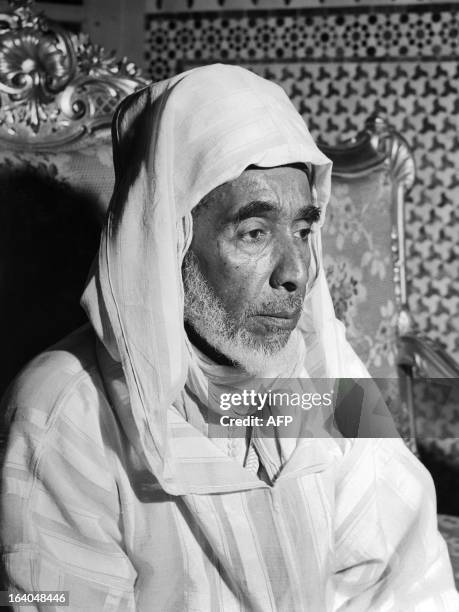
Ibn Arafa
(ابن عرفة التونسي)
Unquestioned 14th-century titan of Maliki jurisprudence who served as Imam of the Ez-Zitouna Mosque and Grand Mufti of Hafsid Tunis for over forty years, author of Al-Mukhtasar al-Fiqhi.
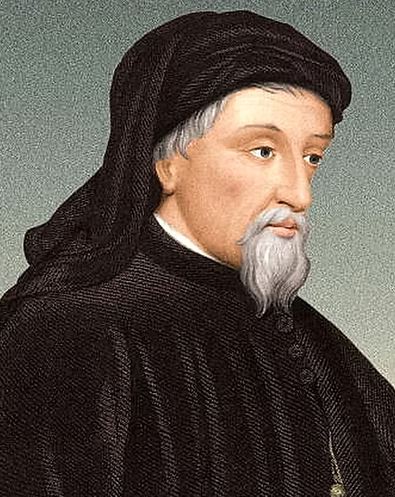
Geoffrey Chaucer
 (Geoffrey Chaucer)
Venerated as the Father of English Literature, who legitimized the vernacular Middle English tongue as a vehicle for grand literary art in his vibrant comedic and psychological masterwork, The Canterbury Tales.
Kamal Khujandi
 (کمال خجندی)
Celebrated 14th-century Persian Sufi poet of Tabriz whose delicate, musical ghazals rivaled those of his contemporary Hafez of Shiraz.
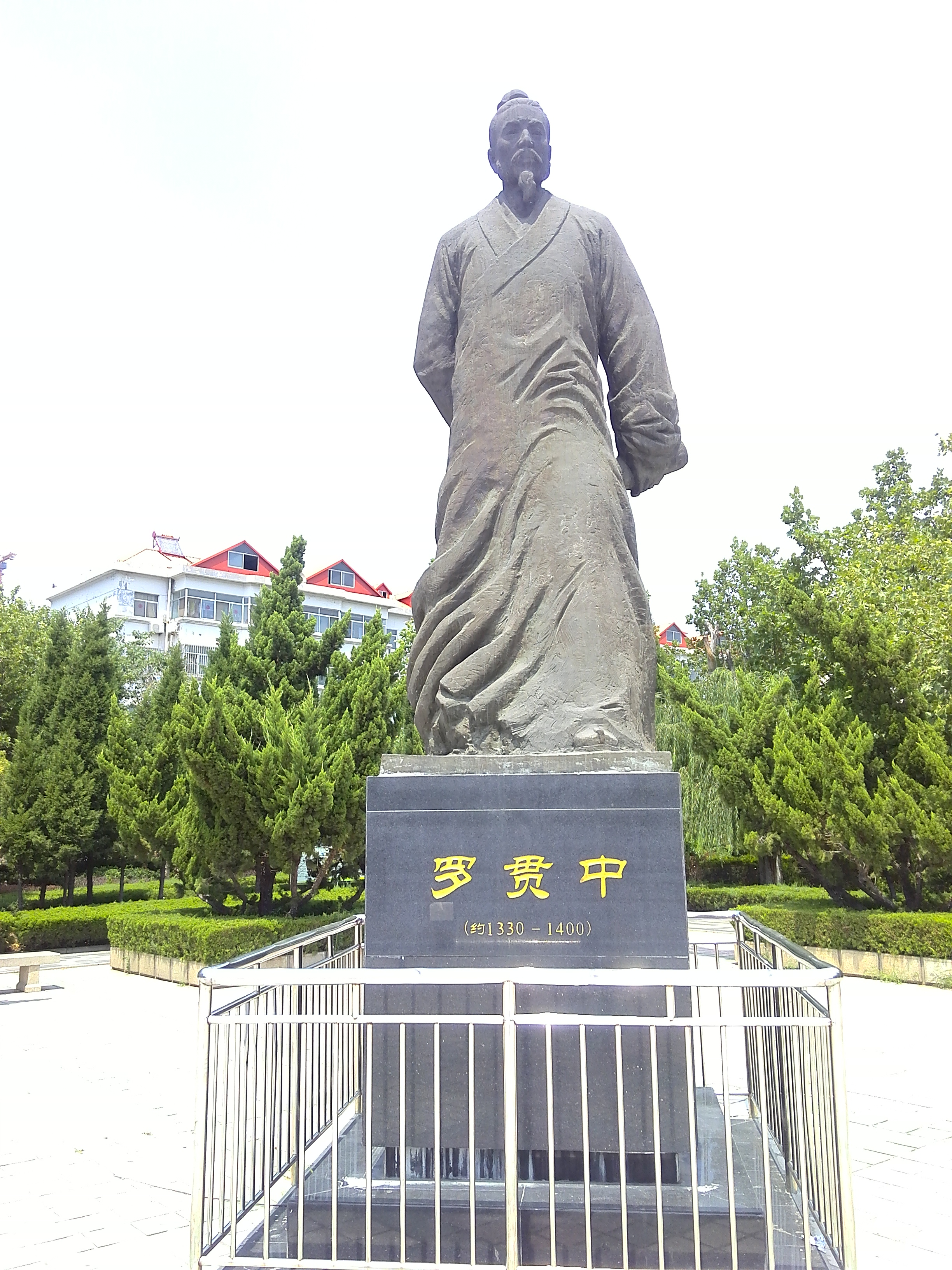
Luo Guanzhong
 (羅貫中)
Pioneering Chinese novelist of the Yuan-Ming transition who wrote Romance of the Three Kingdoms, one of the Four Great Classical Novels of Chinese literature.
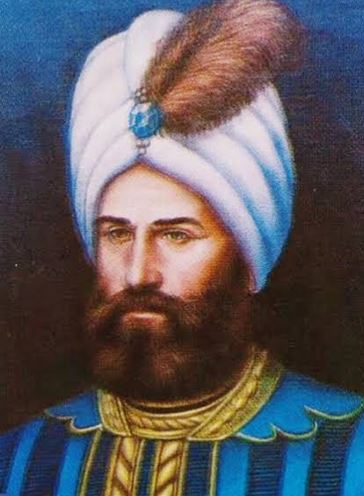
Barquq
 (الظاهر برقوق)
Circassian military commander who founded the Burji (Circassian) Mamluk Dynasty of Egypt in 1382, courageously defying the conqueror Timur (Tamerlane) and constructing one of the finest architectural complexes on Al-Mu'izz Street.
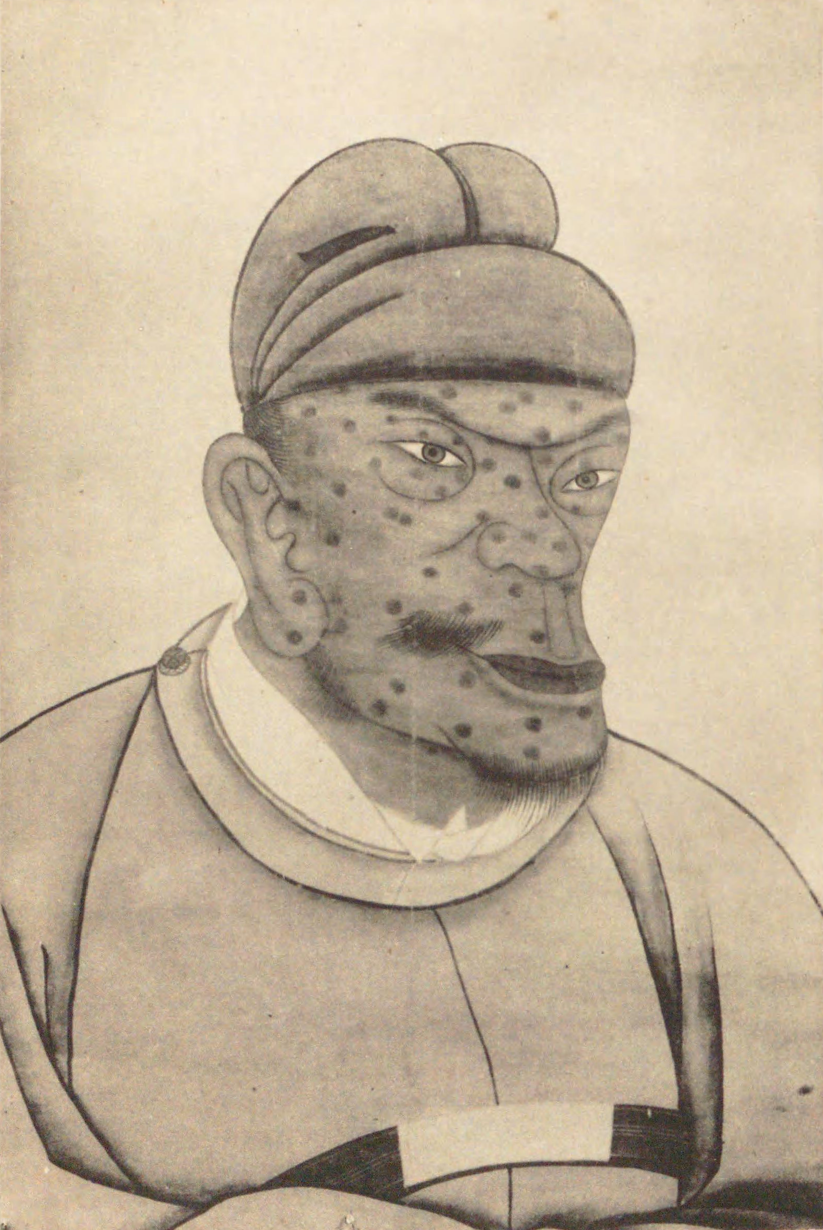
Hongwu Emperor
(明太祖 (朱元璋))
Founder of the Ming Dynasty (1368–1398) Zhu Yuanzhang, who rose from an orphaned beggar and Buddhist novice monk to lead the Red Turban rebellion that expelled the Mongol Yuan dynasty from China, restoring native Han rule.
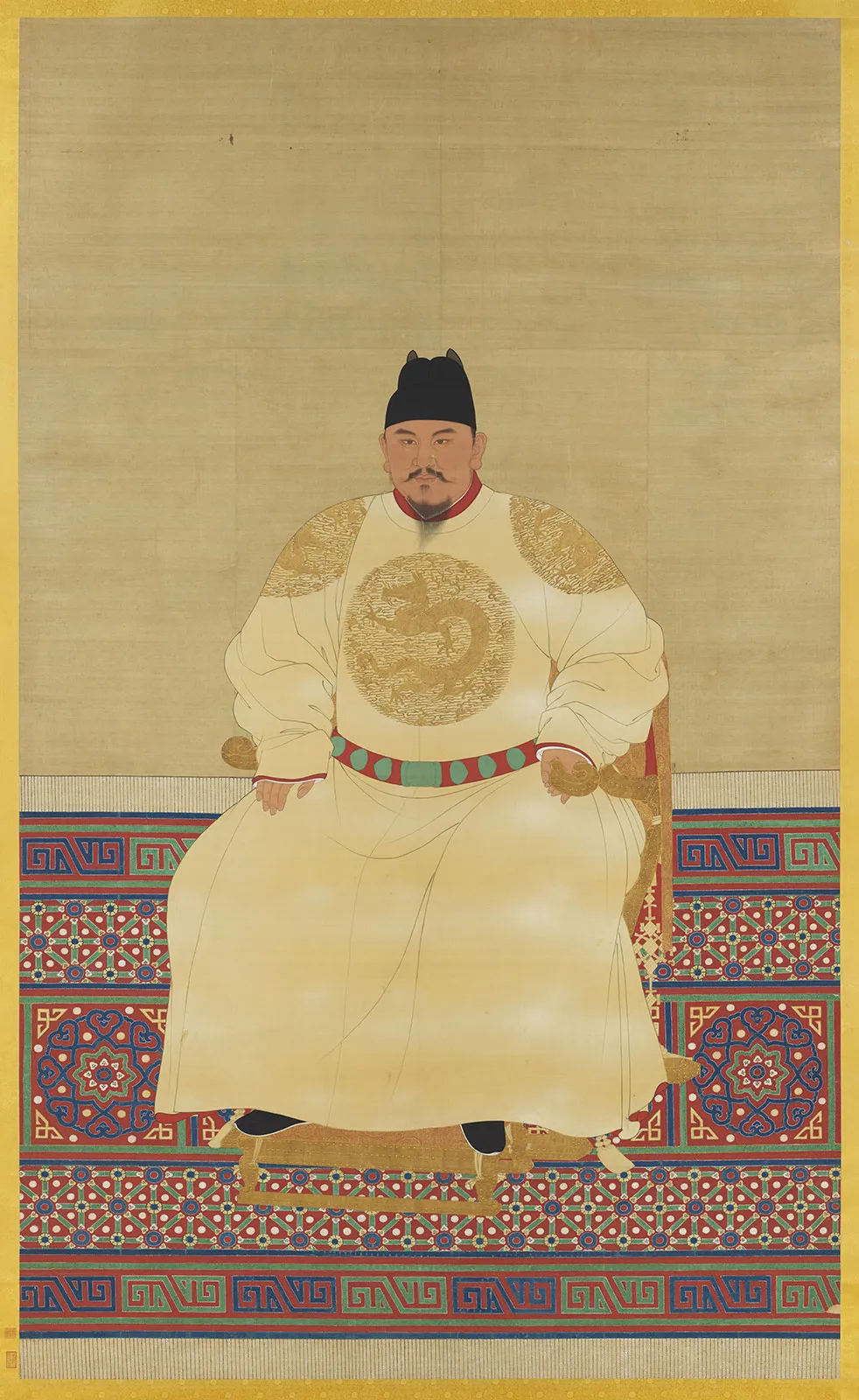
Hongwu Emperor (Zhu Yuanzhang)
(明太祖 朱元璋 (Zhu Yuanzhang))
Peasant monk who rose to lead the Red Turban Rebellion, drove out the Mongol Yuan Dynasty, and founded the native Chinese Ming Dynasty.
Sidi Mansour Ghulam al-Din
(سيدي منصور غلام الدين)
Venerated 14th-century Sufi ascetic and spiritual patron of the maritime town of Sfax, immortalized in the world-famous Tunisian popular folk anthem 'Sidi Mansour Ya Baba'.
Abu al-Abbas Ahmad II al-Mustansir
(أبو العباس أحمد الثاني الحفصي)
Great Hafsid Sultan (1370–1394 AD) who reunited the divided kingdoms of Tunis, Constantine, and Bougie, crushed tribal piracy, and repelled the Barbary Crusade of 1390 at Mahdia.
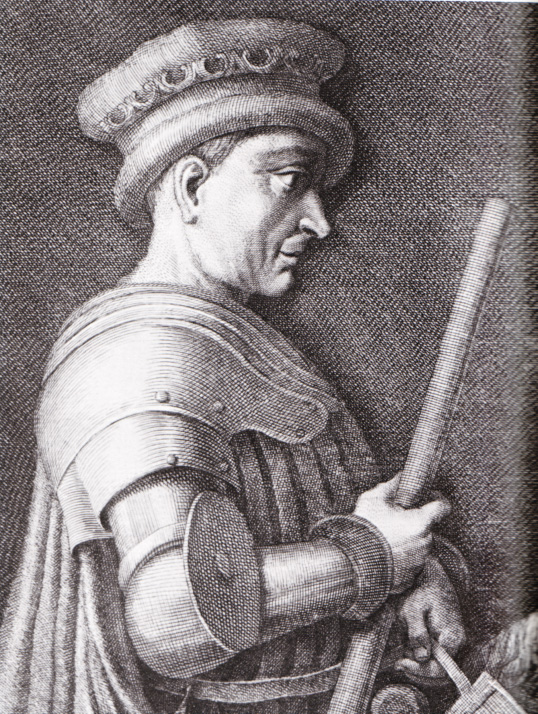
Sir John Hawkwood (Giovanni Acuto)
(Sir John Hawkwood / Giovanni Acuto)
Legendary English mercenary captain (condottiero) who led the White Company in Italy, renowned for speed, tactical cunning, and professional discipline.
Ibn Rajab
 (ابن رجب الحنبلي)
Revered 14th-century traditionist and ascetic scholar of Damascus, author of 'Jami' al-Ulum wa-al-Hikam' and 'Lata'if al-Ma'arif'.
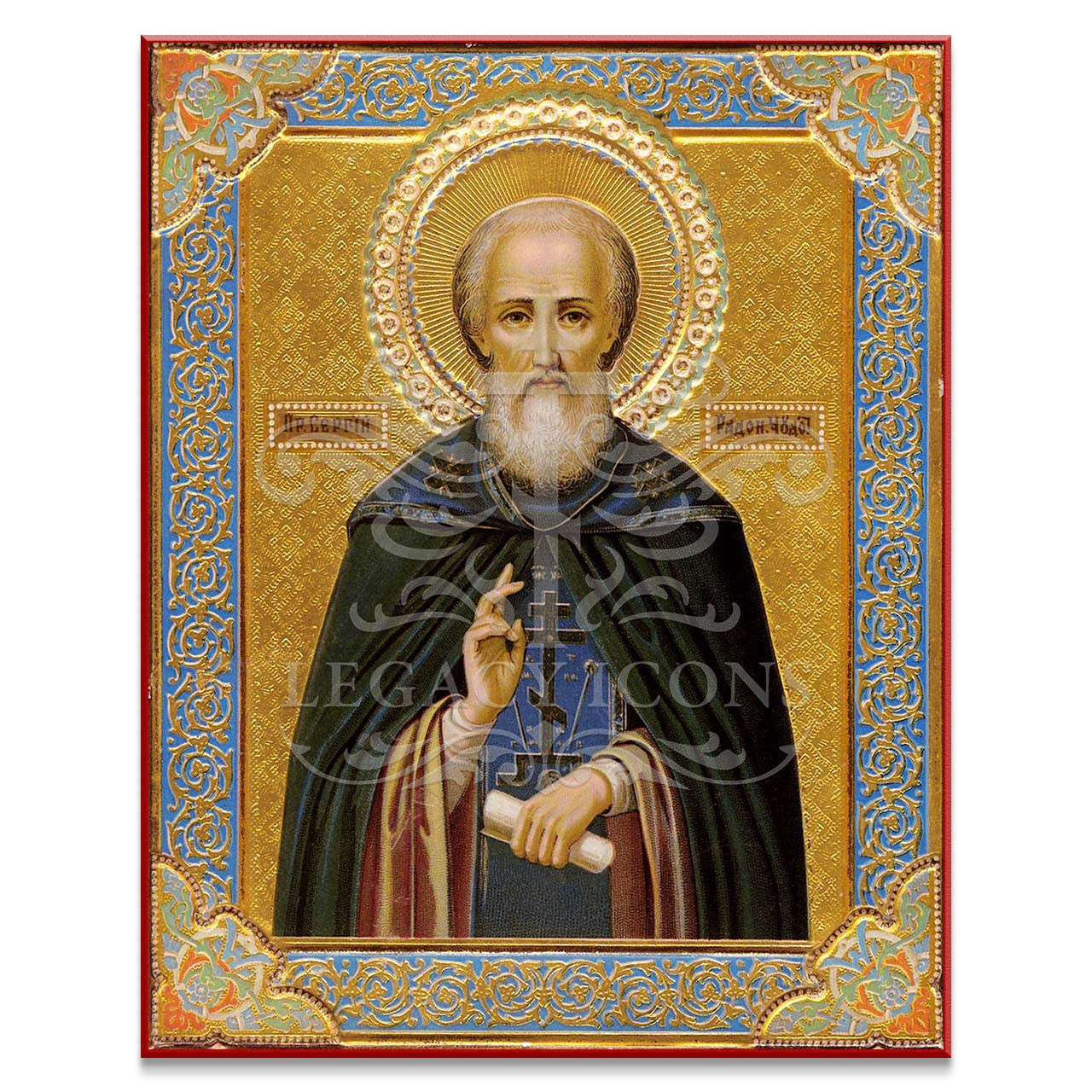
Sergius of Radonezh
(Сергий Радонежский)
Spiritual father of medieval Russia who founded the Trinity Lavra of Saint Sergius and blessed Prince Dmitry Donskoy before the historic Battle of Kulikovo.
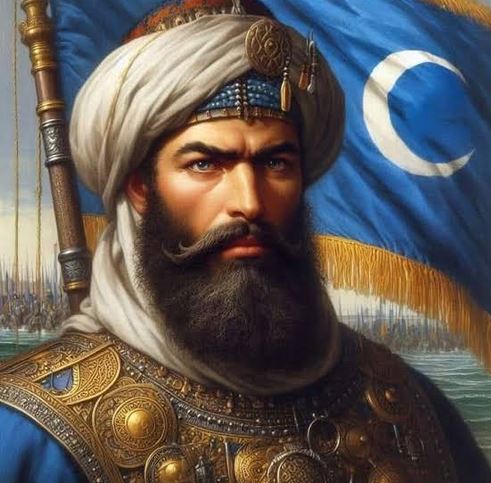
Abu Hammu Musa II
 (أبو حمو موسى الثاني)
Warrior sultan, gifted poet, and philosopher-king of the Zayyanid dynasty who restored the Kingdom of Tlemcen and authored the renowned mirror-for-princes Wasitat al-Suluk.
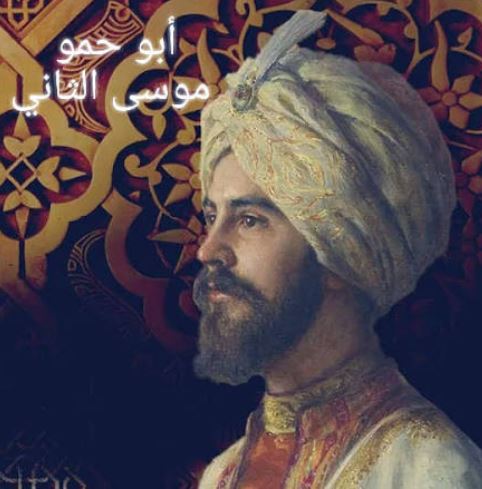
Abu Hammou Moussa II
(أبو حمو موسى الثاني)
Zayyanid Sultan of Tlemcen, patron of arts and letters, celebrated poet, and author of the political treatise 'Wasitat al-Suluk', who restored Tlemcen's glory after Marinid occupations.
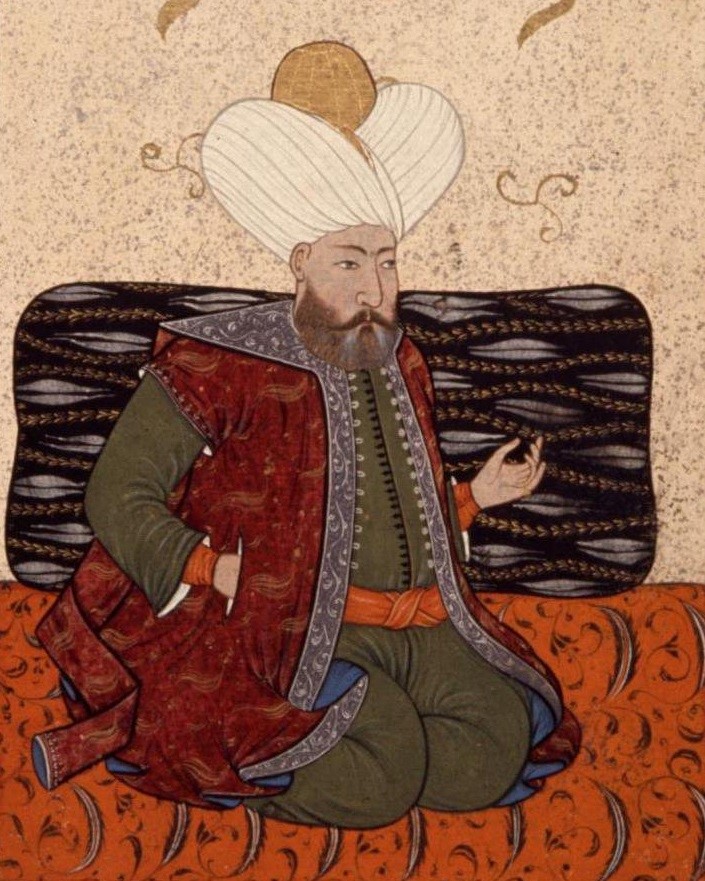
Murad I
 (مراد الأول (Hüdavendigâr))
Third Ottoman Sultan who transformed the Ottoman state into an empire, instituted the Devshirme and Janissary corps, conquered Adrianople (Edirne), and died victorious at the Battle of Kosovo in 1389.
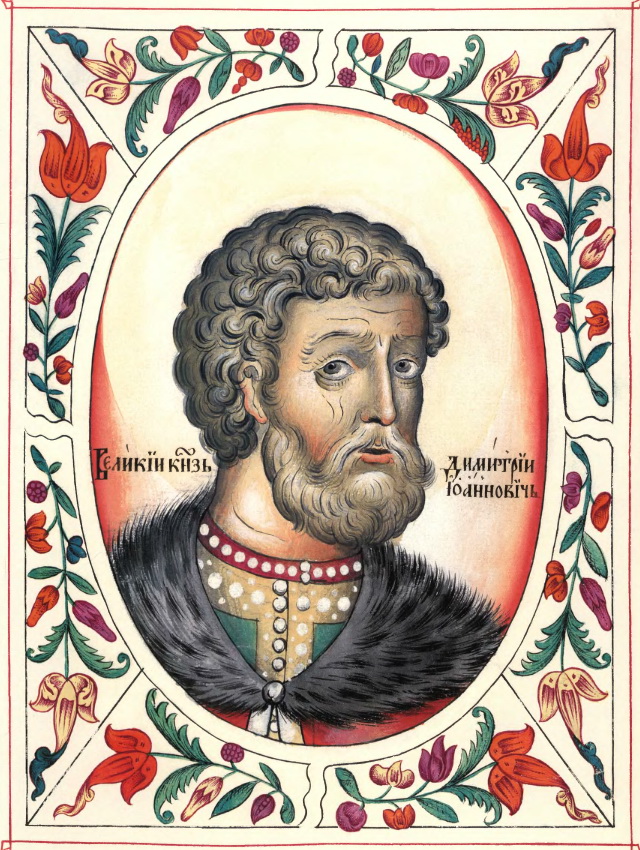
Saint Dmitry Donskoy
(Дмитрий Иванович Донской)
Grand Prince of Moscow who unified the Russian principalities and won the historic Battle of Kulikovo in 1380, breaking the myth of Tatar-Mongol invincibility.