Public Figures & Cultural Luminaries
Filterable archive covering centuries of intellectual, artistic, and moral contributions to the human story.
Jami
 (عبد الرحمن جامی)
Universal master revered as the 'last great classical poet of Persia', author of the seven-epic masterpiece 'Haft Awrang' and 'Yusuf and Zulaikha'.
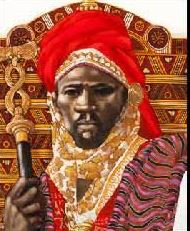
Sunni Ali Ber (Si Ali Ber (Sonni Ali))
First great imperial ruler of the Songhai Empire (1464–1492) who transformed a local riverine kingdom into West Africa's dominant superpower, capturing the scholarly cities of Timbuktu and Djenné with a legendary river fleet and cavalry.
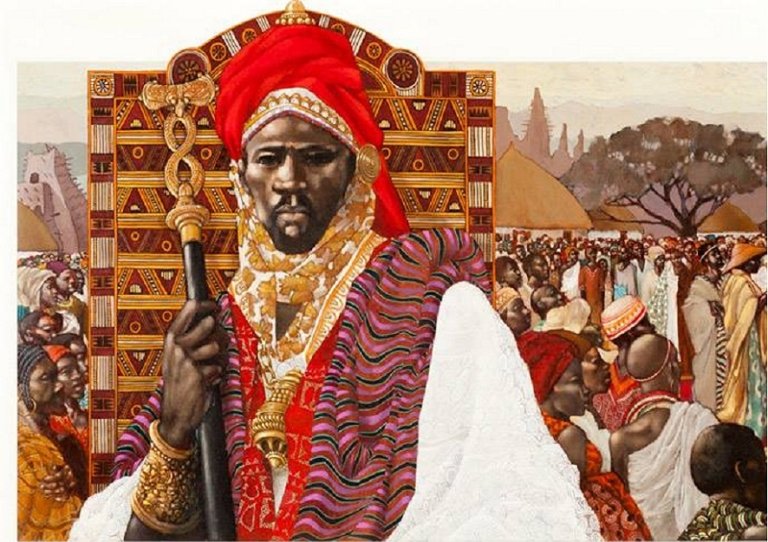
Sunni Ali Ber (Sunni Ali the Great)
 (Sonni Ali Ber / Si Ali)
Founder of the Songhai Empire who forged the greatest state in West African history through naval cavalry dominance on the Niger River.
Abu Amr Uthman al-Mutawakkil
 (أبو عمرو عثمان الحفصي)
The longest-reigning Hafsid monarch (1435–1488 AD, 53 years on the throne), who maintained stability across North Africa, negotiated trade with Florence and Venice, and welcomed Andalusian scholars.
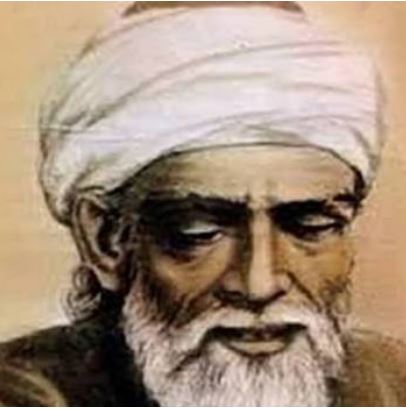
Al-Qalasadi
 (علي بن محمد القلصادي)
Nasrid-born North African mathematician who revolutionized mathematics by inventing the world's first modern algebraic symbolic notation using Arabic characters, dying in exile in Béja, Tunisia.
Louis XI the Prudent
 (Louis XI le Prudent)
Cunning Capetian King of France known as the 'Universal Spider' whose cold diplomatic patience, network of post messengers, and defeat of Charles the Bold annexed Burgundy, Maine, Anjou, and Provence to France.
Mary of Burgundy
 (Marie de Bourgogne / Maria van Bourgondië)
Sovereign Duchess of Burgundy whose marriage to Archduke Maximilian of Austria brought the Low Countries into the Habsburg sphere, preserving Netherlandish territorial integrity against King Louis XI of France.
Hugo van der Goes
(Hugo van der Goes)
One of the greatest Early Netherlandish painters whose monumental Portinari Altarpiece revolutionized Florentine Renaissance painting and pioneered intense psychological realism.
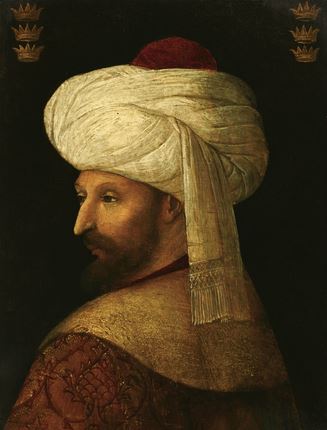
Mehmed II (Fatih Sultan Mehmed / The Conqueror)
 (فاتح سلطان محمد / Fatih Sultan Mehmed)
Seventh Ottoman Sultan who conquered Constantinople in 1453 at age twenty-one, bringing an end to the Byzantine Empire and the Middle Ages. A Renaissance polyglot who spoke six languages and issued the Ahdname charter protecting religious freedom.
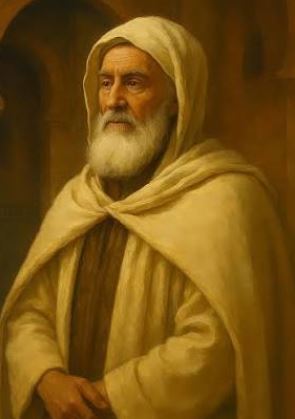
Sidi Abderrahmane et-Thaâlibi
 (عبد الرحمن الثعالبي)
Eminent Algerian Quranic commentator, Maliki jurist, and Sufi saint who authored the celebrated exegesis 'Al-Jawahir al-Hisan' and is venerated as the patron saint and spiritual protector of Algiers.
Charles the Bold
(Charles le Téméraire / Karel de Stoute)
Last Valois Duke of Burgundy whose relentless ambition to connect his Flemish and Burgundian realms into an independent kingdom ended with his battlefield death at Nancy, reshaping European geopolitics.

Sidi Yahia El Aidli
(سيدي يحيى العيدلي)
15th-century Sufi sage and reformer who founded the renowned Zawiya of Tamokra in the Soummam valley, educating generations of scholars and resistance leaders.
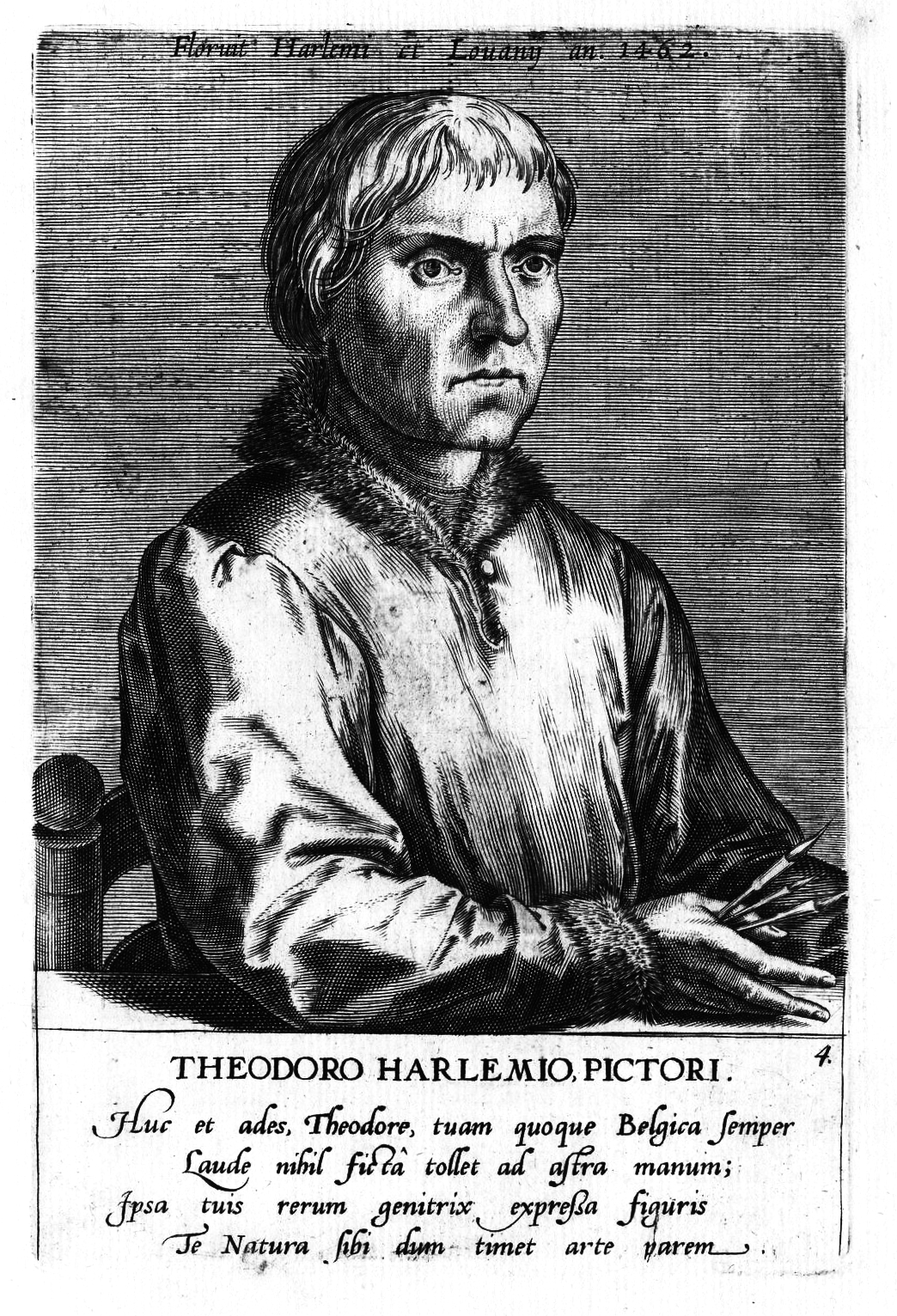
Dirk Bouts
 (Dirk Bouts)
Pioneering Early Netherlandish painter and city painter of Leuven whose 'Altarpiece of the Holy Sacrament' perfected mathematical perspective and northern atmospheric space.
Abu Abdallah Muhammad ibn Ahmad Ibn al-Shamma'
(ابن الشماع التونسي)
15th-century court historian and legal advisor to Hafsid Sultan Abu Amr Uthman, whose chronicle Al-Adilla al-Bayyina is the premier primary historical record of late Hafsid civilization in Tunis.
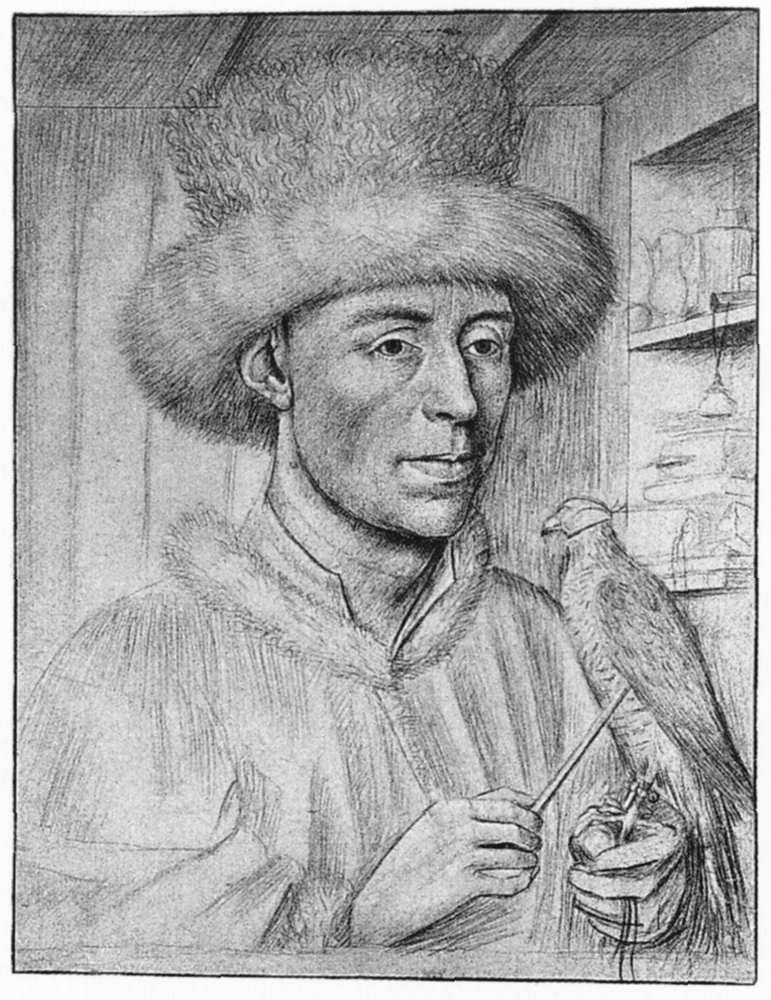
Petrus Christus
(Petrus Christus)
Netherlandish painter who succeeded Jan van Eyck in Bruges, pioneering geometrically unified one-point perspective in Northern Europe in 'A Goldsmith in His Shop'.
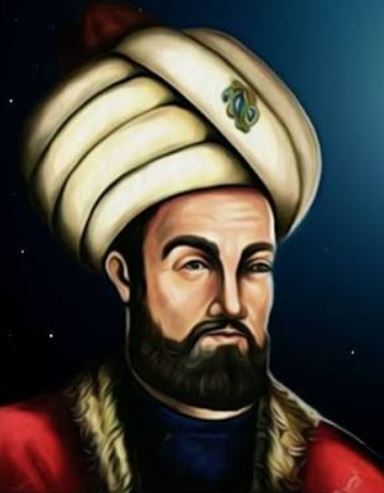
Ali Qushji (Ala al-Din Ali ibn Muhammad)
 (علاء الدين علي بن محمد القوشجي)
Astronomer who directed the Samarkand Observatory and later served Sultan Mehmed II in Istanbul, proving that astronomy does not rely on Aristotelian physics and supporting the Earth's rotation.
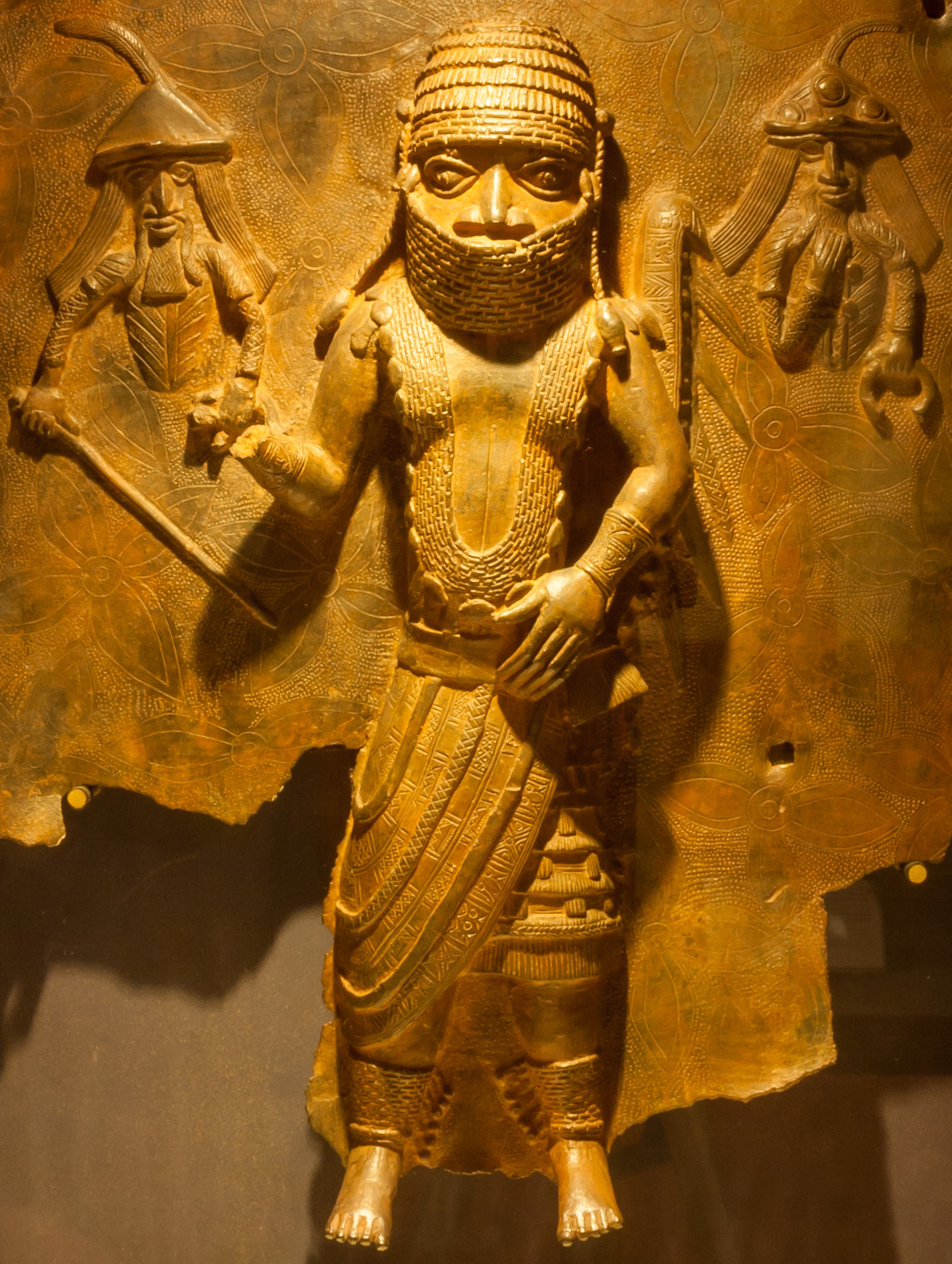
Oba Ewuare (Ewuare Ogidigan (Ewuare the Great))
Transformative Oba of Benin known as Ewuare the Great who transformed Benin from a city-state into a vast maritime empire, rebuilt Benin City with massive earthwork moats, and patronized brass casting.
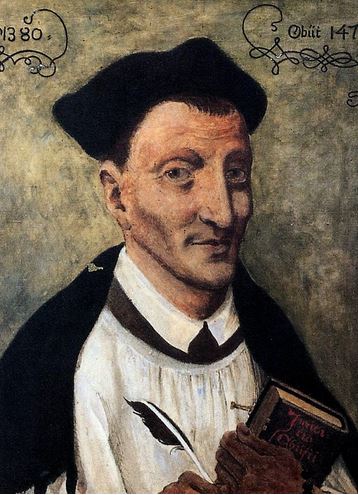
Thomas Hemerken
 (Thomas a Kempis)
Dutch-German monk of the Devotio Moderna movement and author of 'The Imitation of Christ', the most widely translated Christian devotional book in history after the Bible.