Public Figures & Cultural Luminaries
Filterable archive covering centuries of intellectual, artistic, and moral contributions to the human story.
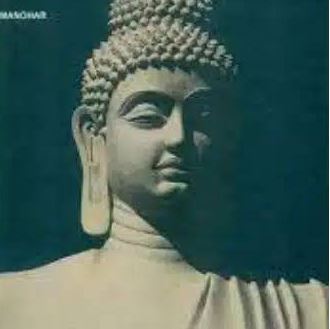
Buddhaghosa (बुद्धघोष)
Fifth-century Indian Theravada scholar whose masterwork 'Visuddhimagga' (The Path of Purification) synthesized all Theravada doctrine, meditation (samatha and vipassana), and ethics.
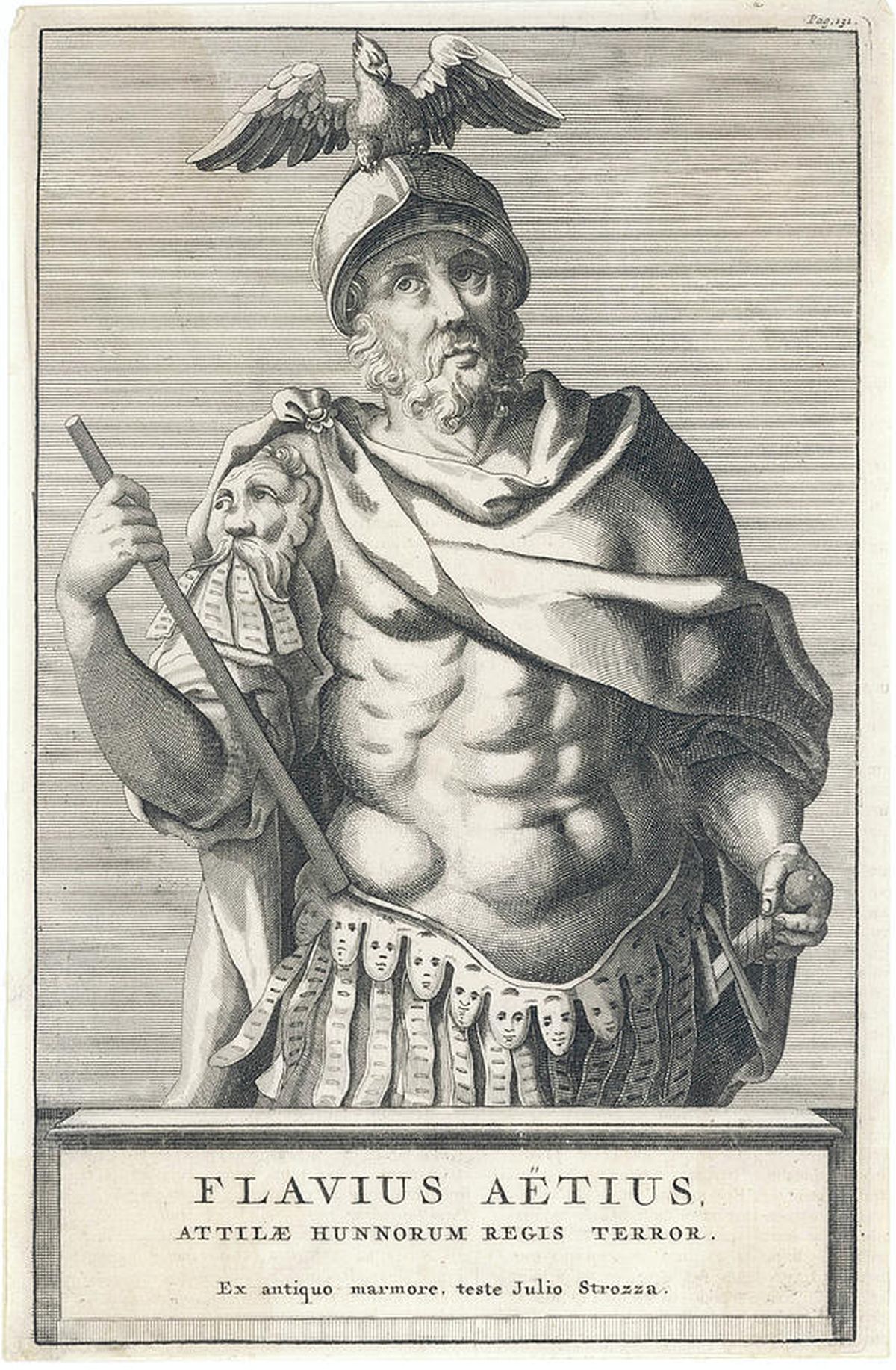
Flavius Aetius
 (Flavius Aetius)
Foremost general of the Western Roman Empire, celebrated as 'The Last of the Romans', who defeated Attila the Hun at the Battle of the Catalaunian Plains.
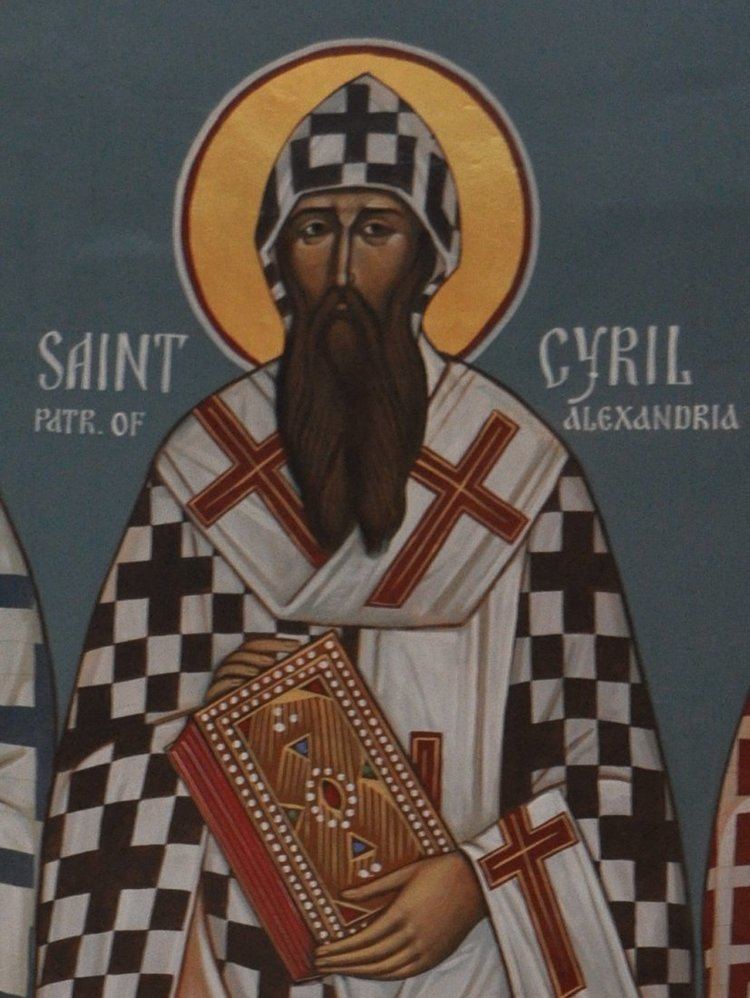
Cyril of Alexandria
 (Κύριλλος Ἀλεξανδρείας)
Patriarch of Alexandria and Doctor of the Church who presided over the Council of Ephesus in 431, confirming the title Theotokos for Mary and the hypostatic union.
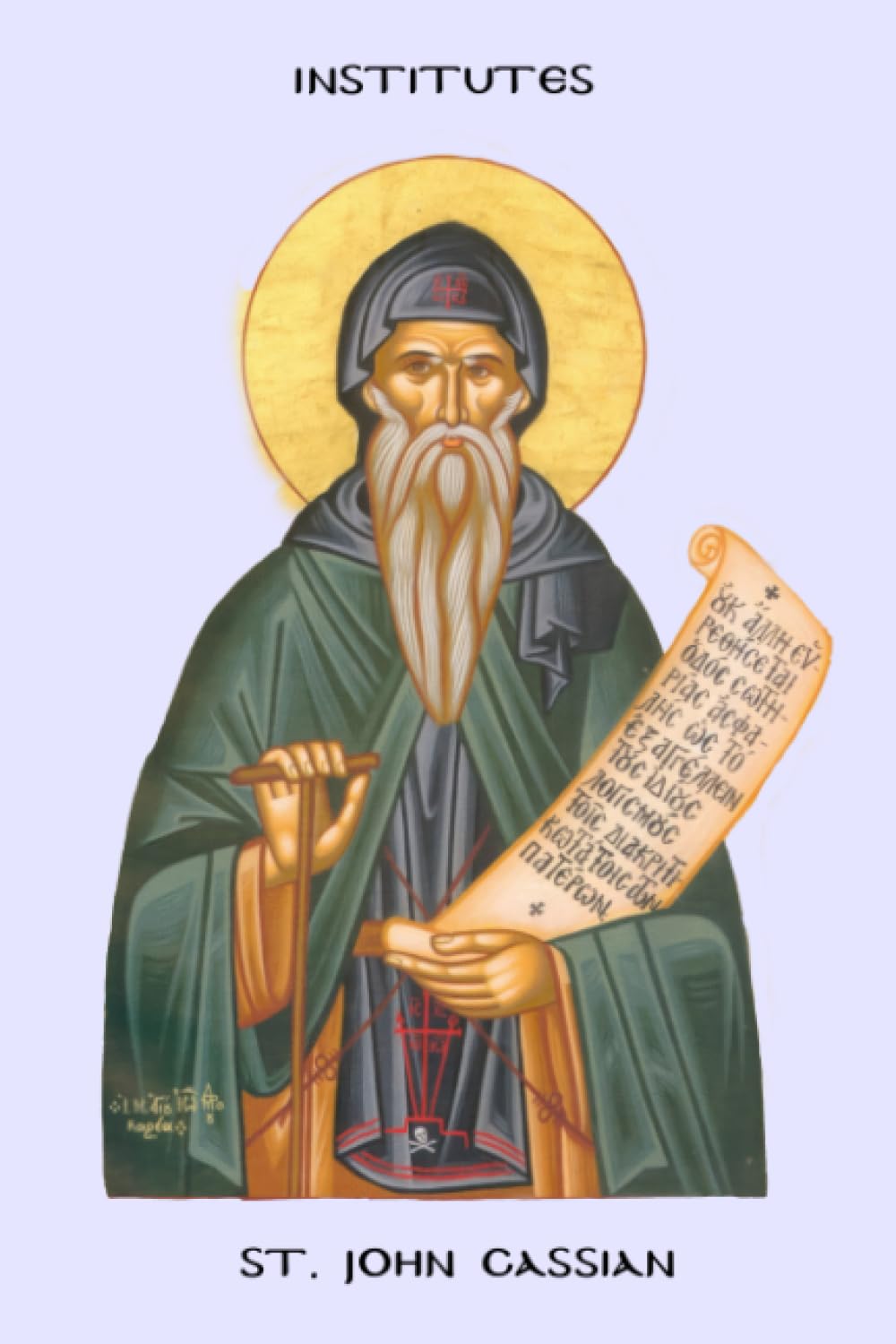
John Cassian
 (Ἰωάννης ὁ Κασσιανός)
Monastic theologian who transmitted Eastern Desert Father wisdom to Western Europe through his landmark works 'Institutes' and 'Conferences', shaping Western monasticism.
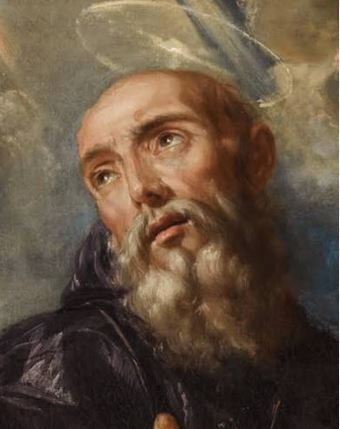
Aurelius Augustinus Hipponensis (Saint Augustine)
 (Aurelius Augustinus)
Towering Western theologian and philosopher whose writings formulated doctrines of divine grace, original sin, and the inner self. His Confessions and City of God profoundly structured medieval and modern Christian thought.
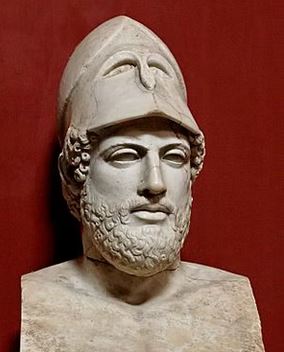
Pericles of Athens (First Citizen of Athens)
 (Περικλῆς (Surrounded by Glory))
Democratic leader and general who presided over the Golden Age of Athens. Transformed the Delian League into an empire, championed direct democracy, and commissioned the Parthenon on the Acropolis.
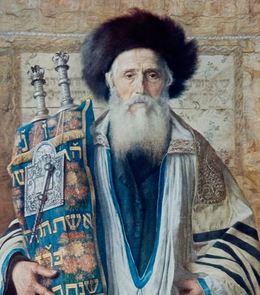
Ashi (רב אשי)
Master architect of the Babylonian Talmud who re-established the Sura Yeshiva and spent sixty years compiling, organizing, and editing the Gemara.
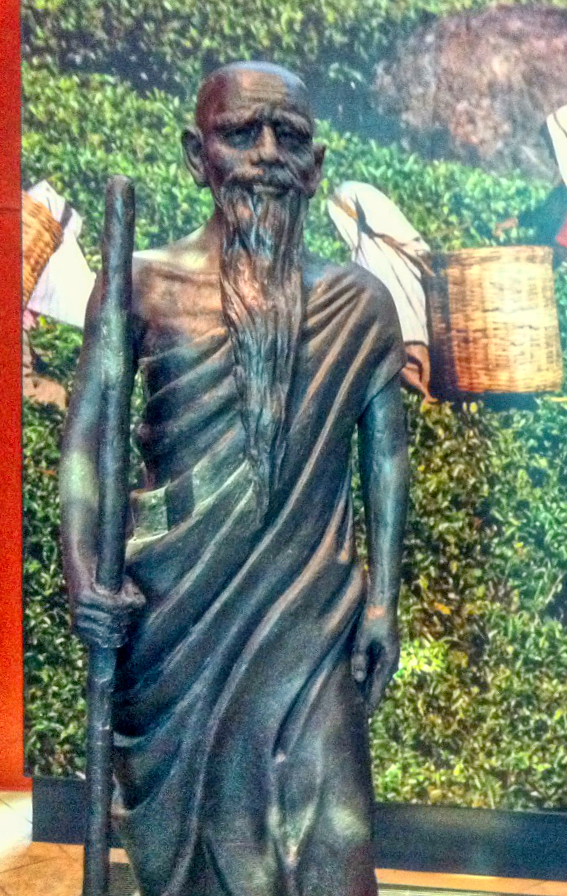
Faxian
 (法顯)
(法顯)
Chinese Buddhist monk who at age sixty walked across the Gobi Desert and Himalayas to India to retrieve the monastic Vinaya, authoring 'A Record of Buddhist Kingdoms'.
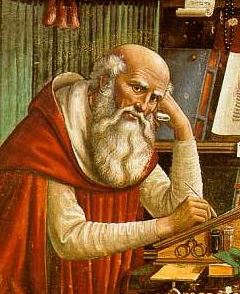
Eusebius Sophronius Hieronymus (Saint Jerome)
 (Eusebius Sophronius Hieronymus)
Master linguist and Doctor of the Church who spent decades in a Bethlehem cave translating the Hebrew Tanakh and Greek New Testament into Latin, producing the Vulgate—the canonical scripture of Western civilization for a millennium.
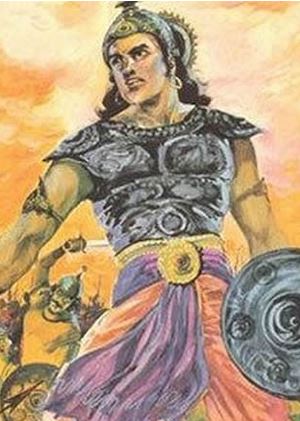
Chandragupta II (चन्द्रगुप्त विक्रमादित्य)
Greatest emperor of the Gupta Golden Age of India, celebrated as 'Vikramaditya' (Sun of Valor), who conquered the Western Kshatrapas, extended maritime trade across the Arabian Sea, and patronized the 'Nine Jewels' of classical arts and science, including Kalidasa.
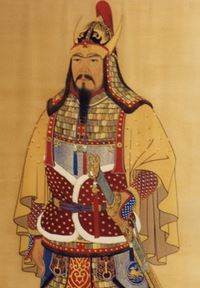
King Gwanggaeto the Great (광개토대왕 (고구려 광개토왕))
Nineteenth monarch of the ancient Korean kingdom of Goguryeo (391–413 CE) whose posthumous name means 'Broad Expander of Territory', who conquered sixty-four walled cities and 1,400 villages, transforming Goguryeo into a grand imperial power across Manchuria and the Korean Peninsula.
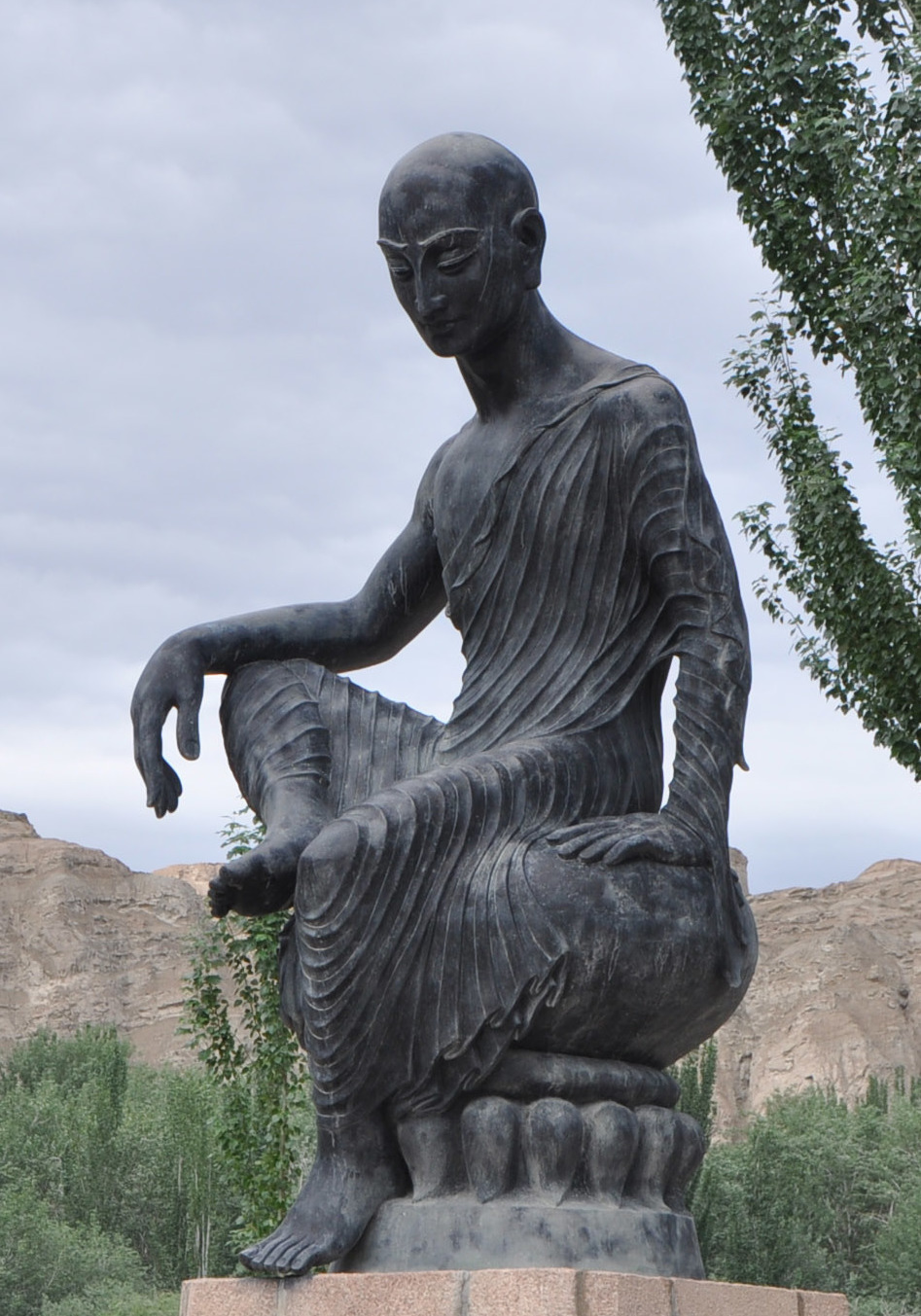
Kumarajiva
(鳩摩羅什)
Kuchean Buddhist monk and scholar whose legendary translations into classical Chinese—including the Diamond, Lotus, and Vimalakirti Sutras—defined East Asian Buddhist literature.
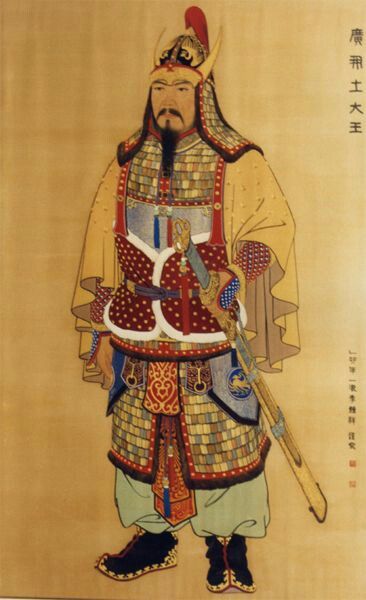
Gwanggaeto the Great of Goguryeo
(광개토대왕 / 廣開土大王)
Nineteenth monarch of Goguryeo whose brilliant military campaigns forged a vast empire spanning Manchuria, northern Korea, and Maritime Siberia.
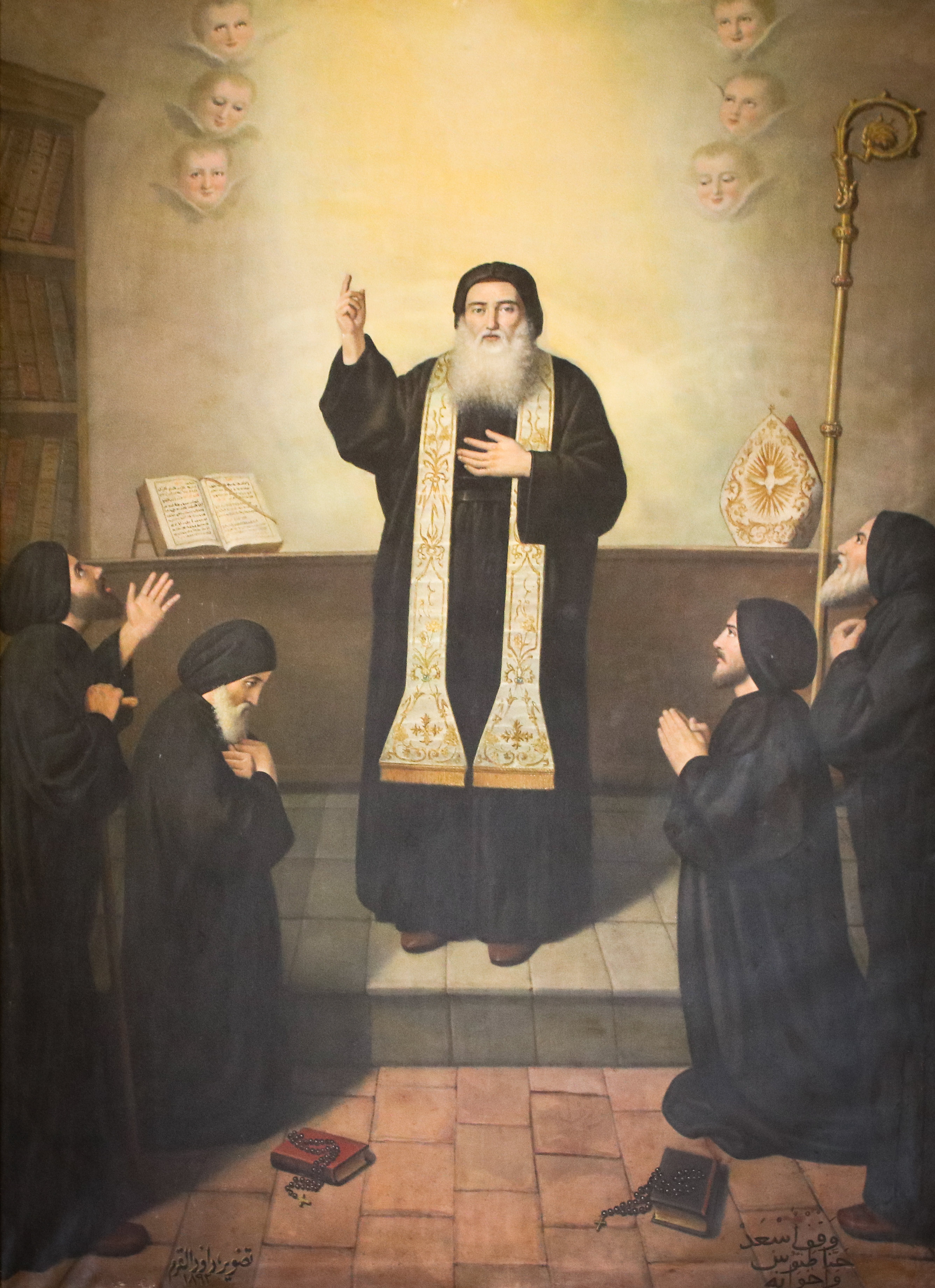
Maron
 (ܡܪܘܢ)
4th-century Syriac Christian monk and hermit whose open-air asceticism and spiritual healing founded the Maronite monastic tradition and Maronite Church.
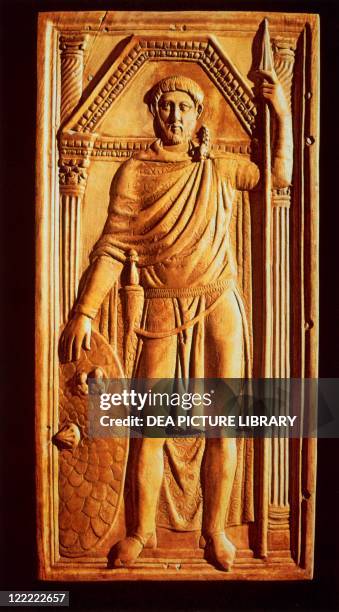
Flavius Stilicho
 (Flavius Stilicho)
High-ranking Roman general of Vandal heritage who served as guardian of Emperor Honorius and repeatedly defeated Alaric and Radagaisus to defend Italy.
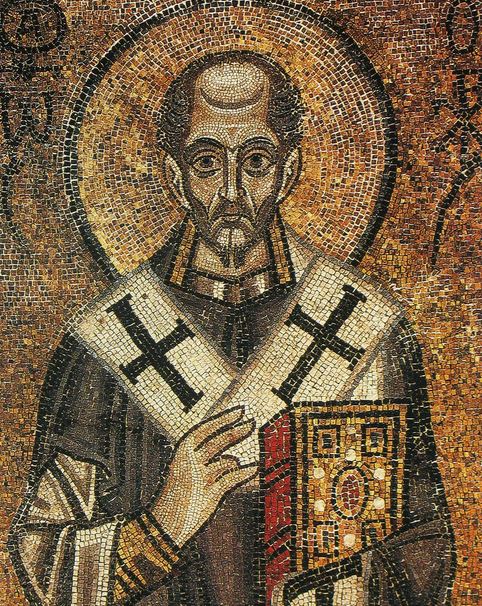
John Chrysostom (Archbishop of Constantinople)
(Ἰωάννης ὁ Χρυσόστομος)
Celebrated as the "Golden-Mouthed" for his peerless preaching against imperial corruption and social exploitation. Author of the Divine Liturgy celebrated by millions of Eastern Orthodox Christians worldwide.
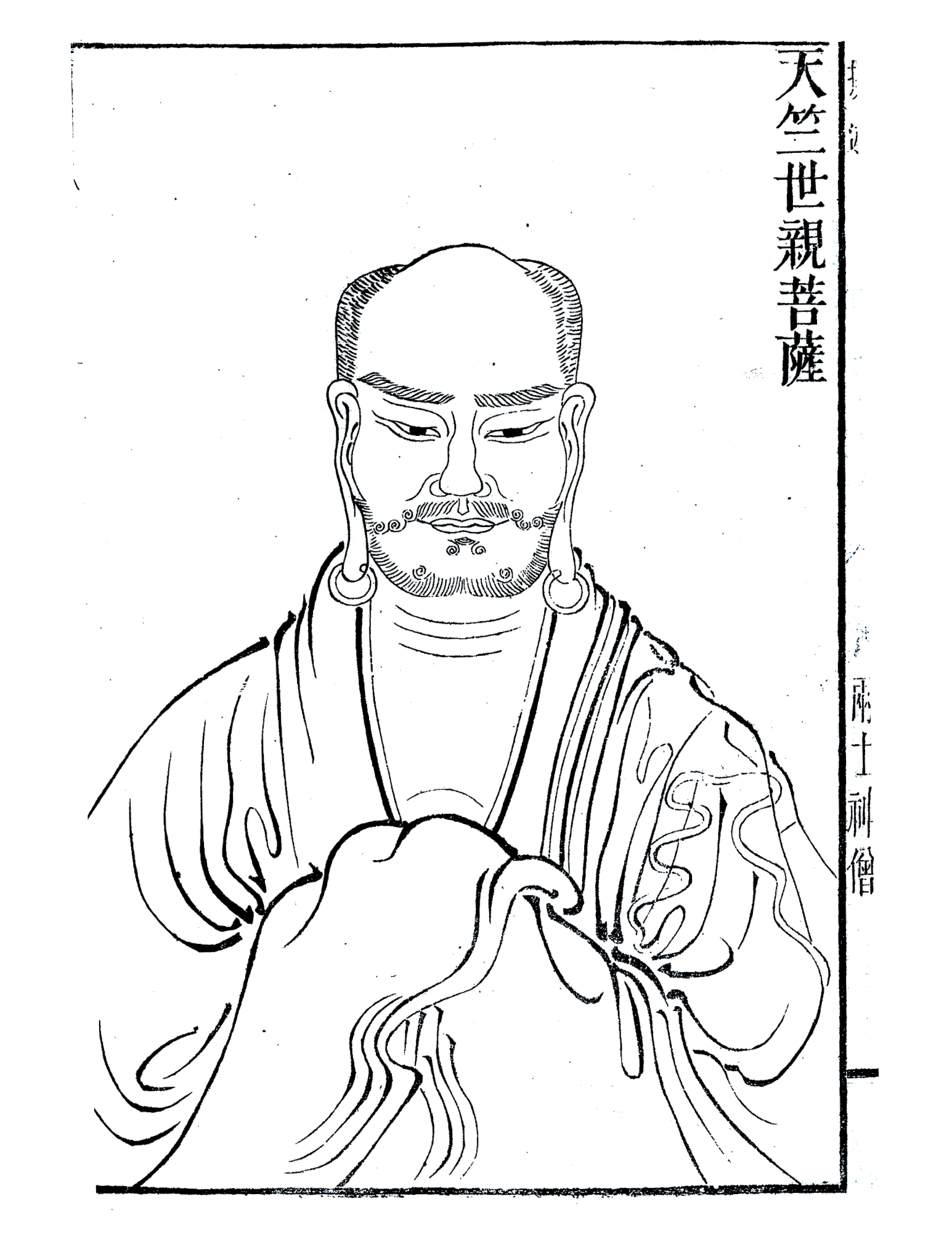
Vasubandhu
 (वसुबन्धु)
Peerless 4th-century Buddhist philosopher who authored the encyclopedic 'Abhidharmakosha' before converting to Mahayana under his brother Asanga, co-founding the Yogacara (Mind-Only / Vijnanavada) philosophical school.
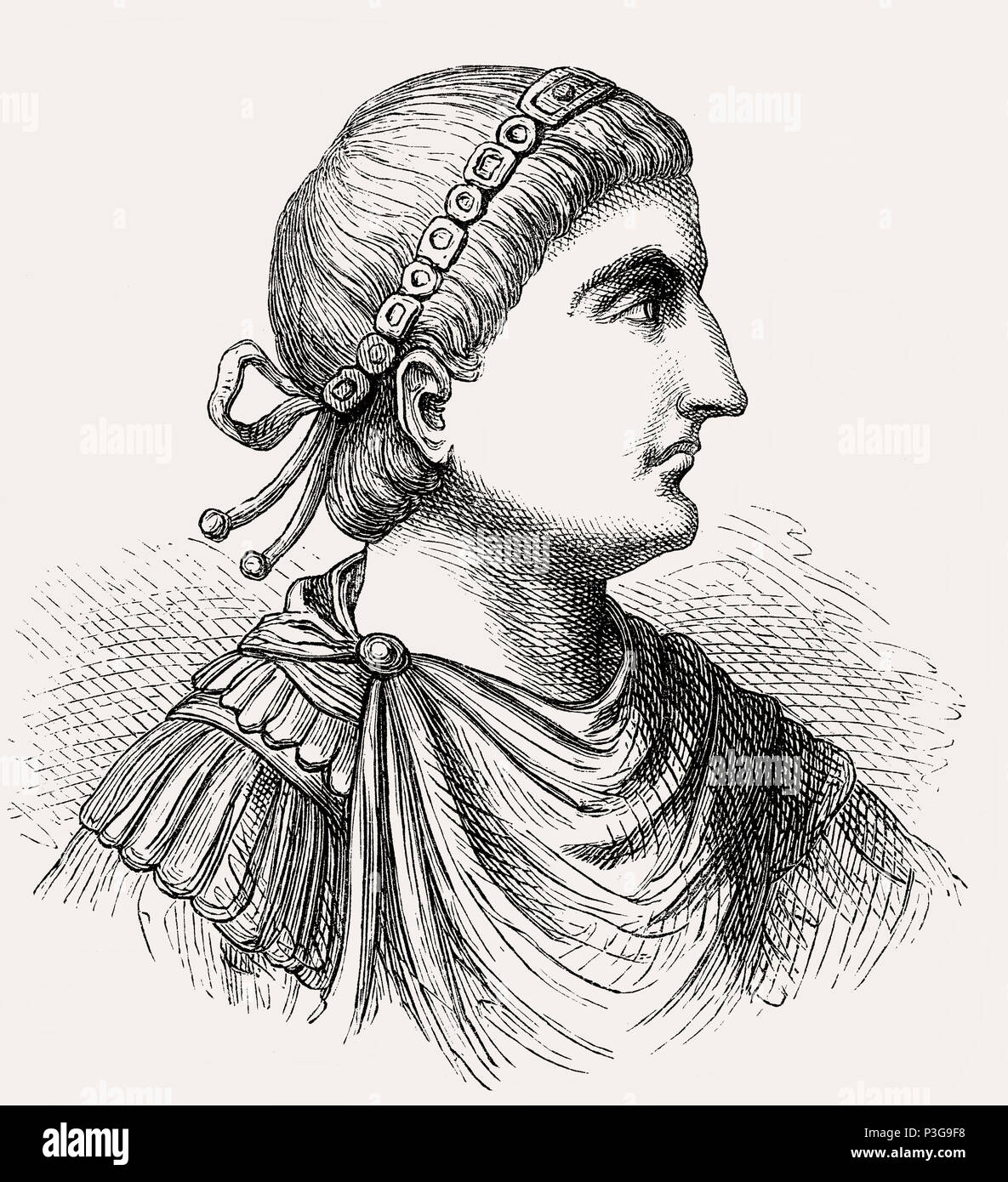
Theodosius I (Theodosius the Great)
 (Flavius Theodosius Augustus)
Last emperor to rule both the Eastern and Western halves of the Roman Empire, who established Nicene Christianity as state religion.