Public Figures & Cultural Luminaries
Filterable archive covering centuries of intellectual, artistic, and moral contributions to the human story.
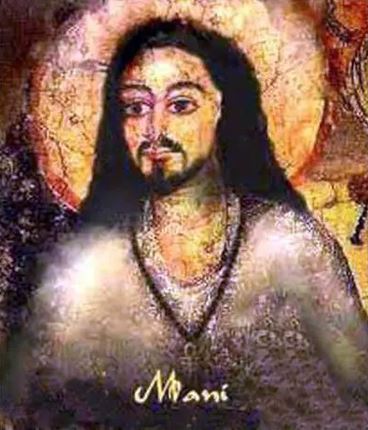
Mani (Apostle of Light)
 (مانی / Mānī)
Mesopotamian prophet and master painter who synthesized Christian Gnosticism, Zoroastrian dualism, and Buddhism into a global world religion of Light. Authored the Living Gospel and illuminated manuscripts.
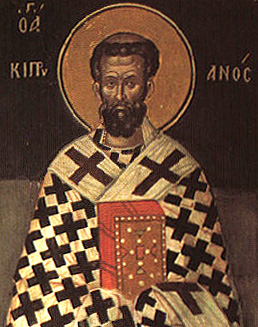
Thascius Caecilius Cyprianus
 (Cyprianus)
Renowned Bishop of Carthage and Latin Father who championed the unity of the Catholic episcopate and gave fearless pastoral care during plagues and persecution.
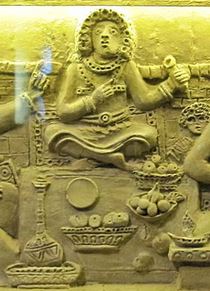
Samuel of Nehardea (שמואל)
Babylonian Amora, astronomer, physician, and head of the Nehardea Academy who formulated the historic halakhic principle 'Dina de-malkhuta dina' (the law of the land is law).
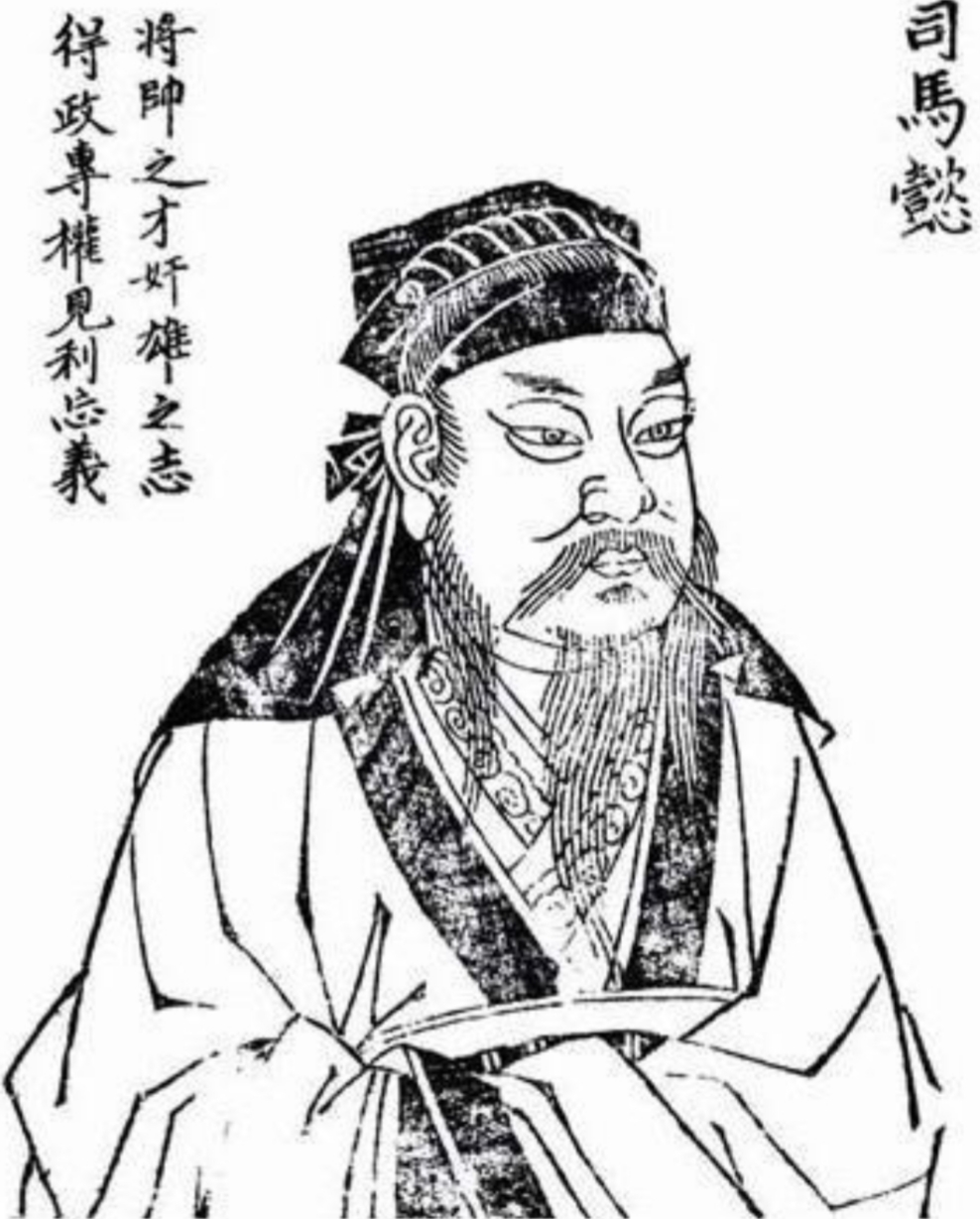
Sima Yi (Emperor Xuan of Jin)
 (司馬懿 / 司馬仲達)
Supreme general, regent, and strategist of Cao Wei who successfully countered Zhuge Liang's Northern Expeditions and paved the way for the Jin dynasty.
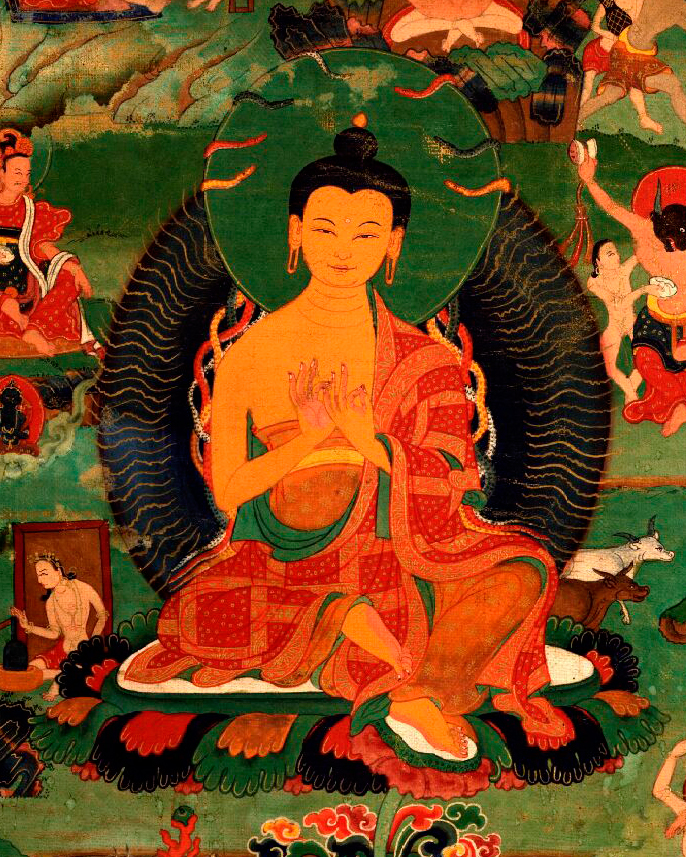
Nagarjuna
 (नागार्जुन)
One of the greatest philosophers in world history, founder of the Madhyamaka (Middle Way) school of Mahayana Buddhism, who formulated the profound doctrine of Sunyata (Emptiness) and the Two Truths.
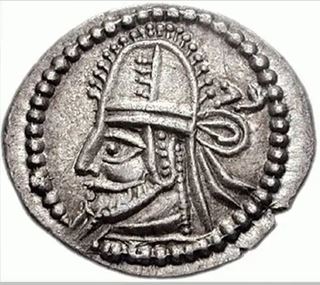
Abba Arika (אבא אריכא)
Towering Babylonian Amora who brought the Mishnah from the Land of Israel to Babylon and founded the great Yeshiva of Sura, inaugurating the Talmudic golden age.
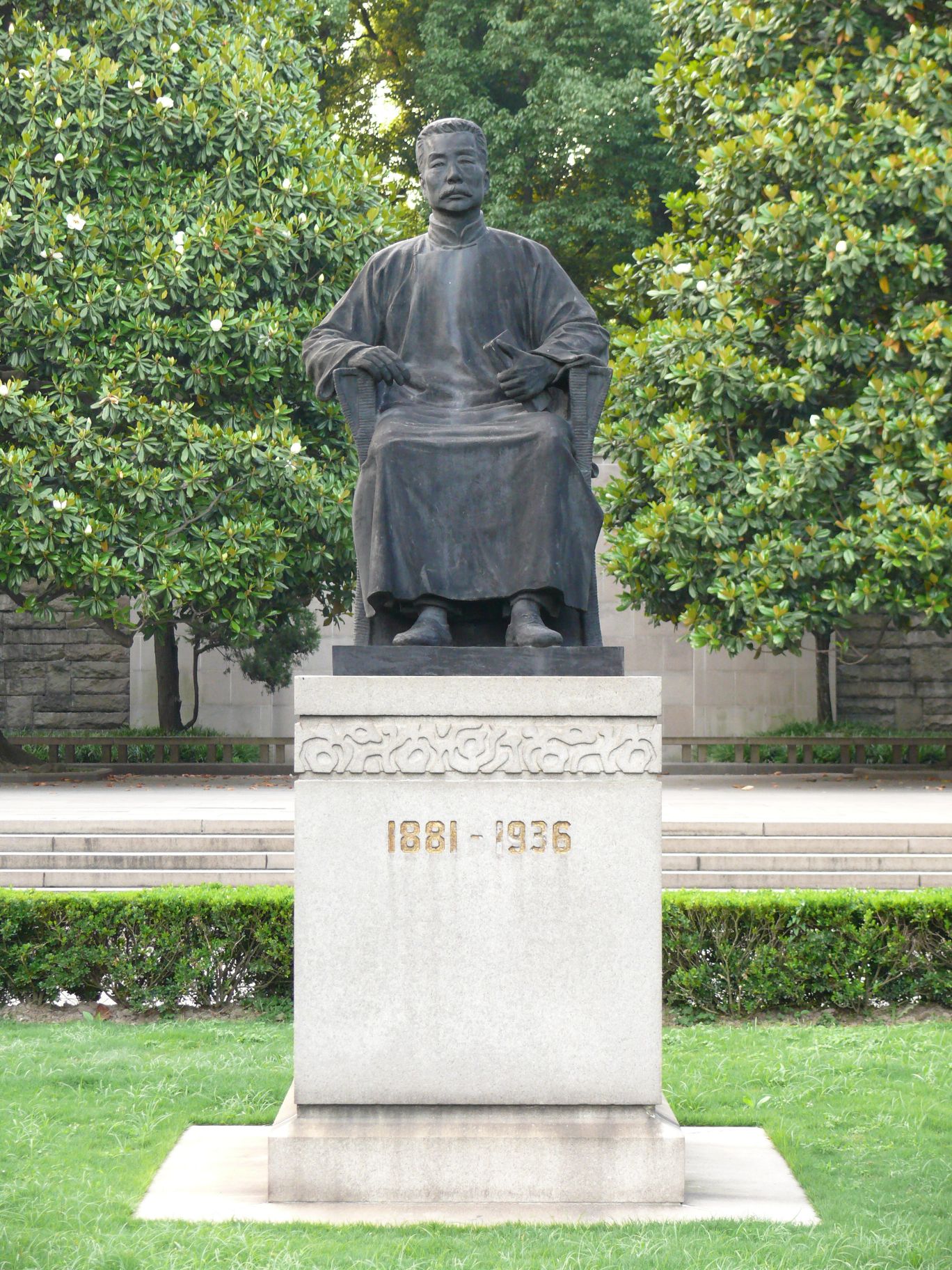
Lu Xun (General)
(陆逊 (伯言))
Supreme commander and Chancellor of Eastern Wu who designed the surprise capture of Jingzhou and annihilated Liu Bei's massive invasion army with fire attacks at the Battle of Yiling in 222 CE.
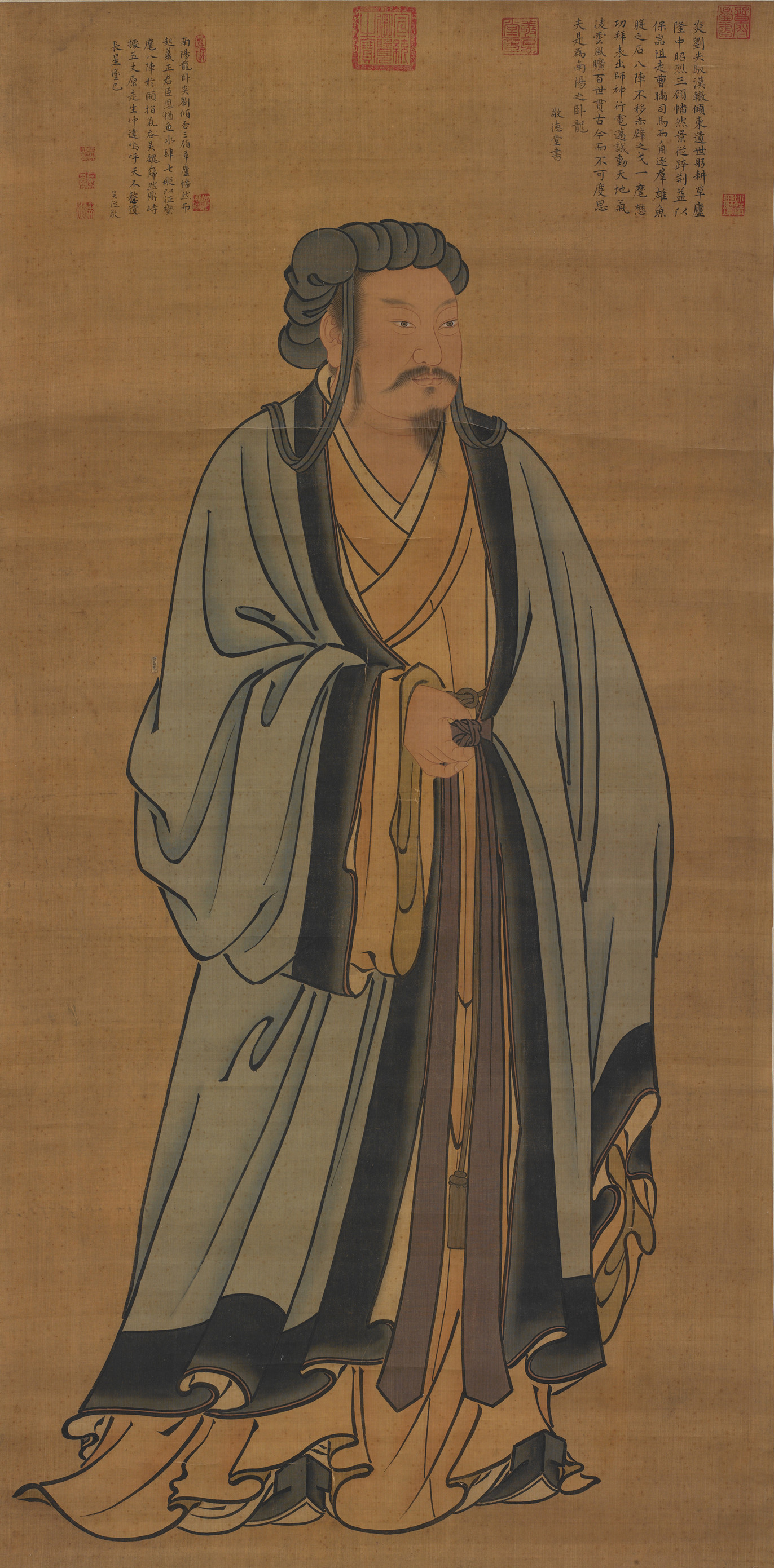
Zhuge Liang
(诸葛亮 (孔明))
Legendary Chinese strategist and Chancellor of Shu Han known as 'The Crouching Dragon', revered across East Asia as the archetype of supreme tactical intelligence, loyalty, and engineering innovation.
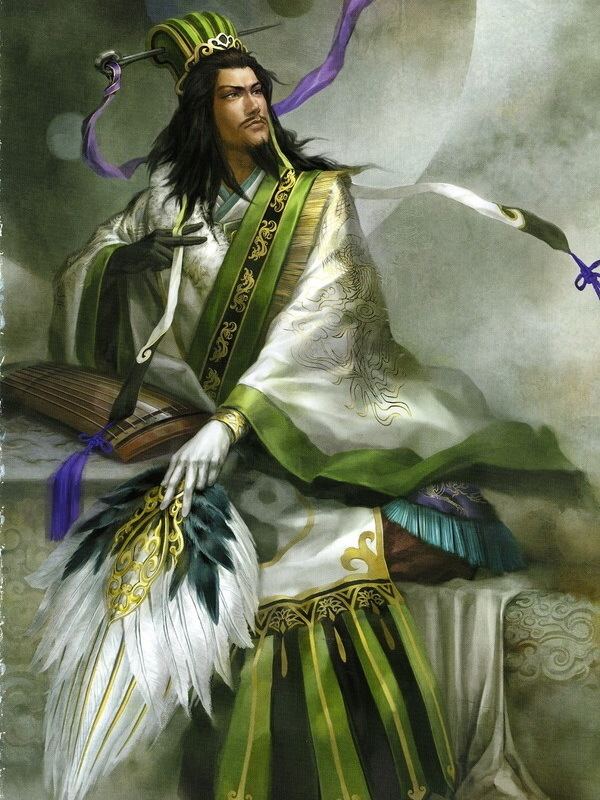
Zhuge Liang (Wolong / Crouching Dragon)
(諸葛亮 / 諸葛孔明)
Legendary Chancellor and chief military strategist of Shu Han whose Longzhong Plan laid the blueprint for the Three Kingdoms and who invented the repeating crossbow.
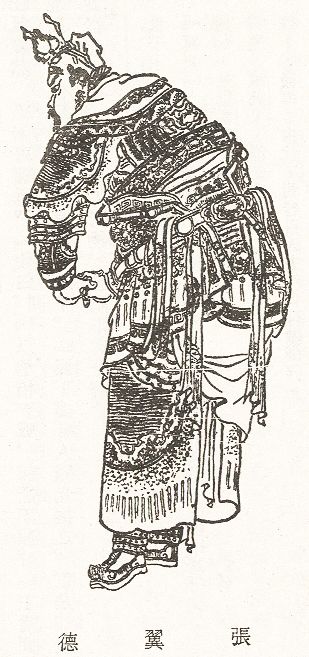
Zhang Fei
(张飞 (益德))
Fierce and loyal general of Shu Han during the Three Kingdoms era, one of the Five Tiger Generals, celebrated for holding off Cao Cao's entire army single-handedly at Changban Bridge.
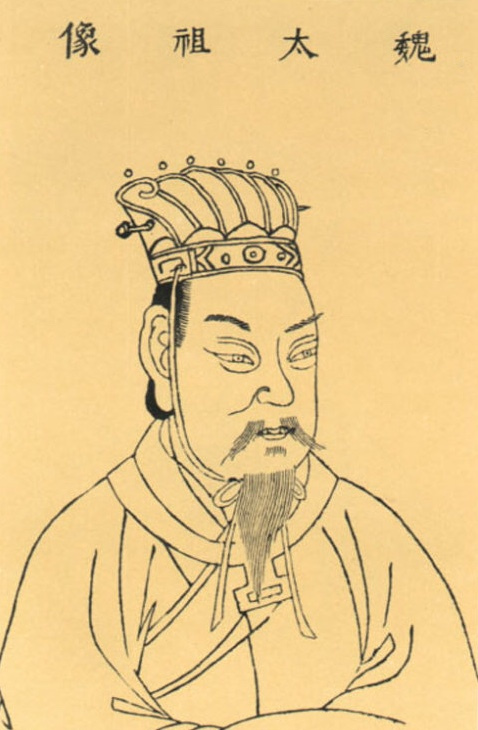
Cao Cao
(曹操 (魏武帝))
Brilliant Chinese warlord, statesman, and poet who laid the foundations of the Kingdom of Wei, famed for his military genius in the Three Kingdoms era and victory at the Battle of Guandu.
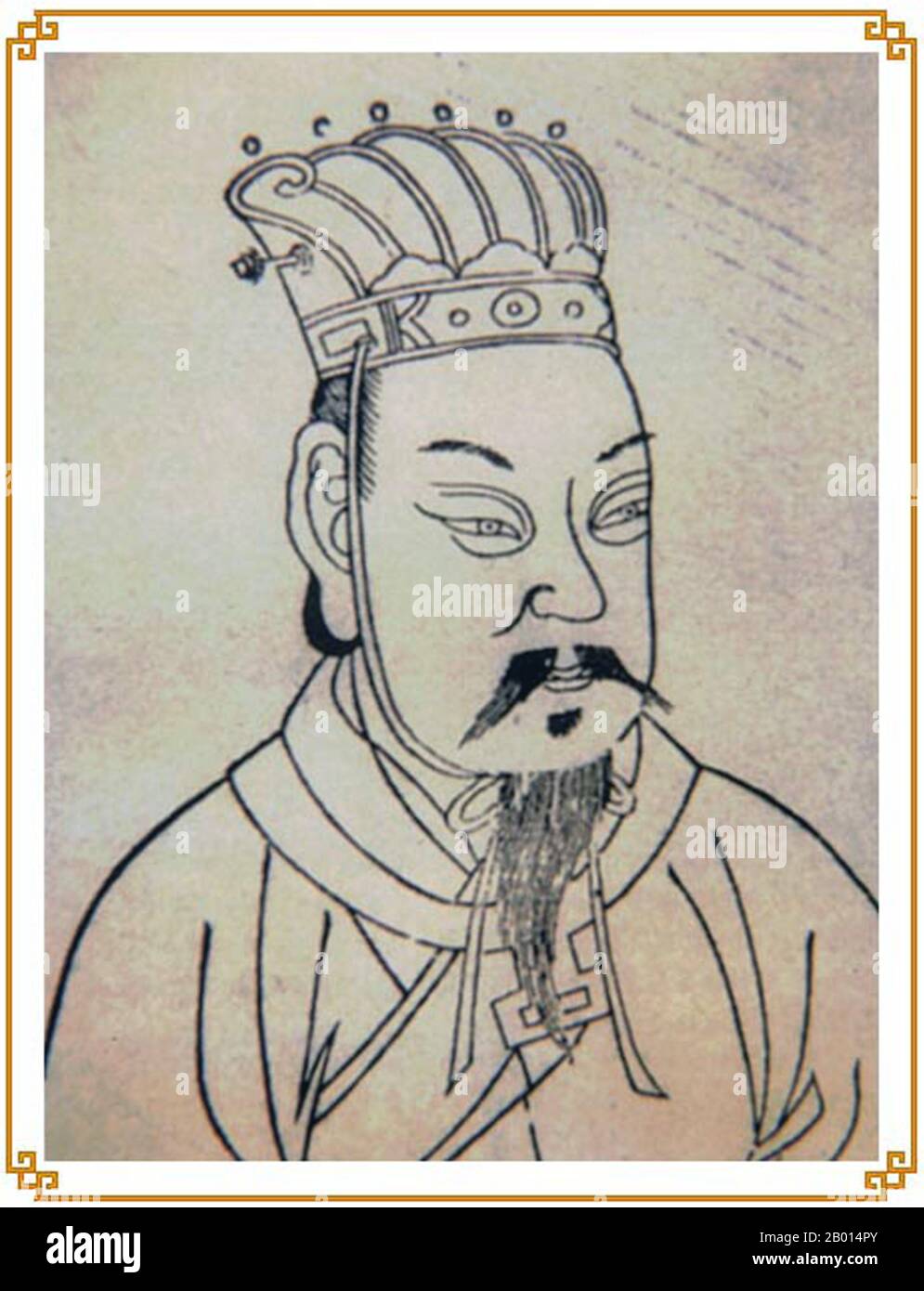
Cao Cao (Emperor Wu of Wei)
(曹操 / 曹孟德)
Master strategist, warlord, poet, and Chancellor of the late Han dynasty who unified northern China after defeating Yuan Shao at Guandu.
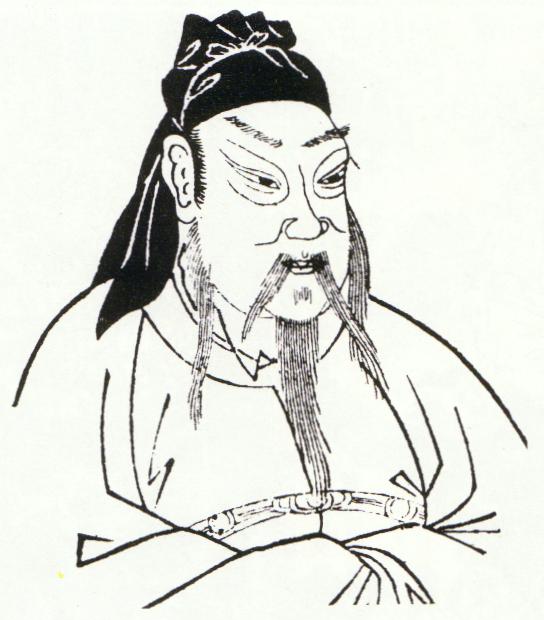
Guan Yu
(关羽 (关公))
Legendary Chinese general of Shu Han during the Three Kingdoms era, renowned for his martial prowess and unyielding loyalty, deified as 'Guan Gong' and the God of War in Chinese folk religion.
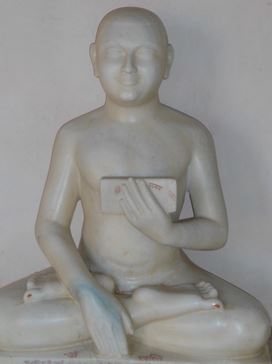
Kundakunda (कुन्दकुन्दाचार्य)
Venerated Digambara Jain philosopher whose foundational Prakrit works 'Samayasara' and 'Pravachanasara' established the distinction between the absolute and practical viewpoints.
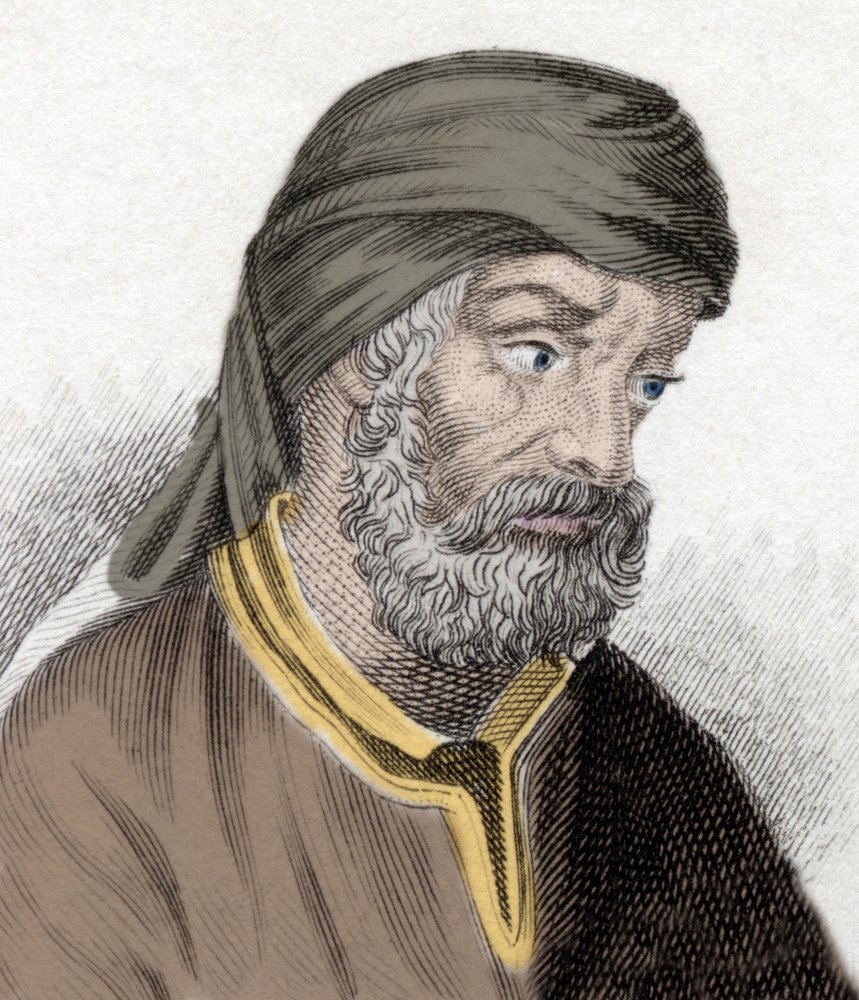
Quintus Septimius Florens Tertullianus
(Tertullianus)
Father of Latin Christian theology and brilliant apologist who introduced essential dogmatic terminology including 'Trinitas' and 'one substance in three persons'.
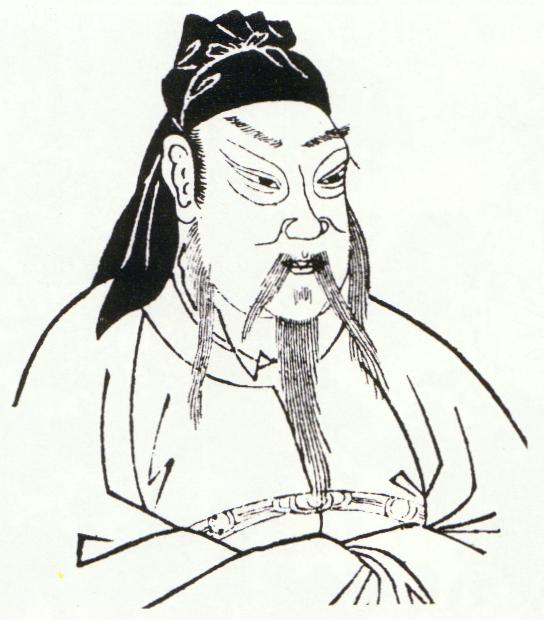
Guan Yu (Lord Guan / God of War)
(關羽 / 關雲長)
Foremost general of Shu Han and martial sworn brother of Liu Bei, deified throughout Chinese civilization as Guan Gong (God of War) for loyalty and valor.
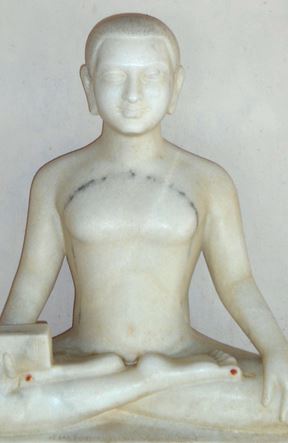
Umashvati (उमास्वाति)
Jain philosopher whose 'Tattvartha Sutra' (That Which Is) is the first Jain scripture composed in classical Sanskrit, accepted by both Digambara and Svetambara traditions.
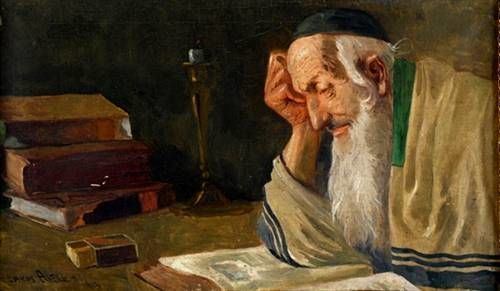
Judah ha-Nasi
 (יהודה הנשיא)
Prince (Nasi) of the Sanhedrin and chief editor of the Mishnah, who committed the Oral Torah to writing to ensure its preservation for all Jewish generations.