Public Figures & Cultural Luminaries
Filterable archive covering centuries of intellectual, artistic, and moral contributions to the human story.
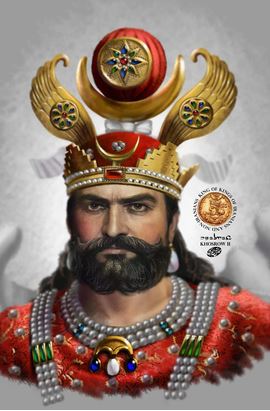
Khosrow II (خسرو پرویز (Khosrow the Victorious))
Last great King of Kings of the Sasanian Empire 'Parviz' (The Victorious), who conquered Syria, Palestine, Jerusalem, and Egypt from the Byzantine Empire, captured the True Cross, and presided over the golden age of Persian music, poetry, and art.
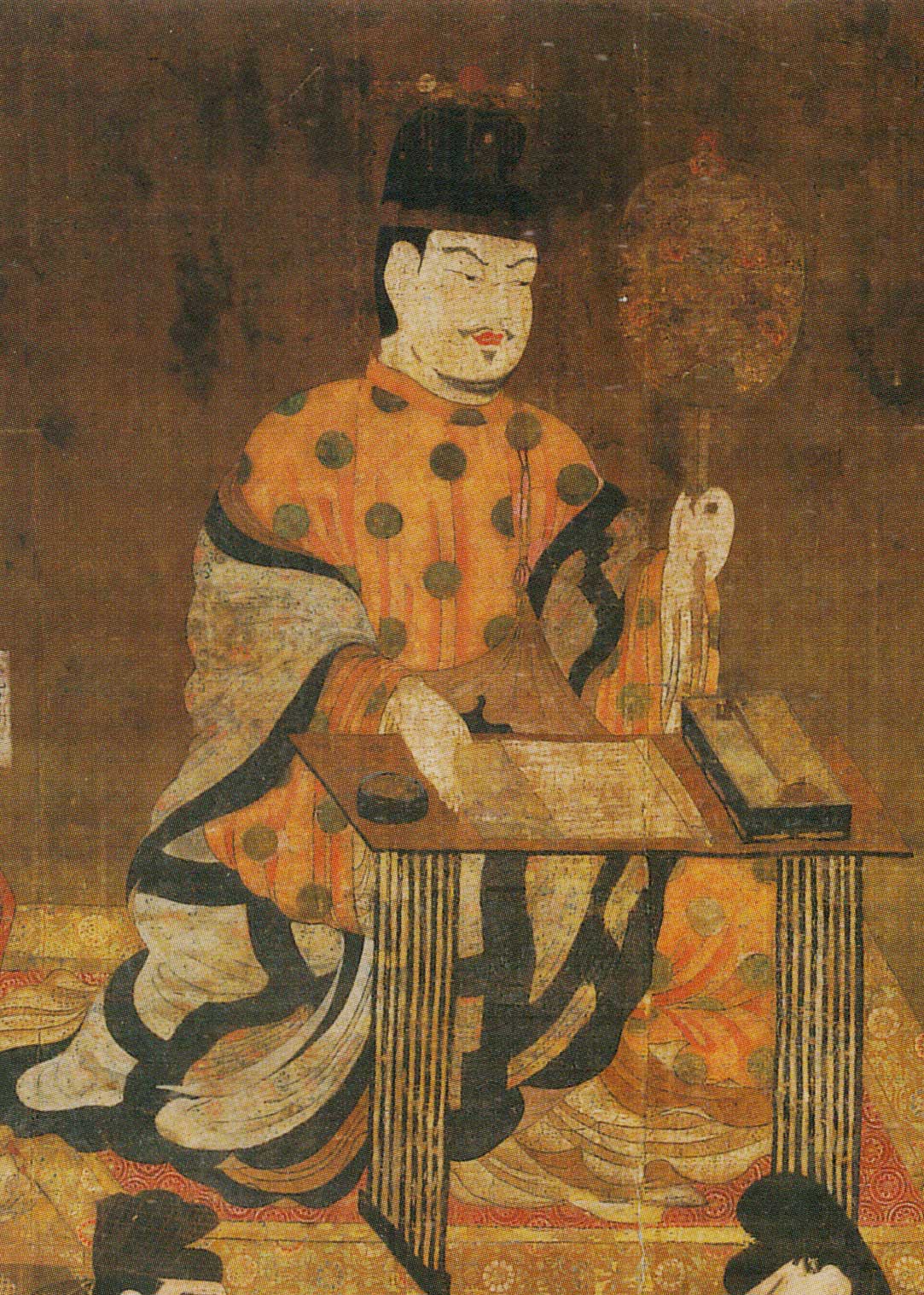
Prince Shotoku
 (聖徳太子 (厩戸皇子))
Semi-legendary regent and political reformer of Asuka-period Japan who drafted the Seventeen-Article Constitution, established the Twelve Level Cap and Rank System, and built Horyu-ji temple.
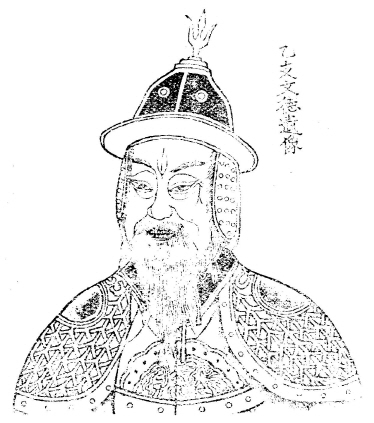
Eulji Mundeok
 (을지문덕)
Celebrated military commander of the Korean kingdom of Goguryeo who annihilated Emperor Yang of Sui's 305,000-man invasion force at the Battle of Salsu in 612 CE.
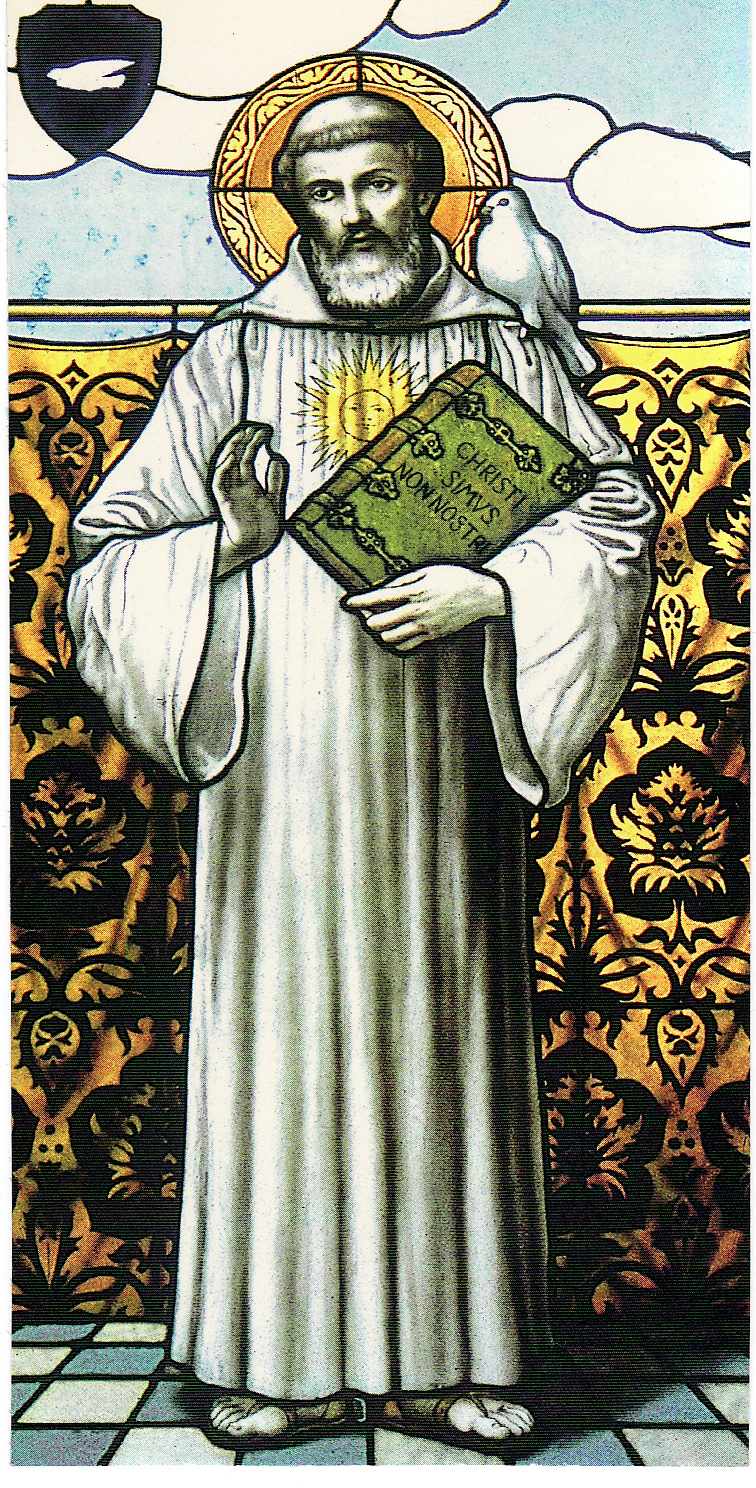
Columbanus
 (Columbanus)
Heroic Irish missionary monk who founded influential monasteries across the Frankish and Lombard kingdoms, including Luxeuil and Bobbio, revitalizing continental European spirituality.
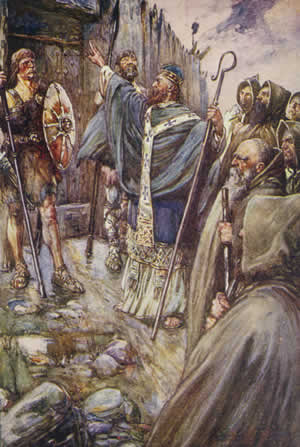
Columba of Iona
(Colm Cille)
Irish abbot and missionary who founded the legendary island monastery of Iona, converted the Picts of Scotland, and established the vibrant tradition of Celtic Christianity.
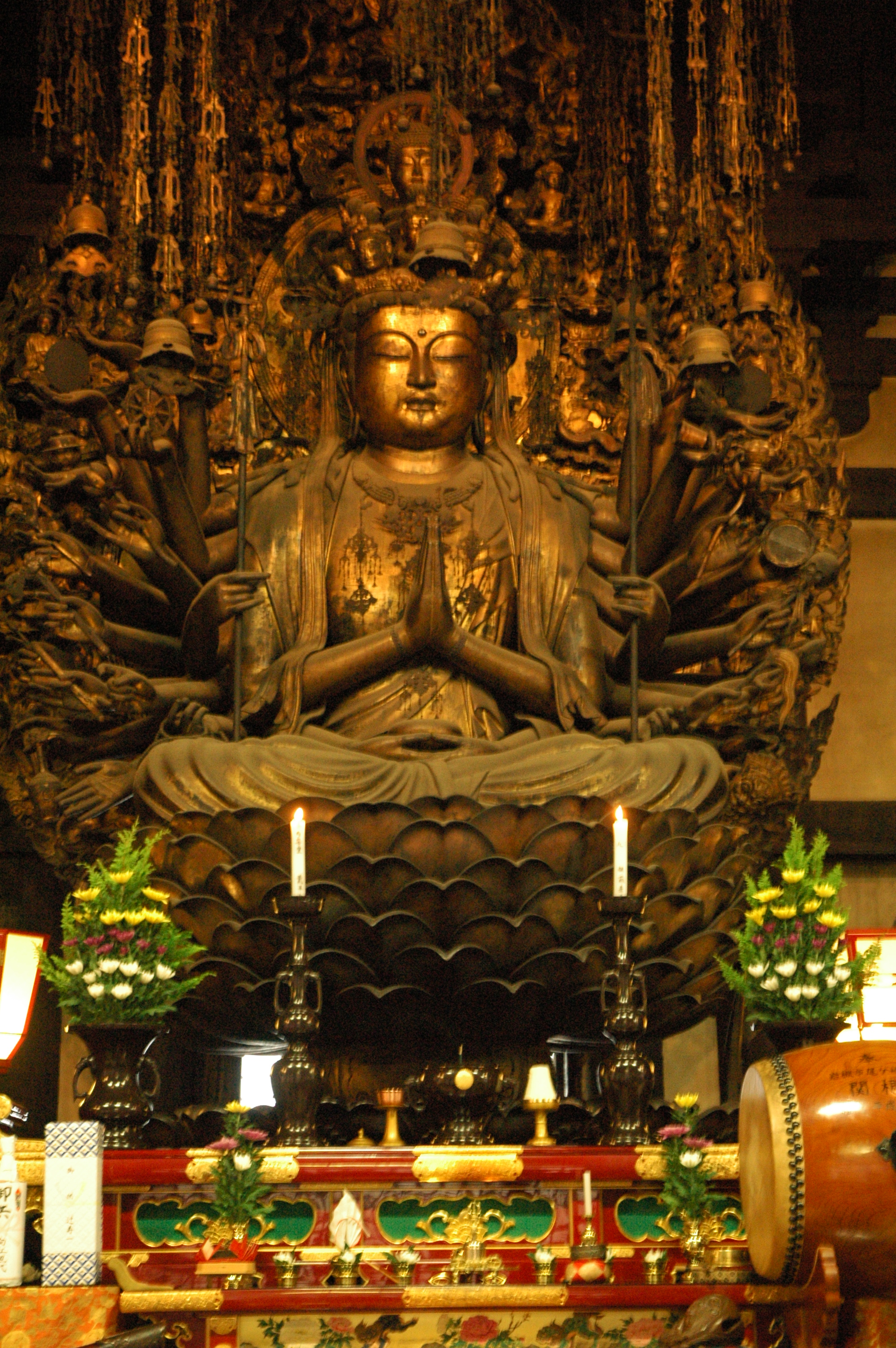
Zhiyi
 (智顗)
(智顗)
Founder of the Tiantai school of Chinese Buddhism whose 'Mohe Zhiguan' and 'Threefold Truth' harmonized all Buddhist scriptures under the supreme vehicle of the Lotus Sutra.
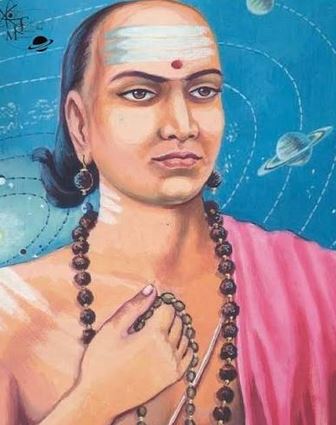
Varahamihira
 (वराहमिहिर)
One of the 'Nine Jewels' (Navaratnas) of King Yashodharman's court, who compiled the Panchasiddhantika and Brihat Samhita, pioneering trigonometry, hydrology, and optics.
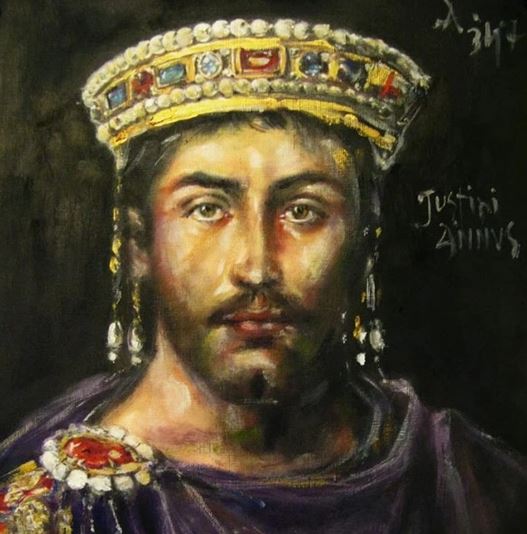
Justinian I (The Great / Flavius Petrus Sabbatius Iustinianus)
 (Φλάβιος Πέτρος Σαββάτιος Ἰουστινιανός)
Byzantine Emperor who codified Roman law into the Corpus Juris Civilis—the foundation of modern civil law across the world—re-conquered Italy and North Africa, and erected the awe-inspiring basilica of Hagia Sophia.
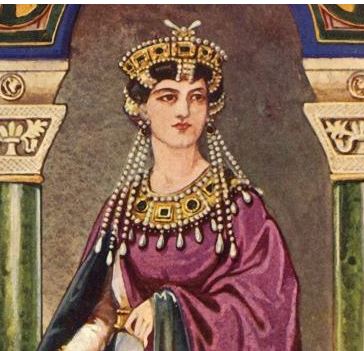
Empress Theodora of the Byzantine Empire
 (Θεοδώρα (Gift of God))
One of the most powerful and influential empresses in world history. Co-ruled the Byzantine Empire alongside Justinian I, championed groundbreaking legal rights for women regarding marriage and divorce, and saved the throne during the Nika riots.
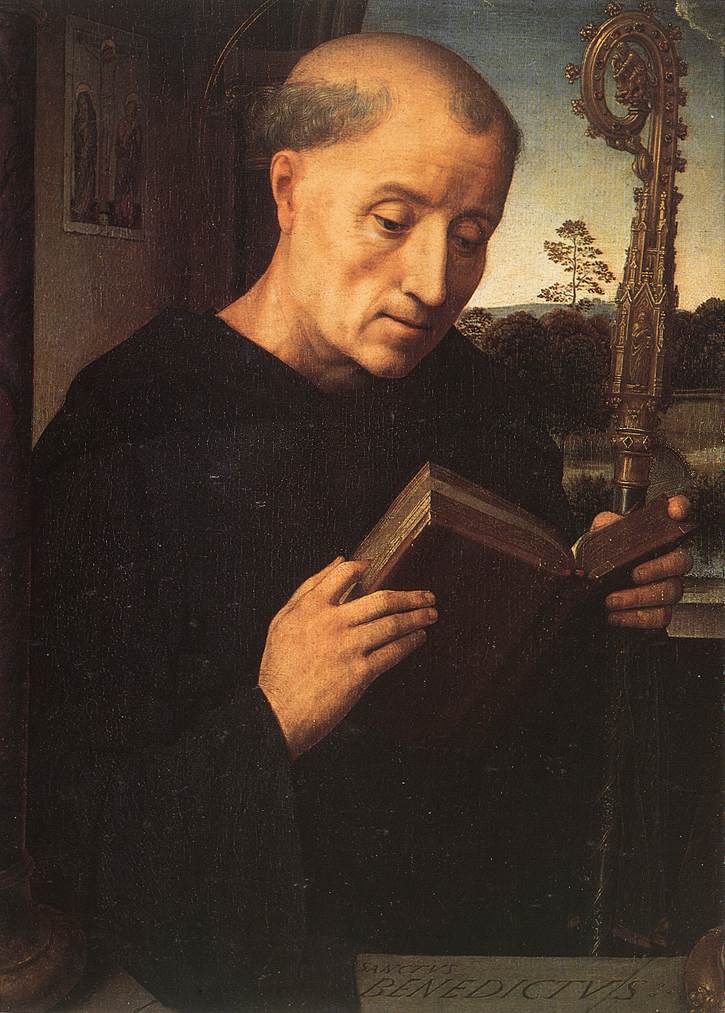
Benedict of Nursia
 (Benedictus de Nursia)
Father of Western Monasticism and patron saint of Europe whose 'Rule of Saint Benedict' balanced prayer and work ('Ora et Labora'), saving Western learning after the fall of Rome.
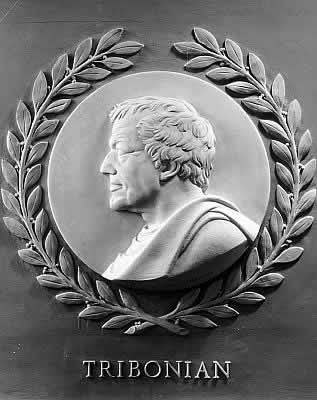
Tribonian
(Τριβωνιανός)
Master Byzantine jurist and quaestor under Emperor Justinian I who directed the codification of Roman law into the Corpus Juris Civilis, the bedrock of modern civil law.
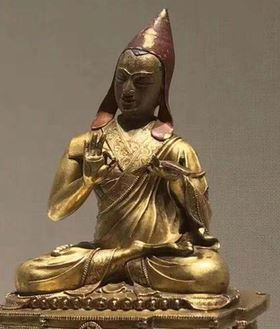
Dignaga (दिङ्नाग)
Father of Buddhist logic and epistemology whose masterwork 'Pramana-samuccaya' revolutionized Indian philosophy by establishing perception and inference as the two valid means of knowledge.
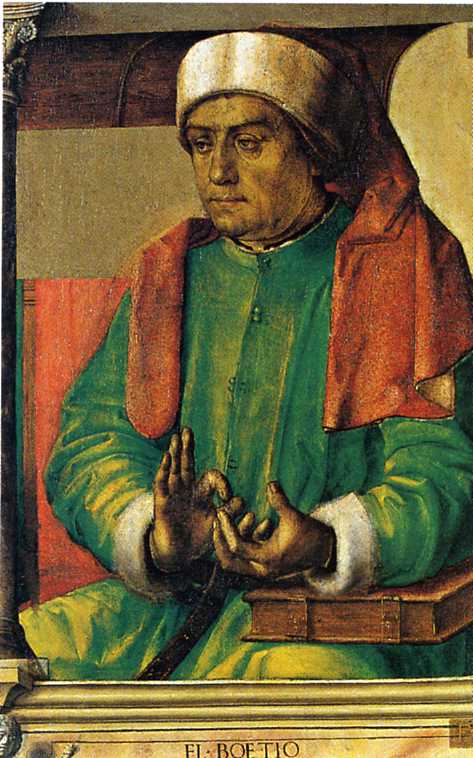
Boethius
(Anicius Manlius Severinus Boethius)
Roman philosopher and statesman who translated Aristotle into Latin and composed The Consolation of Philosophy while imprisoned awaiting execution, bridging antiquity and the Middle Ages.
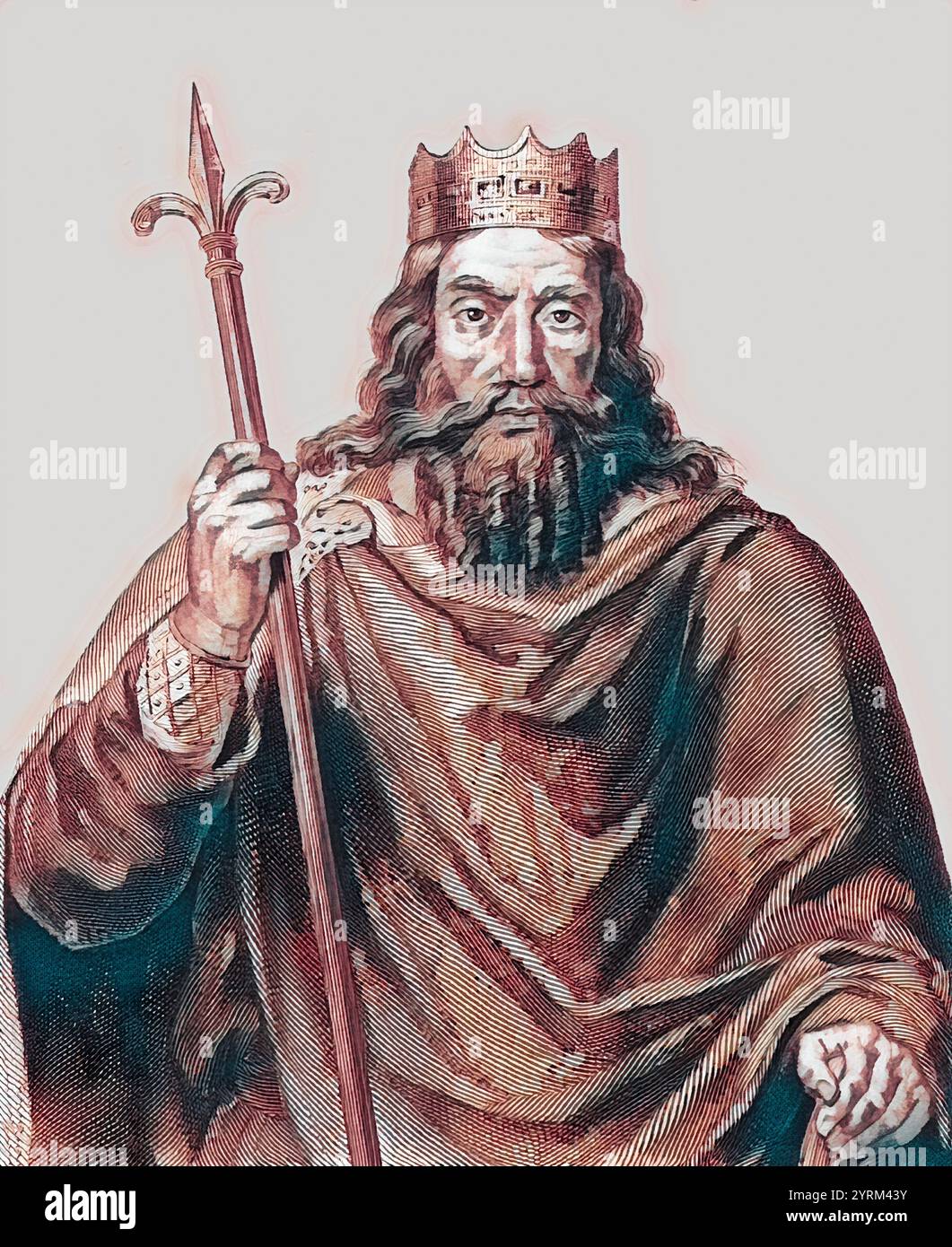
Clovis I
 (Chlodovechus (Clovis))
First King of the Franks to unite all Frankish tribes, founder of the Merovingian Dynasty, and first Catholic king of France.
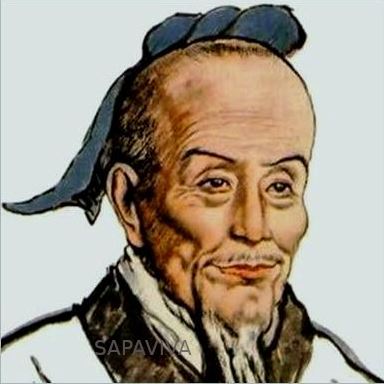
Zu Chongzhi
(祖沖之)
Chinese mathematician and astronomer who calculated Pi between 3.1415926 and 3.1415927—a world precision record that stood unbroken for nine centuries—and reformed the imperial calendar.
Ravina II (רבינא בר הונא)
Final Amora and co-redactor of the Babylonian Talmud alongside Rav Ashi, whose death marked the historic conclusion of the Talmudic era ('Sof Hora'ah').
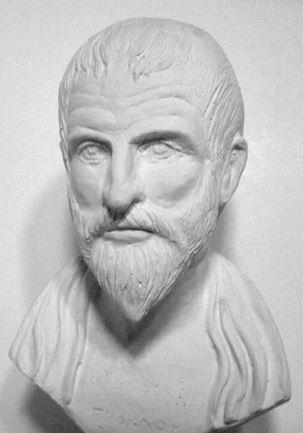
Proclus (Πρόκλος ὁ Διάδοχος)
Late classical Greek Neoplatonist philosopher known as 'The Successor' (Diadochus) who systematized Neoplatonism in The Elements of Theology and preserved ancient Euclid commentary.

Leonidas I of Sparta (Hero of Thermopylae)
 (Λεωνίδας (Son of the Lion))
King of Sparta whose heroic stand with 300 Spartans and Greek allies against Xerxes I's Persian army at Thermopylae became humanity's eternal symbol of patriotic sacrifice, constitutional duty, and unyielding defense of freedom.