Public Figures & Cultural Luminaries
Filterable archive covering centuries of intellectual, artistic, and moral contributions to the human story.
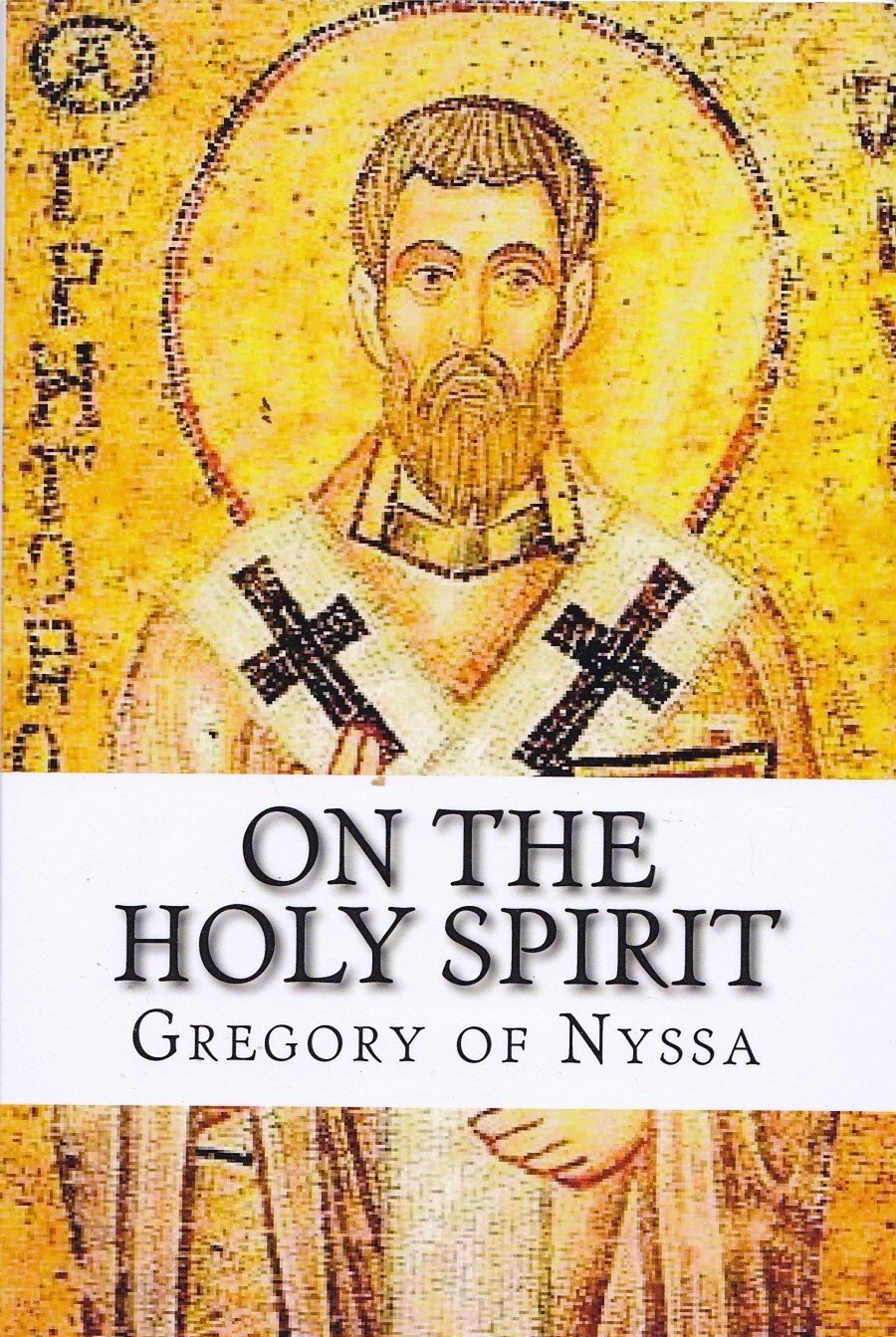
Gregory of Nyssa
 (Γρηγόριος Νύσσης)
Cappadocian Father and mystical philosopher who integrated Christian metaphysics with the doctrine of epektasis, the endless spiritual journey into divine love.
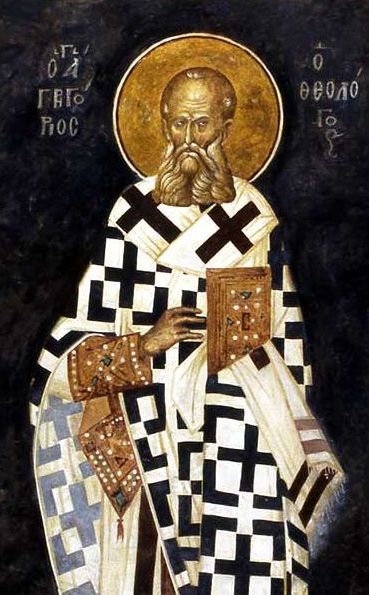
Gregory of Nazianzus
(Γρηγόριος ὁ Ναζιανζηνός)
Cappadocian Father, Archbishop of Constantinople, and supreme poet-theologian whose Five Theological Orations shaped Nicene Trinitarian orthodoxy in 381.
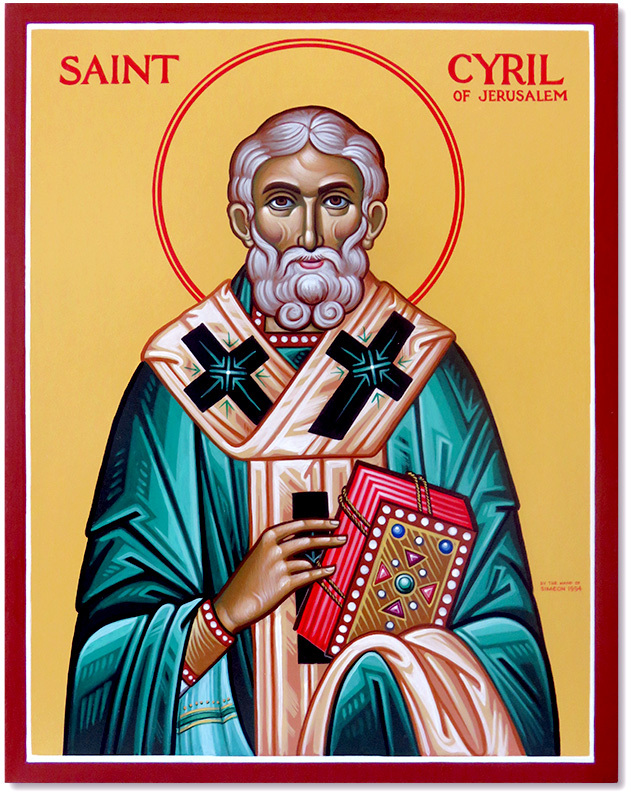
Cyril of Jerusalem
 (Κύριλλος Ἱεροσολύμων)
Bishop of Jerusalem and Doctor of the Church whose Catechetical Lectures preserve the most complete fourth-century account of Christian baptism and liturgy.
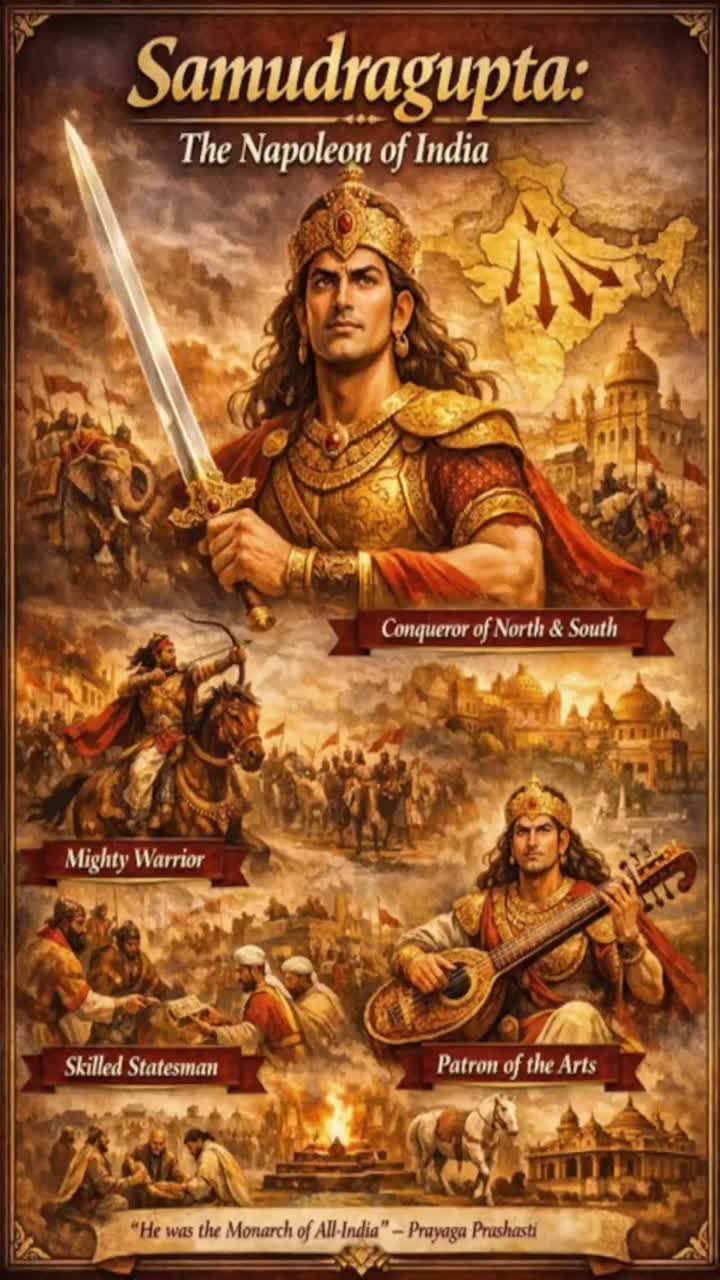
Samudragupta (Napoleon of India)
 (समुद्रगुप्त)
Greatest conqueror of the Gupta Empire whose undefeated military campaigns and patronage of arts and music ushered in India's Golden Age.
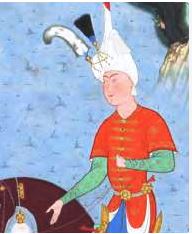
Shapur II (شاپور دوم (شاهپور ذوالأکتاف))
Tenth King of Kings of the Sasanian Empire (309–379 CE) whose reign spanned seventy years—having been crowned before birth—who defeated Roman Emperor Julian at the Battle of Samarra and expanded the Sasanian golden age from Mesopotamia to Central Asia.
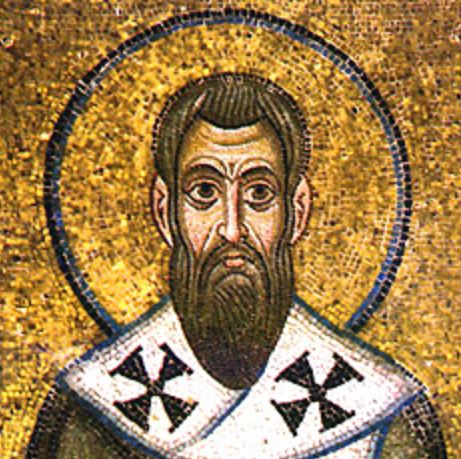
Basil of Caesarea (Basil the Great)
(Βασίλειος Καισαρείας)
Leading Cappadocian Father who consolidated the doctrine of the Holy Trinity (one ousia, three hypostases), authored enduring communal monastic rules, and erected the Basileiad—humanity's first comprehensive welfare hospital.
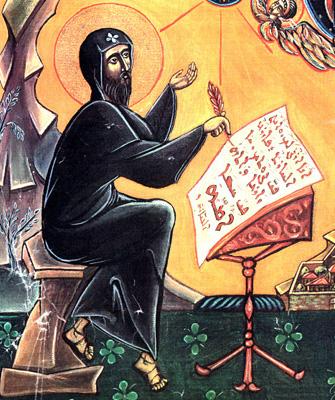
Ephrem the Syrian
(ܐܦܪܝܡ ܣܘܪܝܝܐ)
Syriac poet, deacon, and Doctor of the Church who composed sublime theological hymns (madrashe) defending orthodox Christology and veneration of Mary.
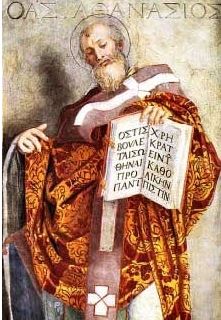
Athanasius I of Alexandria (Athanasius the Great)
 (Ἀθανάσιος Ἀλεξανδρείας)
Twentieth Patriarch of Alexandria celebrated as the "Champion of Orthodoxy" (Athanasius contra mundum). Steadfastly defended the divinity of Christ and the Nicene Creed against Arianism through five imperial exiles.
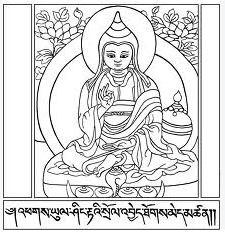
Asanga (असंग)
Great Gandharan Buddhist master who with his brother Vasubandhu founded the Yogacara (Vijnanavada / Mind-Only) school of Mahayana Buddhism, authoring the 'Yogacarabhumi-Sastra'.
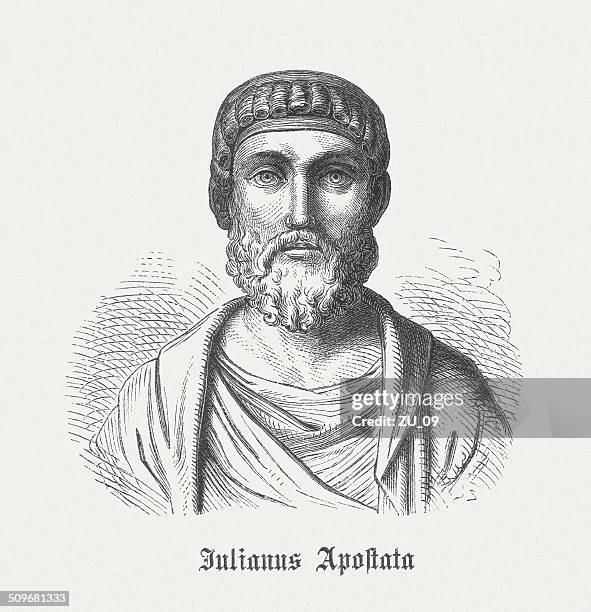
Julian (Julian the Apostate)
(Flavius Claudius Julianus Augustus)
Roman Emperor, intellectual, and philosopher-general who was the last non-Christian ruler of the Roman Empire.
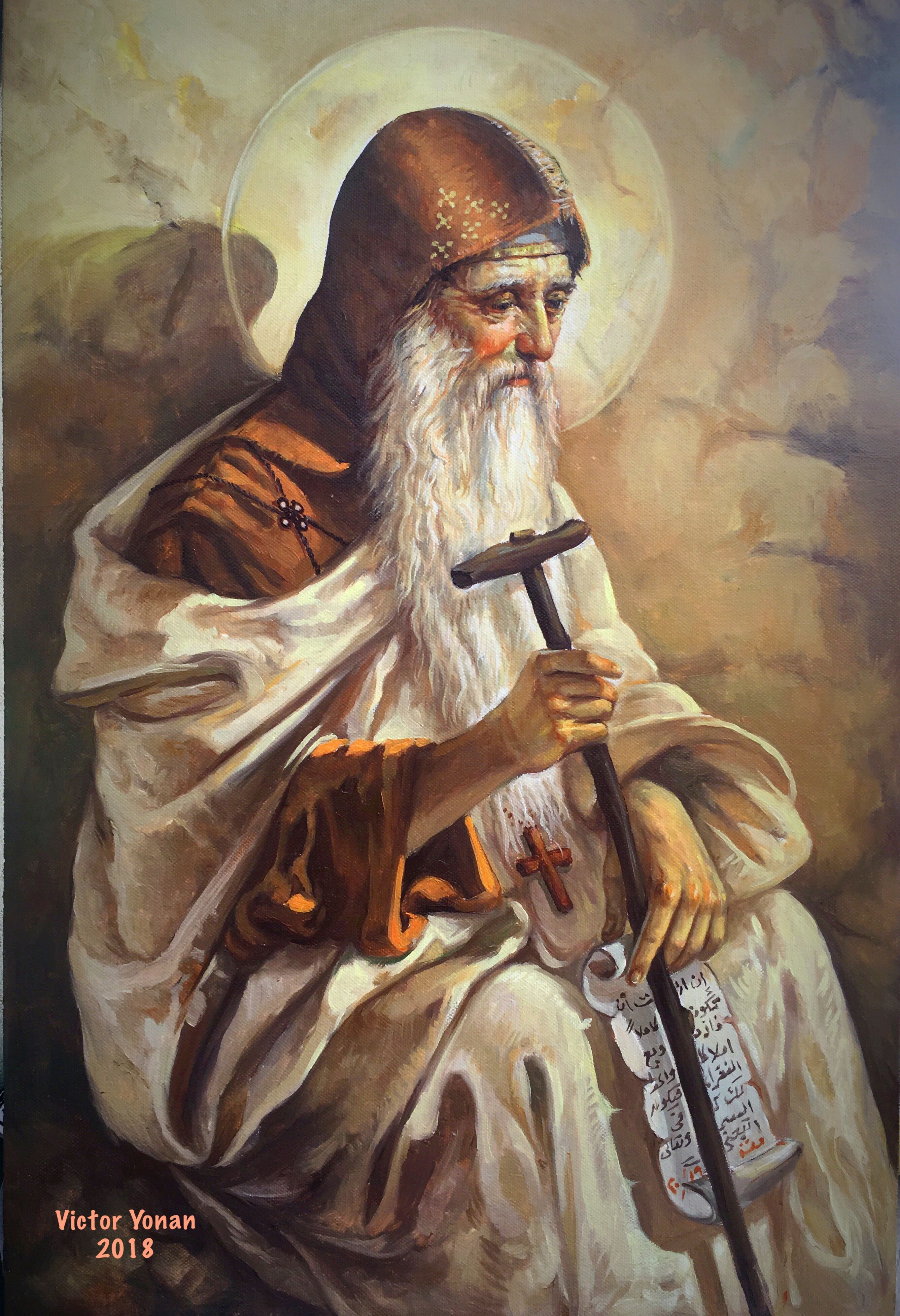
Anthony the Great
(Ἀντώνιος ὁ Μέγας)
Father of Christian monasticism whose radical asceticism in the Egyptian desert inspired generations of contemplatives and was chronicled by Athanasius.
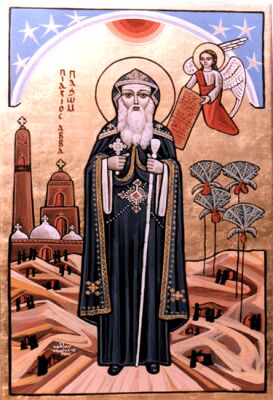
Pachomius the Great
(Παχώμιος)
Egyptian desert father who founded Christian cenobitic (communal) monasticism, composing the first written monastic rule that influenced Benedict and Basil.
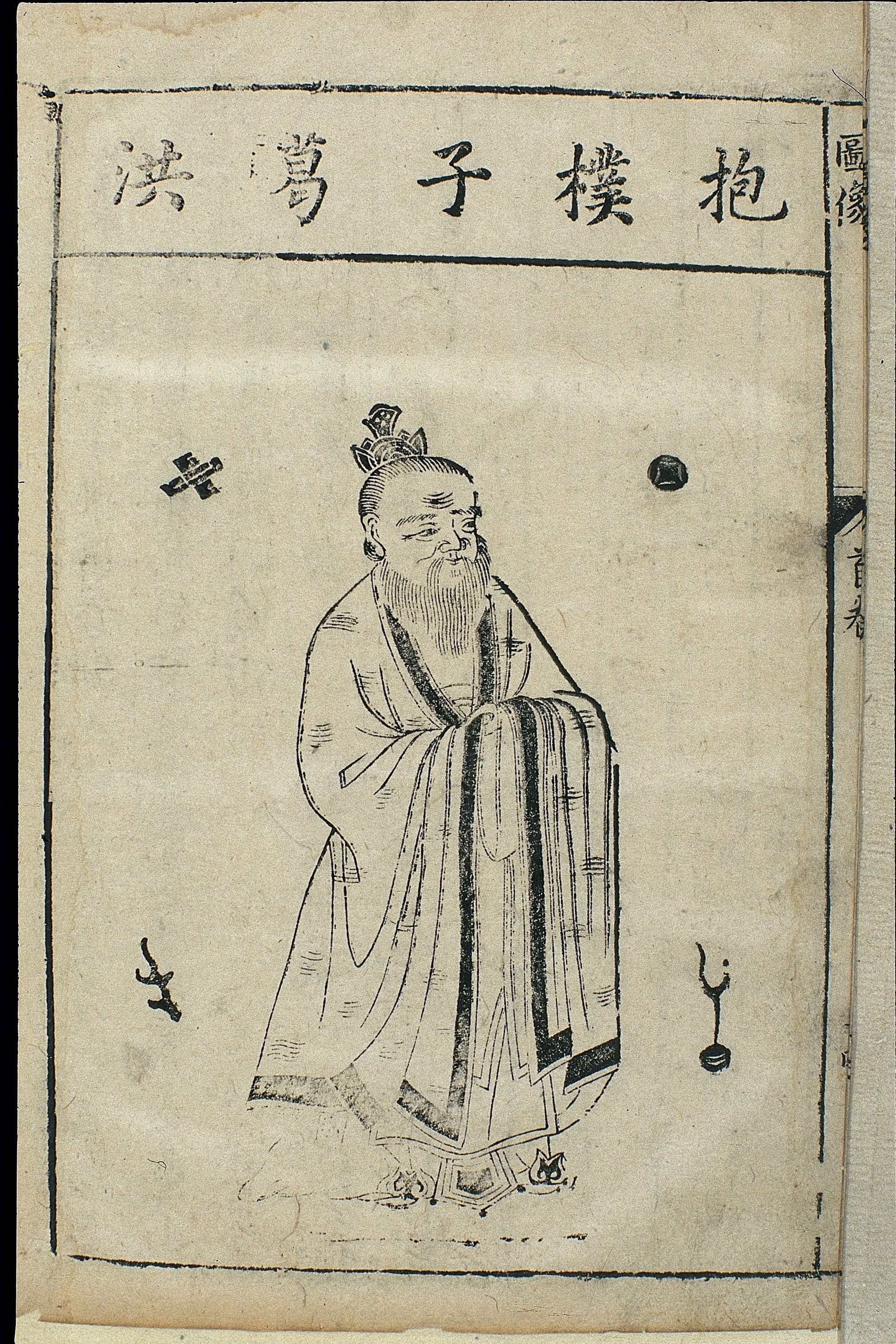
Ge Hong
 (葛洪)
(葛洪)
Jin Dynasty Daoist philosopher, alchemist, and physician whose masterwork 'Baopuzi' harmonized Confucian social ethics with Daoist inner alchemy and medical science.
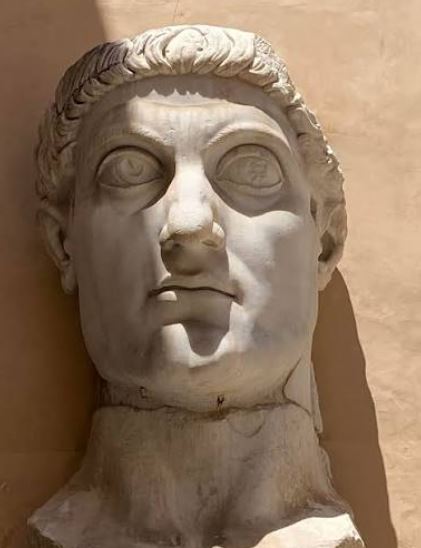
Flavius Valerius Constantinus (Constantine the Great)
 (Flavius Valerius Constantinus)
Transformative Roman Emperor who legalized Christianity with the Edict of Milan (313 CE), convened the Council of Nicaea (325 CE), and relocated the capital of the Roman Empire to New Rome (Constantinople).
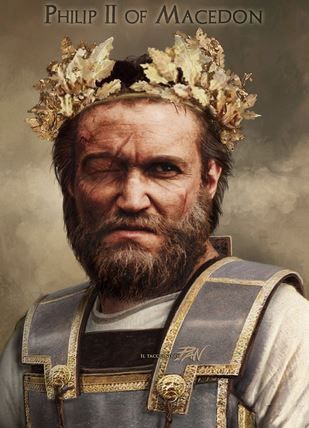
Philip II of Macedon (Father of Alexander)
 (Φίλιππος Β΄ ὁ Μακεδών)
Visionary King of Macedon and father of Alexander the Great. Revolutionized Greek warfare by inventing the sarissa-armed Macedonian phalanx and united the fragmented Greek city-states under the League of Corinth.
Rabba bar Nahmani (רבה בר נחמני)
Head of the Pumbedita Academy renowned as an 'Uprooter of Mountains' (Oker Harim) for his sharp dialectical genius and devotion to studying ritual purity laws.
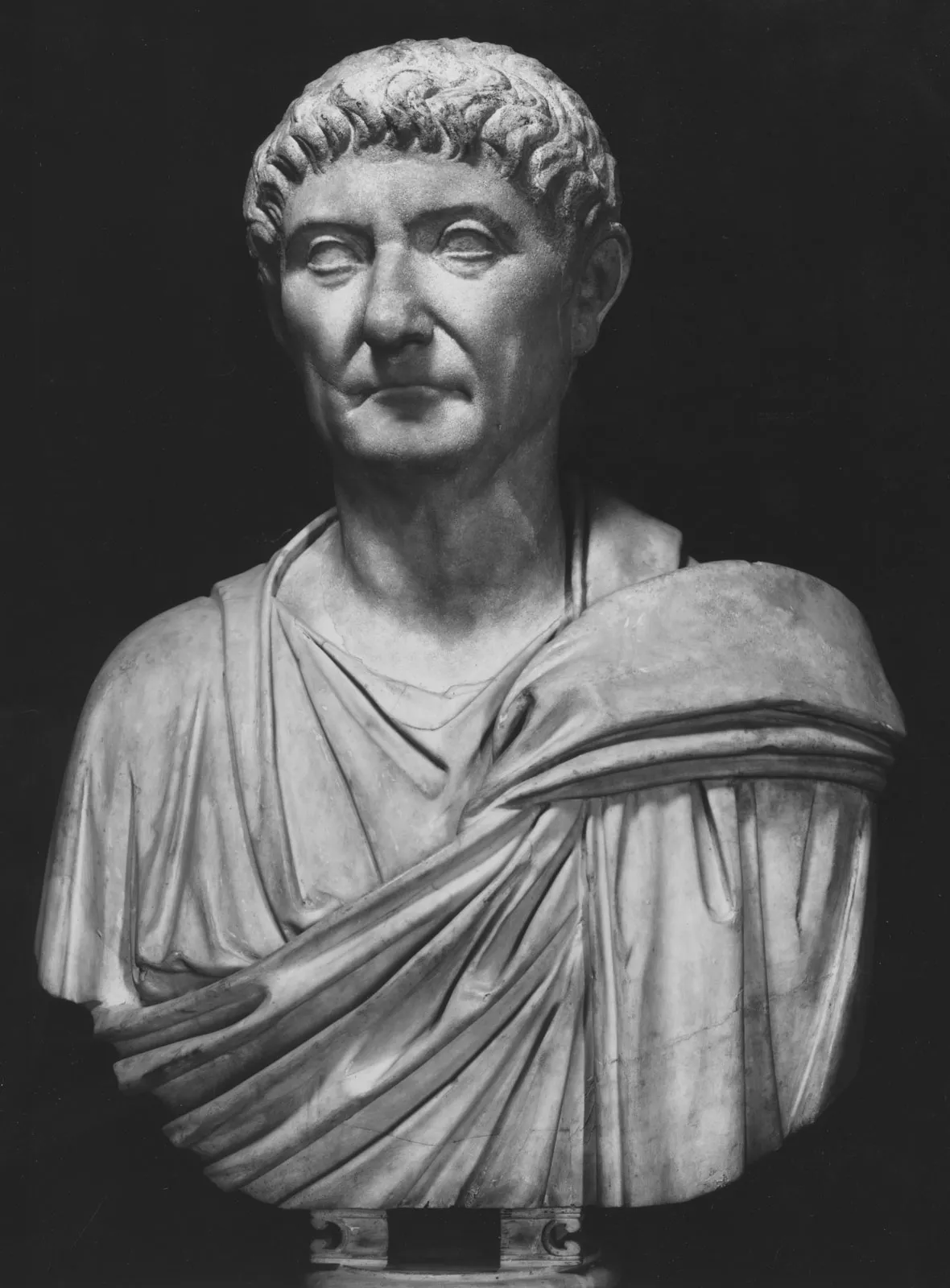
Diocletian
 (Gaius Aurelius Valerius Diocletianus)
Roman emperor who ended the Crisis of the Third Century, instituted the Tetrarchy, and was the only Roman emperor to voluntarily abdicate.
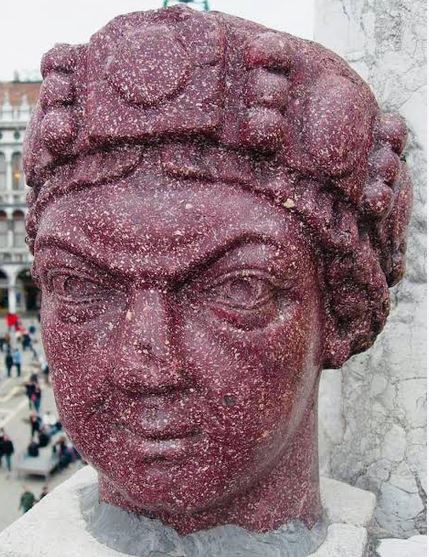
Porphyry
 (Πορφύριος)
Phoenician-born Neoplatonist philosopher who edited and published Plotinus's Enneads and wrote the Isagoge, whose 'Tree of Porphyry' became the standard introduction to logic for over a millennium.