Public Figures & Cultural Luminaries
Filterable archive covering centuries of intellectual, artistic, and moral contributions to the human story.
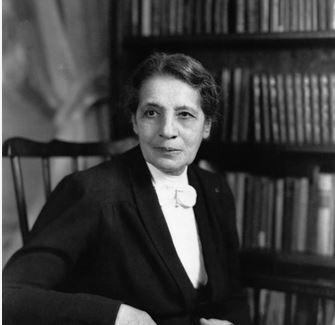
Lise Meitner
 (Lise Meitner)
Austrian-Swedish nuclear physicist who co-discovered nuclear fission and formulated its theoretical explanation using E = mc², opening the atomic era, honored by chemical element 109 (meitnerium).
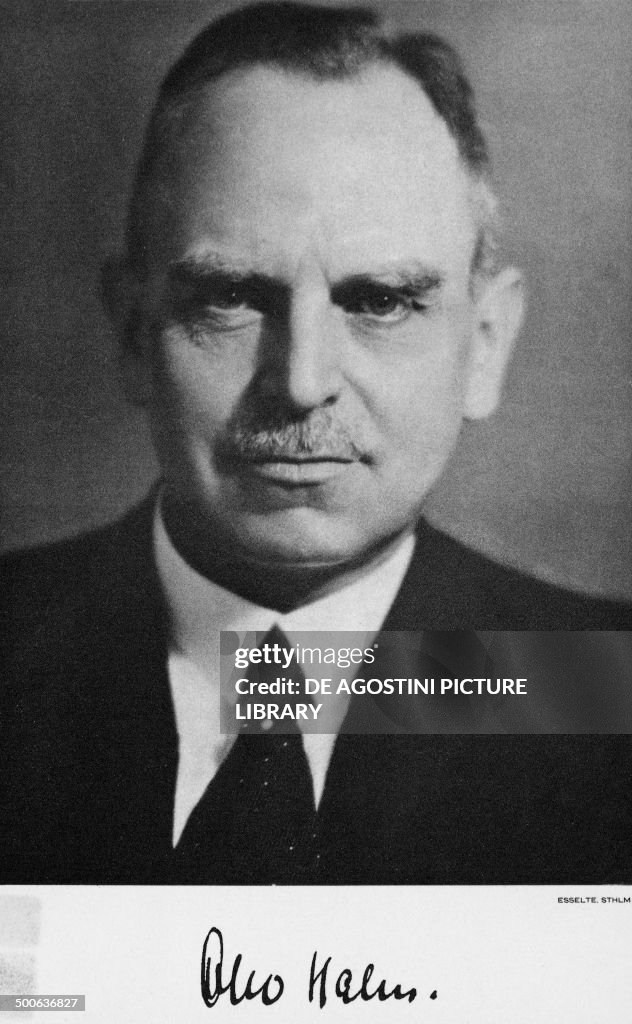
Otto Hahn
 (Otto Hahn)
German chemist regarded as the 'father of nuclear chemistry' who discovered nuclear fission with Fritz Strassmann in 1938.
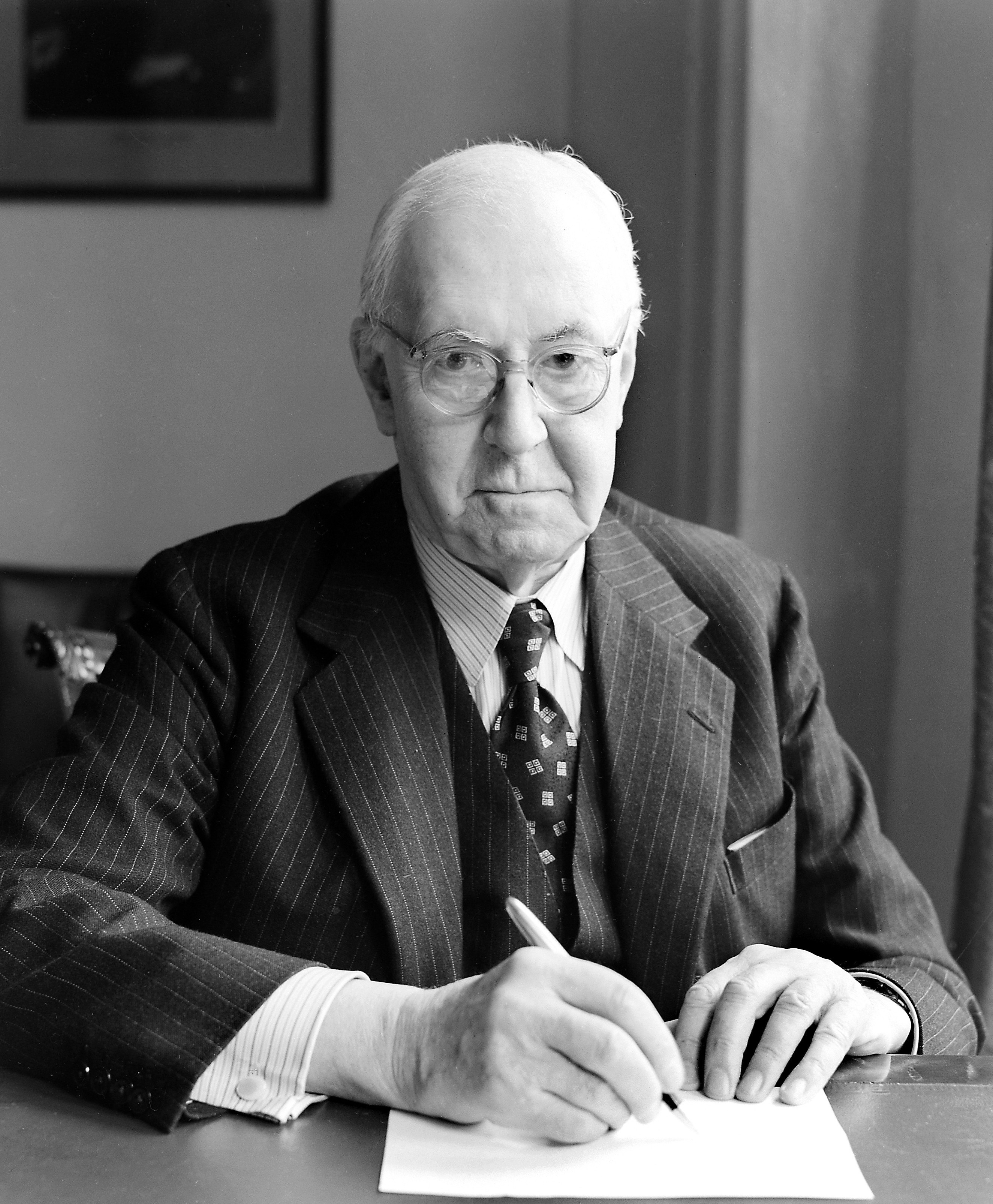
Henry Dale
 (Sir Henry Hallett Dale)
English pharmacologist who won the 1932 Nobel Prize in Medicine for identifying acetylcholine as the neurotransmitter of the parasympathetic and voluntary nervous systems, and formulated 'Dale's Principle' of neuronal transmission.
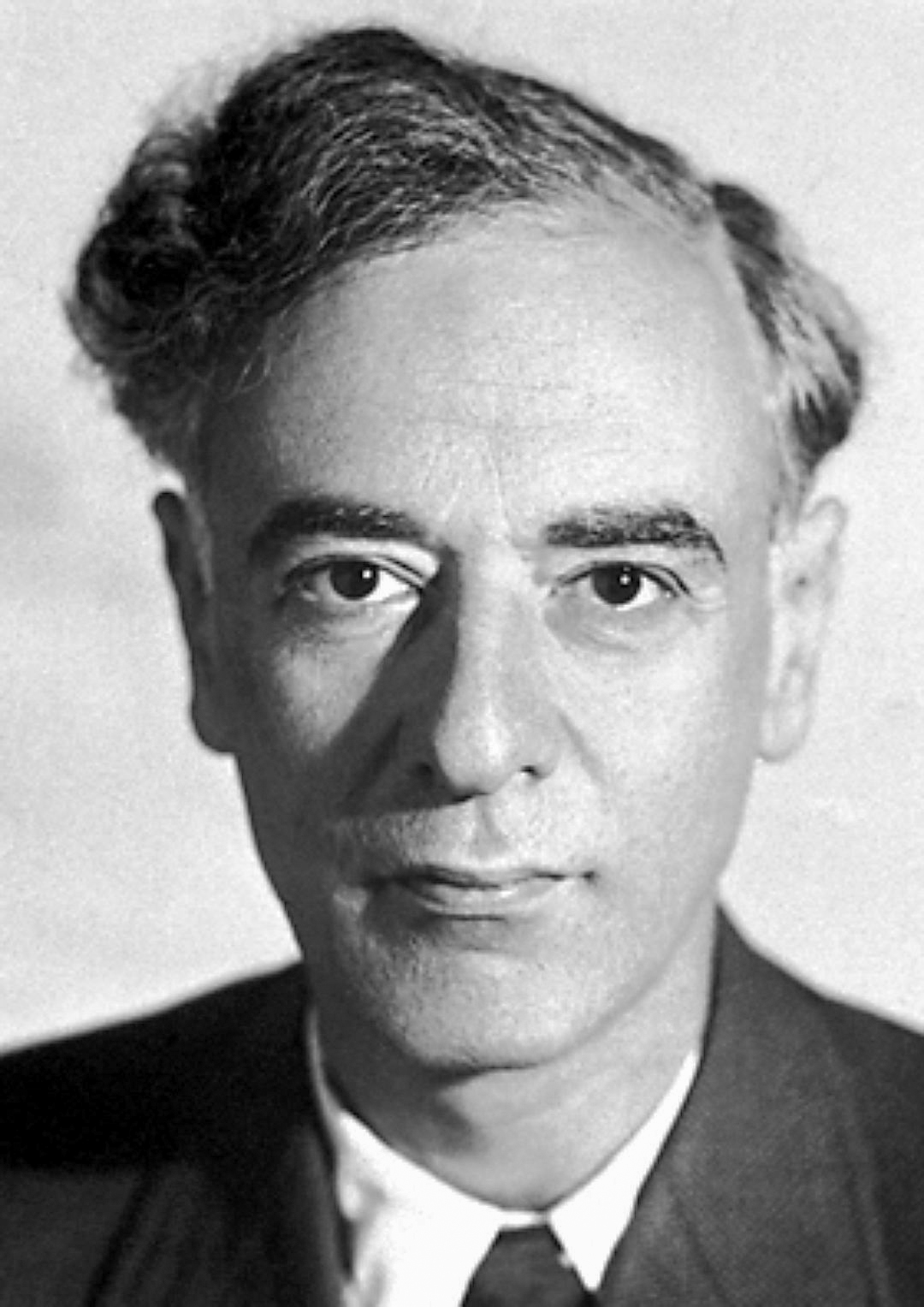
Lev Landau (Лев Давидович Ландау)
Legendary Soviet theoretical physicist whose genius spanned superfluidity, superconductivity, Fermi liquid theory, and plasma physics, authoring the monumental Course of Theoretical Physics.
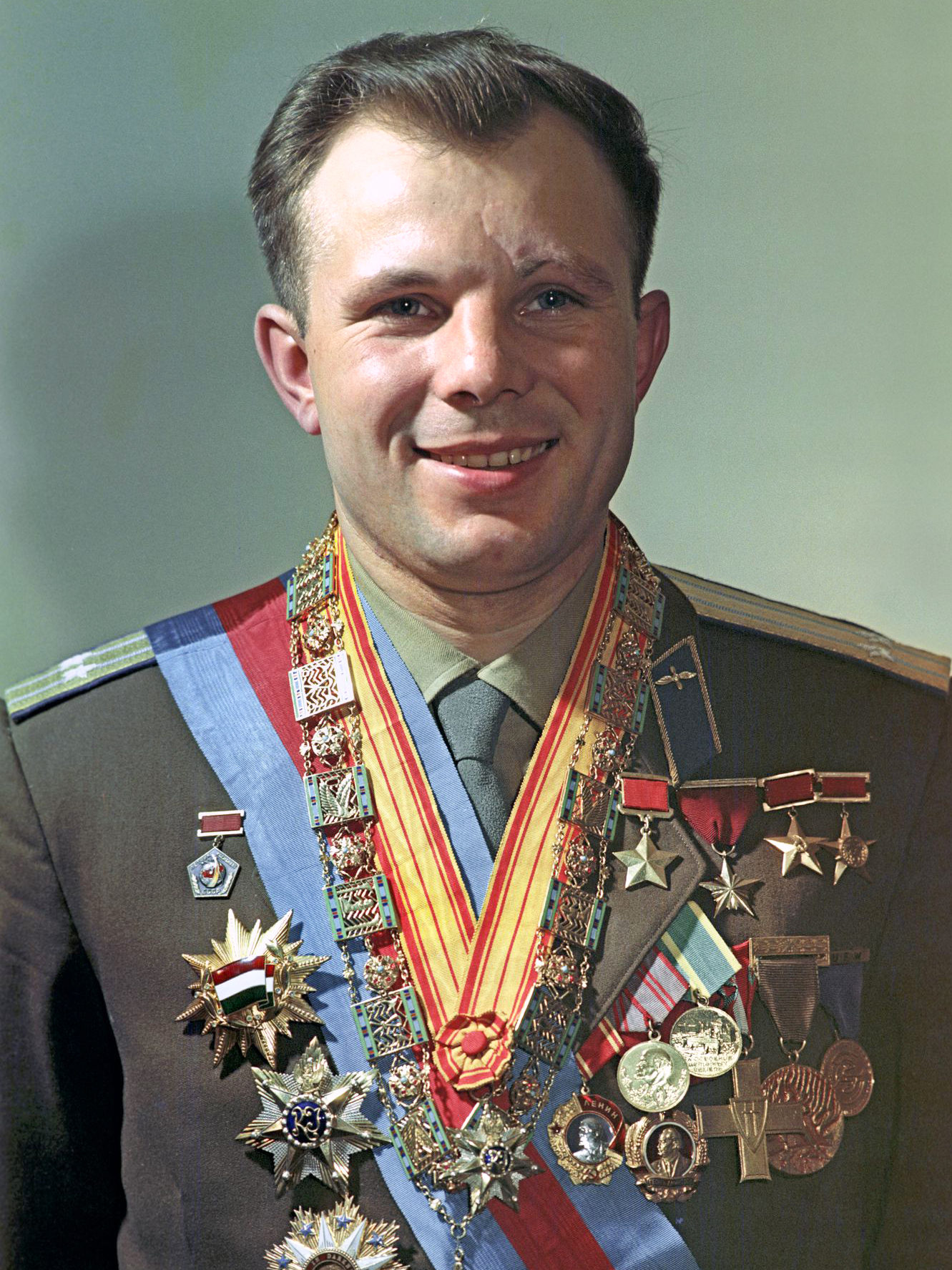
Yuri Gagarin
 (Юрий Алексеевич Гагарин)
Soviet cosmonaut who became the first human to journey into outer space and orbit the Earth aboard Vostok 1 in 1961.
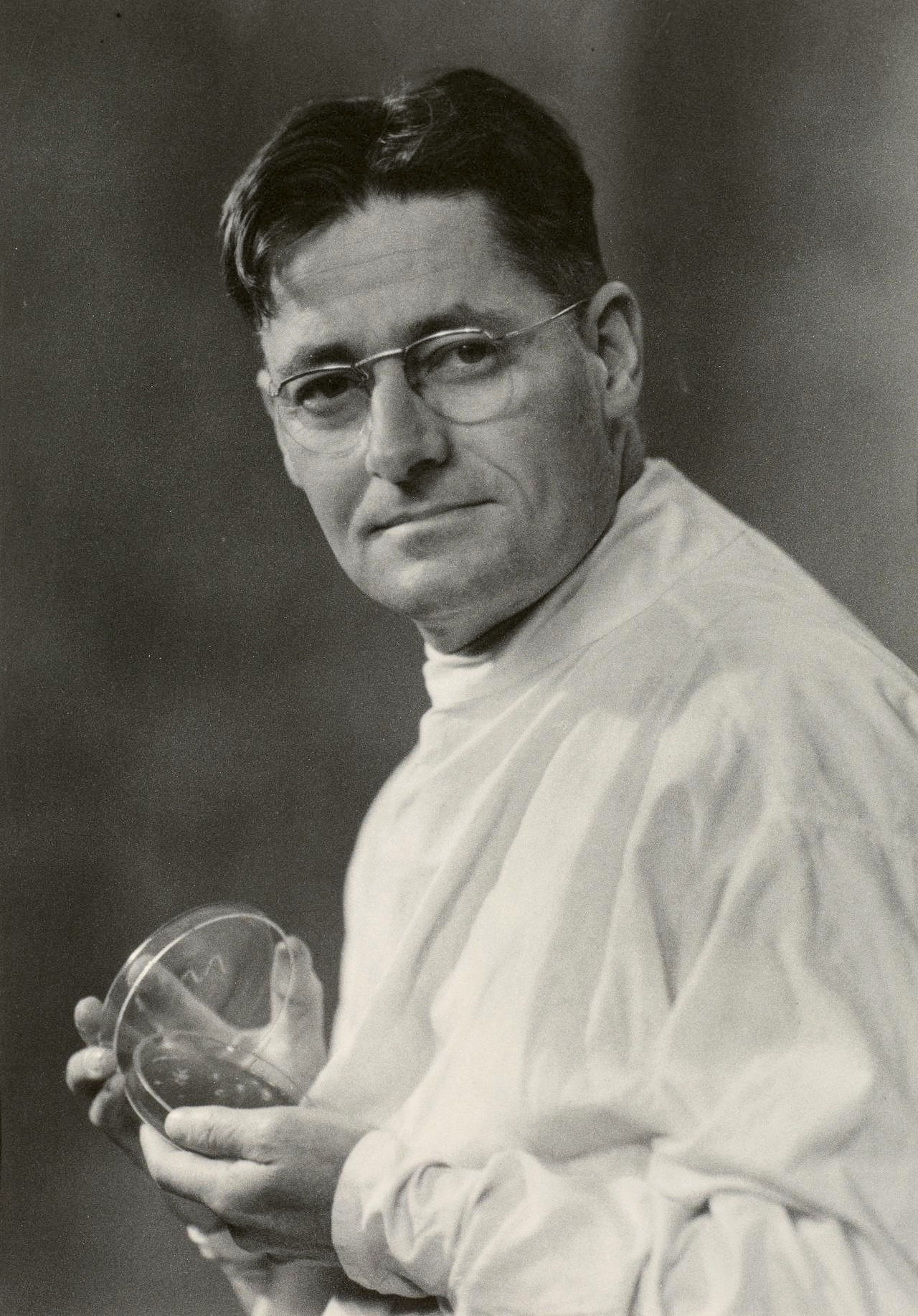
Howard Florey
 (Howard Walter Florey, Baron Florey)
Australian pathologist and pharmacologist who transformed penicillin from a laboratory curiosity into a mass-produced, lifesaving antibiotic.
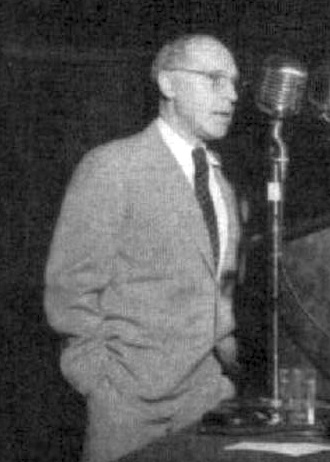
Hermann J. Muller
 (Hermann Joseph Muller)
American geneticist who won the 1946 Nobel Prize in Medicine for discovering that X-ray radiation induces artificial genetic mutations, launching radiation genetics and leading the global scientific crusade against nuclear fallout.
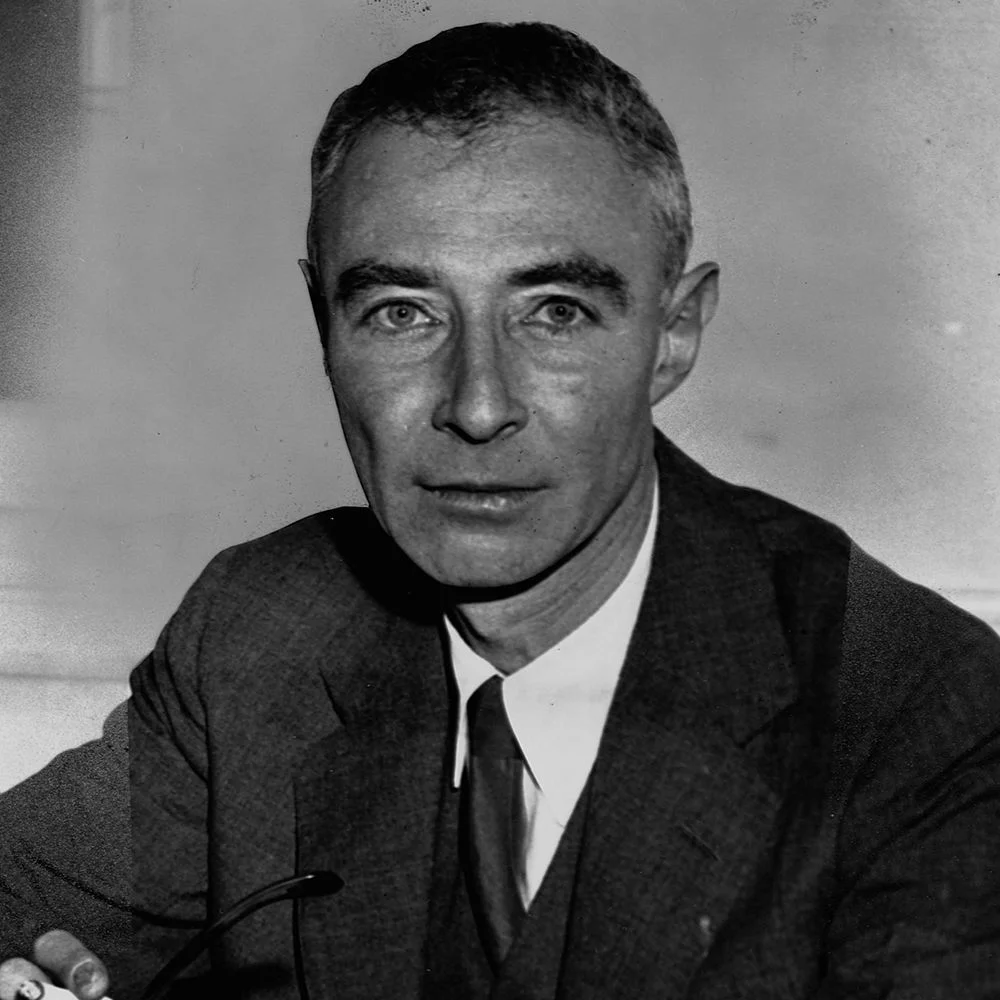
J. Robert Oppenheimer
(Julius Robert Oppenheimer)
Theoretical physicist and wartime director of the Los Alamos Laboratory, revered as the 'father of the atomic bomb'.
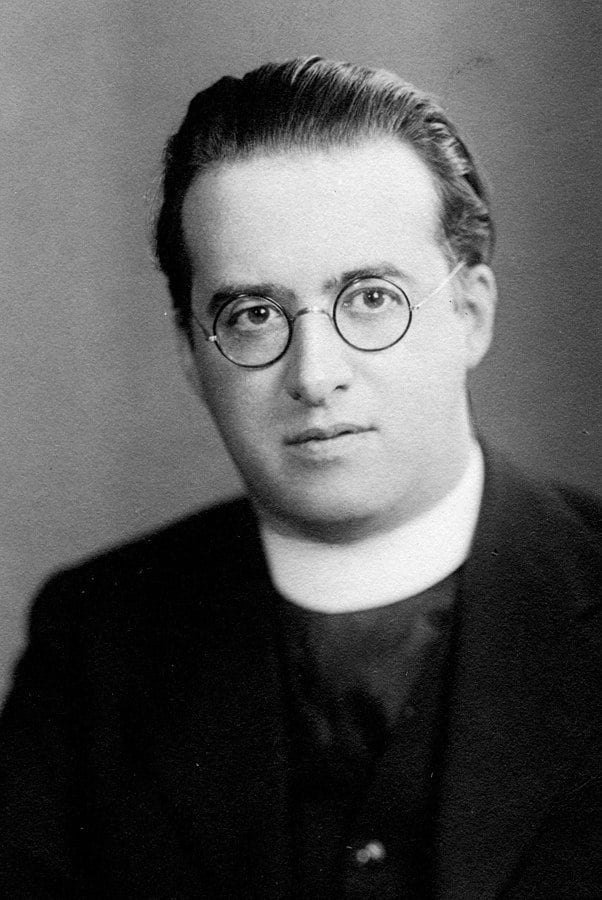
Georges Lemaître
 (Georges Henri Joseph Édouard Lemaître)
Belgian Catholic priest, astronomer, and cosmologist who proposed the Big Bang theory of the universe.
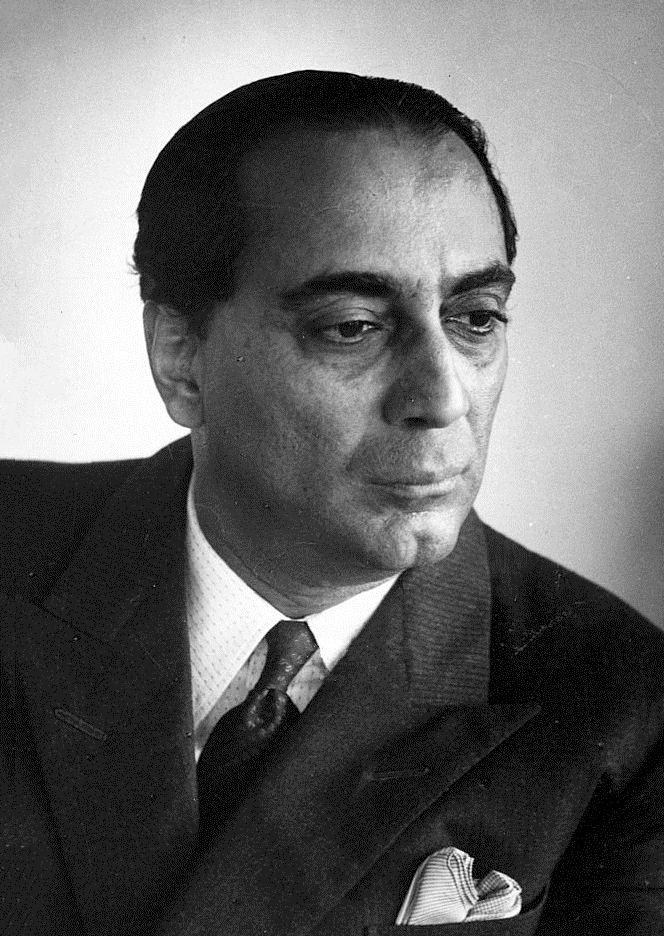
Homi Jehangir Bhabha
 (होमी जहांगीर भाभा)
Indian nuclear physicist widely acclaimed as the father of the Indian nuclear program, who formulated India's three-stage nuclear power strategy and founded TIFR.
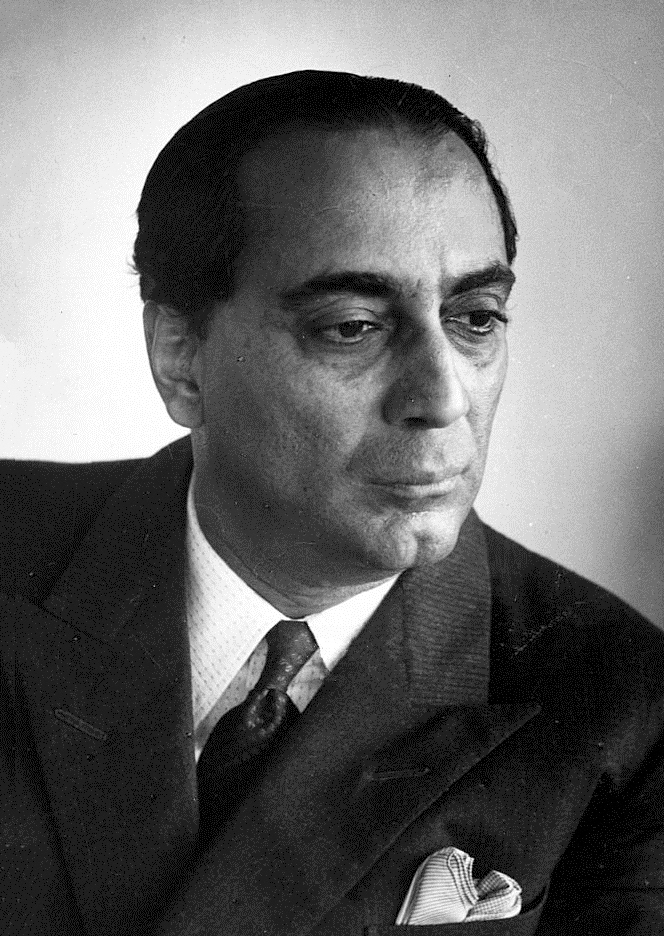
Homi J. Bhabha
(Homi Jehangir Bhabha)
Visionary Indian nuclear physicist acclaimed as the 'Father of the Indian Nuclear Programme', who formulated the relativistic electron-positron scattering formula (Bhabha Scattering) and designed India's three-stage nuclear power strategy.
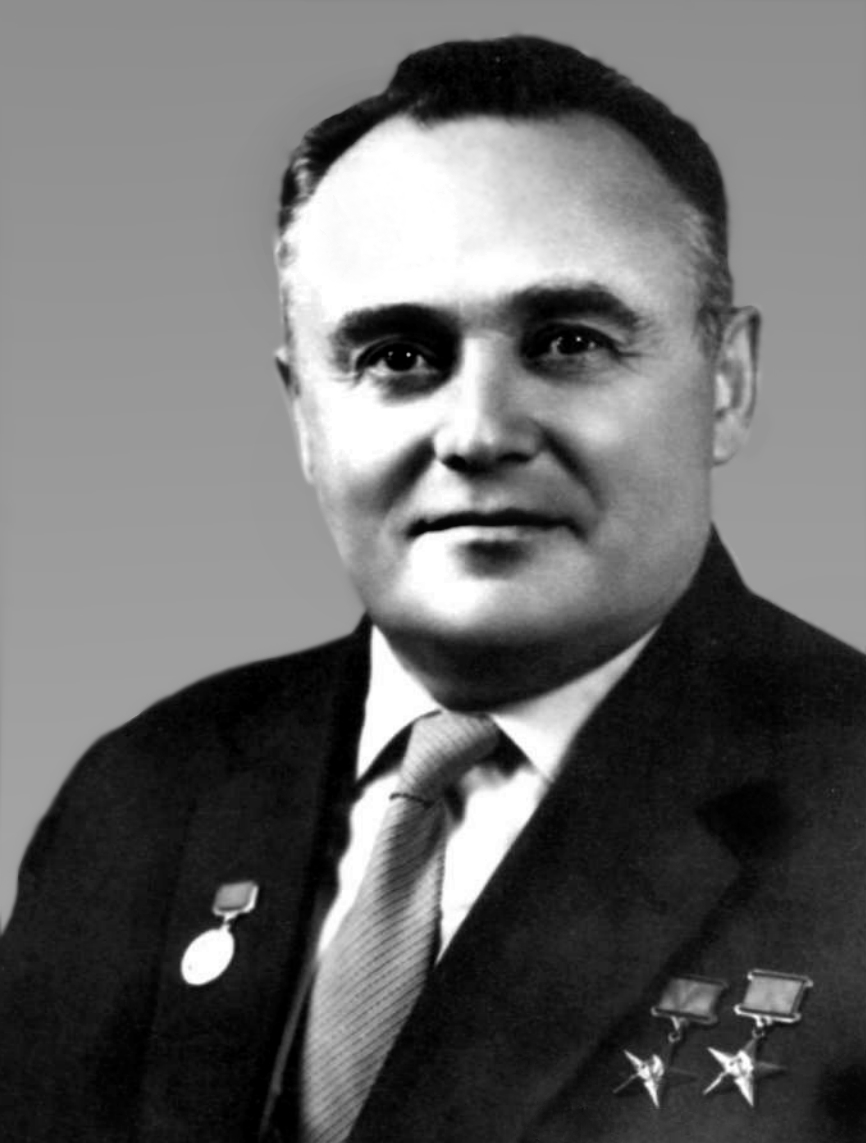
Sergei Korolev
 (Сергей Павлович Королёв)
Legendary Soviet 'Chief Designer' who orchestrated the launches of Sputnik 1, the first dog Laika, and Yuri Gagarin.
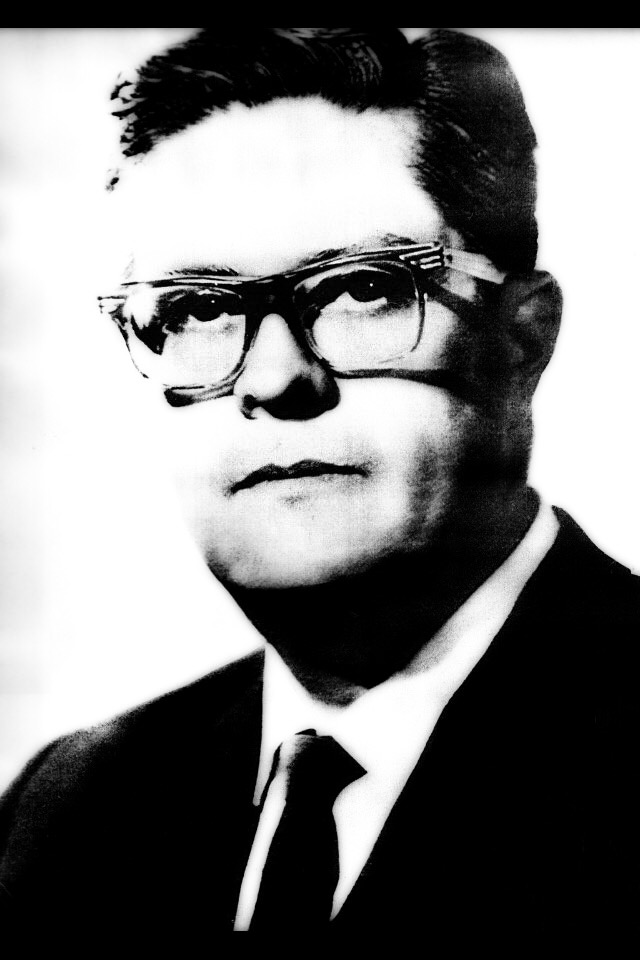
Guillermo Gonzalez Camarena
 (Guillermo González Camarena)
Mexican electrical engineer who invented the chromoscopic adapter for television equipment in 1940, creating an early color television transmission system later adopted by NASA on Voyager missions.
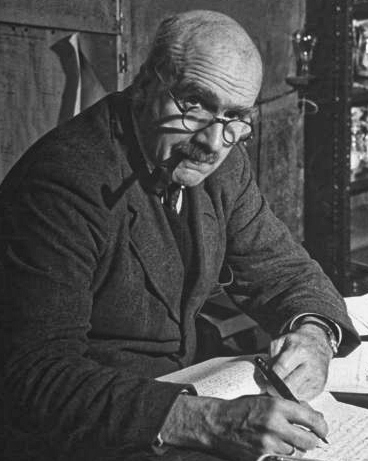
J. B. S. Haldane
(John Burdon Sanderson Haldane)
Brilliant British-Indian polymath who co-founded population genetics, formulated 'Haldane's Rule' on hybrid sterility, co-conceived the Primordial Soup theory for the origin of life, and famously quipped that God possessed 'an inordinate fondness for beetles'.
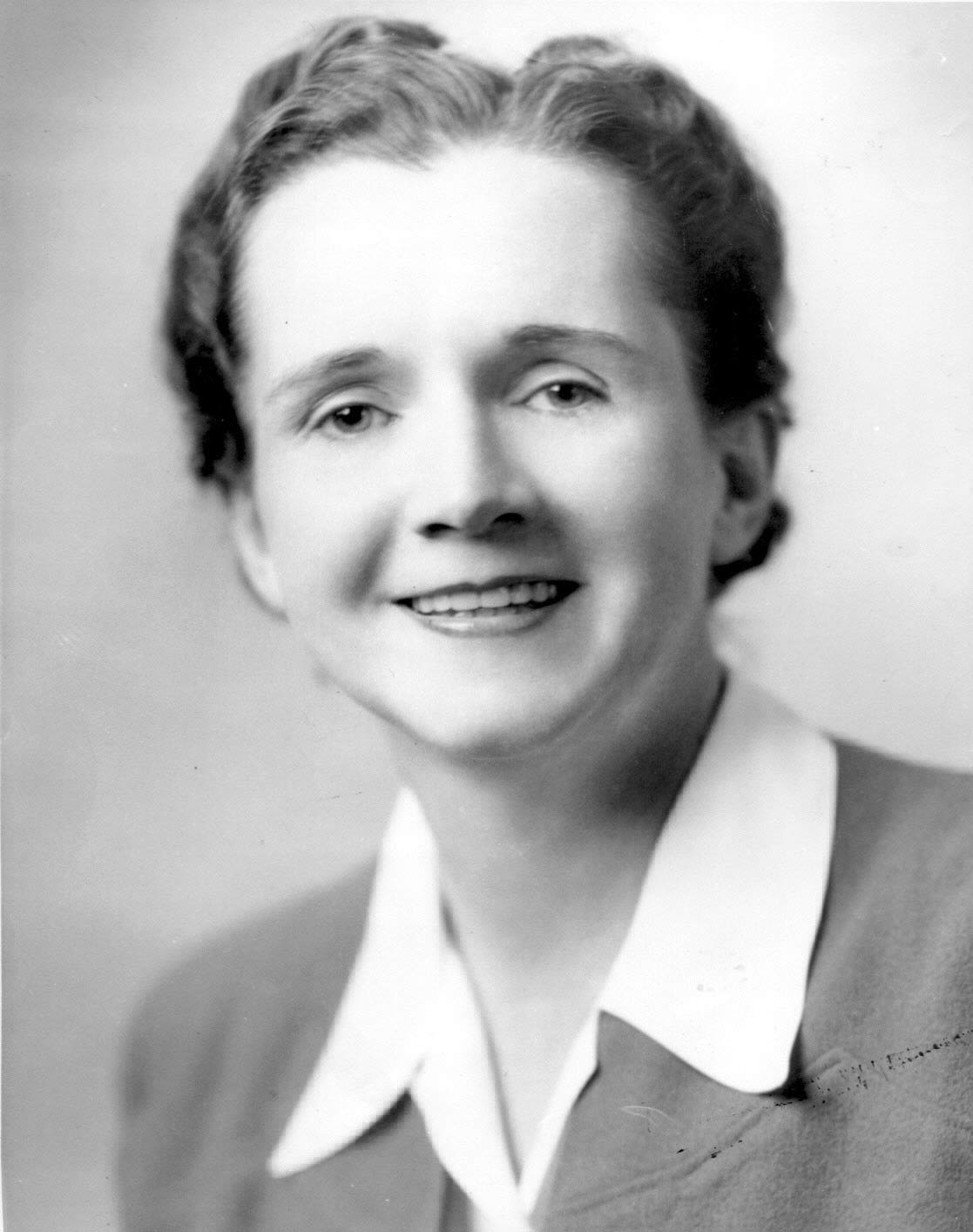
Rachel Carson
(Rachel Louise Carson)
American marine biologist and conservationist whose landmark book Silent Spring launched the global environmental movement.
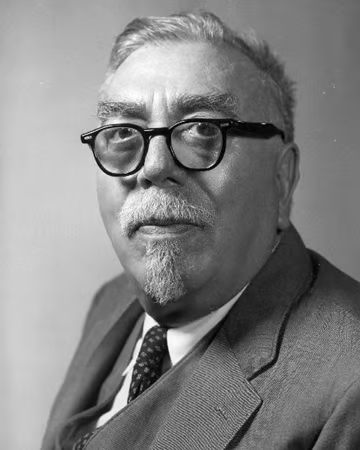
Norbert Wiener
(Norbert Wiener)
MIT mathematical child prodigy who founded cybernetics, feedback systems, and automated control theory.
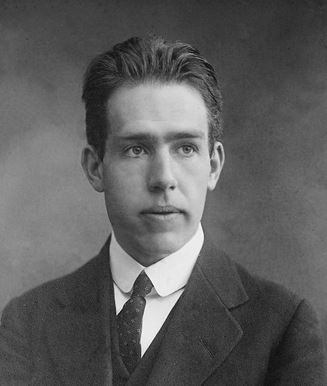
Niels Bohr
 (Niels Henrik David Bohr)
Danish physicist whose quantum model of the atom and Principle of Complementarity founded atomic physics and the Copenhagen interpretation of quantum mechanics, winning the 1922 Nobel Prize.
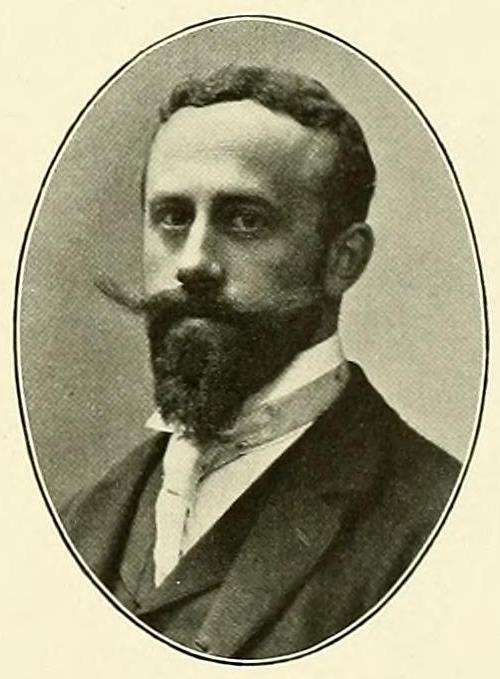
Erich von Tschermak
(Erich Tschermak von Seysenegg)
Austrian agronomist and plant breeder who independently rediscovered Mendel's principles of heredity in 1900 and applied Mendelian genetics to crop breeding, developing disease-resistant high-yield hybrid wheat, barley, and oat strains.