 Australia
•
3,700 views
Australia
•
3,700 views
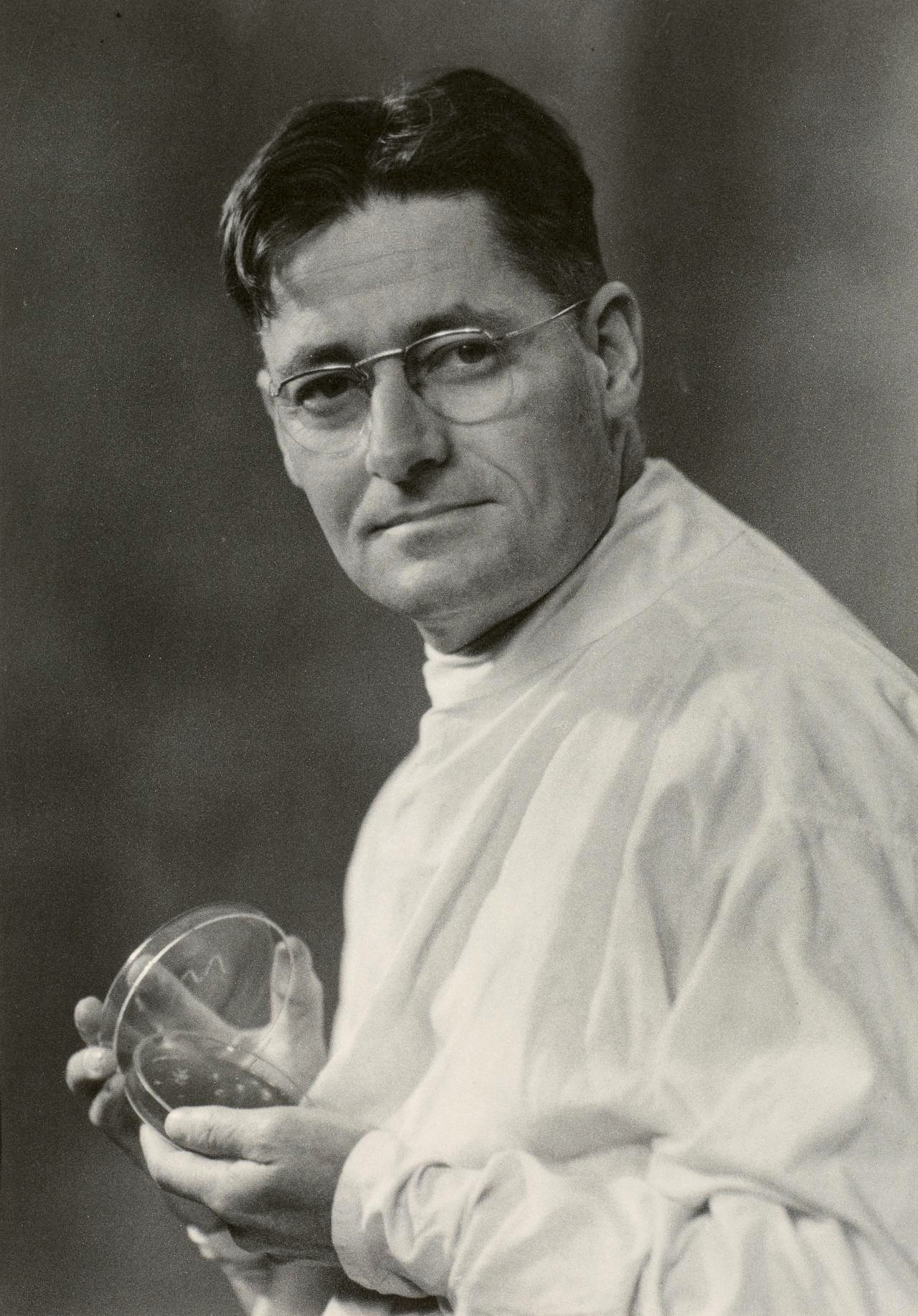
Howard Florey

Adelaide, South Australia, Australia
Archival Overview
Australian pathologist and pharmacologist who transformed penicillin from a laboratory curiosity into a mass-produced, lifesaving antibiotic.
Biographical Record
Howard Walter Florey, Baron Florey, was an Australian pharmacologist and pathologist whose tenacity and organizational brilliance saved millions of human lives. While Alexander Fleming had noticed penicillin mould inhibiting bacteria in 1928, Fleming had been unable to isolate or stabilize the fragile substance and abandoned the project. A decade later at the Sir William Dunn School of Pathology at Oxford, Florey assembled an elite multidisciplinary team to investigate naturally occurring antibacterial substances.
Collaborating with biochemist Ernst Chain, Florey successfully extracted and purified penicillin. In May 1940, in a famous animal trial, Florey injected lethal streptococci into eight mice; the four untreated mice died within hours, while the four given penicillin survived completely. In 1941, Florey traveled to the United States to persuade American pharmaceutical companies to adapt deep-tank corn-steep liquor fermentation for mass production. By D-Day in June 1944, enough penicillin was available to treat every Allied battlefield casualty with infected wounds. Florey shared the 1945 Nobel Prize in Physiology or Medicine with Fleming and Chain, and later served as President of the Royal Society.
Key Life Milestones
First Penicillin Animal Trial
Proved the therapeutic power of purified penicillin in vivo on infected laboratory mice at Oxford University.
Nobel Prize in Physiology or Medicine
Awarded the Nobel Prize in Physiology or Medicine jointly with Fleming and Chain for the discovery and clinical development of penicillin.
Memorial Guestbook & Tributes
0 messages recordedLeave a Respectful Tribute
Final Resting Place
Perpetual MemorialMarston, Oxfordshire, United Kingdom