 United Kingdom
•
0 views
United Kingdom
•
0 views
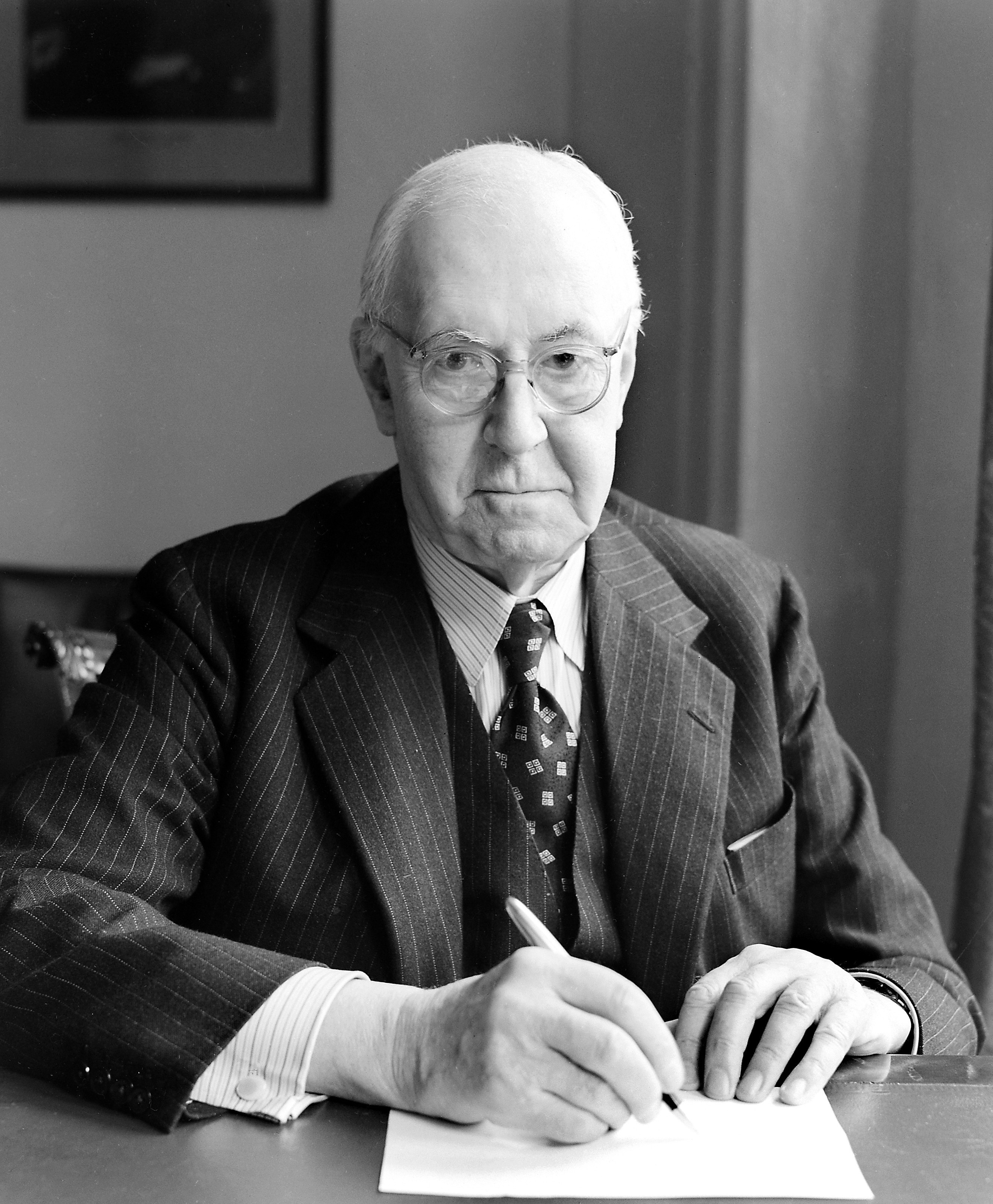
Henry Dale

Islington (London), United Kingdom
Archival Overview
English pharmacologist who won the 1932 Nobel Prize in Medicine for identifying acetylcholine as the neurotransmitter of the parasympathetic and voluntary nervous systems, and formulated 'Dale's Principle' of neuronal transmission.
Biographical Record
Sir Henry Hallett Dale (1875–1968) studied under Langley at Cambridge and Starling in London before directing the Wellcome Physiological Research Laboratories. In 1910, Dale isolated histamine from ergot fungus, proving that it mediated allergic anaphylactic shock and inflammation.
In 1914, Dale identified acetylcholine, meticulously distinguishing between its 'muscarinic' and 'nicotinic' receptors. Collaborating with Otto Loewi, Dale proved that acetylcholine was the biological chemical transmitter at the neuromuscular junction, allowing motor nerves to trigger voluntary muscle movement. He served as President of the Royal Society through World War II.
Key Life Milestones
Identification of Acetylcholine Receptors
Published the definitive pharmacological paper distinguishing muscarinic and nicotinic actions of acetylcholine.
Nobel Prize in Physiology or Medicine
Awarded the Nobel Prize alongside Otto Loewi for discoveries concerning chemical transmission across synapses.
Memorial Guestbook & Tributes
0 messages recordedLeave a Respectful Tribute
Final Resting Place
Perpetual MemorialCambridge, United Kingdom