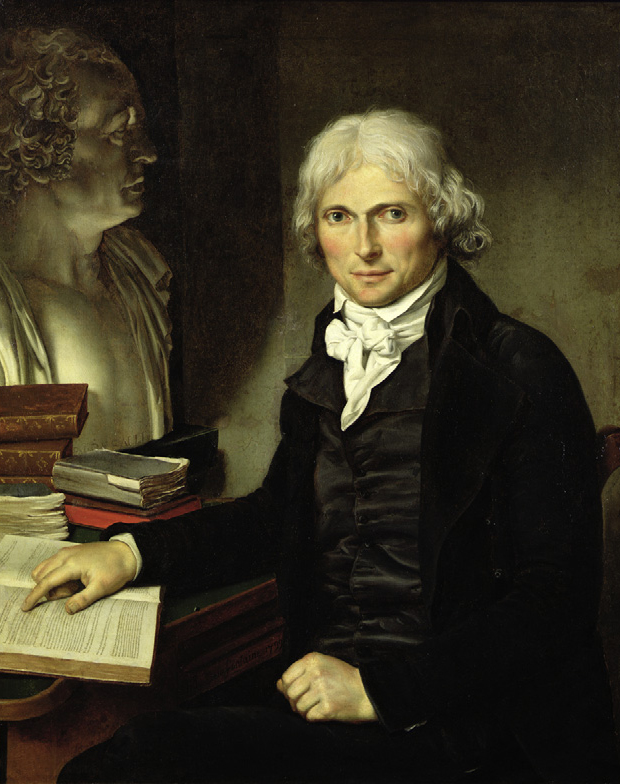
Xavier Bichat
Brilliant French anatomist who founded modern histology and tissue pathology without using a microscope, dissecting 600 human cadavers in a single winter to identify twenty-one elementary human tissue types.
Start typing to search worldwide archives and community tributes
Filterable archive covering centuries of intellectual, artistic, and moral contributions to the human story.
Brilliant French anatomist who founded modern histology and tissue pathology without using a microscope, dissecting 600 human cadavers in a single winter to identify twenty-one elementary human tissue types.
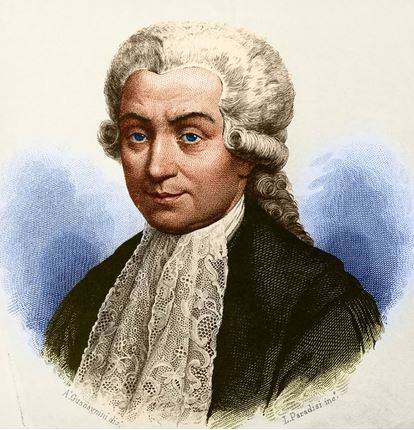
Italian physician and anatomist who discovered bioelectricity ('animal electricity'), demonstrating that nerves and muscles communicate via electrical currents, inspiring Mary Shelley's Frankenstein.
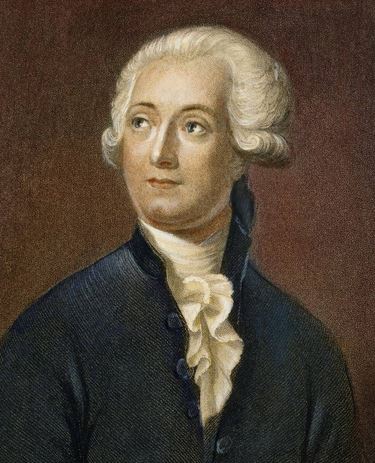
'Father of Modern Chemistry' who discovered the law of conservation of mass, recognized and named oxygen and hydrogen, abolished the phlogiston theory, and standardized chemical nomenclature.
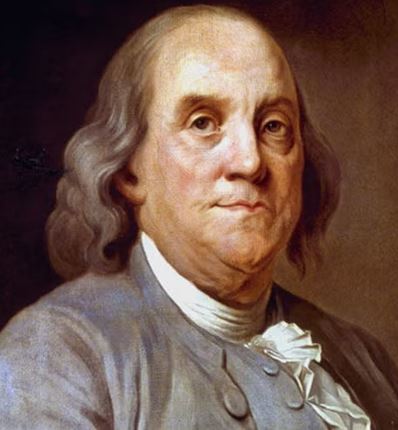
Founding Father and polymath who proved that lightning is electrical through his famous kite experiment, formulated the conservation of electric charge, and invented the lightning rod and bifocal glasses.
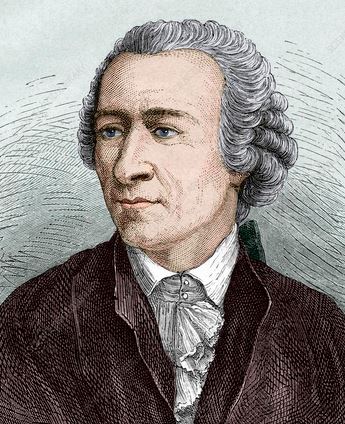
Most prolific mathematician in history whose Euler's identity ($e^{ipi} + 1 = 0$) is hailed as the most beautiful formula in mathematics, and who standardized modern mathematical notation.
Swiss mathematical genius who discovered Bernoulli's principle of fluid dynamics and laid the foundations of kinetic gas theory.
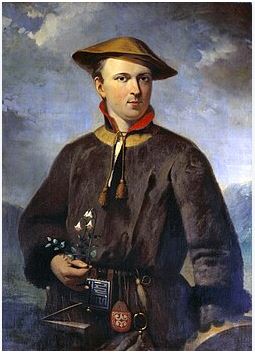
Swedish naturalist whose Systema Naturae founded modern biological taxonomy, introducing binomial nomenclature (genus and species, e.g. Homo sapiens) to classify all living organisms.
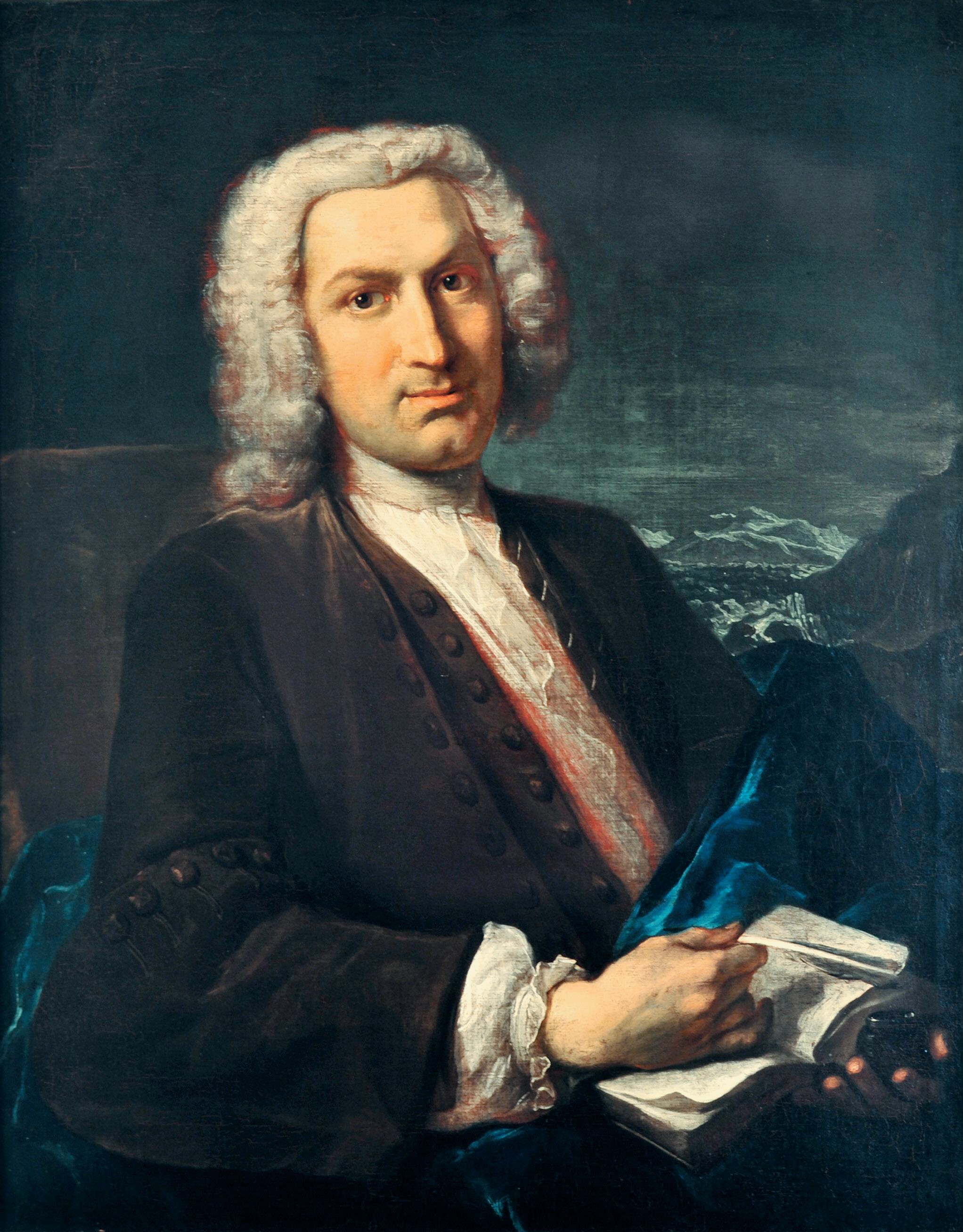
Swiss polymath, anatomist, and poet celebrated as the 'Father of Modern Experimental Physiology', who discovered the distinction between muscular irritability (contractility) and nervous sensibility in animal tissues.
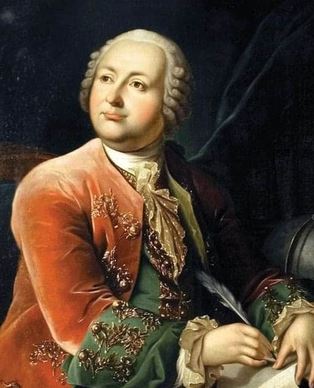
Universal Russian polymath who founded Moscow State University, discovered the atmosphere of Venus during its 1761 transit, and formulated the conservation of mass and energy before Lavoisier.
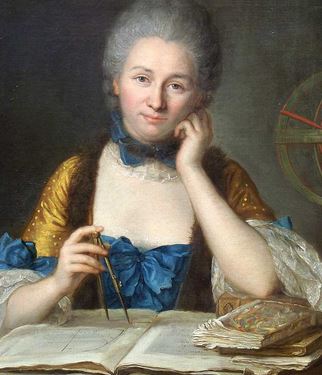
French Enlightenment mathematician and physicist whose translation and commentary on Newton's Principia remains the standard French text, and who proved that kinetic energy is proportional to mvยฒ.
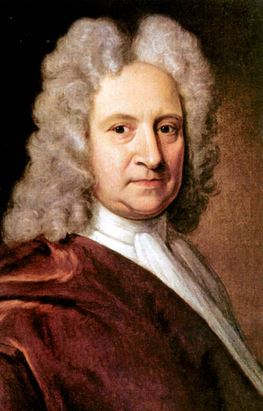
English Astronomer Royal who calculated the periodic 76-year orbit of Halley's Comet, personally funded and published Newton's Principia, and mapped southern hemisphere stars from St Helena.
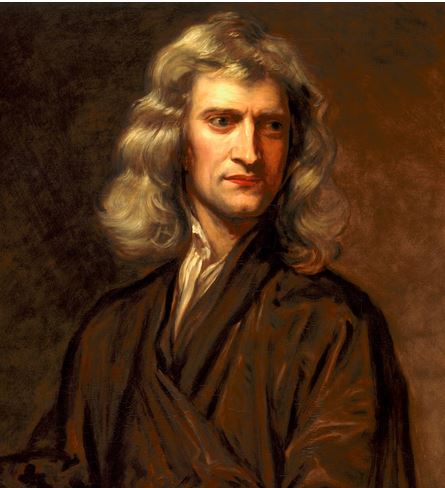
Supreme giant of science whose Philosophiรฆ Naturalis Principia Mathematica formulated the three laws of motion and universal gravitation, co-invented calculus, and discovered the color spectrum in light.
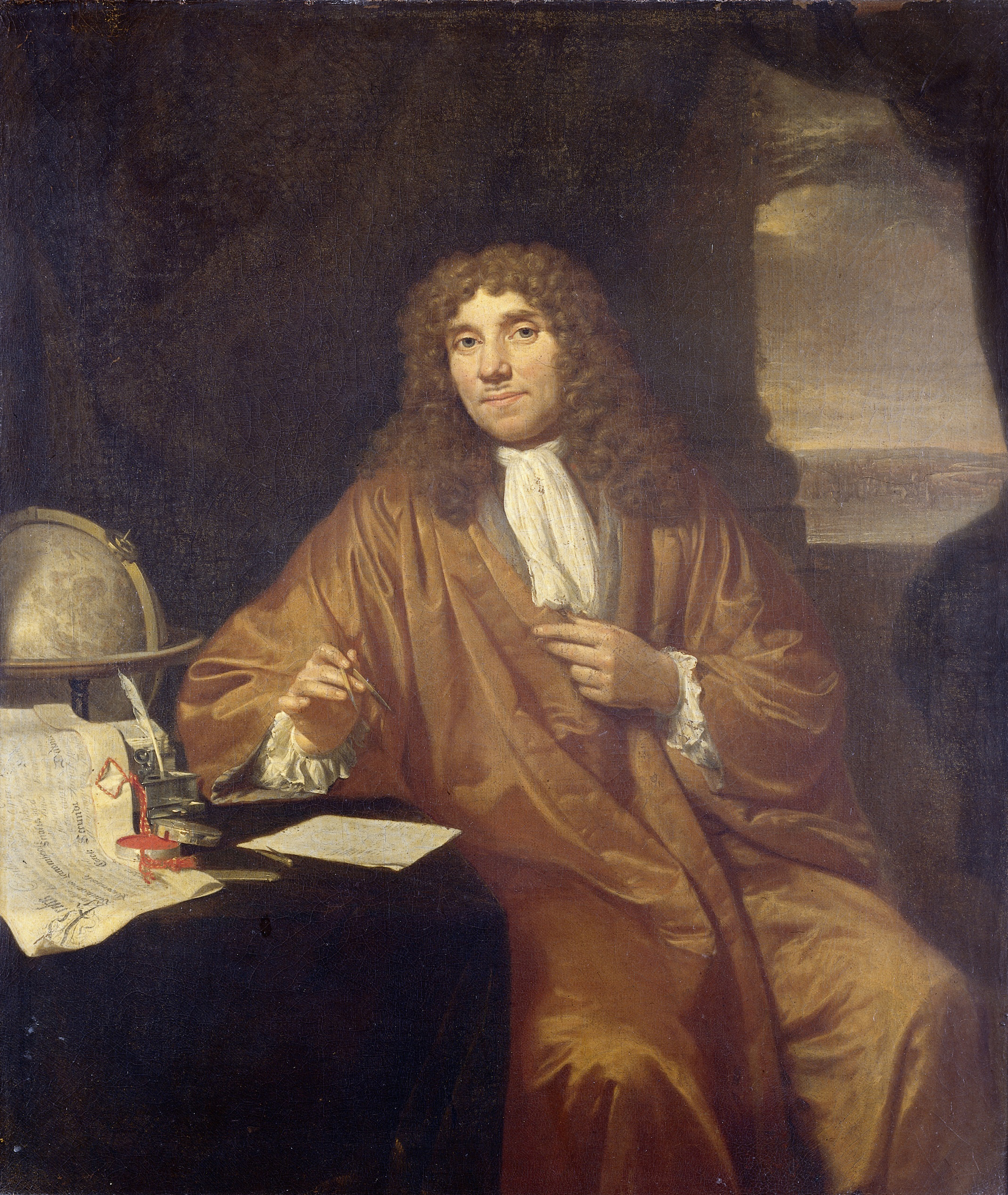
Dutch draper and self-taught scientist acclaimed as the 'Father of Microbiology', who ground exquisite single-lens microscopes magnifying up to 500 times to discover the microscopic living world: bacteria, protozoa, sperm cells, and red blood cells.
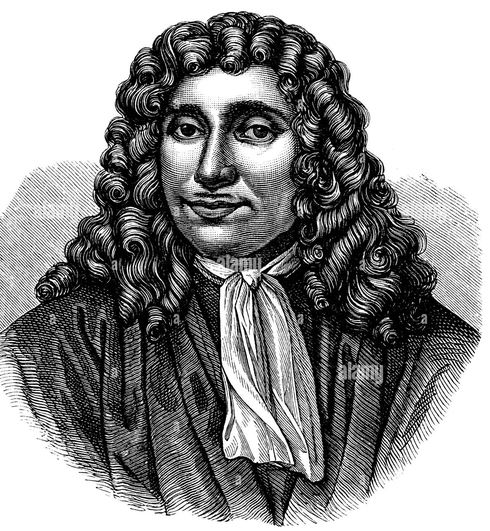
'Father of Microbiology' who ground single spherical lenses with 300x magnification to discover bacteria, protozoa (animalcules), spermatozoa, and red blood cells.
First Director of the Paris Observatory who discovered the Cassini Division in Saturn's rings, four Saturnian moons (Iapetus, Rhea, Tethys, Dione), and the rotation of Jupiter and Mars.
English physician and plant anatomist who co-founded plant anatomy alongside Malpighi, discovered that flowers are sexual reproductive organs, and published the first scientific description of human fingerprints.
Danish astronomer who made the first quantitative measurement of the speed of light in 1676 by observing the timing discrepancies of Jupiter's moon Io during Earth's orbital journey.
Curator of Experiments to the Royal Society who coined the biological term 'cell' in Micrographia (1665), discovered Hooke's Law of elasticity, and rebuilt London after the Great Fire.