Public Figures & Cultural Luminaries
Filterable archive covering centuries of intellectual, artistic, and moral contributions to the human story.
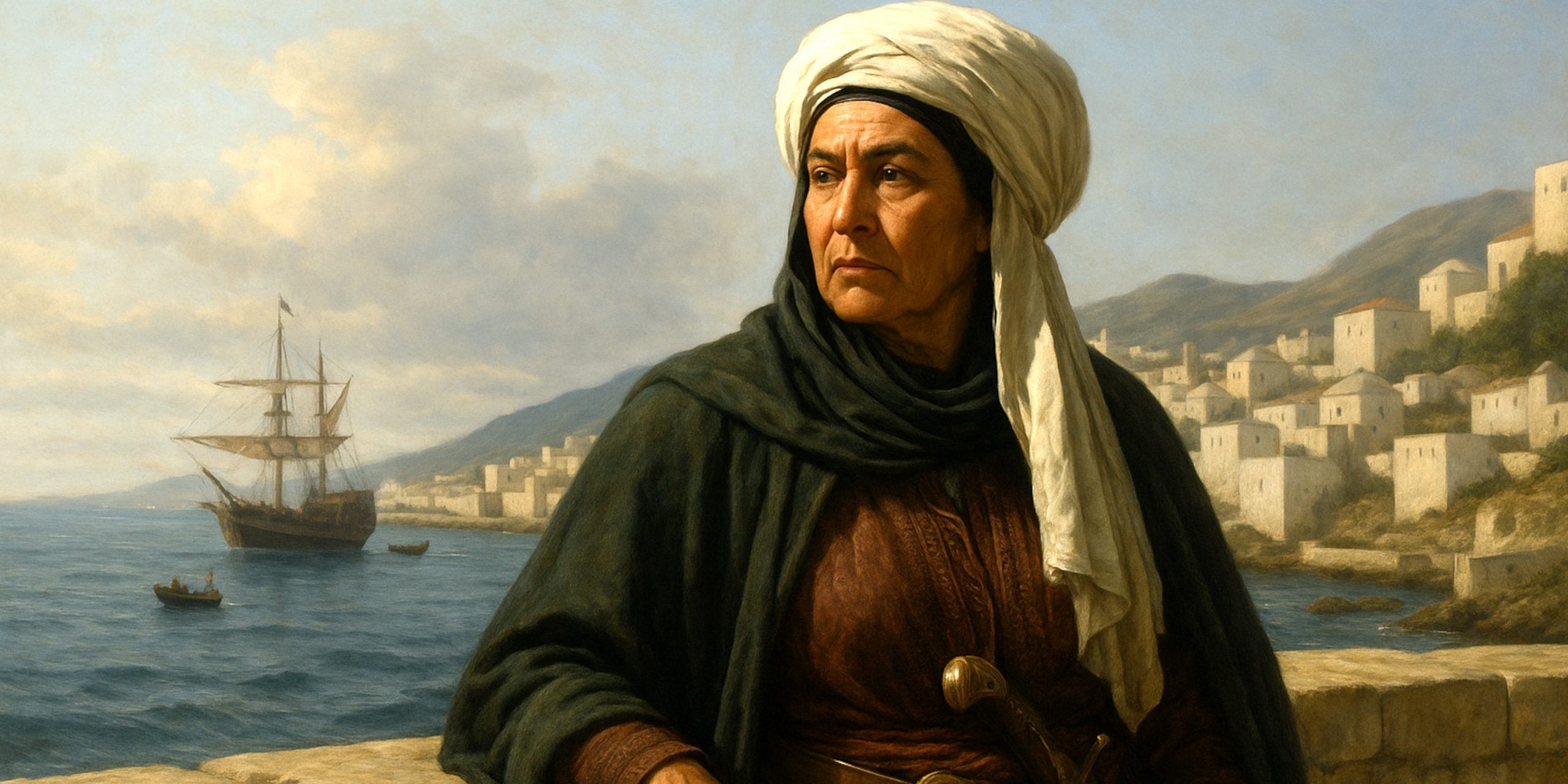
Sayyida al-Hurra
 (السيدة الحرة (عائشة العلمي))
Legendary Andalusian-Moroccan queen and governor of Tetouan who commanded western Mediterranean naval fleets in strategic alliance with Hayreddin Barbarossa to avenge the fall of Granada.
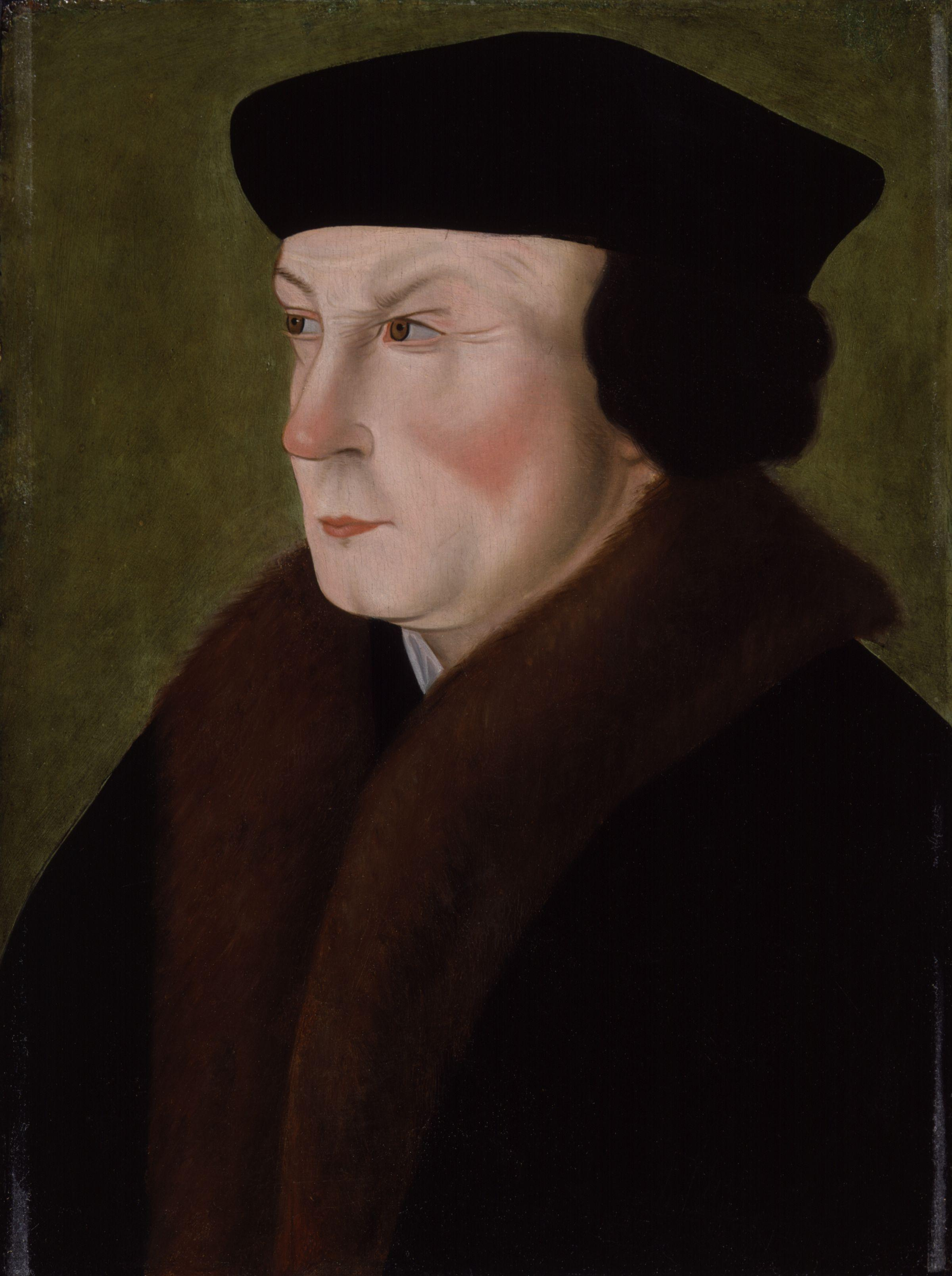
Thomas Cromwell, 1st Earl of Essex
 (Thomas Cromwell)
Chief minister to King Henry VIII who orchestrated the English Reformation, established Royal Supremacy over the Church, and dissolved the monasteries.
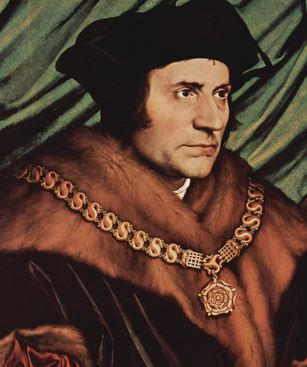
Thomas More
(Sir Thomas More)
Universal exemplar of intellectual integrity and moral conscience standing firm against autocratic state tyranny; coined the term 'Utopia'.
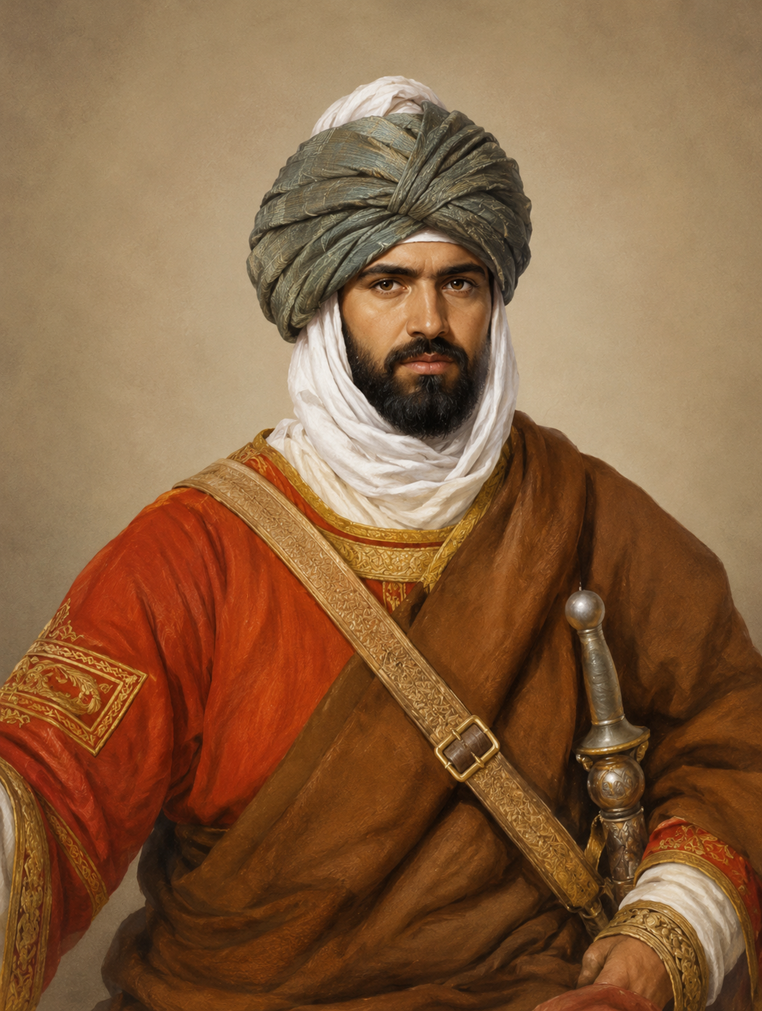
Sidi Ali al-Mandri
(علي المنظري الغرناطي)
Andalusian noble commander from Granada who crossed to Morocco following the fall of Granada in 1492, rebuilt the ruined city of Tetouan, and constructed its formidable defensive ramparts and Kasbah.
Uthman I ibn Abd al-Haqq
 (عثمان بن عبد الحق المريني)
Second Marinid ruler who consolidated the Zenata tribal confederation, established dominance over the Rif and northern valleys, and resisted Almohad counter-offensives.

Abu Muhammad Abd al-Wahid ibn Abi Hafs
(أبو محمد عبد الواحد بن أبي حفص)
Grandson of Umar al-Hantati appointed governor of Ifriqiya in 1207 by Caliph Muhammad al-Nasir, who pacified Tunisia, suppressed the Banu Ghaniya, and established the governing foundation of the Hafsid Dynasty.
Abd al-Haqq I ibn Mihyu
(عبد الحق بن محيو المريني)
Founding chieftain of the Zenata Berber Marinid Dynasty who led his nomadic confederacy from eastern pasturelands into northern Morocco, initiating the overthrow of Almohad power.
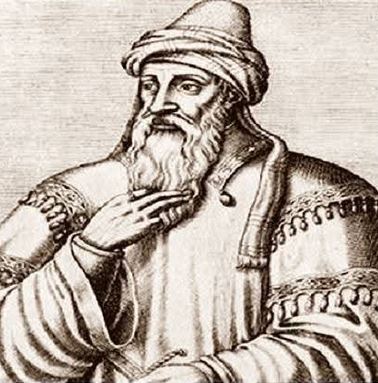
Al-As'ad ibn Mammati
 (الأسعد بن مماتي)
Pioneering 12th-century Egyptian administrative reformer, poet, and financial supervisor under Saladin whose masterwork Qawanin al-Dawawin provides the definitive fiscal and agricultural atlas of Ayyubid Egypt.
Abu Hafs Umar ibn Yahya al-Hantati
(أبو حفص عمر بن يحيى الهنتاتي)
Distinguished Almohad governor and military commander of the Hintata nobility, instrumental in maintaining administrative stability across central Morocco under Caliph al-Mansur.
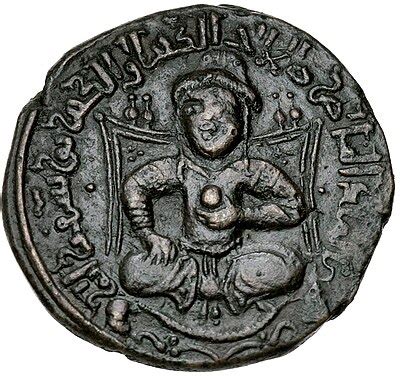
Al-Qadi al-Fadil
 (القاضي الفاضل (عبد الرحيم البيساني))
Supreme Grand Vizier and diplomatic master of Cairo whose exquisite Arabic epistolary prose directed Saladin's empire, celebrated by Saladin: 'Do not think I conquered the realms by my swords, but by the pen of al-Qadi al-Fadil.'
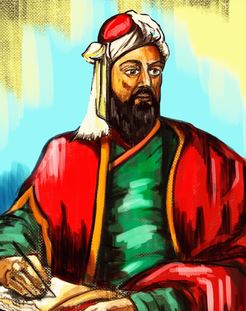
Nizam al-Mulk
 (Abu Ali Hasan ibn Ali Tusi)
Pinnacle of medieval Islamic statecraft and institutional administration; built the educational foundations that fostered minds like Al-Ghazali.

Wang Anshi
 (王安石)
Pioneered welfare-state economics and proto-monetary market regulation nearly a millennium ahead of modern Western state planning.

Zaynab an-Nafzawiyyah
(زينب النفزاوية)
Brilliant Berber queen, political visionary, and diplomatic architect whose immense wealth, counsel, and marriage to Yusuf ibn Tashfin laid the foundation of the Almoravid Empire and the founding of Marrakech.

Bao Zheng
(包拯)
Legendary Song dynasty magistrate and prefect of Kaifeng celebrated across Chinese history as 'Justice Bao' (Bao Qingtian), the symbol of absolute judicial incorruptibility.
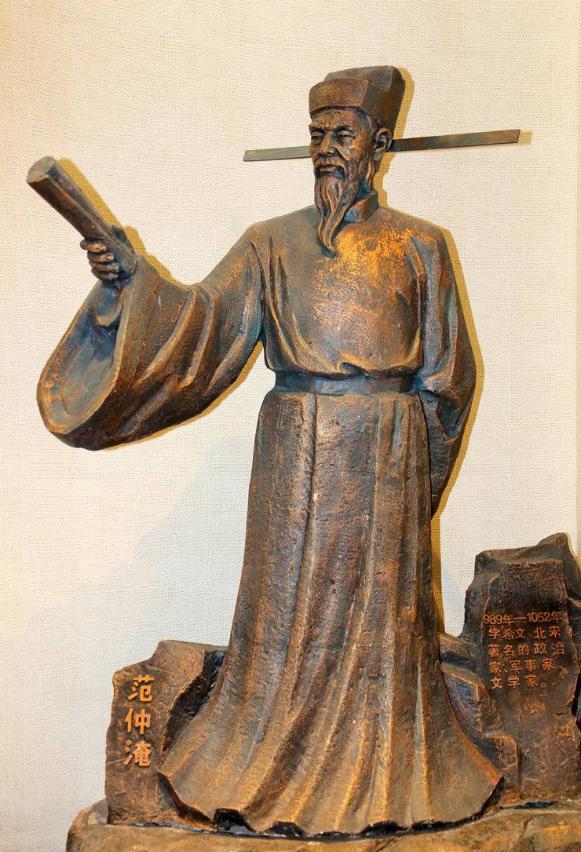
Fan Zhongyan
(范仲淹)
Song dynasty Chancellor, scholar, and general who instituted the Qingli Reforms and wrote the immortal motto: 'Be the first to grieve the cares of the realm, and the last to enjoy its pleasures'.

Rashid the Regent
 (راشد مولى إدريس الأول)
Faithful companion of Idris I who helped him escape Baghdad, raised and educated infant Idris II with Kenza, and served as Regent of Morocco until his assassination in 802 AD.
Yazid ibn Hatim al-Muhallabi
 (يزيد بن حاتم المهلبي)
Abbasid governor who governed Ifriqiya for fifteen years (772–787 AD) with unmatched generosity and peace, completely rebuilding the Great Mosque of Kairouan and organizing the souks.
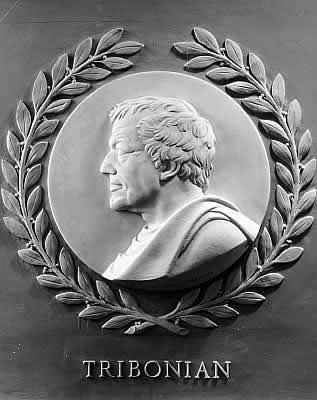
Tribonian
 (Τριβωνιανός)
Master Byzantine jurist and quaestor under Emperor Justinian I who directed the codification of Roman law into the Corpus Juris Civilis, the bedrock of modern civil law.