Public Figures & Cultural Luminaries
Filterable archive covering centuries of intellectual, artistic, and moral contributions to the human story.
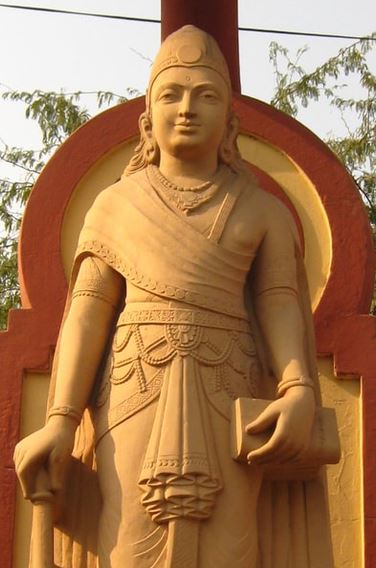
Chanakya (Kautilya / Vishnugupta)
 (चाणक्य (कौटिल्य))
Ancient Indian polymath, master strategist, and royal advisor who engineered the Maurya Empire. Author of Arthashastra, analyzing realpolitik, statecraft, economics, and institutional governance centuries before Machiavelli.
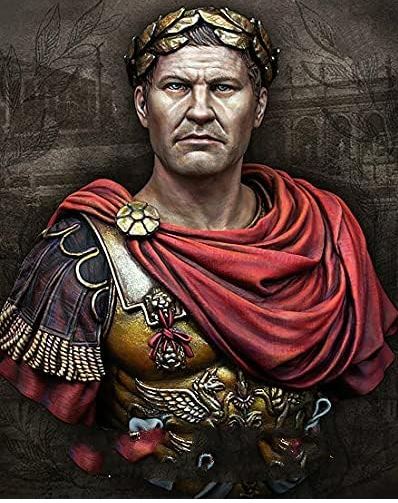
Gaius Julius Caesar
 (C·IVLIVS·C·F·C·N·CAESAR)
Roman military commander and statesman whose conquest of Gaul and crossing of the Rubicon transformed the Roman Republic into an empire. Reformed the calendar, established veterans' colonies, and fell to the Ides of March.
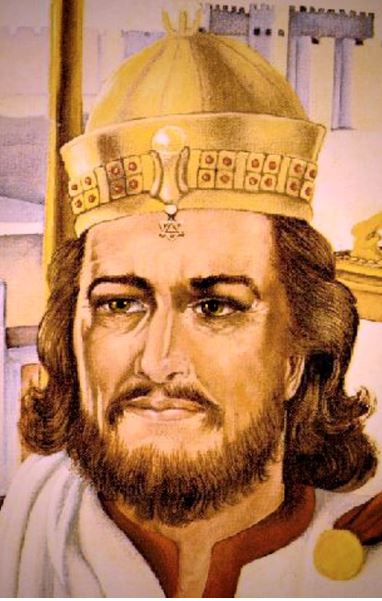
Hiram I, King of Tyre
 (𐤇𐤓𐤌 (Ahiram / Hiram))
Sovereign of the Phoenician island-city of Tyre who forged the Mediterranean's foremost maritime trade empire. Supplied cedar wood, naval fleets, and master craftsmen for the construction of the Temple in Jerusalem.
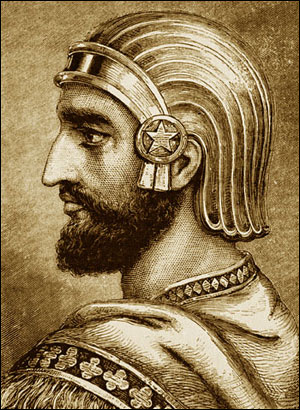
Cyrus II of Persia (Cyrus the Great)
 (𐎤𐎢𐎽𐎢𐎱 (Kūruš))
Founder of the Achaemenid Persian Empire. Renowned across civilizations for his chivalry, governance through cultural and religious tolerance, liberation of the Jews from Babylon, and the historic Cyrus Cylinder.
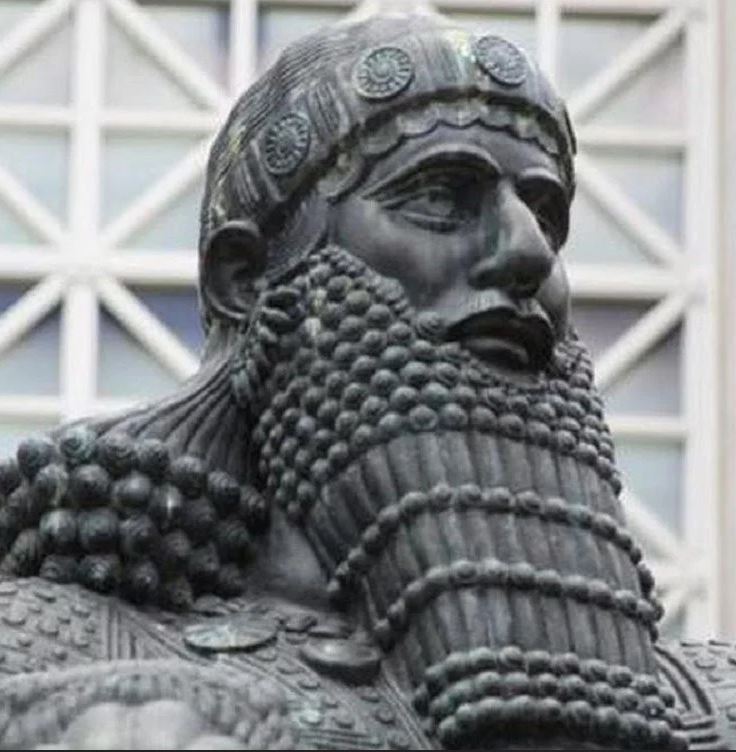
Hammurabi of Babylon
 (𒄩𒄠𒈬𒊏𒁉 (Ḫammu-rāpi))
Sixth king of the First Babylonian Dynasty who unified Mesopotamia. Globally celebrated for the Code of Hammurabi, one of humanity's earliest comprehensive legal codes establishing the written rule of law and judicial protection.