Public Figures & Cultural Luminaries
Filterable archive covering centuries of intellectual, artistic, and moral contributions to the human story.
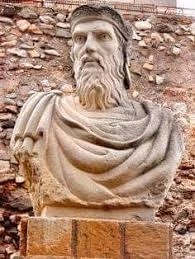
Hasdrubal the Fair
 (𐤏𐤆𐤓𐤁𐤏𐤋)
Brilliant Carthaginian statesman and general, son-in-law of Hamilcar Barca, who consolidated the Barcid empire in Spain through diplomatic marriages, founded Carthago Nova (Cartagena) in 228 BCE, and negotiated the historic Ebro Treaty with Rome.
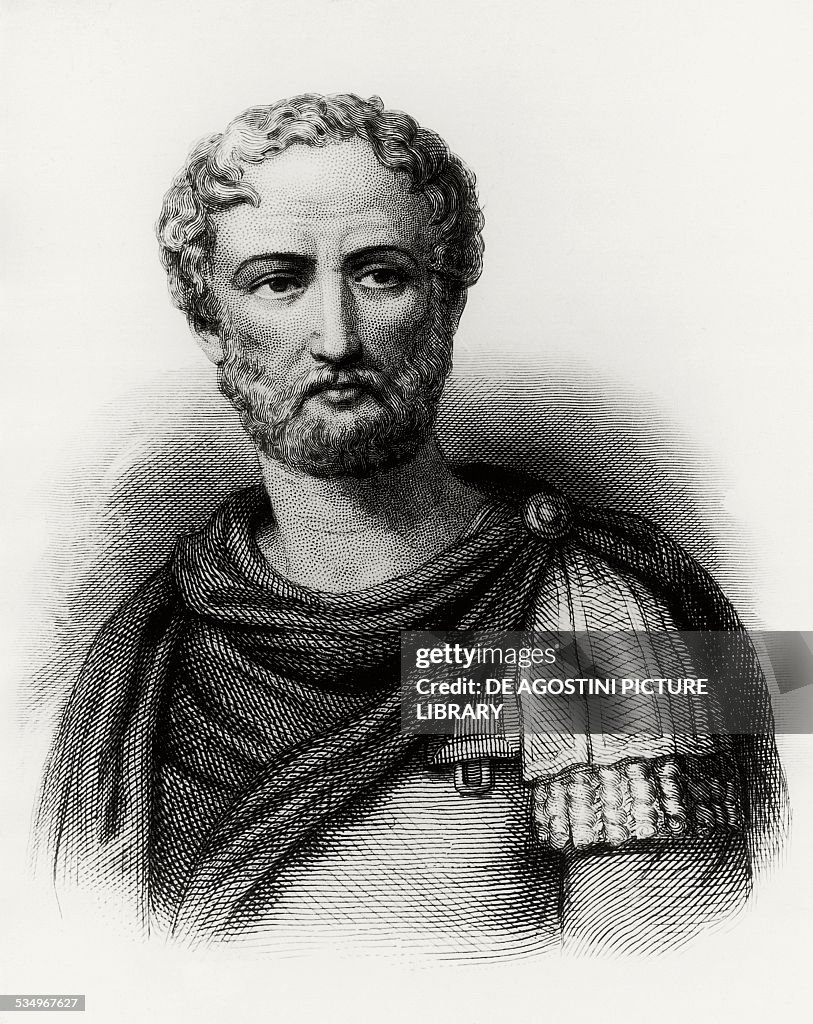
Pliny the Younger
 (Gaius Plinius Caecilius Secundus)
Roman lawyer, senator, and magistrate under Trajan whose preserved Epistulae provide an invaluable record of the eruption of Vesuvius and early Christian communities.
Dawud ibn Idris
 (داوود بن إدريس الثاني)
Son of Idris II who was granted the eastern march of Taza, where he constructed fortifications and secured trade routes linking the Maghreb with the Orient.
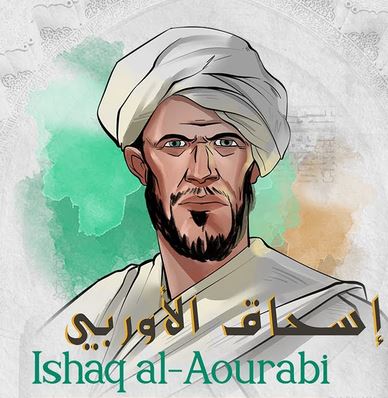
Ishaq ibn Muhammad al-Awrabi
(إسحاق بن محمد بن عبد الحميد الأوربي)
Supreme chieftain of the Awraba Berber confederation at Volubilis who welcomed the fugitive Idris I in 788 AD, pledged allegiance (Bay'ah), and co-founded the Moroccan state.

Bey Ibrahim El Mili
 (إبراهيم باي الميلي)
Prominent Bey of Constantine originating from the El Milia region, who unified mountainous tribal confederations with urban administration in eastern Algeria.
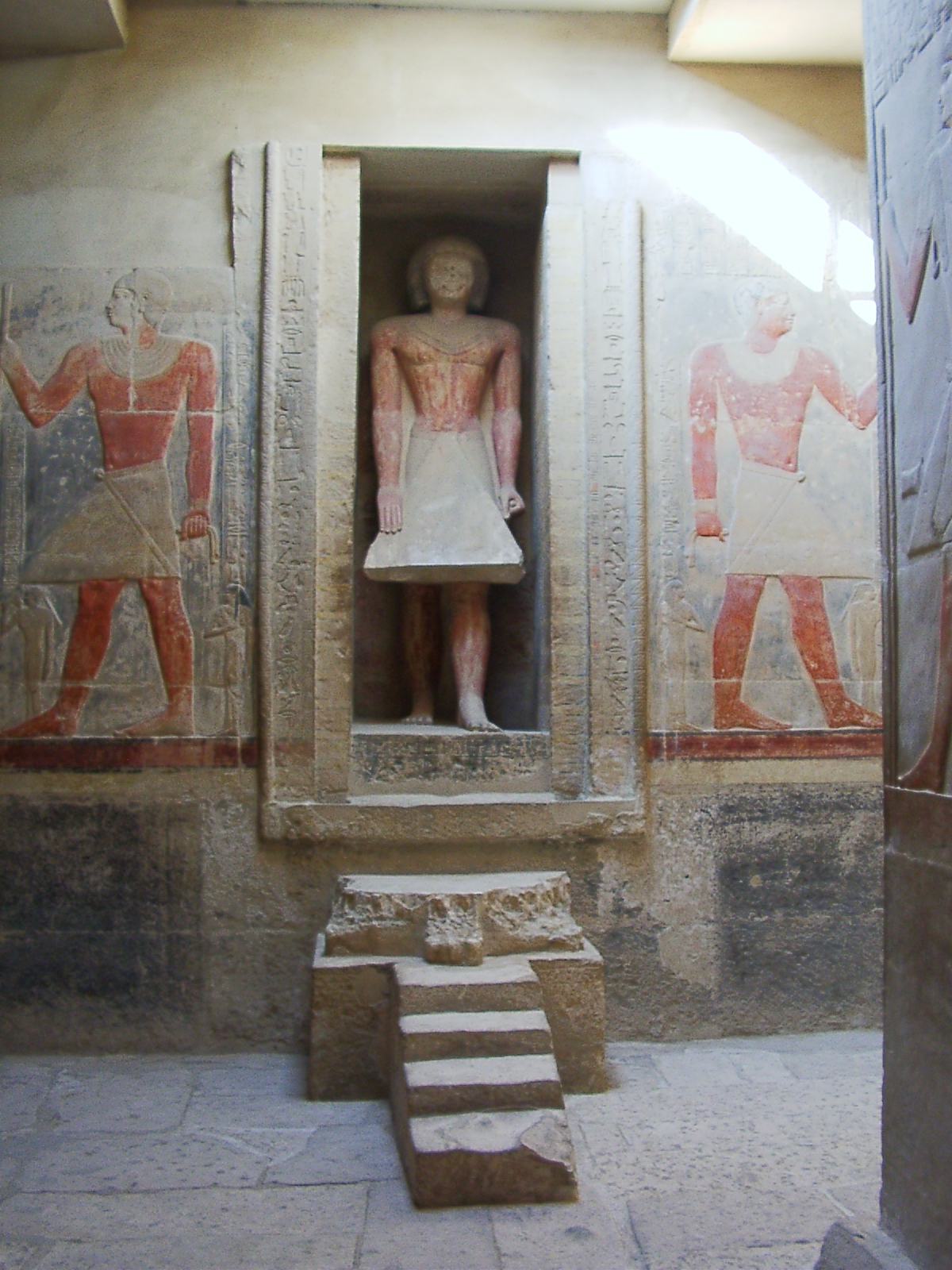
Mereruka
 (𓌸𓂋𓂋𓅱𓂓)
Sixth Dynasty Chief Justice and Vizier to Pharaoh Teti whose magnificent 33-room mastaba complex at Saqqara houses the richest and most vivid bas-reliefs of Old Kingdom daily life, fauna, and crafts.
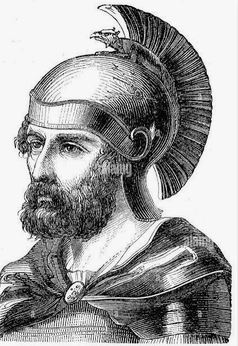
Hamilcar the Samnite
(𐤇𐤌𐤋𐤊𐤓)
Influential Carthaginian magistrate and suffete who led the democratic patriotic faction against Roman and Numidian diplomatic encroachments in the years preceding the Third Punic War.
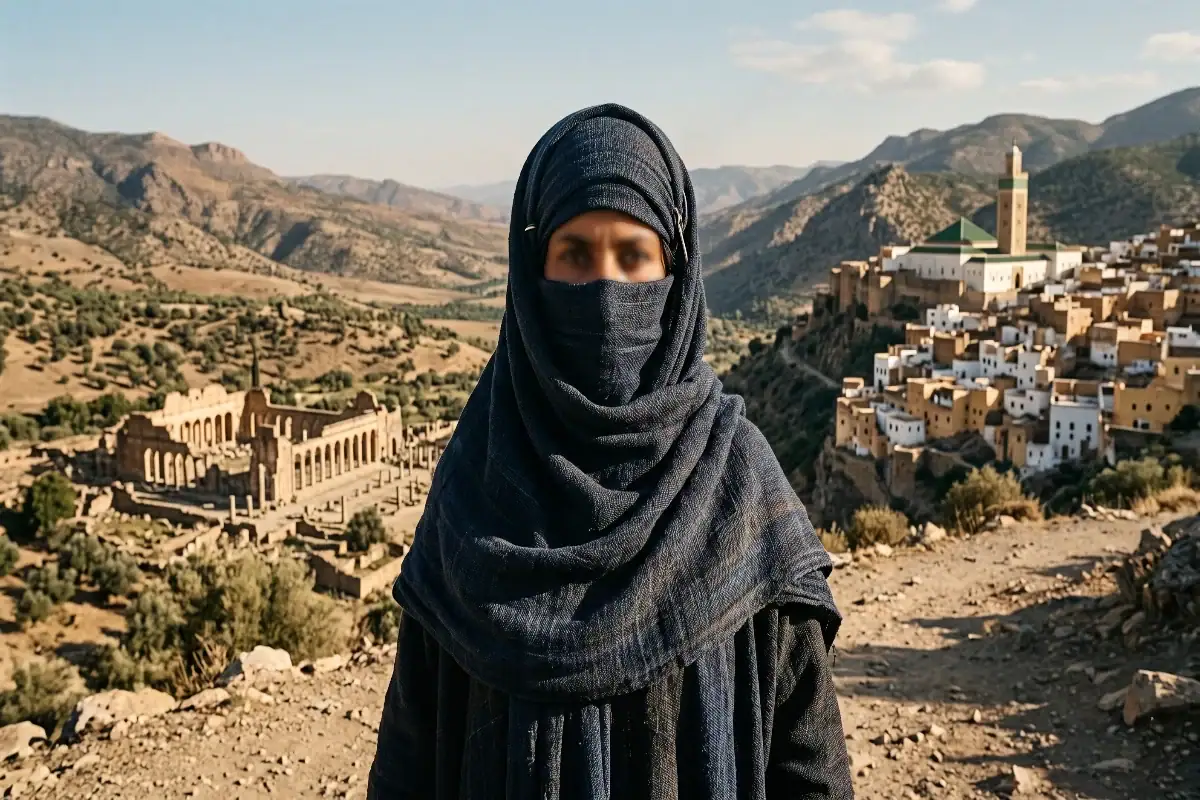
Kenza al-Awrabiya
(كنزة الأوربية)
Formidable Berber princess of the Awraba tribe, wife of Idris I and mother of Idris II, whose political diplomacy and tribal alliances secured the founding of the first Moroccan kingdom.
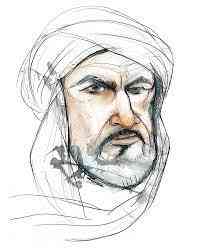
Yahya ibn Ibrahim
 (يحيى بن إبراهيم الكدالي)
Godala Berber chieftain from Mauritania who traveled to Mecca in 1035 and recruited the reformer Abdallah ibn Yasin, igniting the historic Almoravid (Al-Murabitun) movement.

Nubel
(ⵏⵓⴱⵉⵍ)
Mighty Romanized Berber regulus (king) of Mauretania Caesariensis whose vast wealth, diplomatic alliances, and prominent sons (Firmus, Gildo, Mascezel) shaped 4th-century North Africa.
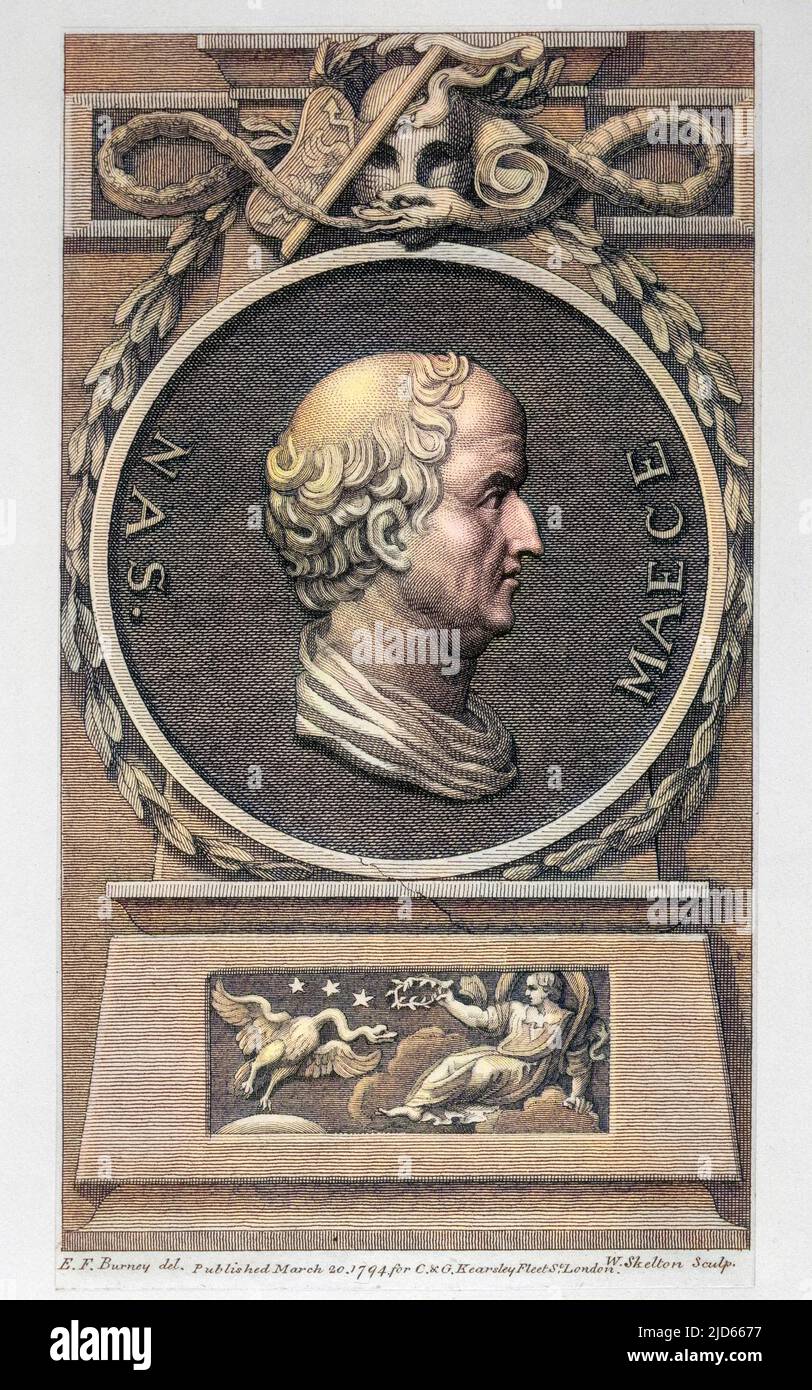
Gaius Cilnius Maecenas
(Gaius Cilnius Maecenas)
Trusted political advisor and diplomat to Emperor Augustus whose enlightened cultural patronage of Virgil and Horace permanently made his name synonymous with artistic patronage.
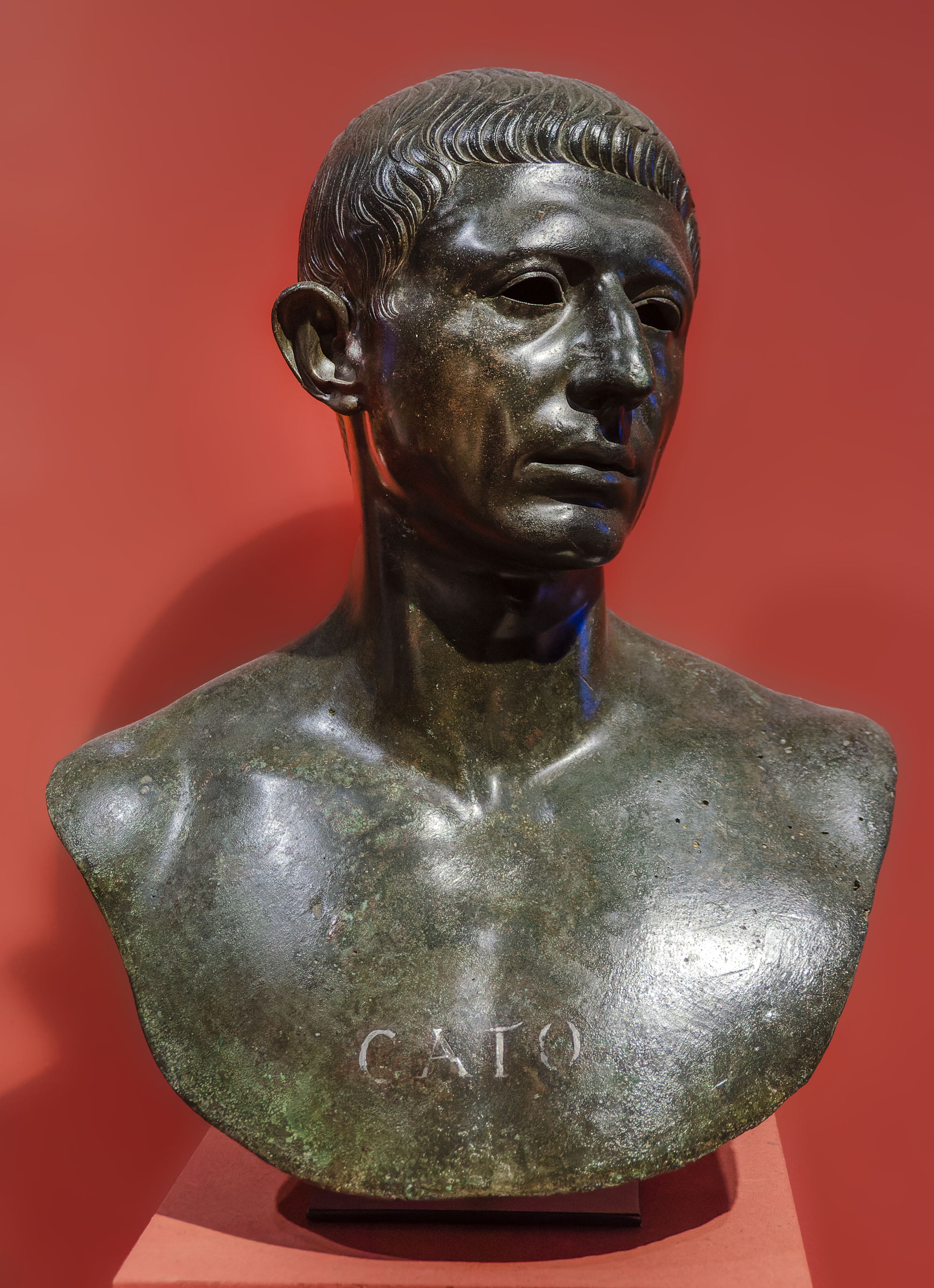
Marcus Porcius Cato Uticensis
(Marcus Porcius Cato Uticensis)
Incorruptible Roman Stoic statesman and senator who led the constitutional defense of the Republic against Julius Caesar, choosing suicide at Utica over servitude.
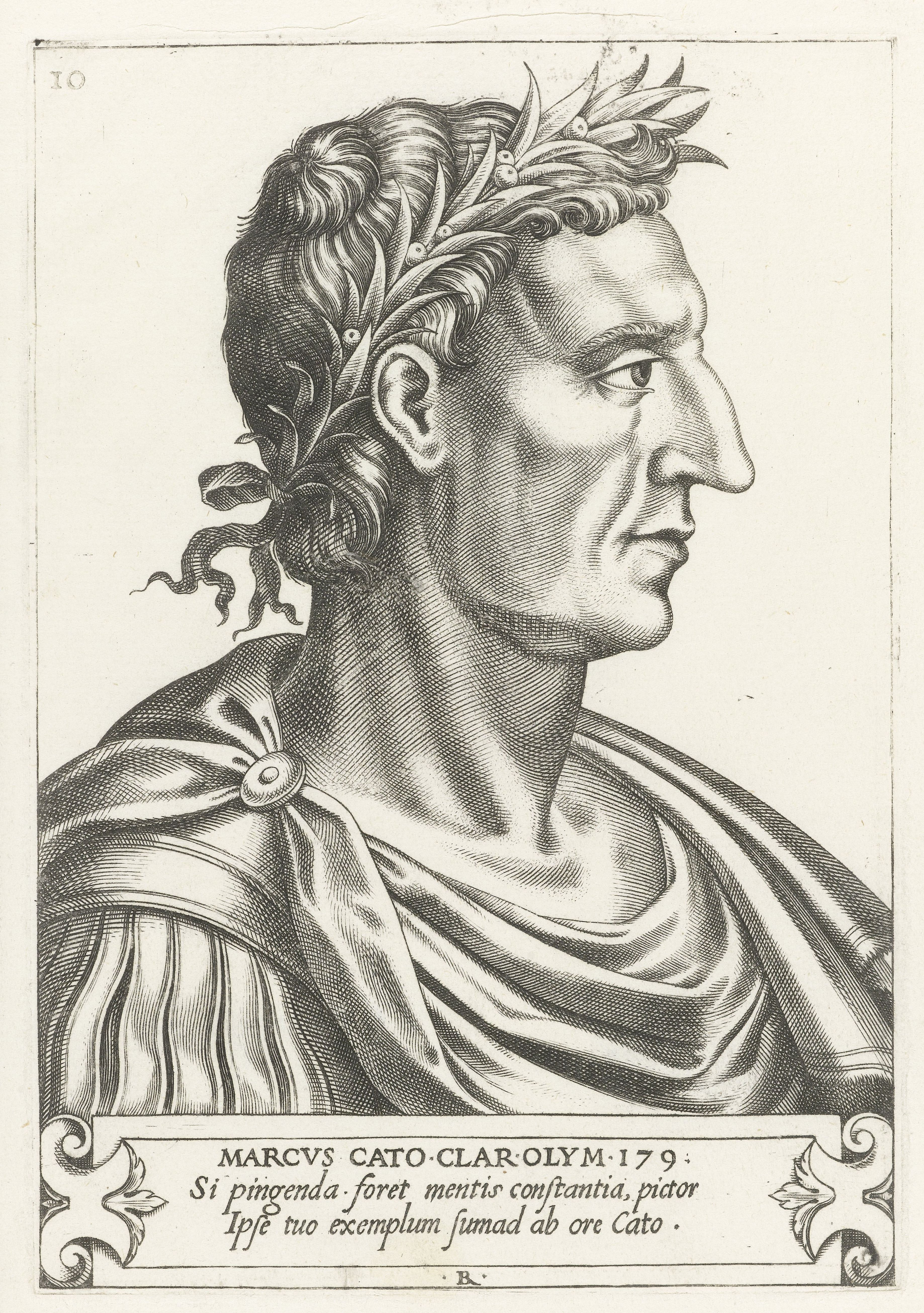
Marcus Porcius Cato
(Marcus Porcius Cato)
Roman statesman, orator, and Censor (Cato Censorius) who embodied austere republican virtue, resisted Hellenistic luxury, and ended every Senate speech with 'Carthago delenda est'.
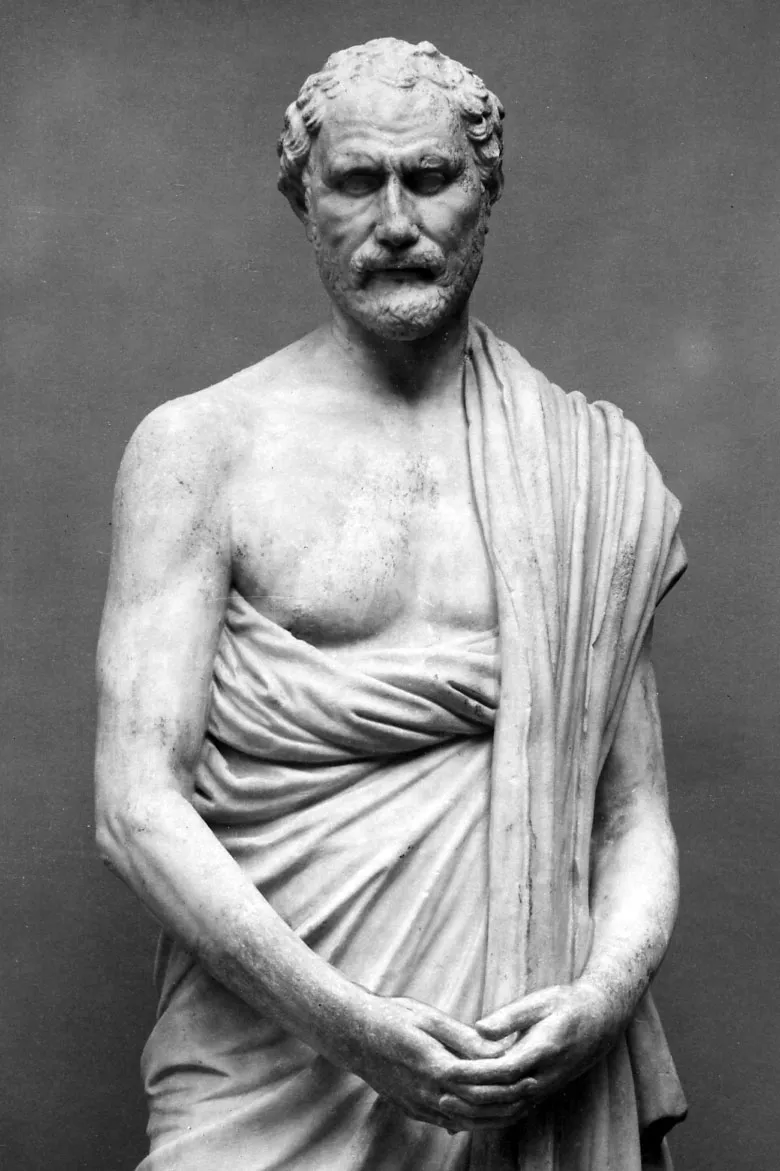
Demosthenes
 (Δημοσθένης)
Greatest orator and statesman of classical Greece whose fiery Philippics galvanized Athens to resist Macedonian hegemony under Philip II and Alexander the Great.
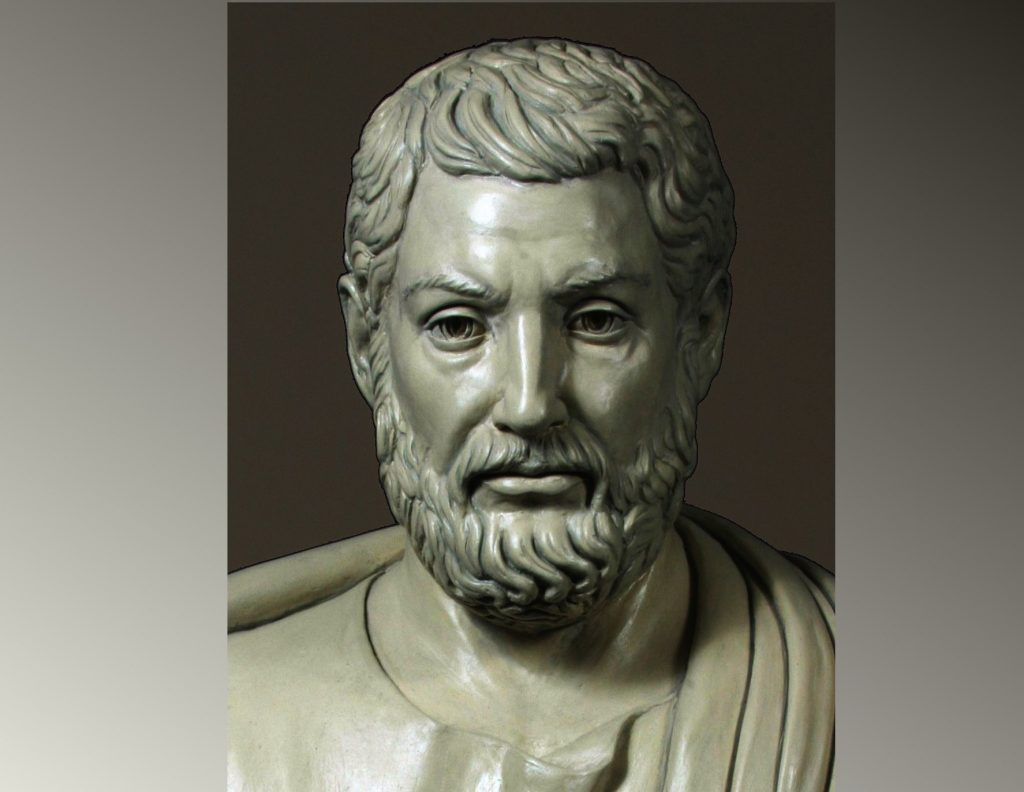
Cleisthenes
(Κλεισθένης)
Athenian noble of the Alcmaeonid clan revered as the 'Father of Athenian Democracy' for breaking aristocratic tribal power and establishing isonomia (equality before the law).
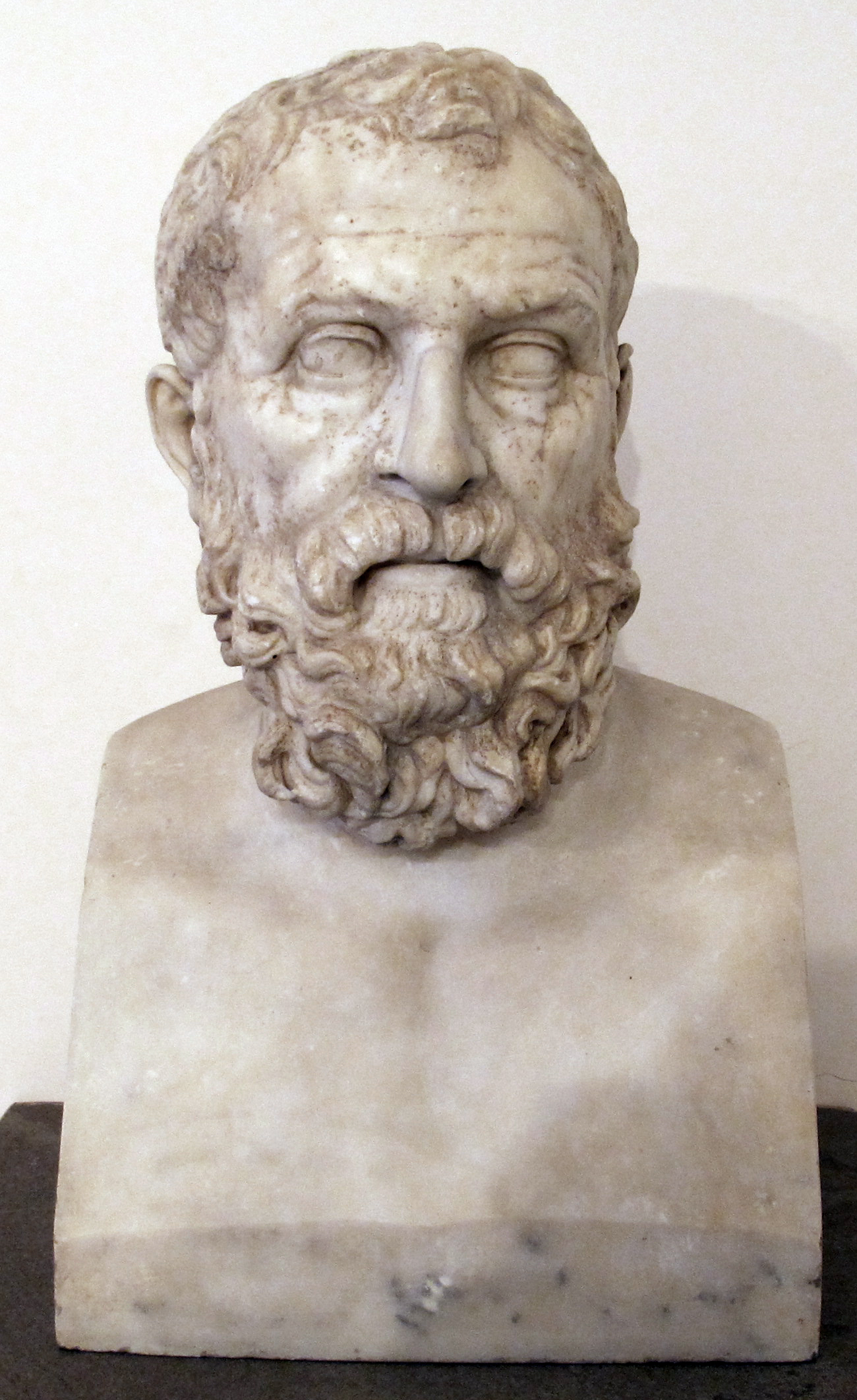
Solon
(Σόλων)
Archaic Athenian lawmaker, poet, and one of the Seven Sages of Greece who abolished debt slavery (Seisachtheia) and laid the legal foundation for Athenian democracy.
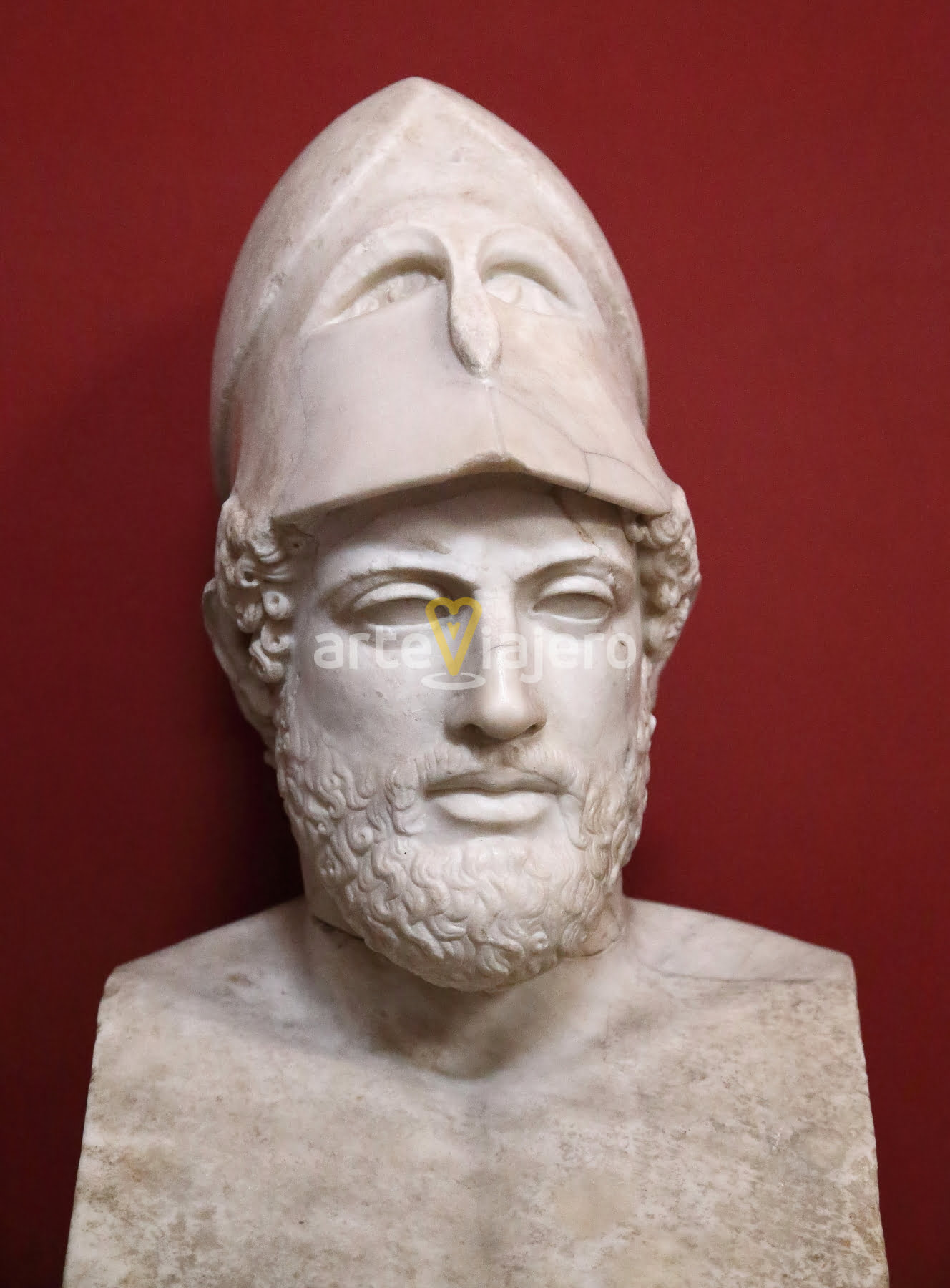
Pericles
(Περικλῆς)
Foremost Athenian statesman, orator, and general who led Athens during its Golden Age, promoted radical democracy, and commissioned the Parthenon on the Acropolis.
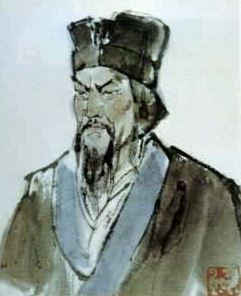
Shang Yang
 (商鞅 / 衛鞅)
Founding architect of the Chinese bureaucratic and centralized legal state; replaced feudal aristocracy with strict meritocracy based on military and agricultural productivity.