Public Figures & Cultural Luminaries
Filterable archive covering centuries of intellectual, artistic, and moral contributions to the human story.
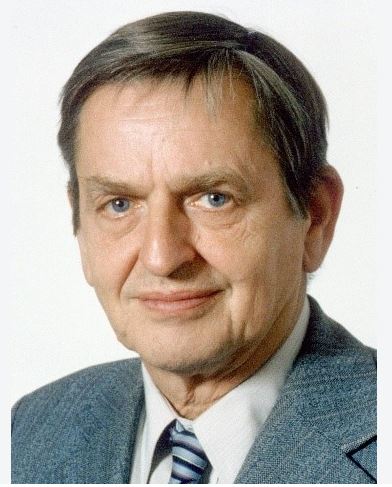
Olof Palme
 (Sven Olof Joachim Palme)
Global moral champion of international peace, nuclear disarmament, and self-determination for developing nations; expanded the world-famous Swedish welfare state.
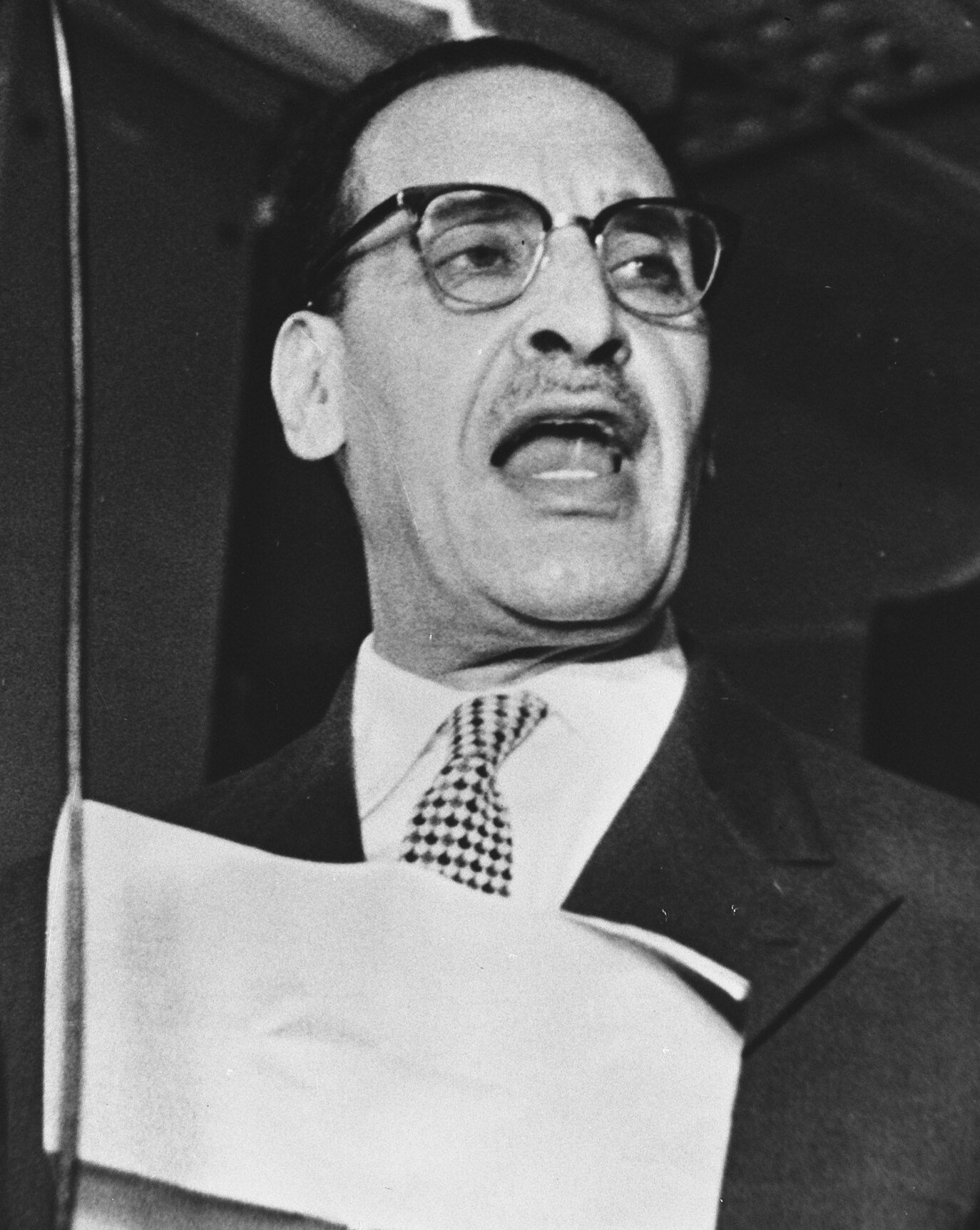
Ferhat Abbas
 (فرحات عباس)
Eminent Algerian statesman, pharmacist, and author who drafted the historic 1943 Manifesto of the Algerian People and served as the first President of the Provisional Government of the Algerian Republic (GPRA) from 1958 to 1961.
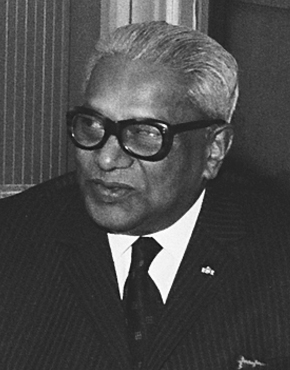
Sir Seewoosagur Ramgoolam (Seewoosagur Ramgoolam)
Founding Father and first Prime Minister of Mauritius who led the island to independence in 1968, established free public education and healthcare, and built a stable multi-ethnic democracy.
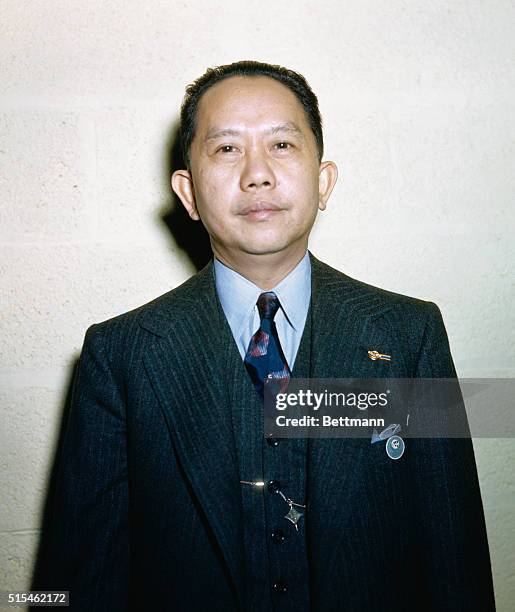
Carlos P. Romulo
 (Carlos Peña Rómulo)
Diplomat, soldier, and author who served as the first Asian President of the UN General Assembly (1949), won the Pulitzer Prize, and co-founded ASEAN.
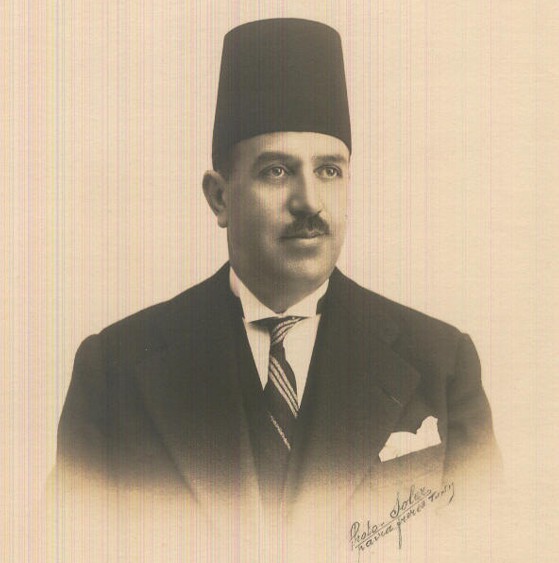
Tahar Ben Ammar
 (الطاهر بن عمار)
Prime Minister of Tunisia who signed the historic Internal Autonomy Conventions in 1955 and the definitive Protocol of Independence on March 20, 1956, officially ending the French Protectorate.
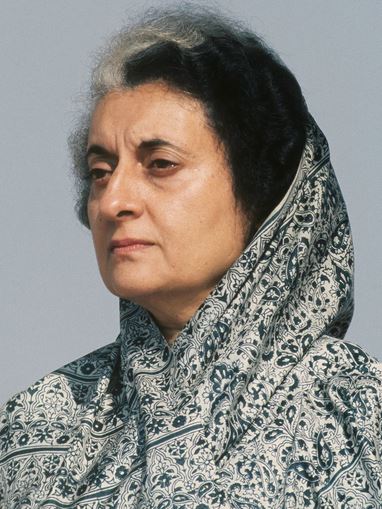
Indira Gandhi
 (इन्दिरा प्रियदर्शिनी गान्धी)
Transformative and assertive national leader who made India a regional military power, conducted its first nuclear test (1974), and achieved agricultural self-sufficiency through the Green Revolution.
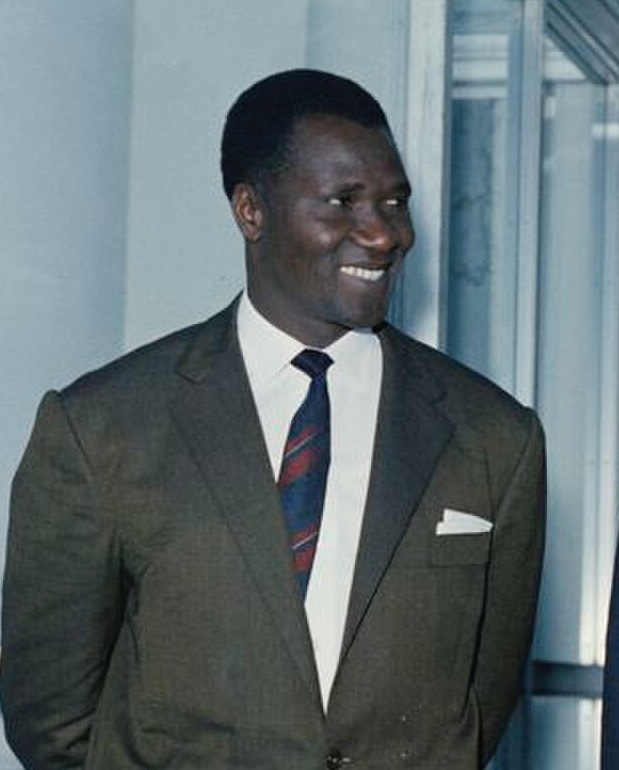
Ahmed Sekou Toure
 (Ahmed Sekou Toure)
First President of independent Guinea (1958–1984) who famously made history on August 25, 1958, by looking General Charles de Gaulle in the eye and declaring 'No' to the French Community: 'We prefer poverty in liberty to riches in slavery.'
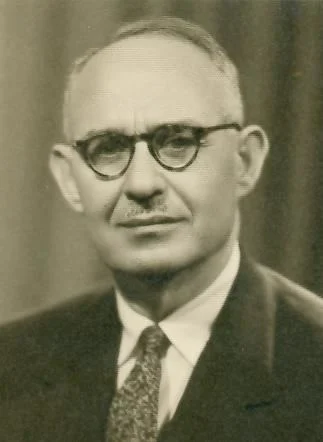
Ahmed Tewfik El Madani
(أحمد توفيق المدني)
Eminent Algerian nationalist historian, founding member of the Association of Ulema, and Minister of Cultural Affairs in the Provisional Government of the Algerian Republic (GPRA).
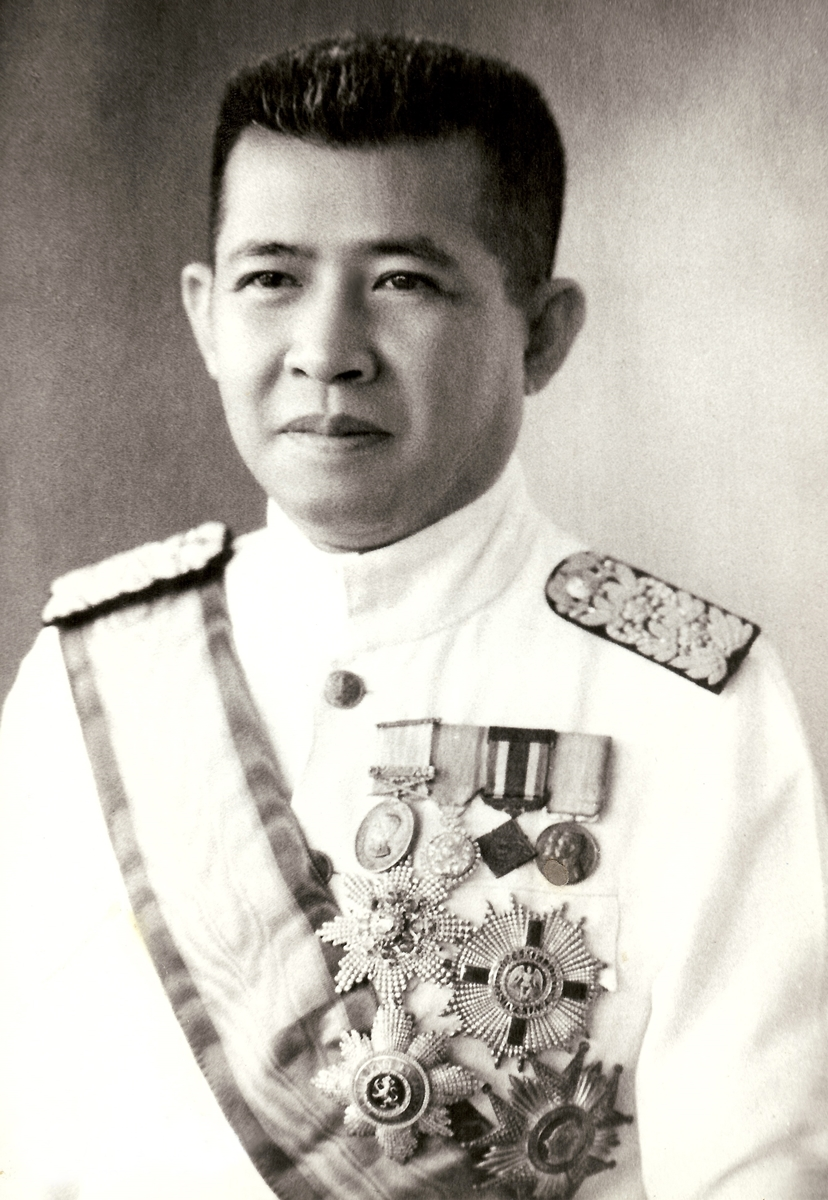
Pridi Banomyong
 (ปรีดี พนมยงค์)
Father of Thai democracy who led the Siamese Revolution of 1932 ending absolute monarchy, founded Thammasat University, and led the anti-Japanese Free Thai Movement.
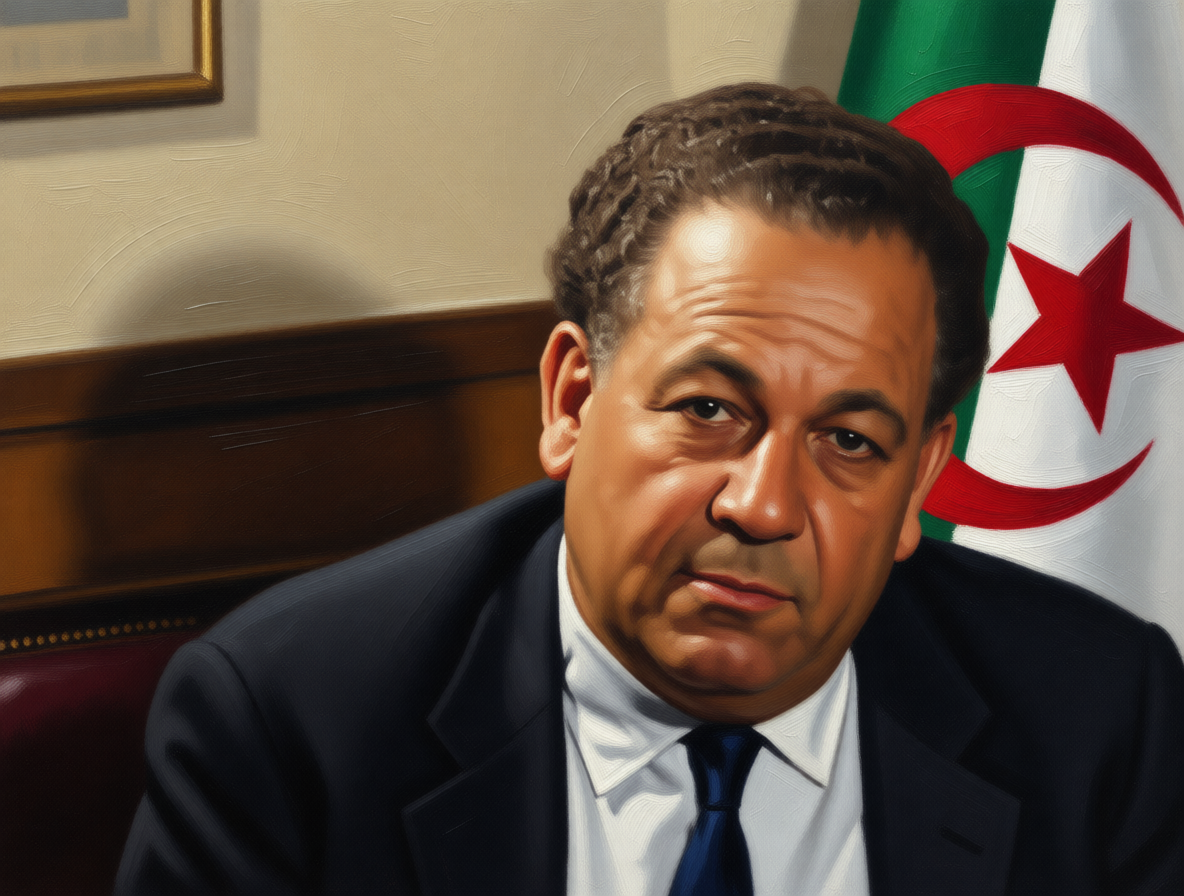
Ahmed Boumendjel
(أحمد بومنجل)
Eminent nationalist lawyer and diplomat, elder brother of martyr Ali Boumendjel, who served in the GPRA and led the preliminary Melun peace negotiations in 1960.
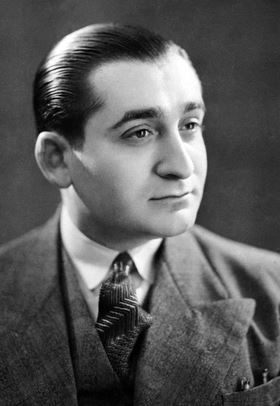
Pierre Mendès France
 (Pierre Mendès France)
Benchmark of moral rigor and executive decisiveness in modern French democracy; navigated complex decolonization with pragmatic courage.
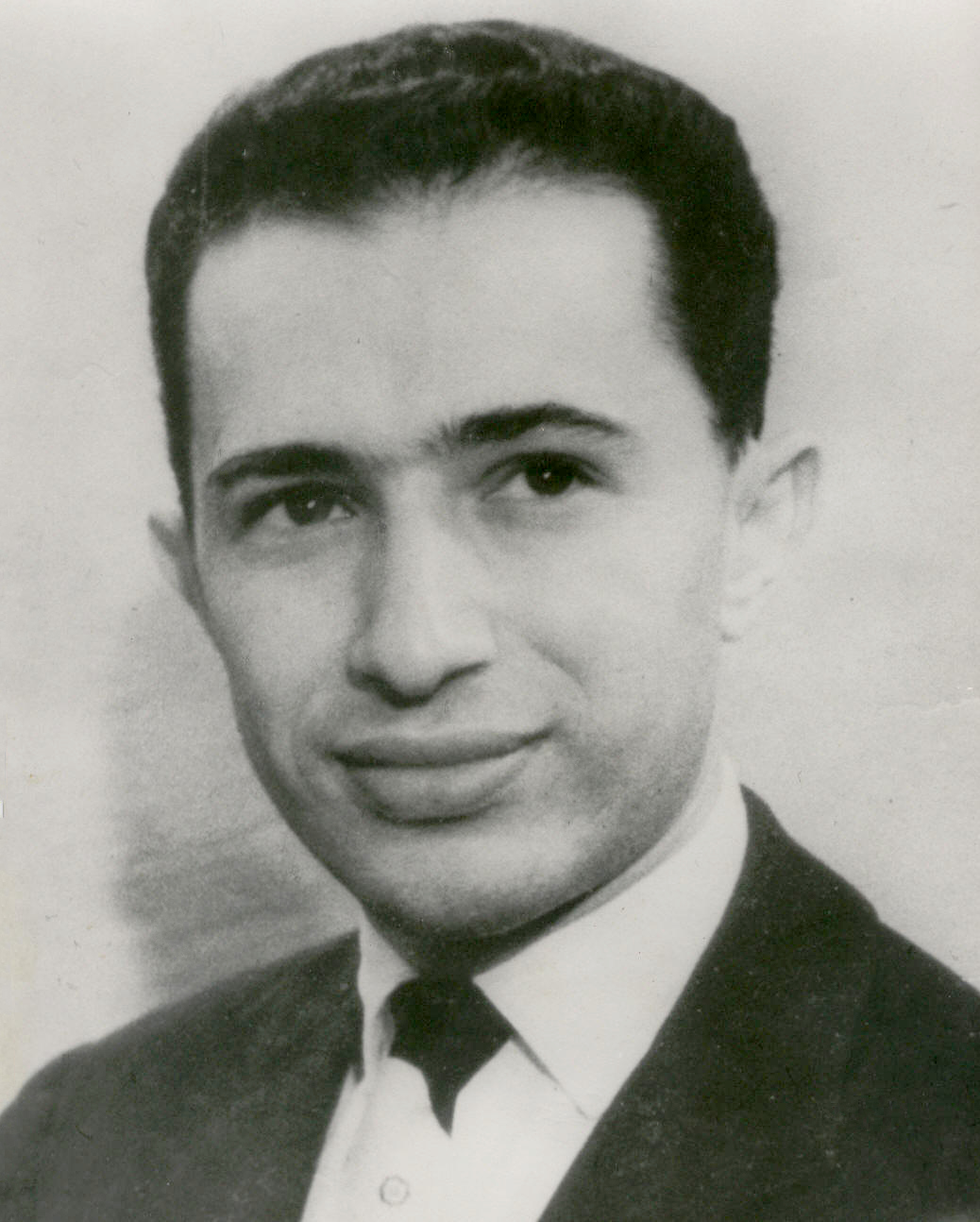
Mohamed Seddik Benyahia
(محمد الصديق بن يحيى)
Towering Algerian diplomat and Foreign Minister who mediated the resolution of the 1979-1981 Iran Hostage Crisis, dying tragically on a peace mission to halt the Iran-Iraq War.
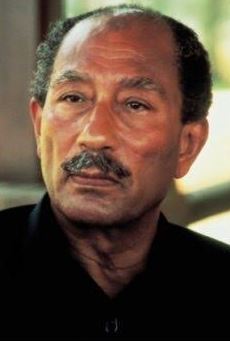
Anwar Sadat
 (محمد أنور السادات)
First Arab leader to sign a historic peace treaty with Israel (1979), regaining the entire Sinai Peninsula for Egypt at the cost of his own life.
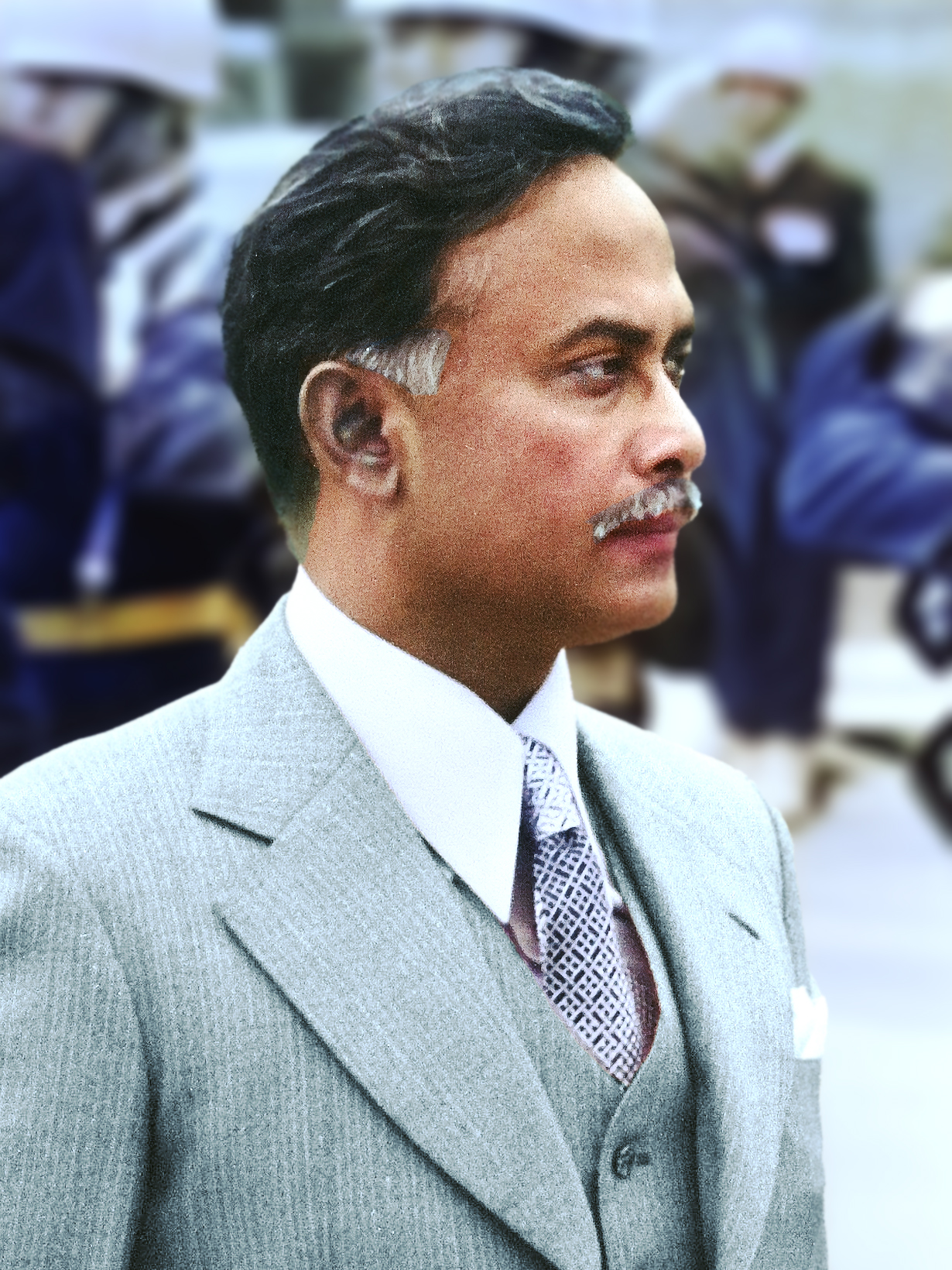
Ziaur Rahman
 (জিয়াউর রহমান)
President of Bangladesh who broadcast the declaration of independence in March 1971, founded the Bangladesh Nationalist Party (BNP), and conceived the South Asian Association for Regional Cooperation (SAARC).
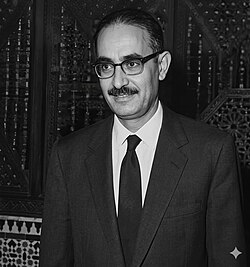
Amar Ouzegane
(عمار أوزقان)
First Secretary-General of the Algerian Communist Party, key drafter of the 1956 Soummam Platform alongside Ramdane Abane, and author of 'Le Meilleur Combat'.
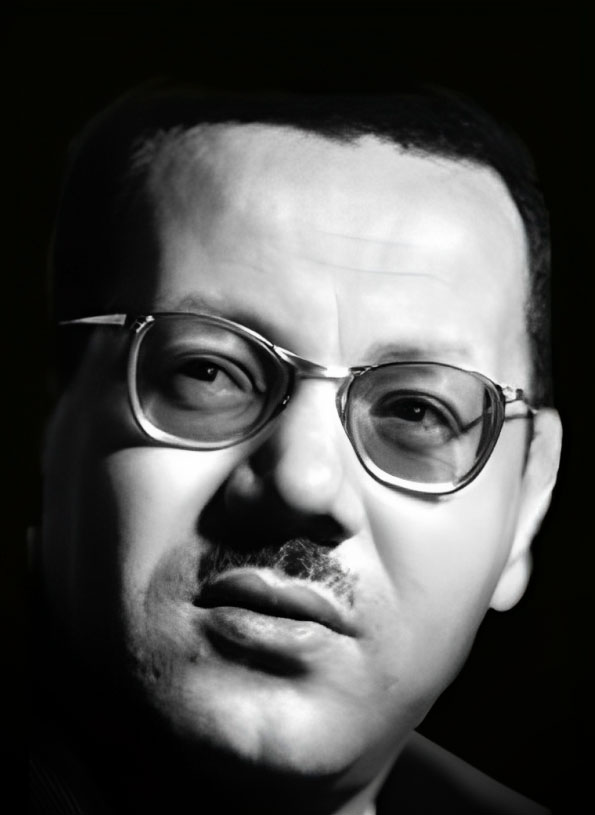
Abdelhafid Boussouf
(عبد الحفيظ بوصوف)
Genius organizer of the Algerian Revolution who founded the secret service MALG, established clandestine radio 'Voice of Fighting Algeria', and organized weapons manufacturing across three continents.
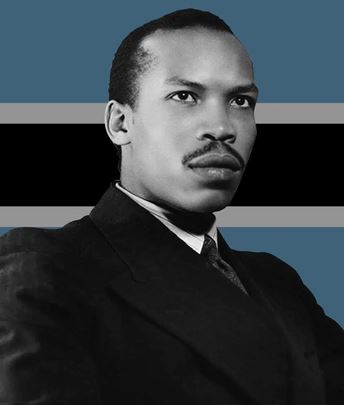
Seretse Khama (Sir Seretse Goitsebeng Maphiri Khama)
Managed diamond discoveries with exemplary fiscal transparency and rule of law, creating the most resilient and prosperous democracy in Southern Africa.
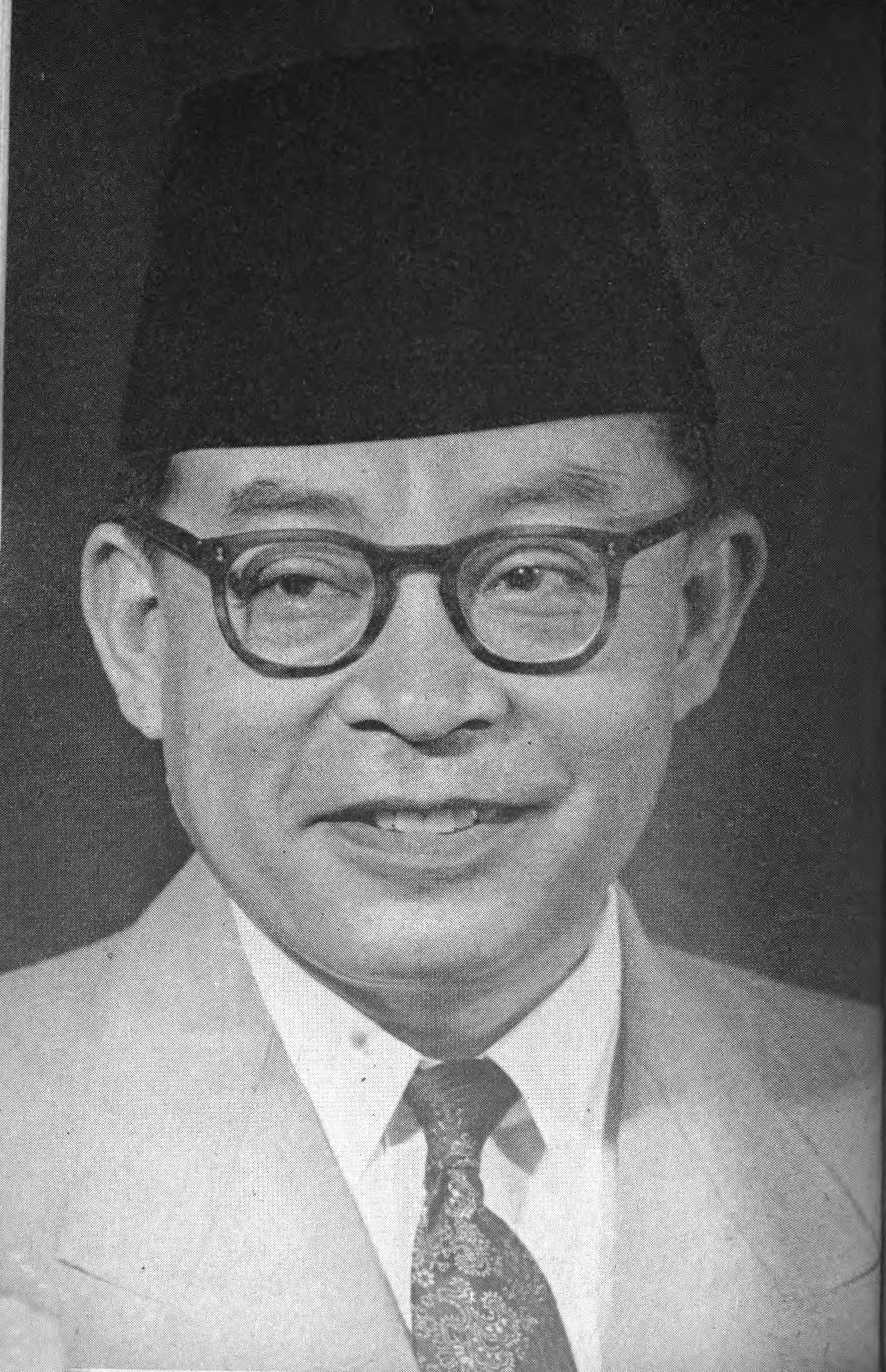
Mohammad Hatta
 (Mohammad Hatta (Bung Hatta))
Founding Father and first Vice President of Indonesia 'Bung Hatta' who co-proclaimed Indonesian independence alongside Sukarno on August 17, 1945, led the delegation to the 1949 Dutch-Indonesian Round Table Conference, and founded the Indonesian cooperative economic movement.