Public Figures & Cultural Luminaries
Filterable archive covering centuries of intellectual, artistic, and moral contributions to the human story.
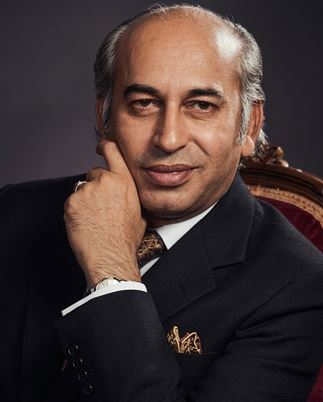
Zulfikar Ali Bhutto
 (ذوالفقار علی بھٹو)
Drafted the enduring 1973 Constitution of Pakistan, secured the return of 93,000 prisoners of war via the Simla Agreement, and pioneered Islamic socialist populism.
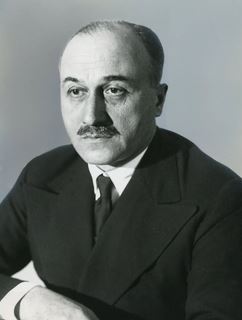
Jean Monnet
 (Jean Omer Marie Gabriel Monnet)
Chief architect of European integration, pioneered functional economic cooperation that transformed historic national rivalries into lasting peace.
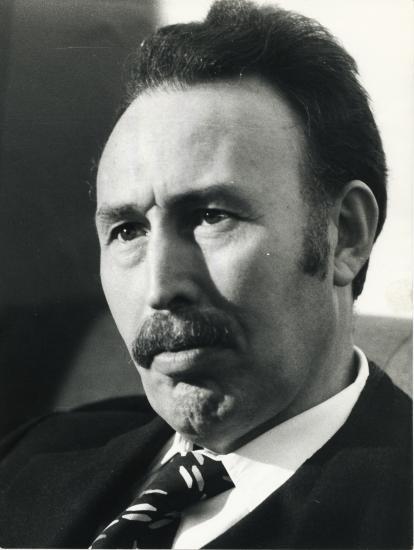
Houari Boumédiène
 (هواري بومدين)
Commanding Algerian statesman and military strategist who served as Chief of Staff of the ALN, Chairman of the Revolutionary Council, and President of Algeria (1965–1978), championing industrialization, nationalization of hydrocarbons, and Third World non-alignment.
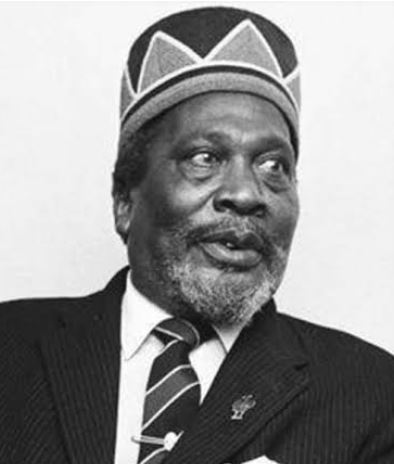
Jomo Kenyatta
 (Kamau wa Ngengi (Jomo Kenyatta))
Founding Father of Kenya who transformed the colony into a stable, capitalist, pro-Western East African hub with deep civic unity.
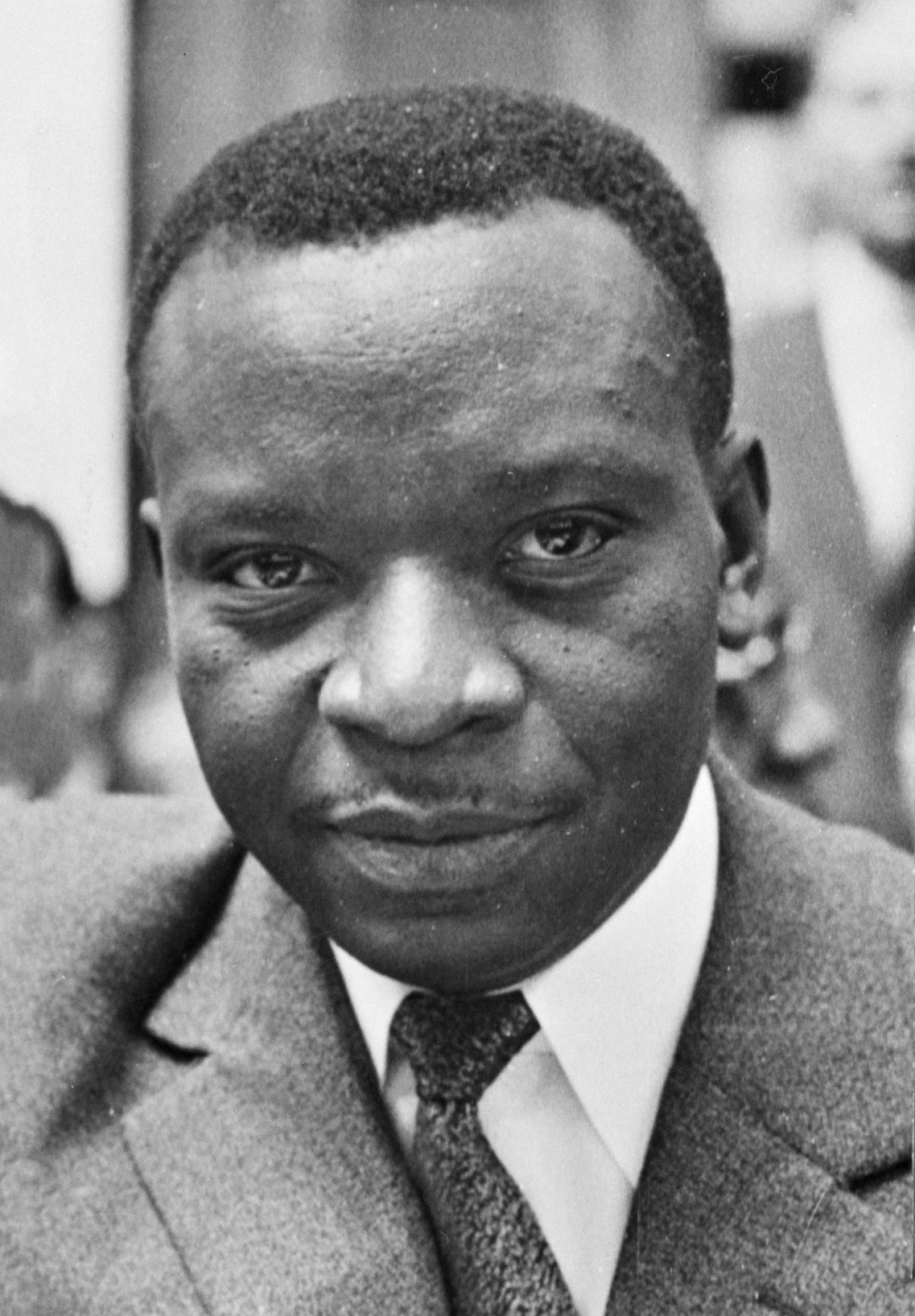
Cyrille Adoula
 (Cyrille Adoula)
Prime Minister of the Democratic Republic of the Congo who formed a government of national reconciliation during the Congo Crisis and successfully reintegrated secessionist Katanga.
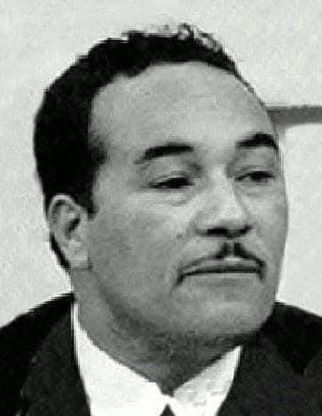
Kaïd Ahmed (Commandant Si Slimane)
(قايد أحمد (سي سليمان))
Senior ALN commander (Commandant Si Slimane) in Wilaya 5, Minister of Finance and Tourism, and party chief who spearheaded early agrarian and economic modernization.
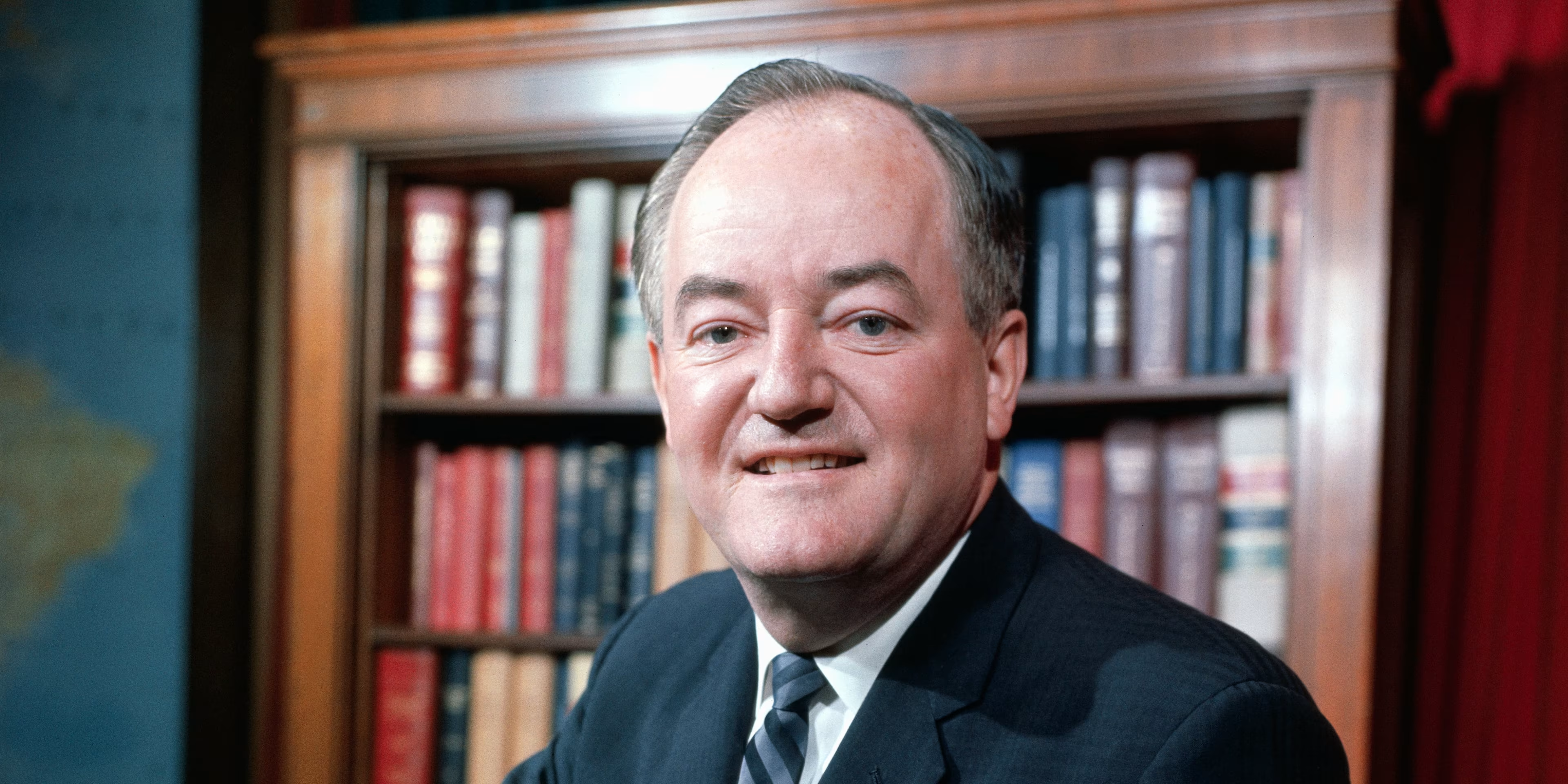
Hubert Humphrey
 (Hubert Horatio Humphrey Jr.)
38th US Vice President, Minnesota Senator, and 'The Happy Warrior' whose historic 1948 civil rights speech committed the Democratic Party to racial equality.
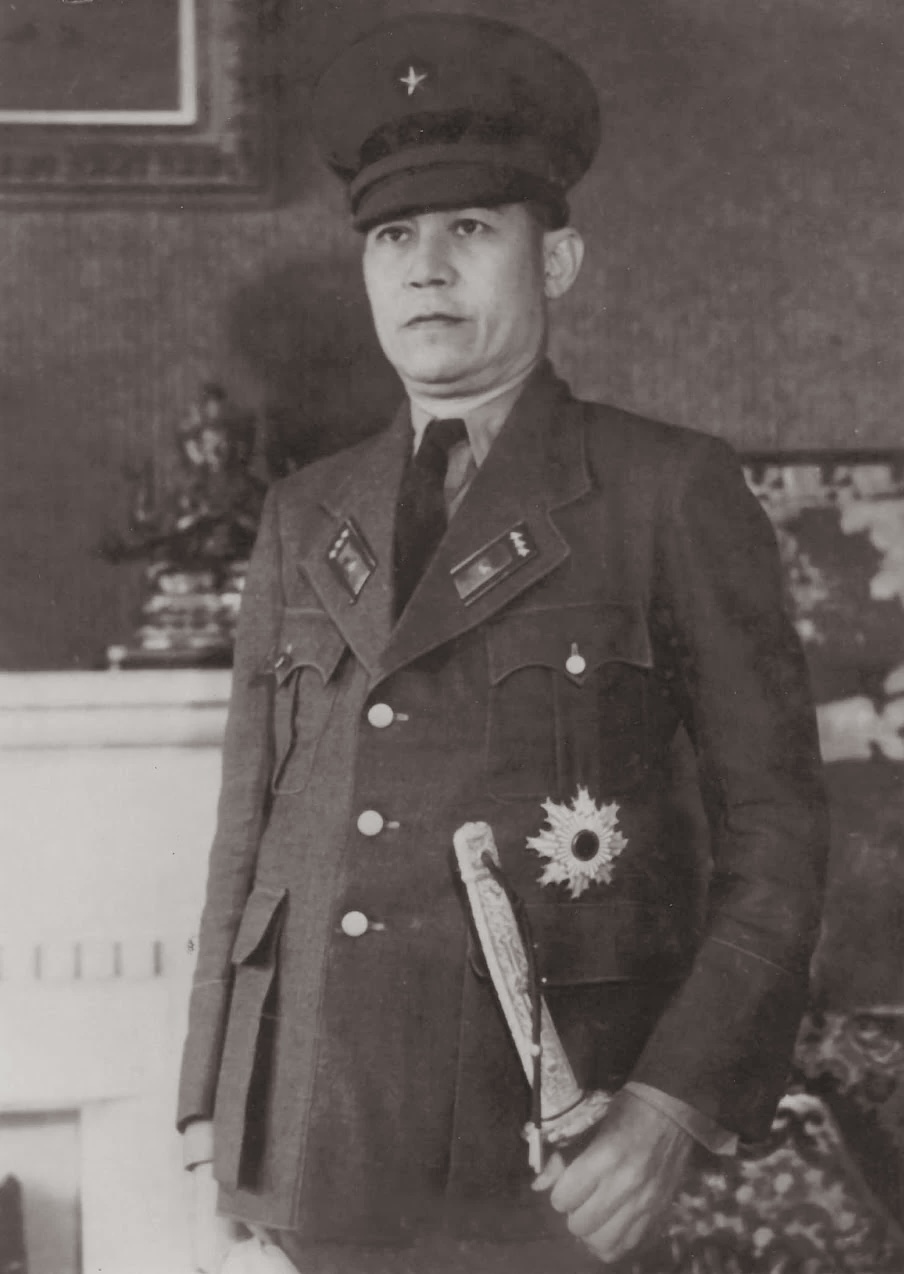
Ba Maw (ဒေါက်တာဘမော်)
Burmese statesman who served as the first Premier of British Burma in 1937 and Head of State (Adipadi) of wartime Burma during the Japanese occupation, authoring Breakthrough in Burma.
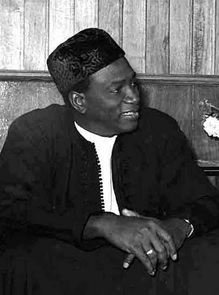
Modibo Keita
 (Modibo Keita)
Founding Father and first President of the Republic of Mali (1960–1968), charismatic Pan-Africanist who led Mali to independence, created the Mali-Ghana-Guinea Union, and helped draft the founding charter of the Organization of African Unity (OAU).
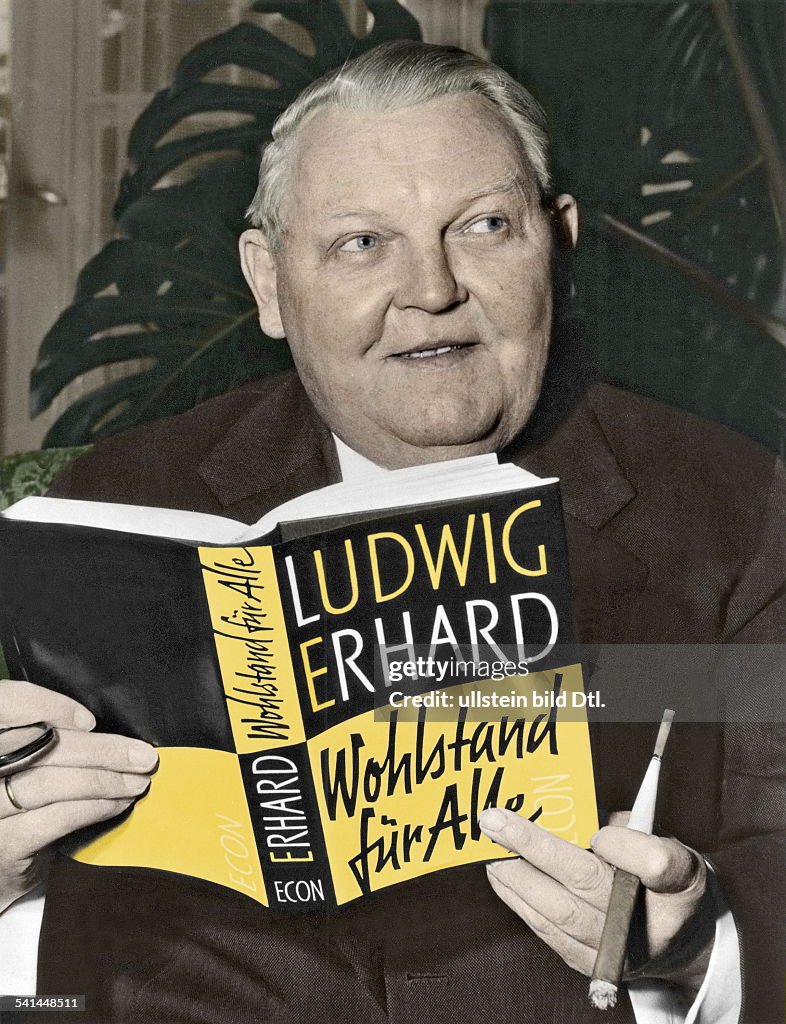
Ludwig Erhard
 (Ludwig Wilhelm Erhard)
Father of the West German 'Economic Miracle' (Wirtschaftswunder) and Chancellor who created the Social Market Economy (Soziale Marktwirtschaft).
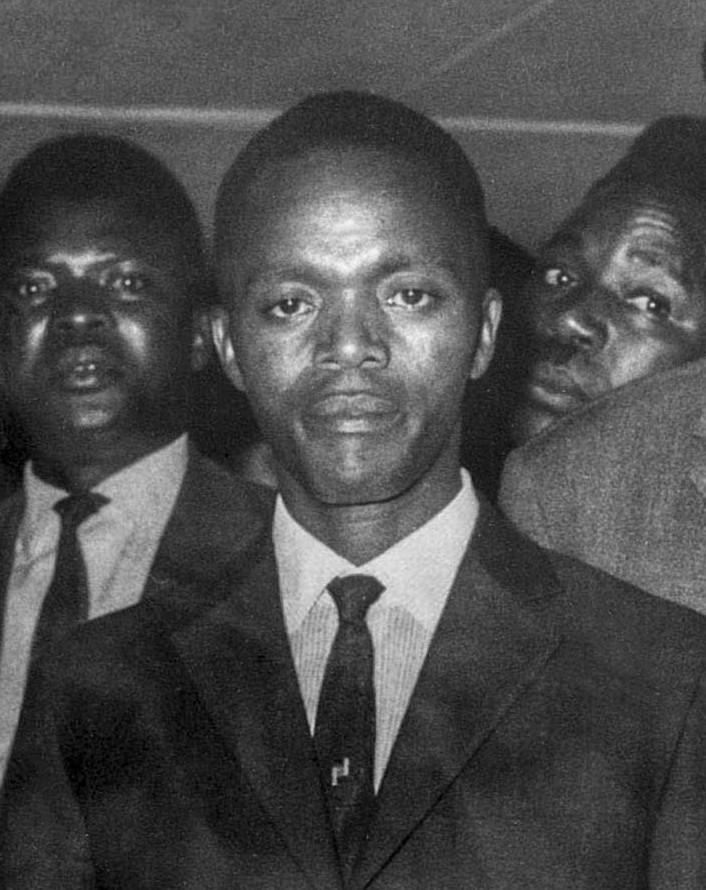
Gregoire Kayibanda
 (Grégoire Kayibanda)
First President of Rwanda who authored the Bahutu Manifesto in 1957, led the 1959 social revolution ending the centuries-old Tutsi monarchy, and achieved national independence in 1962.
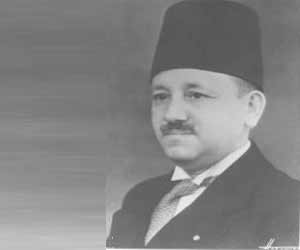
M'hamed Chenik
 (محمد شنيق)
Patriotic banker and twice Prime Minister of Tunisia (1943, 1950–1952) who formed the first nationalist negotiation government demanding internal autonomy and took Tunisia's case to the UN.
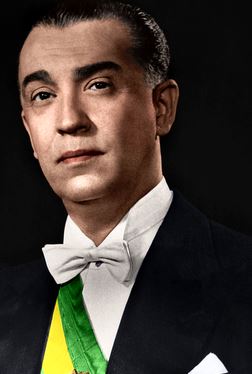
Juscelino Kubitschek
 (Juscelino Kubitschek de Oliveira)
Creator of Brasília, transforming the inland geographical integration of Brazil; symbolized an era of democratic optimism, cultural effervescence (Bossa Nova), and developmental audacity.
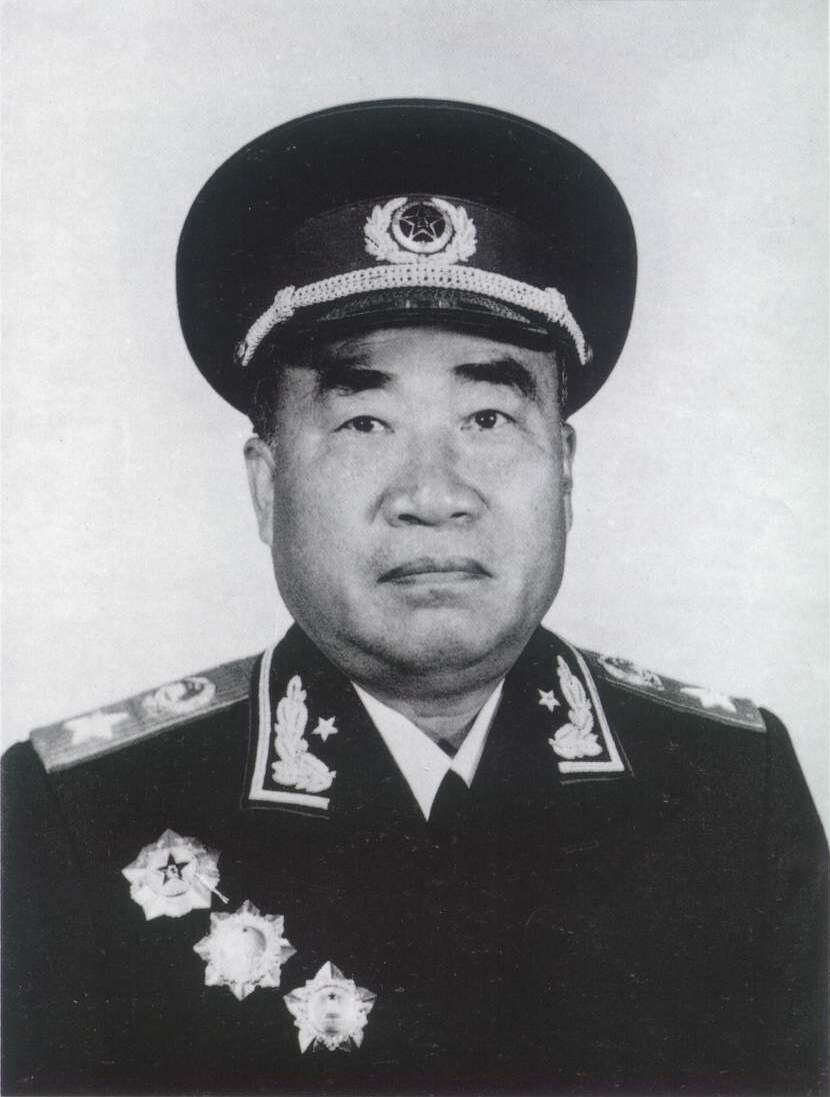
Zhu De
 (朱德)
Senior military founder of the Chinese Red Army (PLA) alongside Mao Zedong, revered as Marshal Zhu De, who commanded the Long March, the Eighth Route Army against Japan, and the Civil War.
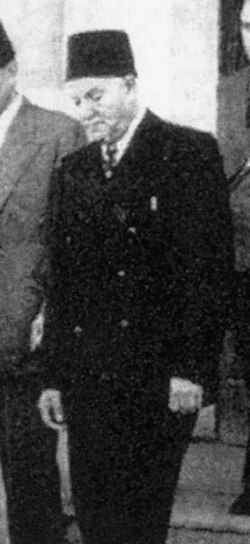
Muhammad Sakizli
 (محمد الساقزلي)
Respected constitutional statesman who served as Prime Minister of the Kingdom of Libya in 1954, President of Cyrenaica's Executive Council, and Minister of Foreign Affairs under King Idris I.
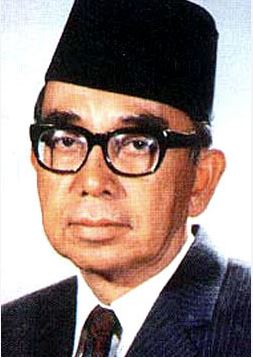
Tun Abdul Razak
 (Tun Haji Abdul Razak bin Dato' Hussein)
Engineered Malaysia's socio-economic stability and affirmative action framework (NEP) that fostered an educated middle class, and founded the Barisan Nasional coalition.
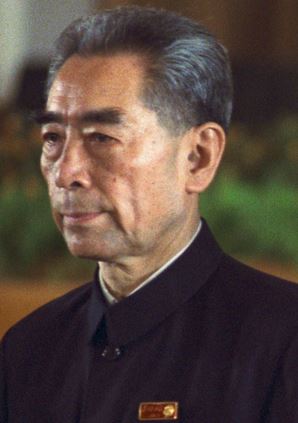
Zhou Enlai
(周恩来)
The pragmatic, moderating force behind Chinese governance for three decades; architect of Sino-American rapprochement with Nixon and Kissinger.
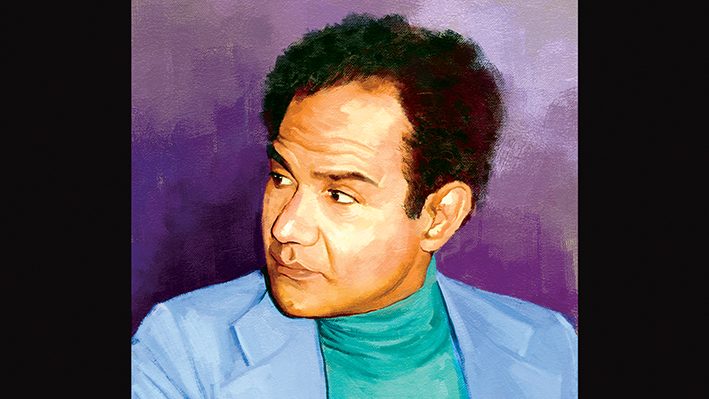
Omar Benjelloun
 (عمر بنجلون)
Heroic Moroccan trade unionist, lawyer, chief editor of socialist daily 'Al-Mouharrir', and co-founder of the USFP whose brutal assassination shook the Moroccan political conscience.