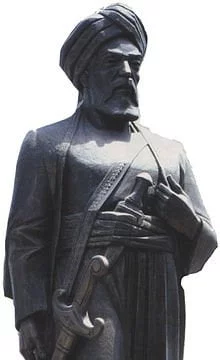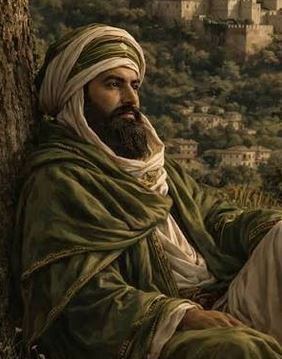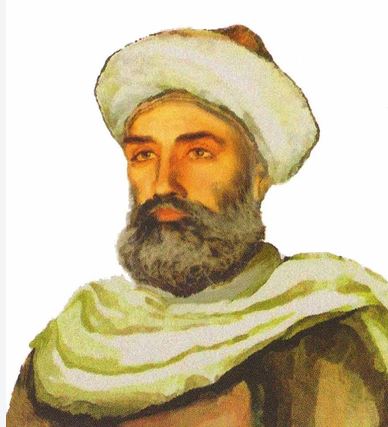
Al-Mu'izz ibn Ziri
Maghrawa Zenata ruler who governed Fez and northern Morocco from 999 to 1026, building the defensive walls of Fez and welcoming Andalusian scholars fleeing the collapse of the Cordoba Caliphate.
Start typing to search worldwide archives and community tributes
Filterable archive covering centuries of intellectual, artistic, and moral contributions to the human story.
Maghrawa Zenata ruler who governed Fez and northern Morocco from 999 to 1026, building the defensive walls of Fez and welcoming Andalusian scholars fleeing the collapse of the Cordoba Caliphate.
Longest-reigning Emperor of the Byzantine Empire who created the Varangian Guard and brought the medieval empire to its military zenith.
Greatest 10th-century Arab humanist essayist, author of Al-Imta' wa-al-Mu'anasa, celebrated for his philosophical skepticism and psychological insight.
Foremost Twelver Shia theologian and jurist in Buyid Baghdad whose masterworks 'Kitab al-Irshad' and 'Tashih al-I'tiqad' established rationalist theology and legal methodology.
Byzantine mystic, abbot of Saint Mamas, and poet of divine light whose 'Hymns of Divine Love' urged personal, conscious experience of the Holy Spirit.
Supreme patron saint of Tunis whose moral courage, theological erudition, and protection of the Jewish community within the medina earned him the eternal title 'Sultan of the Medina'.
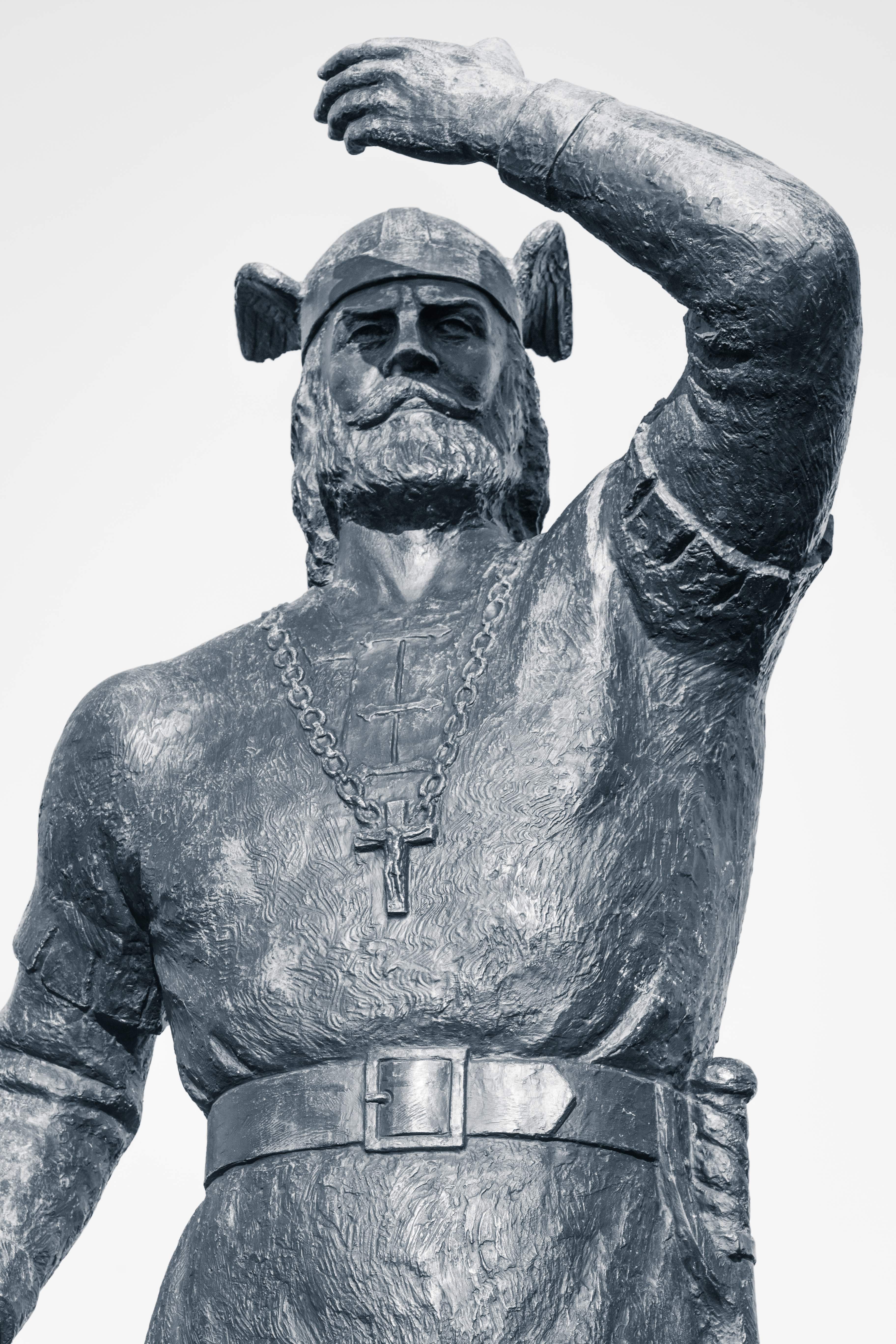
Legendary Norse explorer who sailed west from Greenland around the year 1000 to become the first European to set foot on continental North America, naming the new land Vinland.
Sanhaja Berber prince and general who crossed into Al-Andalus, founded the independent Taifa of Granada in 1013, and relocated the city to the slopes of the Alhambra.
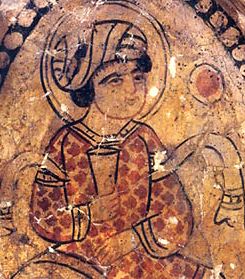
Venerated 11th-century wandering dervish and lyric poet whose passionate, rustic do-bayti quatrains became foundation stones of Persian folk singing.
Third Zirid Emir who governed central North Africa from Achir, brother of Hammad ibn Buluggin and defender of Sanhaja unity.
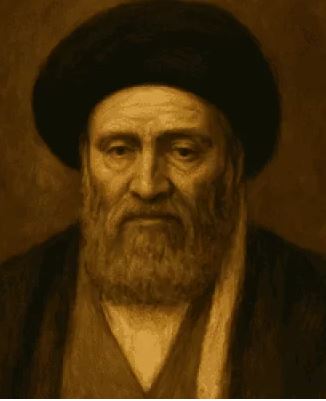
Great Arab poet, scholar, and statesman of Baghdad who compiled 'Nahj al-Balagha' (The Peak of Eloquence), assembling the immortal sermons and letters of Ali ibn Abi Talib.
Distinguished Hadith master, judge, and historian whose 'Al-Mustadrak ala al-Sahihayn' collected authentic traditions meeting the criteria of Bukhari and Muslim.
Legendary emperor of the Chola Empire who transformed southern India into a maritime superpower and erected the majestic Brihadisvara Temple.
Foremost Ash'ari theologian, Maliki judge, and diplomat whose 'I'jaz al-Quran' established the theological doctrine of the Quran's inimitable literary miracle.
'Father of Operative Surgery' of Islamic Spain whose 30-volume Al-Tasrif introduced over 200 surgical instruments, catgut internal sutures, and shaped surgery across Europe for 500 years.
Eminent 10th-century Kairouanese jurist and educator who authored Al-Risalah al-Mufassilah, the earliest systematic Islamic educational treatise on pedagogical ethics and equal schooling for girls.
Fatimid Egyptian astronomer and mathematician who compiled the legendary 'Zij al-Kabir al-Hakimi' (The Hakemite Tables), formulated early prosthaphaeresis trigonometric identities, and observed eclipses with unprecedented accuracy.
First King of the Franks of the House of Capet, elected in 987, who founded the Capetian dynasty that governed France through direct and cadet lines for over eight centuries.