 Spain
•
7 views
Spain
•
7 views
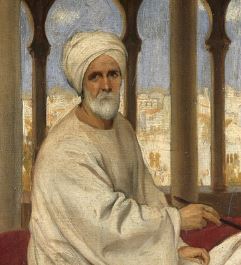
Al-Zahrawi (Abulcasis)

Madinat al-Zahra (Cordoba), Spain
Archival Overview
'Father of Operative Surgery' of Islamic Spain whose 30-volume Al-Tasrif introduced over 200 surgical instruments, catgut internal sutures, and shaped surgery across Europe for 500 years.
Biographical Record
Abu al-Qasim al-Zahrawi (936–1013 CE), known to medieval Christendom as Abulcasis, was the court physician to Caliph al-Hakam II in the brilliant Andalusian capital of Cordoba. His thirty-volume medical encyclopedia, Kitab al-Tasrif, transformed surgery from an unlettered craft into a prestigious, scientific branch of medicine.
Al-Zahrawi invented over 200 precision surgical instruments (scalpels, bone saws, forceps, specula, and cauteries), illustrating them with exact technical drawings. He was the first to use catgut strings from animal intestines for dissolving internal stitches, pioneered lithotrity (crushing bladder stones), and documented the hereditary nature of hemophilia.
Key Life Milestones
Completion of the 30-Volume 'Kitab al-Tasrif'
Published the first fully illustrated surgical manual in history, introducing over 200 surgical tools.
Invention of Catgut Sutures & Specialized Instruments
Pioneered dissolving internal sutures using sheep intestines and invented the vaginal speculum and lithotrite.
Memorial Guestbook & Tributes
0 messages recordedLeave a Respectful Tribute
Final Resting Place
Perpetual MemorialCordoba (Andalusia), Spain