Public Figures & Cultural Luminaries
Filterable archive covering centuries of intellectual, artistic, and moral contributions to the human story.
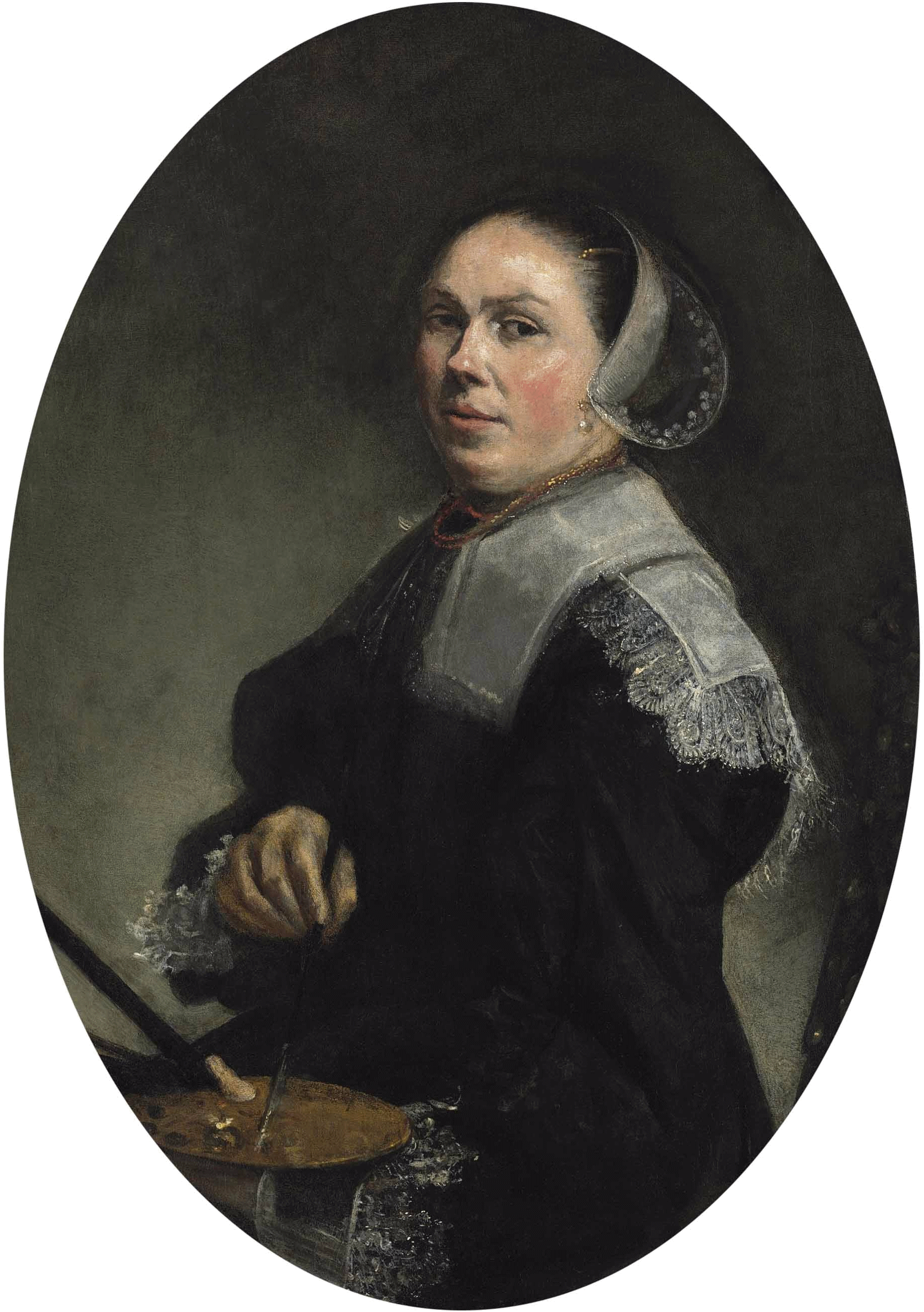
Judith Jans Leyster
 (Judith Leyster)
Leading woman master of the Dutch Golden Age and one of the first admitted to the Haarlem Guild of Saint Luke, celebrated for lively genre scenes and her sparkling 'Self-Portrait'.
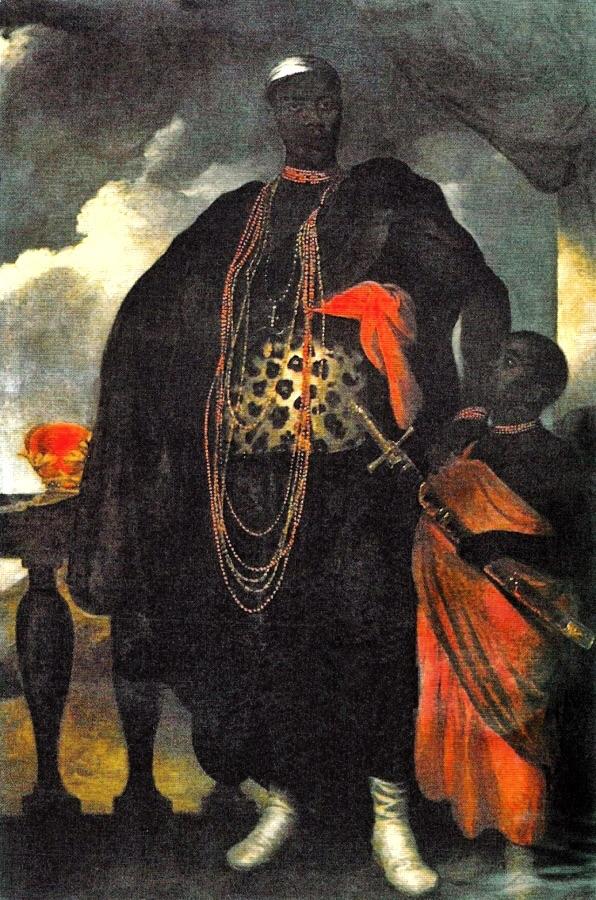
Garcia II of Kongo
 (Garcia II Nkanga a Lukeni a Nzenze a Ntumba)
One of the greatest Manikongos (Kings) of Kongo, who formed a strategic military alliance with the Dutch West India Company and Queen Nzinga to resist Portuguese encroachment.
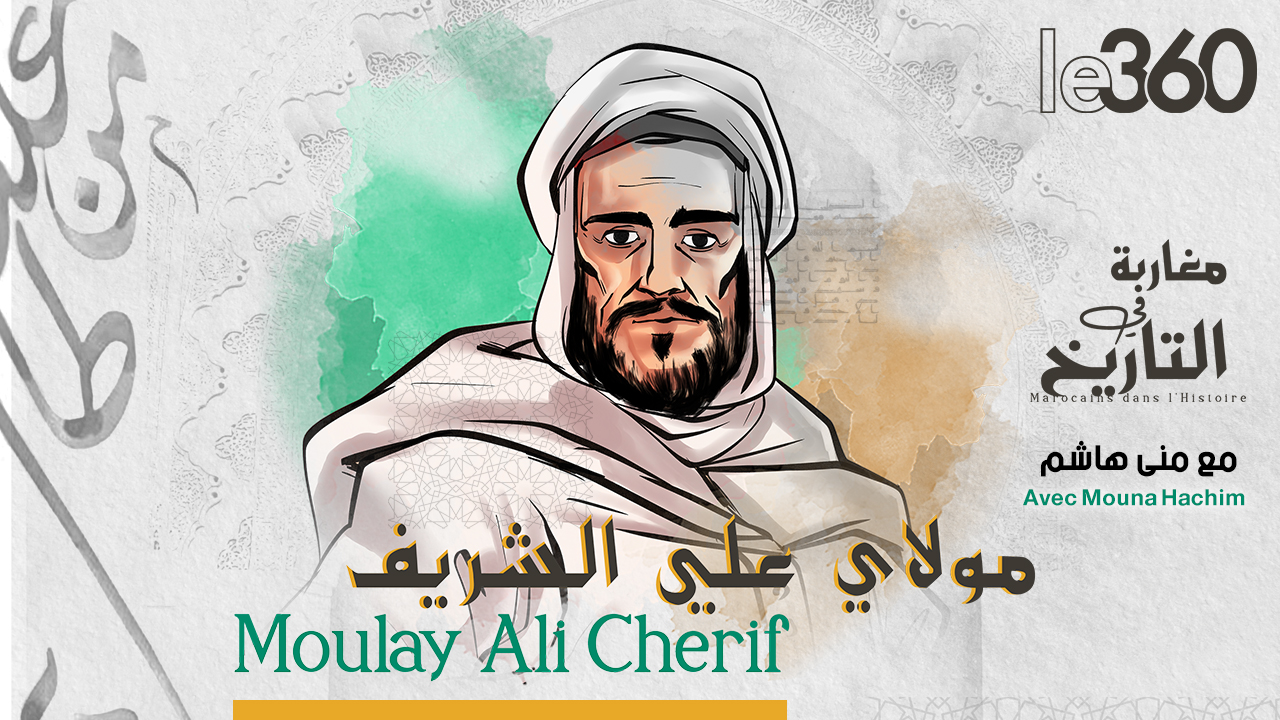
Moulay Ali Cherif
 (مولاي علي الشريف)
Patriarch and founder of the Alaouite dynasty of Morocco, descended from Hasan ibn Ali, who was proclaimed Emir of Tafilalet in 1631, establishing the ruling royal house of Morocco.
Frans Snyders
 (Frans Snyders)
Flemish Baroque master who revolutionized animal and market painting, creating ferocious hunting scenes and bountiful pantry still lifes, frequently collaborating with Peter Paul Rubens.
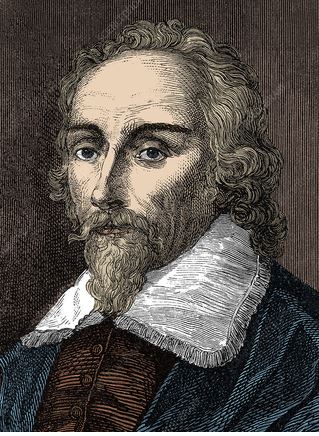
William Harvey
 (William Harvey)
English physician whose 1628 masterwork De Motu Cordis proved the complete systemic circulation of blood pumped continuously by the heart in a closed circuit throughout the body.
Clara Peeters
(Clara Peeters)
Trailblazing Flemish woman painter who pioneered the ontbijtjes (breakfast pieces) still-life genre, famed for luminous metal reflections that frequently included miniature self-portraits.
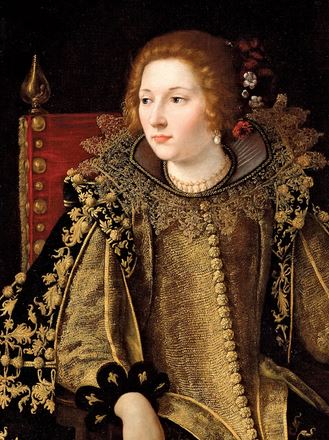
Artemisia Gentileschi
 (Artemisia Lomi Gentileschi)
Pioneering Italian Baroque painter who triumphed over adversity to become the first female member of Florence's Accademia delle Arti del Disegno.
Hélène Boullé
 (Hélène Boullé)
Wife of Samuel de Champlain who lived in Quebec from 1620 to 1624, captivated Indigenous allies with her grace, and later founded an Ursuline convent in Montauban.
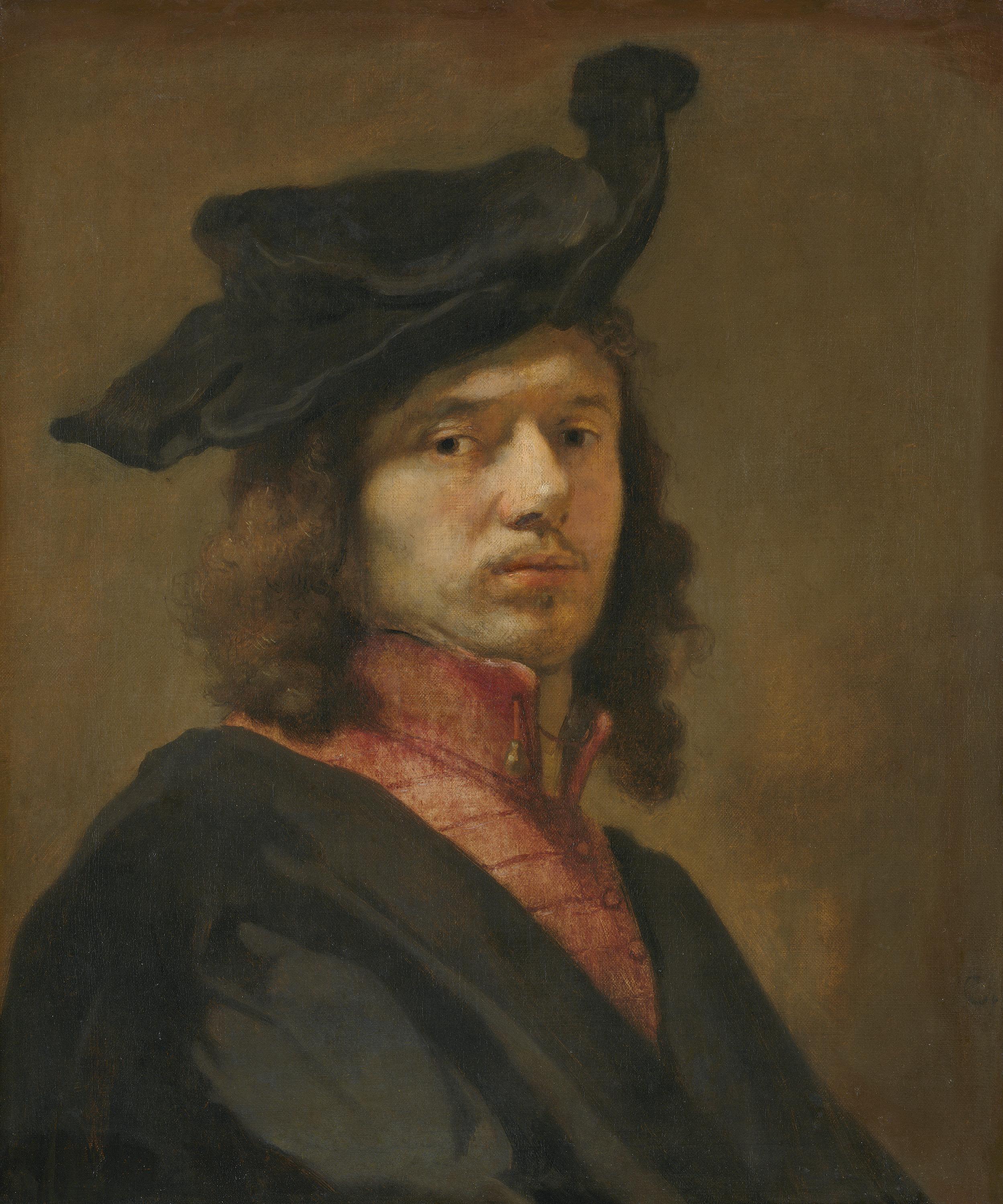
Carel Pietersz Fabritius
(Carel Fabritius)
Rembrandt's most brilliant student and mentor of Vermeer whose exquisite, luminous trompe-l'œil masterpiece 'The Goldfinch' survived the tragic Delft explosion of 1654.
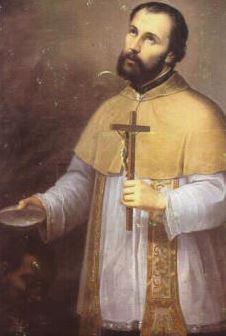
Saint Peter Claver
 (Pere Claver i Sobocano)
Prêtre jésuite catalan, autoproclamé « esclave des esclaves pour toujours », qui soigna et défendit plus de 300 000 captifs africains déportés à Carthagène des Indes.
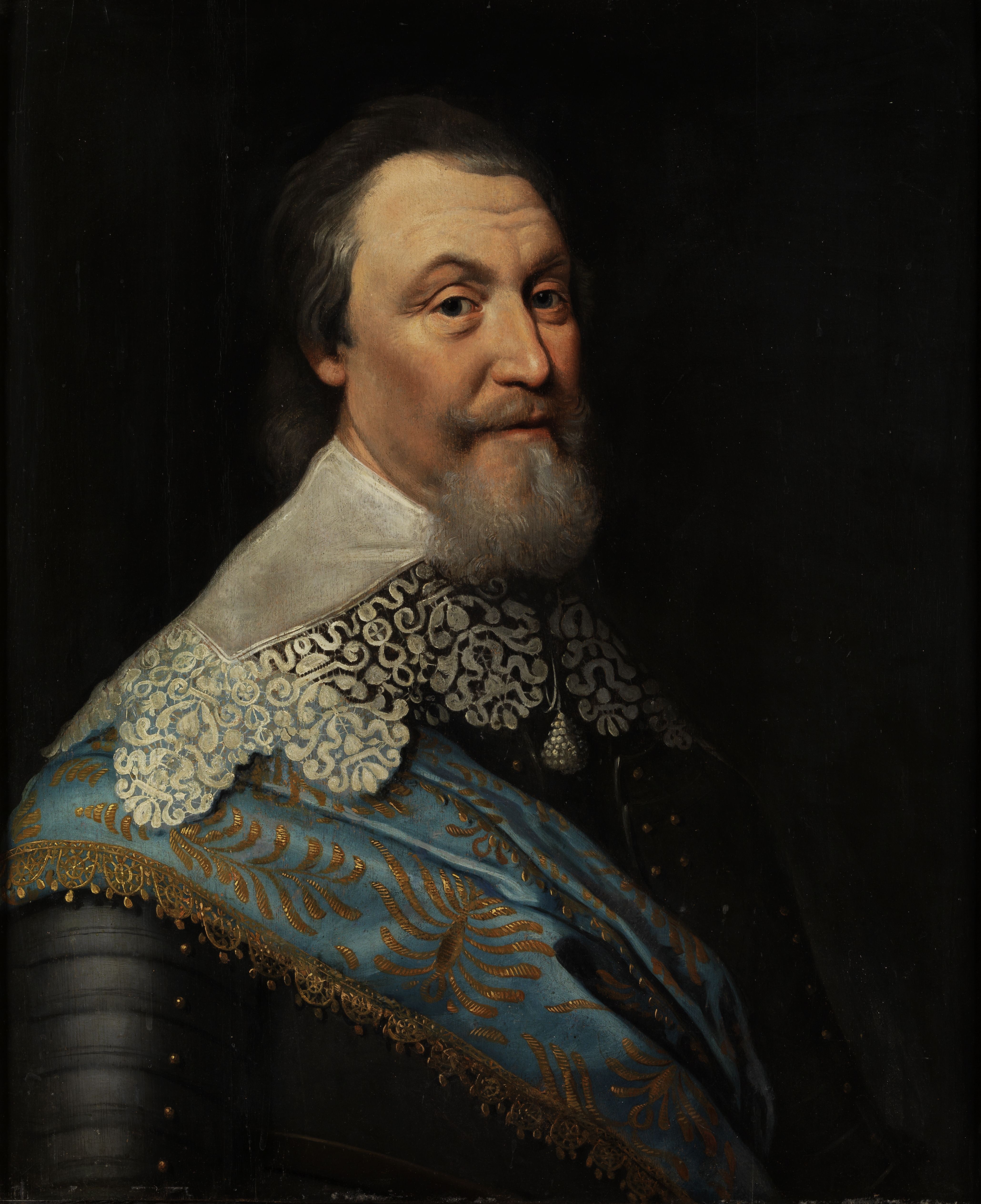
Axel Oxenstierna
 (Axel Gustafsson Oxenstierna)
Lord High Chancellor of Sweden (1612–1654), close partner of King Gustavus Adolphus, and architect of the modern administrative state and Swedish Great Power era (Stormaktstiden).
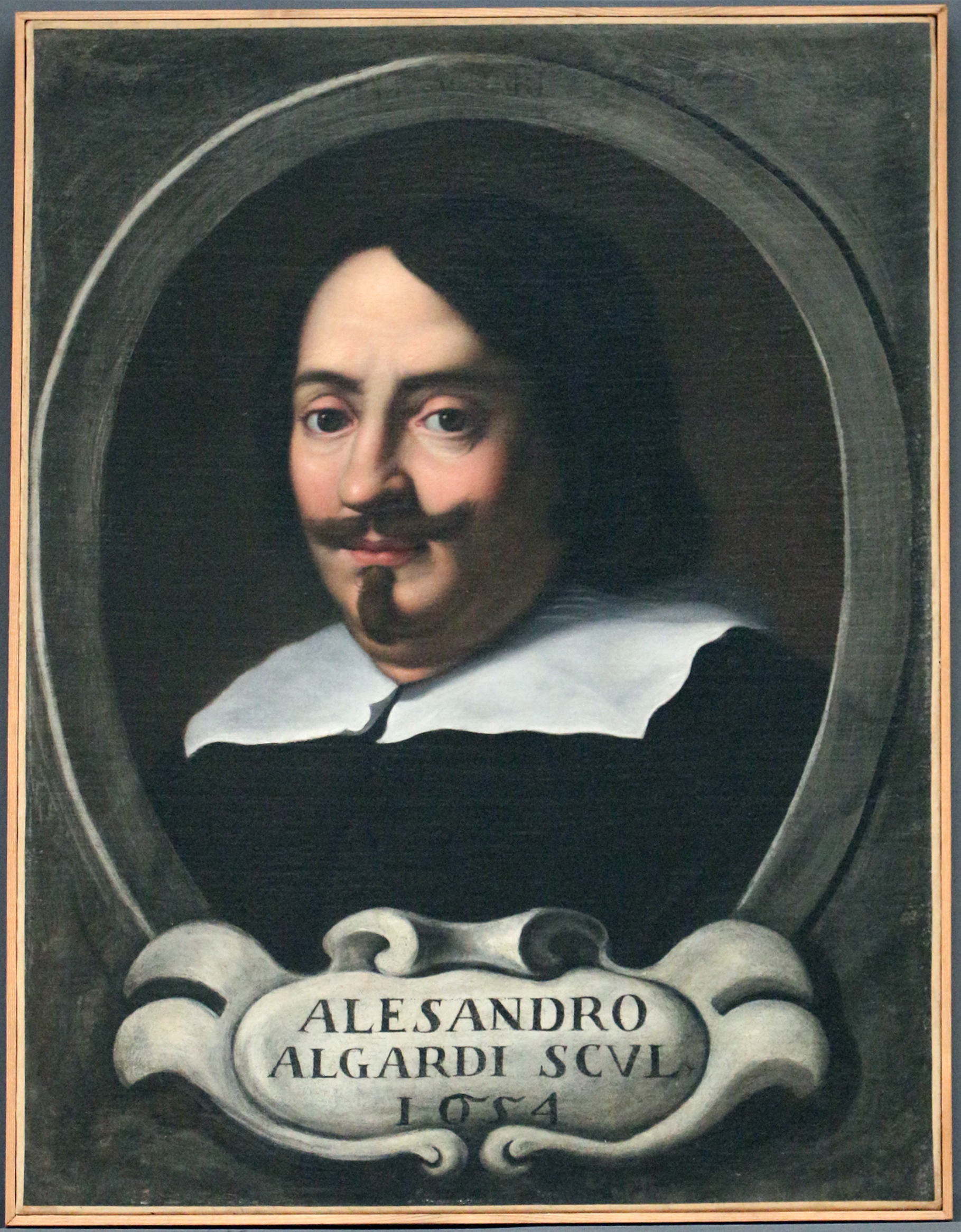
Alessandro Algardi
(Alessandro Algardi)
Bolognese Baroque sculptor, chief rival of Bernini in Rome, whose colossal marble relief 'The Expulsion of Attila' in Saint Peter's Basilica set the peak of high-relief drama.
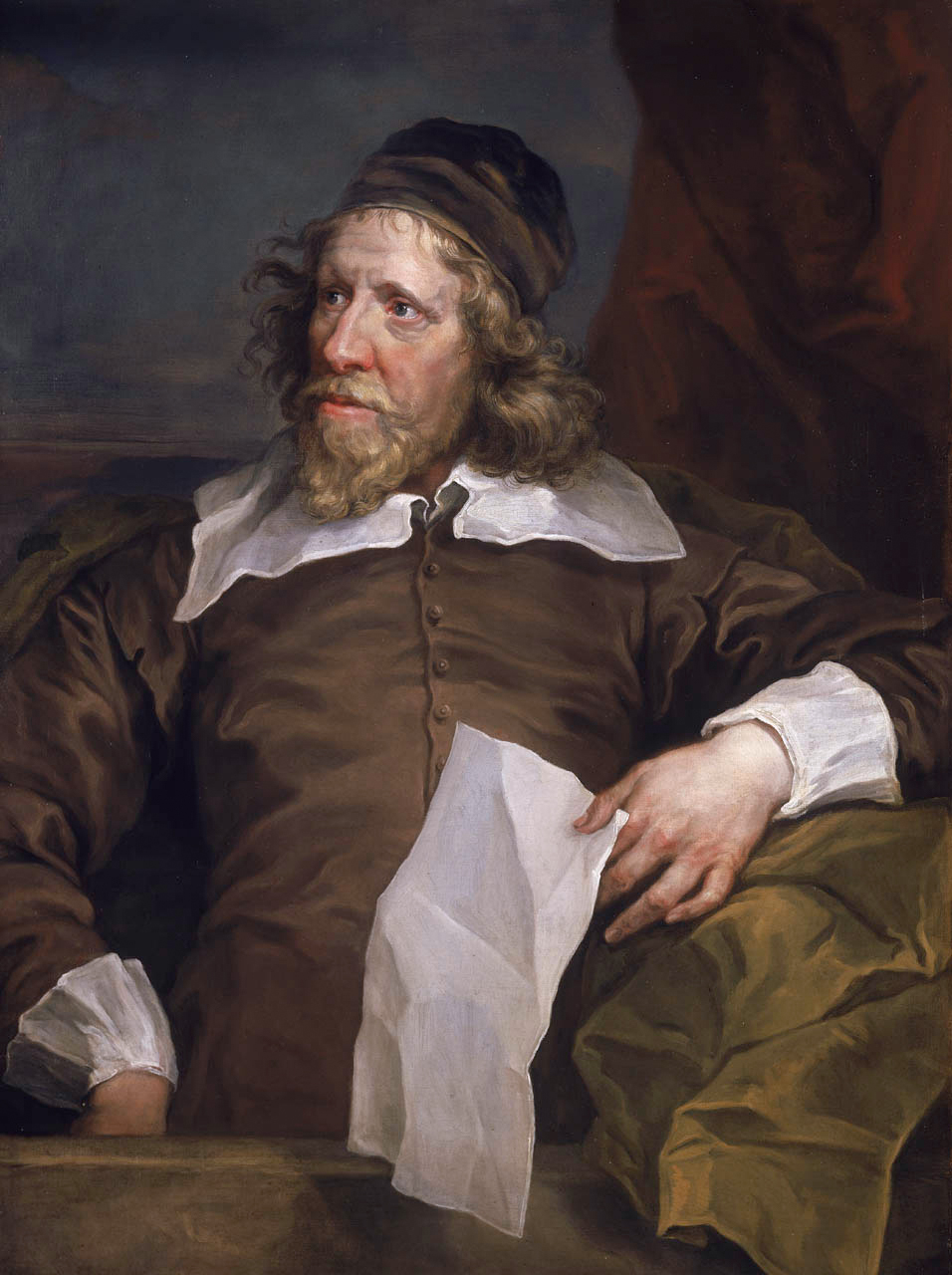
Inigo Jones
(Inigo Jones)
First significant English architect who introduced classical Renaissance and Palladian architecture to Britain, designing the Queen's House at Greenwich and the Banqueting House at Whitehall.
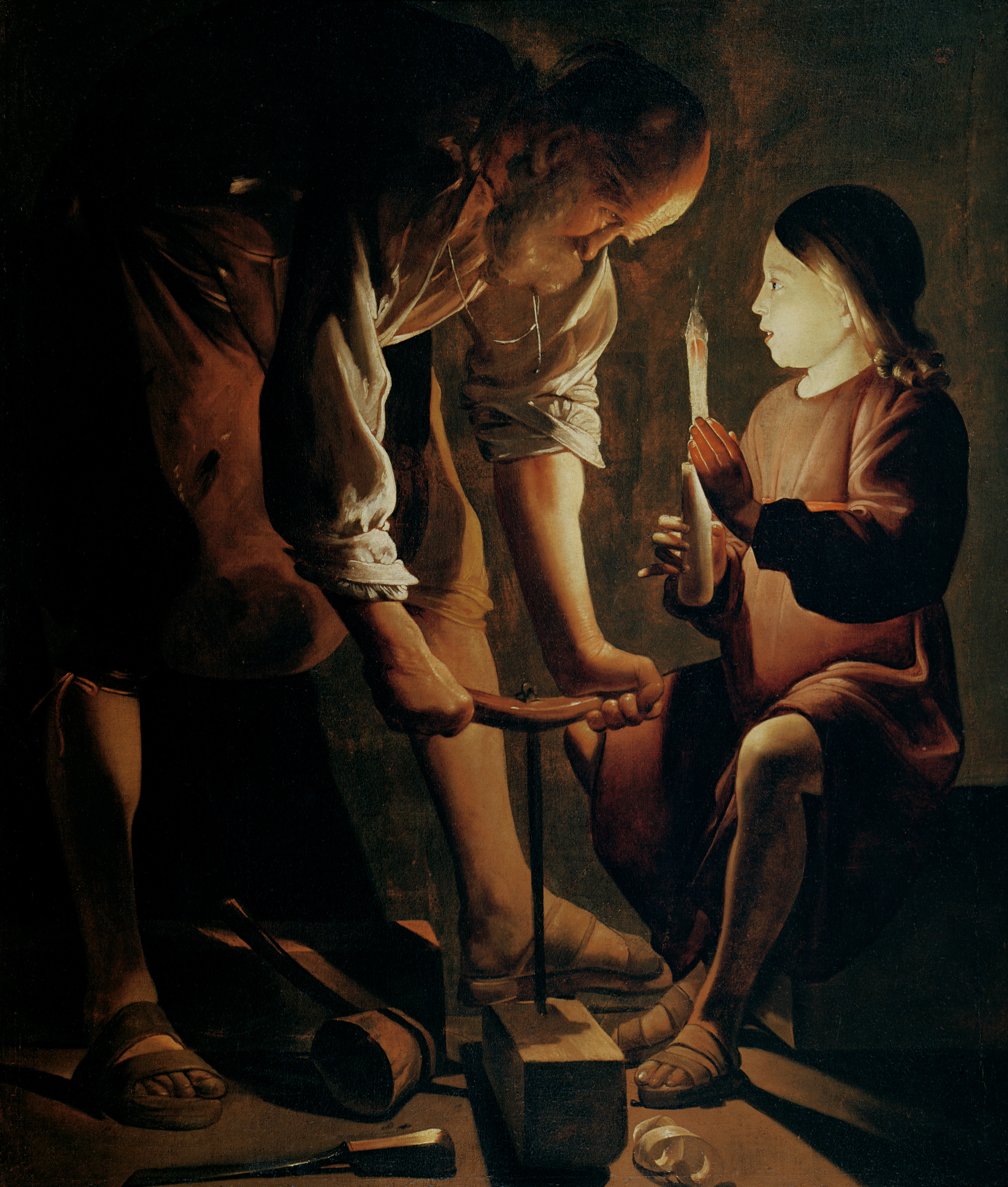
Georges de La Tour
(Georges de La Tour)
Master of French Baroque chiaroscuro whose serene, meditative nocturnal paintings illuminated by a single candle—such as 'The Penitent Magdalene'—are peaks of silent spirituality.
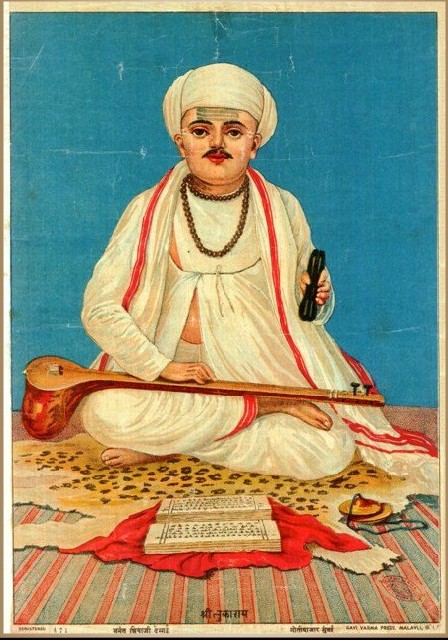
Tukaram Bolhoba Ambile
 (संत तुकाराम)
Beloved Maharashtrian Bhakti poet-saint whose ecstatic 'Abhangas' dedicated to Lord Vitthala of Pandharpur inspired Chhatrapati Shivaji Maharaj and democratized Hindu devotion.
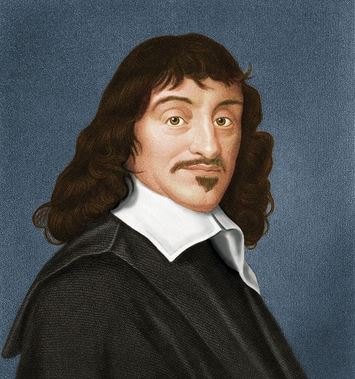
René Descartes
(René Descartes)
'Father of Modern Philosophy' and inventor of Cartesian coordinates, who demolished skepticism through radical doubt to discover the bedrock principle: Cogito, ergo sum.
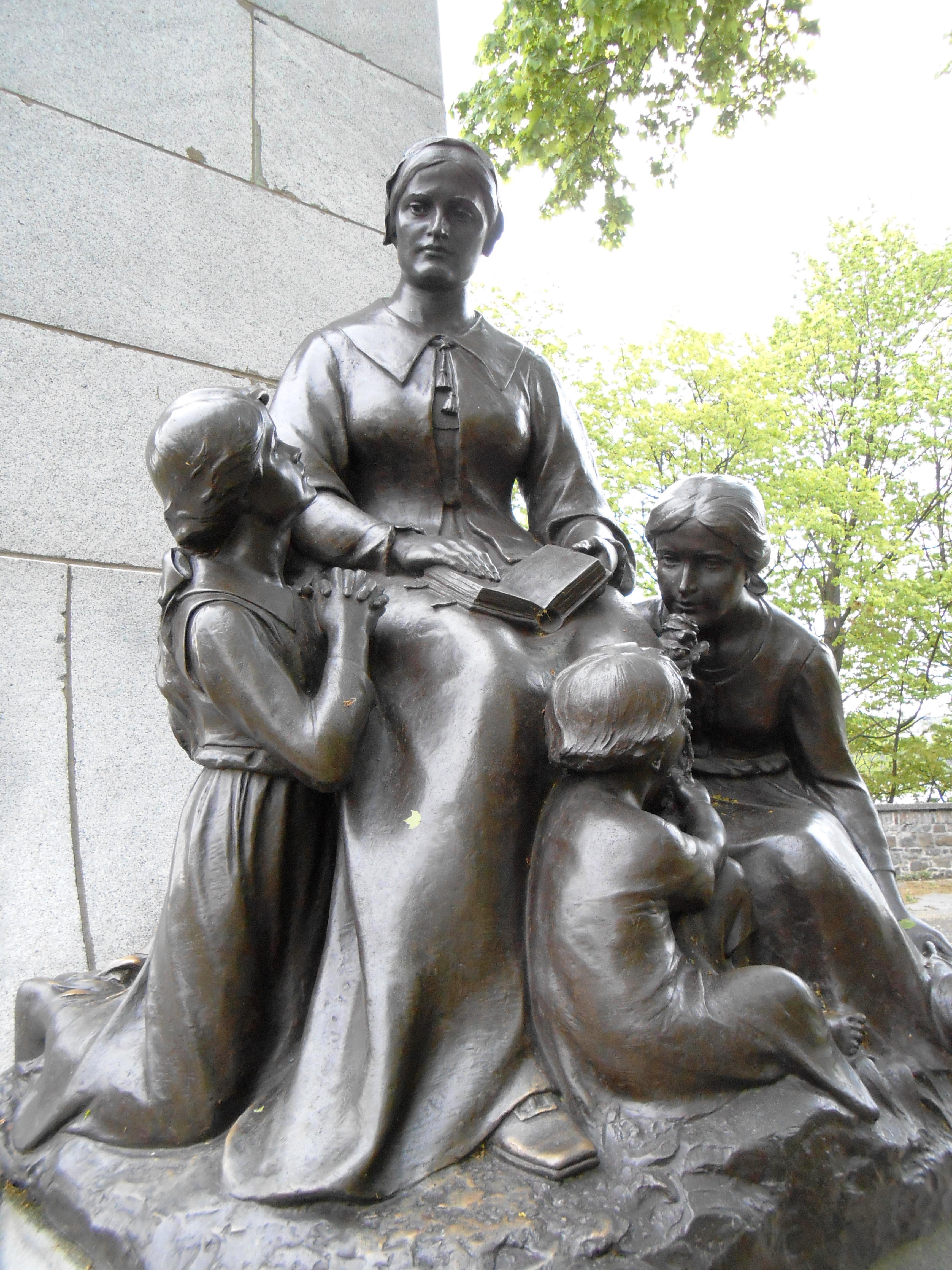
Marie Rollet
(Marie Rollet)
Courageous Parisian woman who arrived in Quebec with husband Louis Hébert in 1617, serving as Canada's first European nurse, educator of Indigenous youth, and matriarch of French Canada.
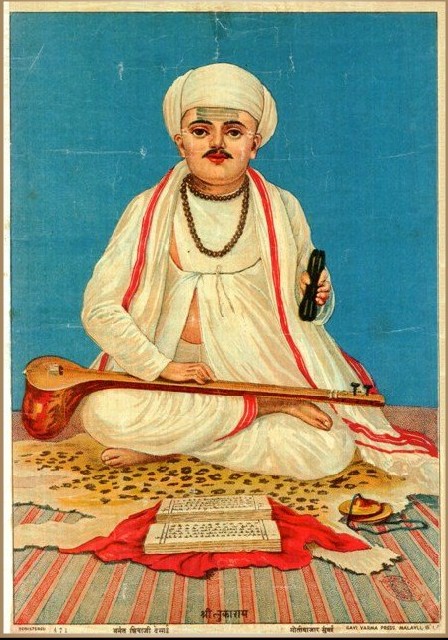
Sant Tukaram
(संत तुकाराम)
17th-century Marathi poet-saint whose 4,500 devotional 'Abhangas' championed spiritual egalitarianism, denounced religious hypocrisy, and served as the spiritual guiding light to Chhatrapati Shivaji Maharaj.