Public Figures & Cultural Luminaries
Filterable archive covering centuries of intellectual, artistic, and moral contributions to the human story.
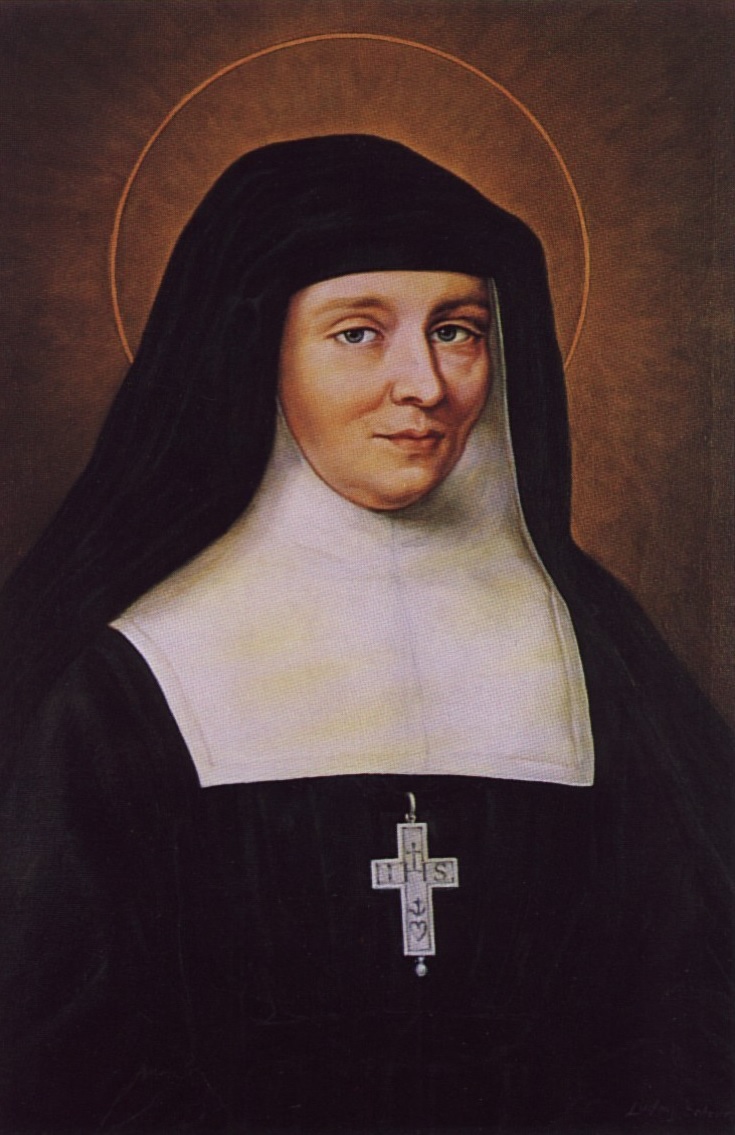
Jeanne-Françoise Frémyot de Chantal
 (Jeanne de Chantal)
French noblewoman and mystic who co-founded the Order of the Visitation of Holy Mary with Francis de Sales, pioneering contemplative religious life accessible to widows and frail women.
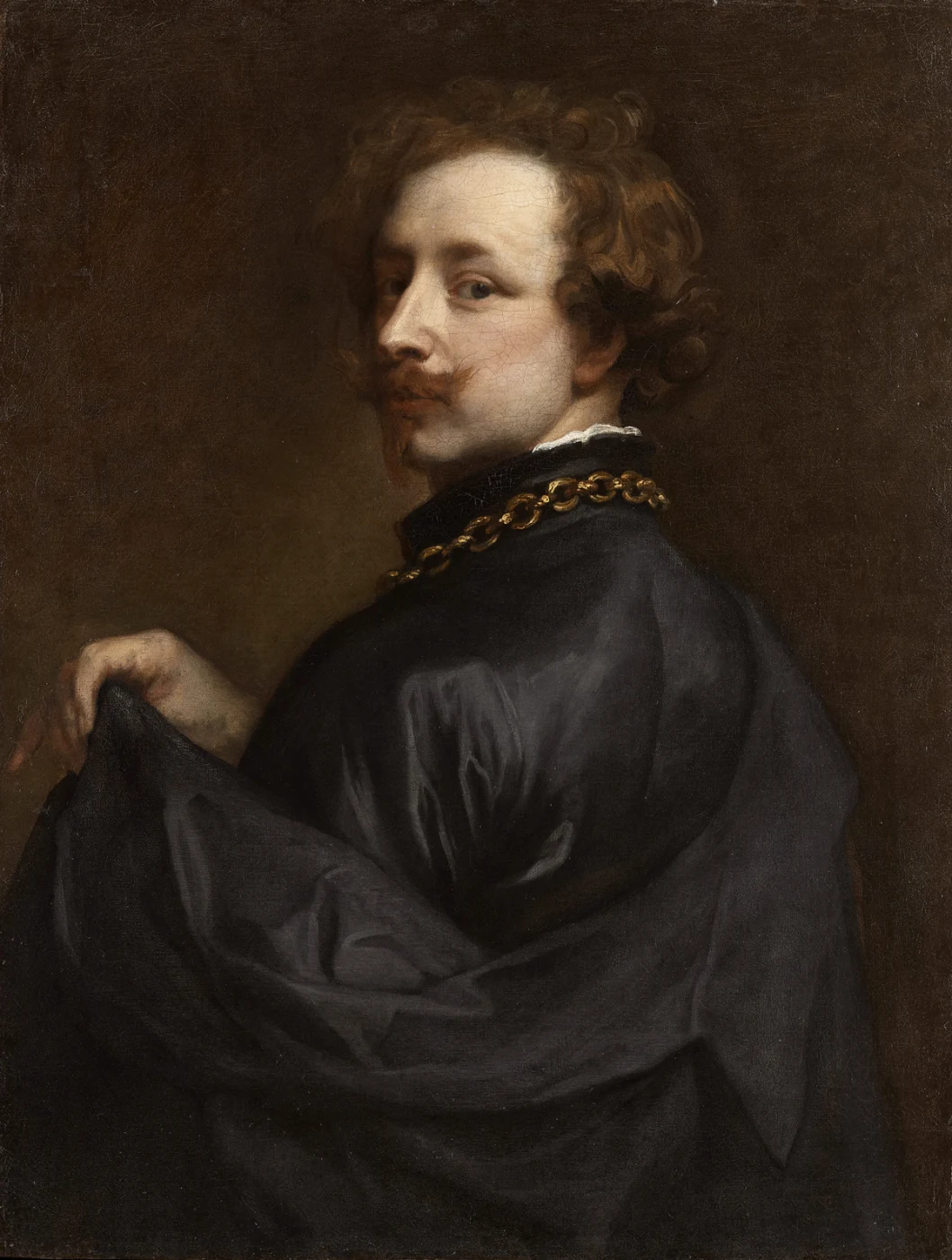
Anthony van Dyck
 (Antoon van Dyck)
Flemish Baroque virtuoso who transformed English portraiture as leading court painter to King Charles I.
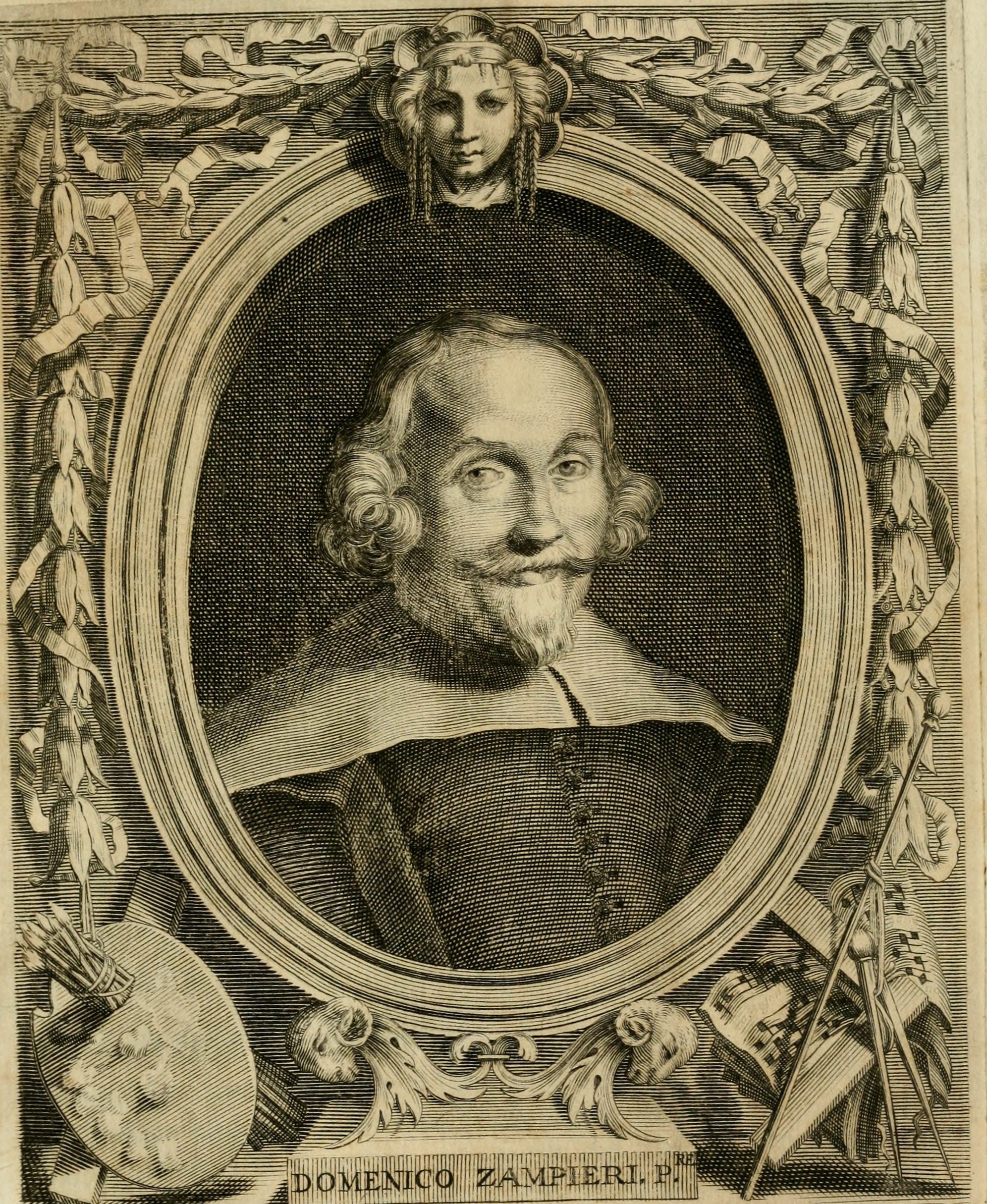
Domenico Zampieri
 (Domenichino)
Leading Bolognese classical Baroque painter whose 'The Last Communion of Saint Jerome' and frescoes in Sant'Andrea della Valle set the benchmark for expressive gestures.
Jerome Duquesnoy the Elder
(Jérôme Duquesnoy l'Ancien / Hiëronymus Duquesnoy de Oude)
Flemish sculptor and court artist to Archdukes Albert and Isabella who cast Brussels' most iconic and beloved civic monument, the bronze Manneken Pis fountain, in 1619.
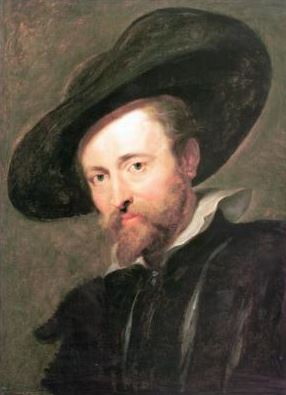
Sir Peter Paul Rubens
 (Peter Paul Rubens)
Supreme master of the Flemish Baroque who synthesized Venetian color, Roman monumental dynamism, and northern realism, orchestrating colossal mythological canvases and negotiating peace treaties across Europe.
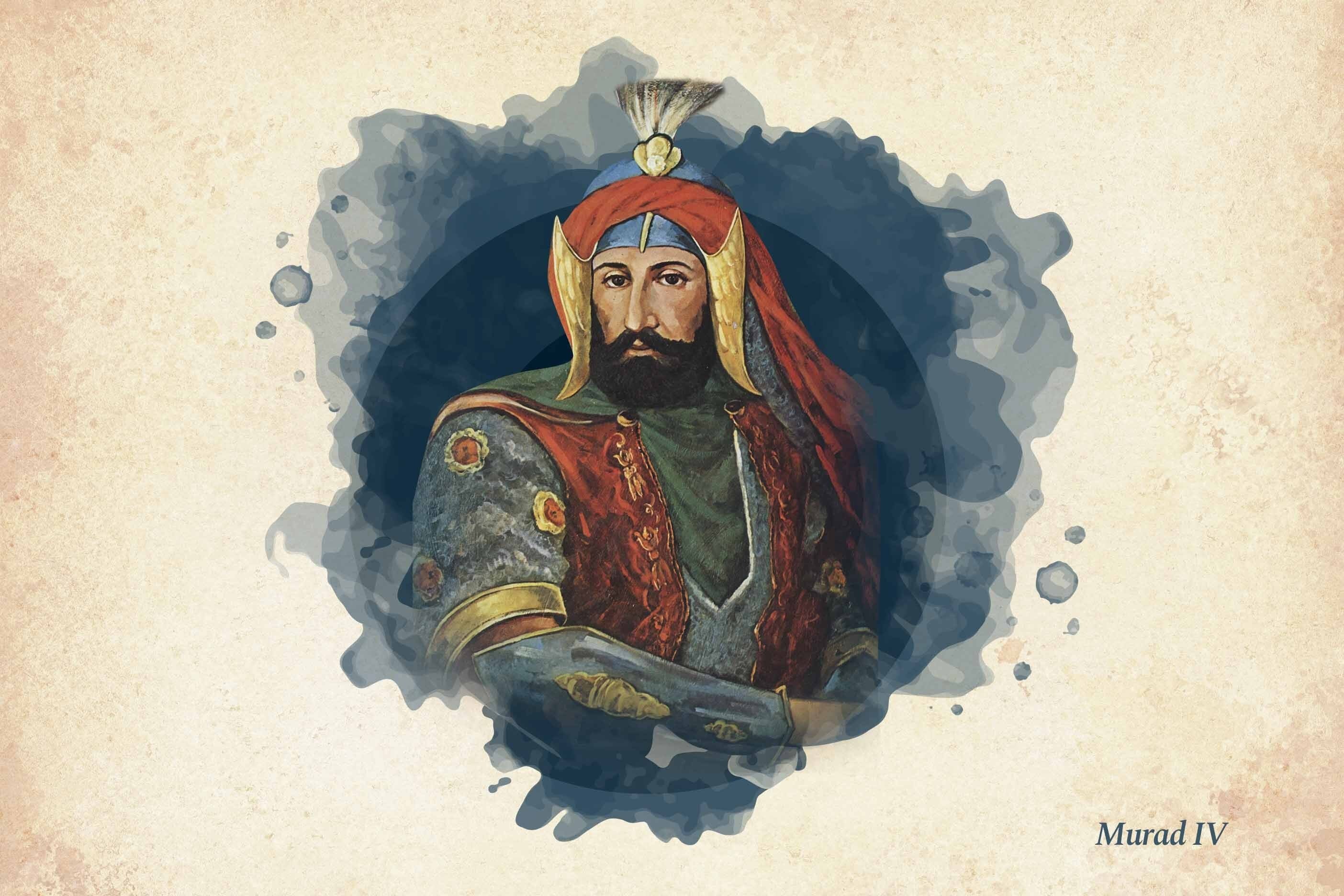
Murad IV (Conqueror of Baghdad)
 (مراد رابع / Murad-ı Rabi)
Fierce Ottoman Sultan who restored absolute imperial authority, banned alcohol and coffee, and personally recaptured Baghdad in 1638.
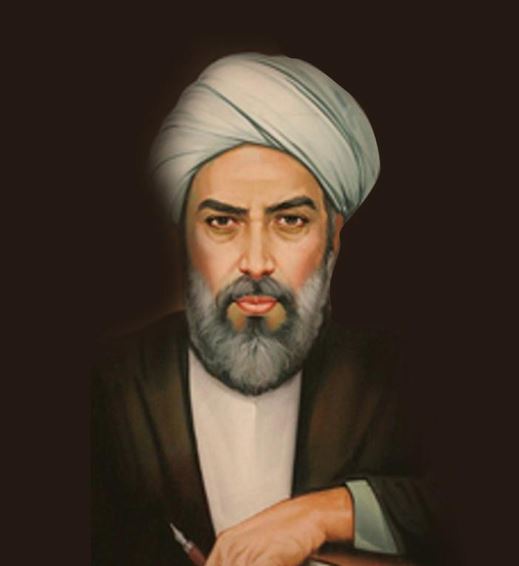
Sadr al-Din Muhammad al-Shirazi (Mulla Sadra)
 (ملاصدرا (صدرالدین محمد شیرازی))
Persian philosopher and theologian who revolutionized Islamic metaphysics by founding Transcendent Theosophy (Hikmat al-Muta'aliyah). Formulated the primacy of existence (Asalat al-Wujud) and substantial motion (al-Harakah al-Jawhariyyah).
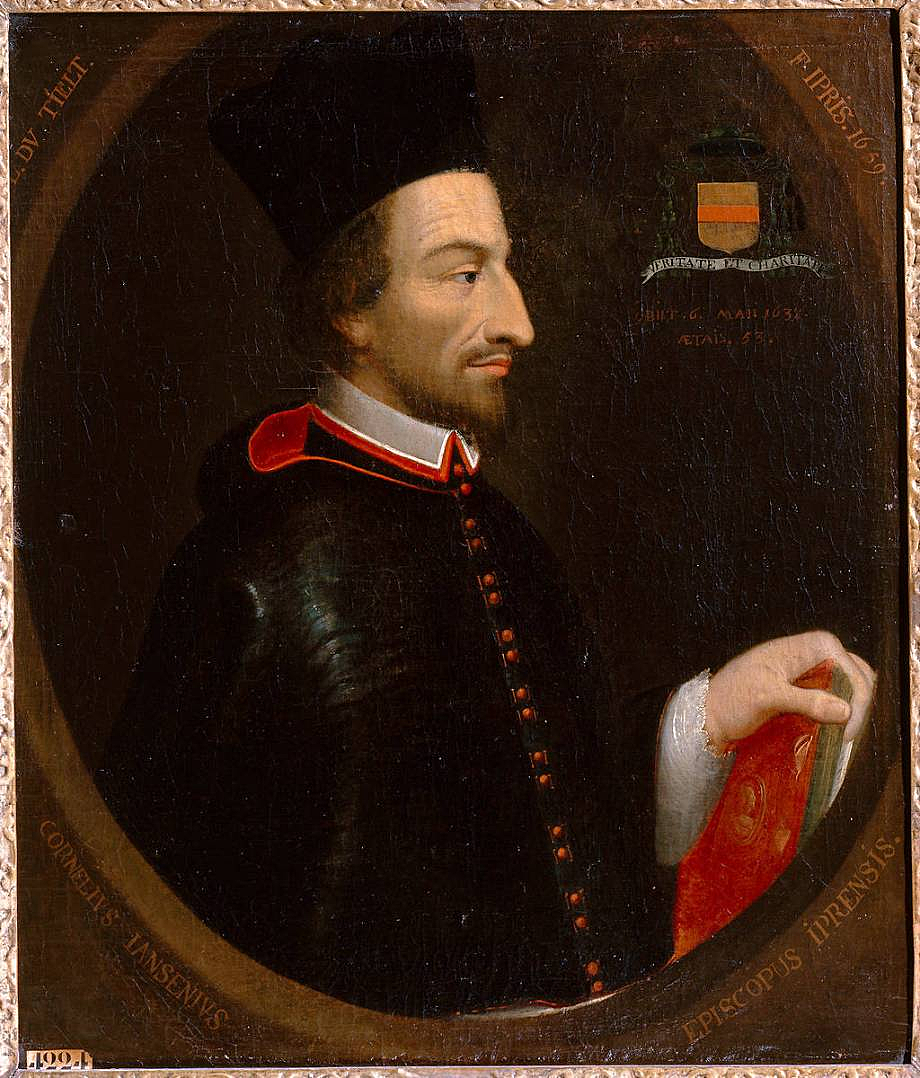
Cornelius Jansen
 (Cornelius Jansen)
Influential Flemish-Dutch Catholic theologian and Bishop of Ypres whose monumental posthumous treatise Augustinus ignited the Jansenist theological and political controversy across seventeenth-century Europe.
Pieter Brueghel the Younger
(Pieter Brueghel de Jonge)
Prolific Flemish painter who brilliantly preserved, replicated, and disseminated the peasant genre scenes and fantastic apocalyptic visions of his legendary father Pieter Bruegel the Elder.
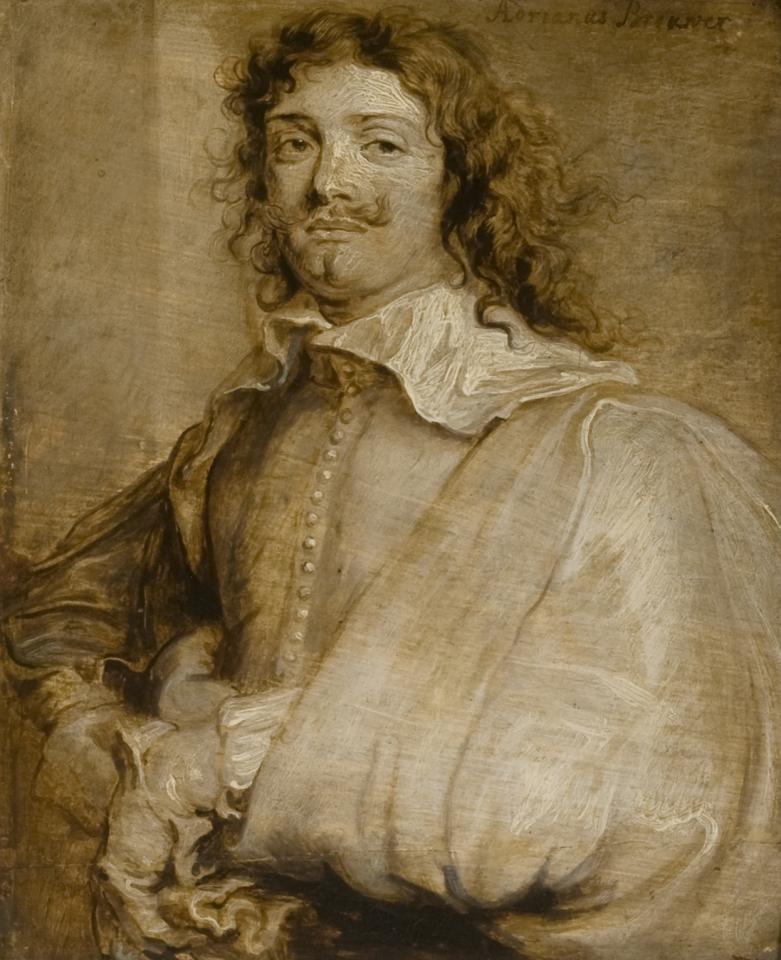
Adriaen Brouwer
(Adriaen Brouwer)
Brilliant, bohemian painter of seventeenth-century low-life tavern scenes whose expressive brushwork and raw psychological realism earned the passionate admiration of Rubens and Rembrandt.
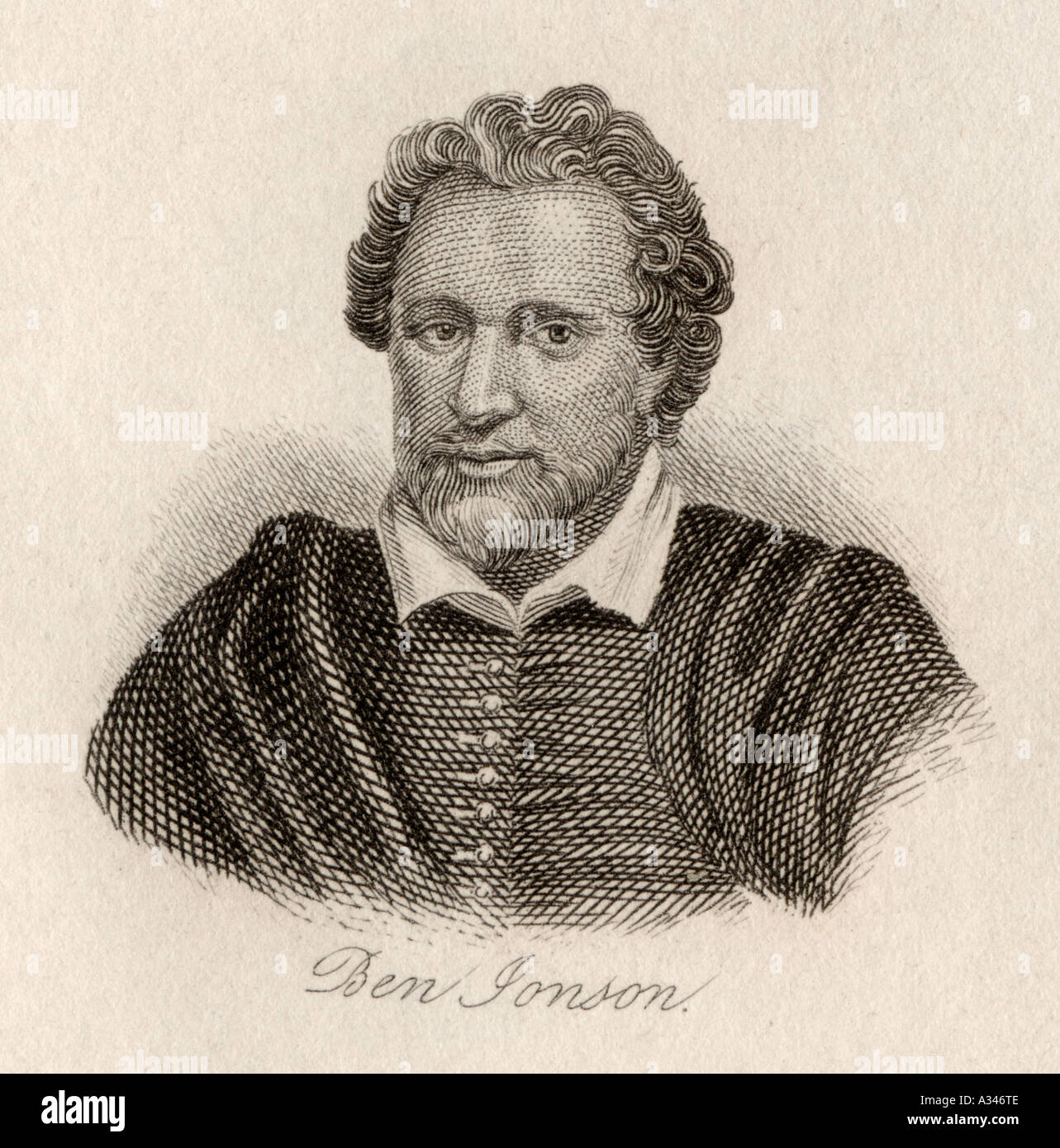
Benjamin Jonson
 (Benjamin Jonson)
Towering Jacobean playwright, poet, and literary theorist who popularized the comedy of humours in Volpone and The Alchemist and eulogized Shakespeare.
Yusuf Dey
 (يوسف داي)
Influential Dey of Tunis who governed for twenty-seven years of prosperity, building the first Ottoman-style mosque with an octagonal minaret in Tunis and expanding the medina's souks.
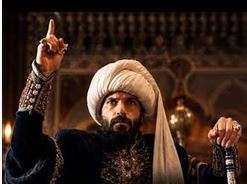
Youssef Dey
 (يوسف داي)
Dey of Tunis from 1610 to 1637 who established the permanent administrative boundaries of the Regency of Tunis and built the landmark Youssef Dey Mosque in the Medina.
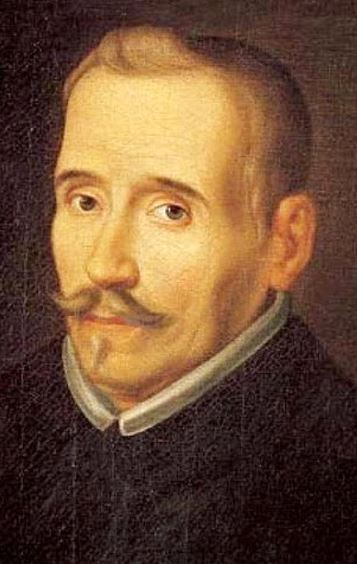
Félix Lope de Vega y Carpio
 (Lope de Vega)
Titanic Spanish playwright dubbed by Cervantes 'El Monstruo de la Naturaleza' (The Monster of Nature) for his astonishing output of over 1,500 plays, including Fuenteovejuna and The Dog in the Manger.
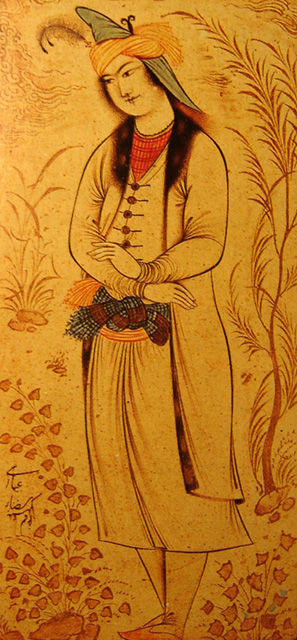
Reza Abbasi
(رضا عباسی)
Foremost Persian painter and miniaturist of the Safavid Golden Age under Shah Abbas I, innovator of single-sheet calligraphic drawings.
Wenceslaus Cobergher
(Wenceslaus Cobergher)
Brilliant Renaissance polymath who served as chief court architect and financial administrator to Archdukes Albert and Isabella, designing the Basilica of Scherpenheuvel and draining the Moëres marshlands.
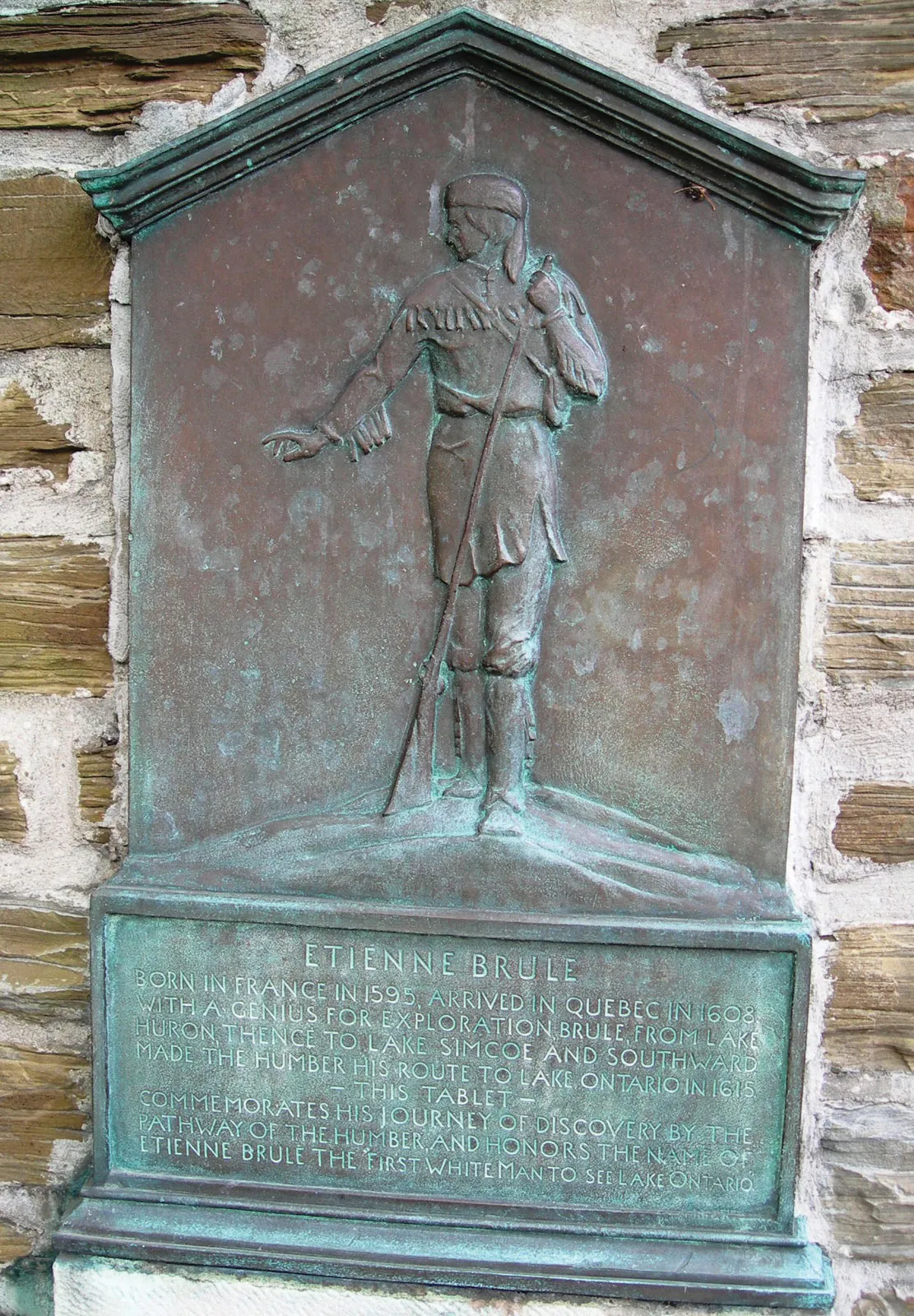
Étienne Brûlé
(Étienne Brûlé)
First European to see Lake Ontario, Lake Huron, and Lake Superior, legendary pioneer coureur des bois who lived as a Huron warrior.
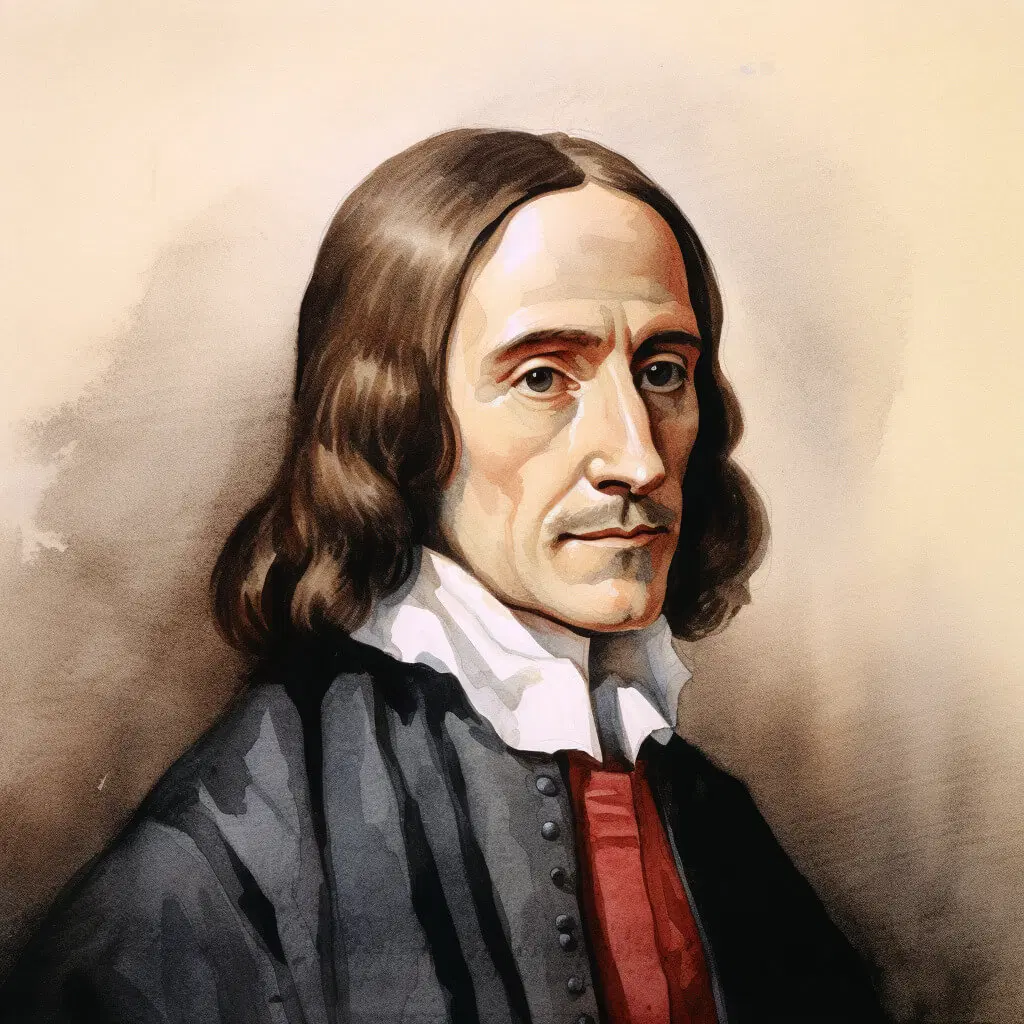
George Herbert
(George Herbert)
Welsh-born English devotional poet and Anglican priest whose metaphysical collection The Temple fused profound spiritual intimacy with dazzling architectural verse forms.