 United States
•
4,511 views
United States
•
4,511 views
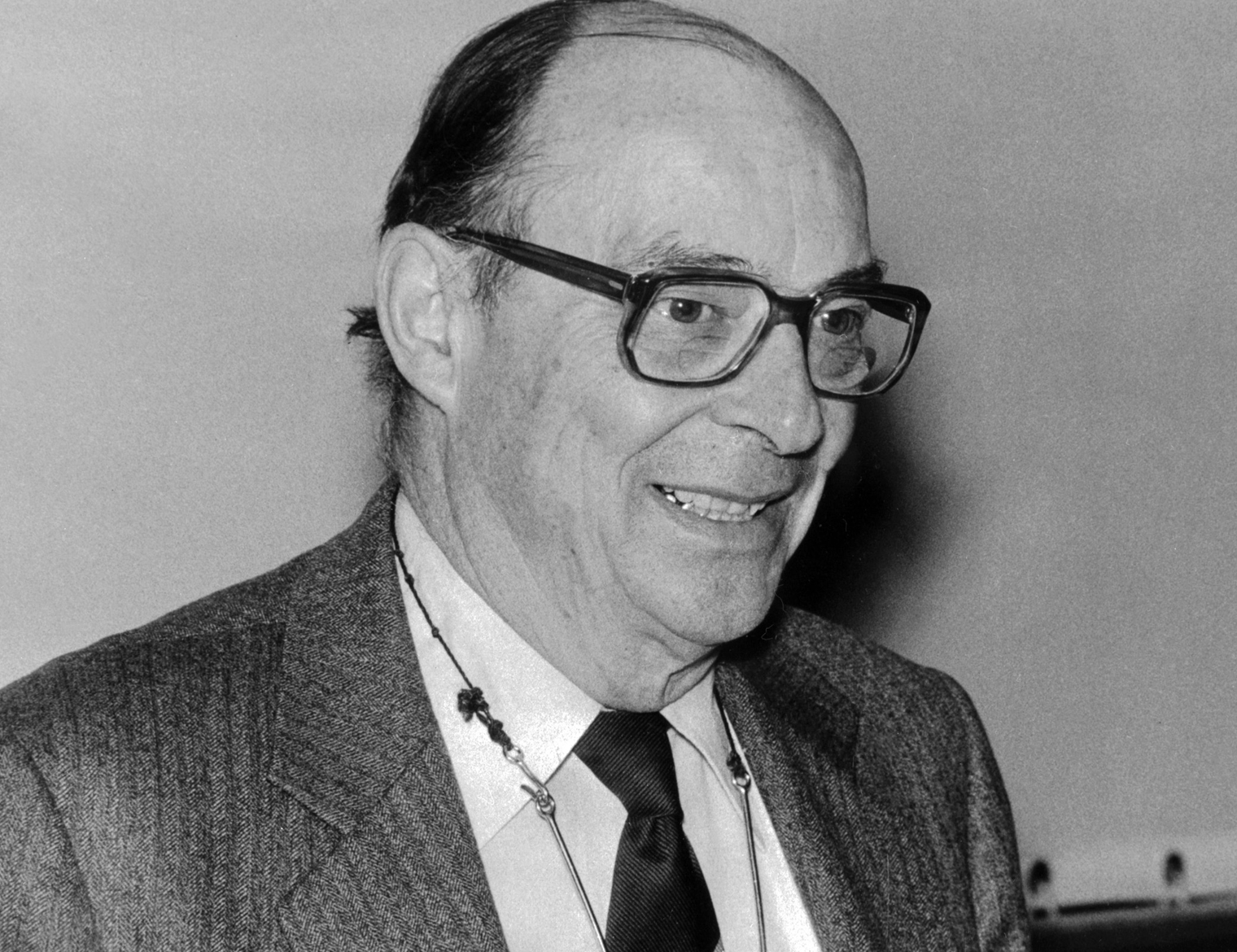
John Bardeen

Madison, Wisconsin, United States
Archival Overview
Only person to win two Nobel Prizes in Physics, co-inventing the transistor and explaining superconductivity (BCS theory).
Biographical Record
John Bardeen was an American physicist and electrical engineer whose modest demeanor concealed an intellect that laid the foundations of modern electronics and condensed matter physics. Educated at Wisconsin and Princeton under Eugene Wigner, Bardeen joined Bell Telephone Laboratories in 1945 as part of the solid-state physics research group led by William Shockley.
In December 1947, working alongside Walter Brattain, Bardeen co-invented the point-contact transistor—the revolutionary semiconductor amplifier that replaced fragile vacuum tubes and catalyzed the global digital revolution, earning the 1956 Nobel Prize in Physics. Moving to the University of Illinois, Bardeen tackled the forty-year-old riddle of superconductivity. In 1957, with Leon Cooper and John Robert Schrieffer, he proposed the BCS theory, demonstrating that electrons form Cooper pairs mediated by crystal lattice vibrations. For this microscopic explanation, Bardeen made history in 1972 by winning an unprecedented second Nobel Prize in Physics.
Key Life Milestones
Co-invention of the Transistor
Created the first working solid-state point-contact transistor at Bell Labs, launching the Silicon Age.
Formulation of BCS Superconductivity Theory
Co-developed the microscopic quantum theory of electron Cooper pairing, earning his record second Nobel Prize in Physics.
Memorial Guestbook & Tributes
0 messages recordedLeave a Respectful Tribute
Final Resting Place
Perpetual MemorialMadison, Wisconsin, United States