Public Figures & Cultural Luminaries
Filterable archive covering centuries of intellectual, artistic, and moral contributions to the human story.
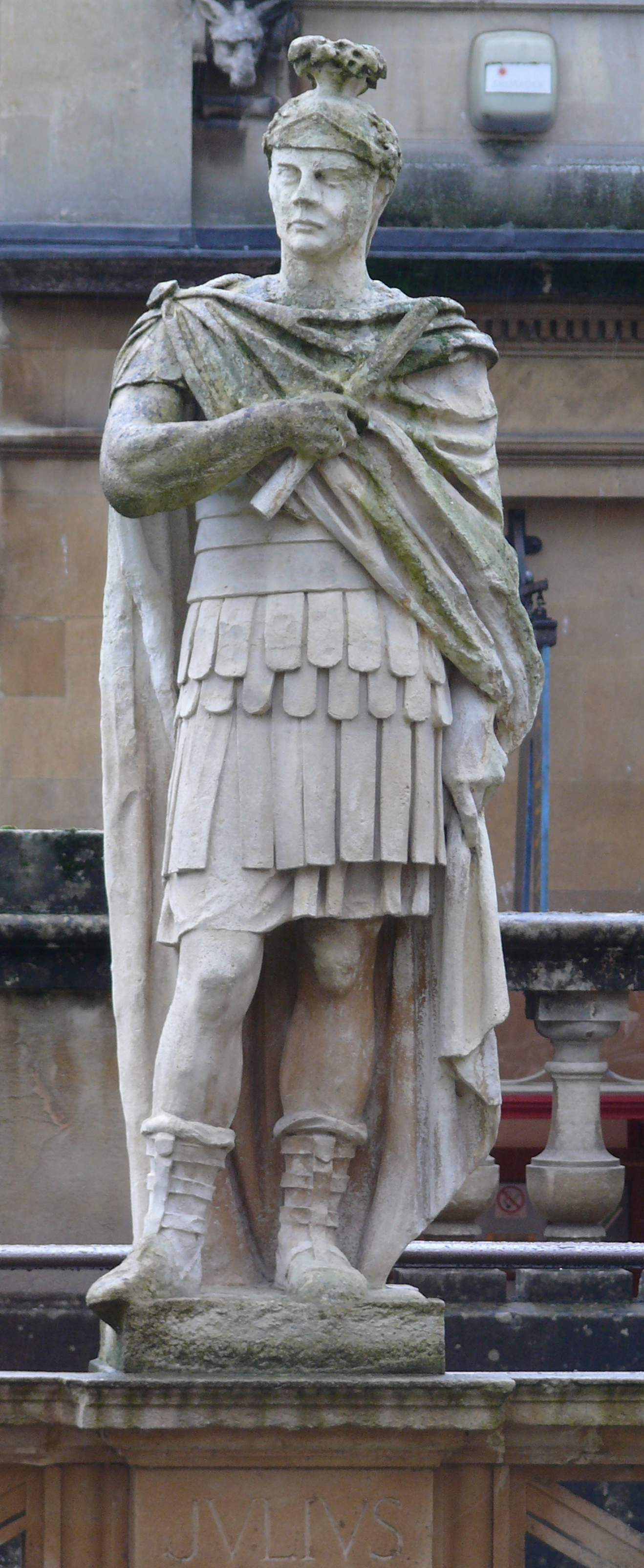
Gnaeus Julius Agricola
 (Gnaeus Julius Agricola)
Roman general and governor of Britannia who conquered Wales, northern England, and Scotland, defeating the Caledonians at Mons Graupius.
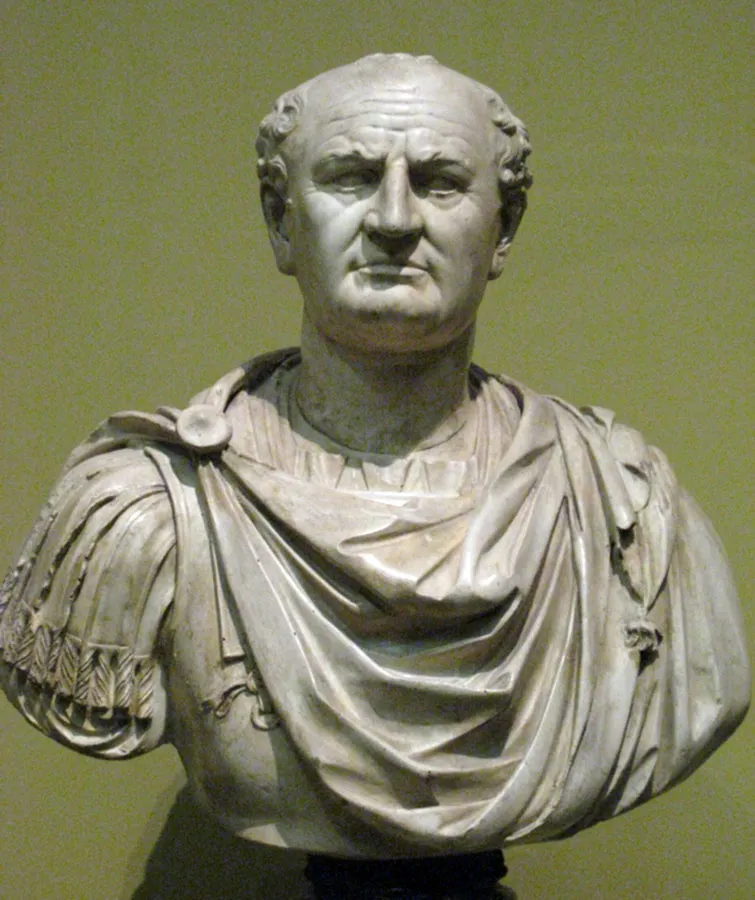
Vespasian
 (Titus Flavius Caesar Vespasianus Augustus)
Roman emperor who emerged victorious from the Year of the Four Emperors, founded the Flavian Dynasty, and commissioned the Colosseum.
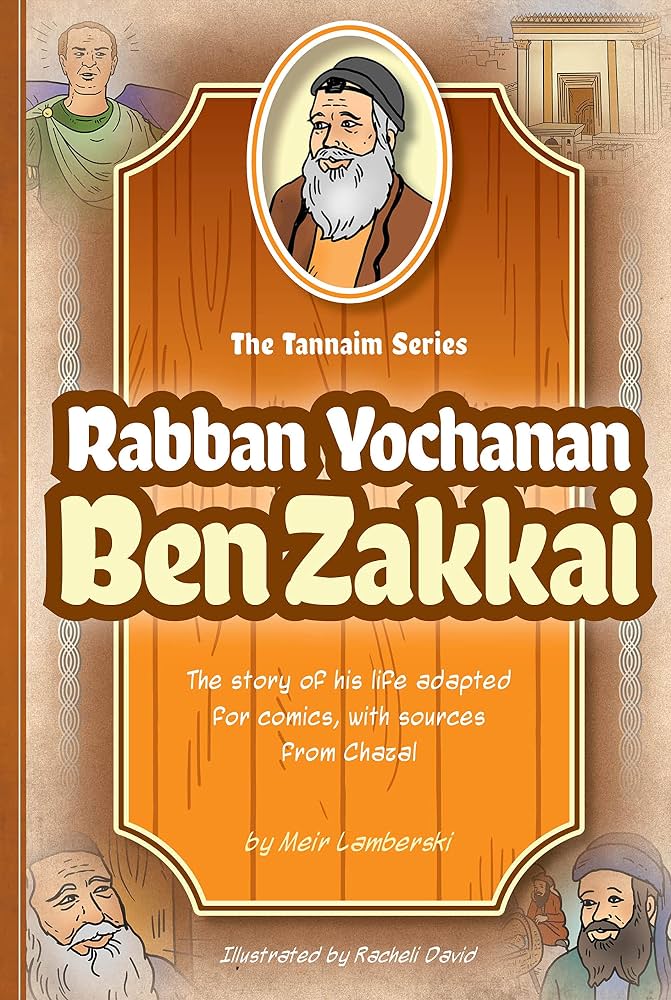
Johanan ben Zakkai
 (יוחנן בן זכאי)
Visionary sage who saved Judaism after the Roman destruction of the Second Temple by establishing the academy of Yavneh and replacing Temple sacrifice with deeds of lovingkindness.
Marcus Annaeus Lucanus
 (Marcus Annaeus Lucanus)
Brilliant Roman epic poet and nephew of Seneca, whose anti-imperial epic Pharsalia (De Bello Civili) dramatized the civil war between Caesar and Pompey.
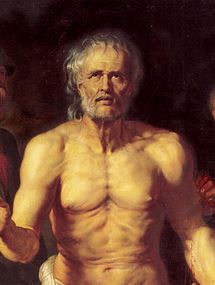
Seneca the Younger (Lucius Annaeus Seneca)
(Lucius Annaeus Seneca)
Preeminent Roman Stoic philosopher and statesman whose moral letters to Lucilius and essays on anger and tranquility provided timeless wisdom on resilience and human dignity.
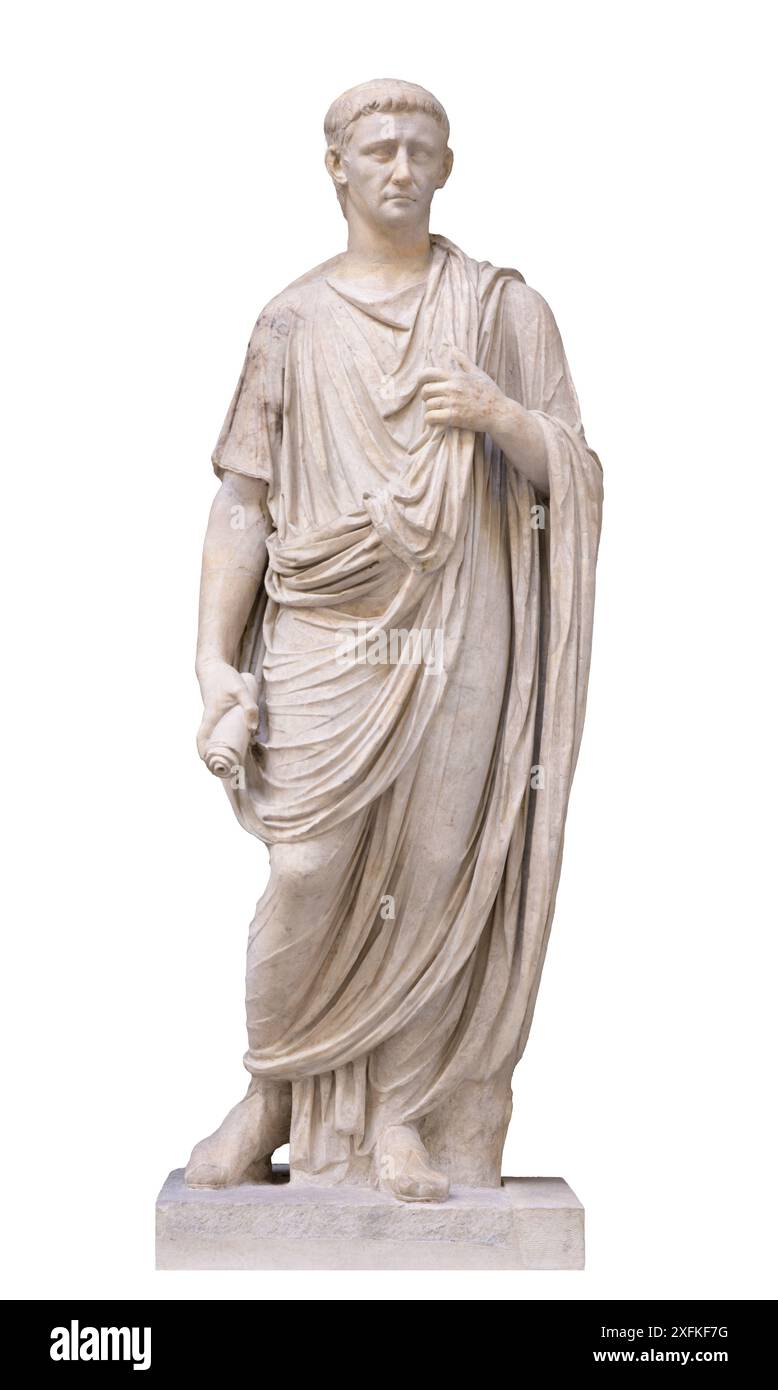
Claudius (Tiberius Claudius Caesar Augustus Germanicus)
(Tiberius Claudius Caesar Augustus Germanicus)
Roman Emperor of the Julio-Claudian Dynasty who conquered Britain and established a professional imperial civil service.
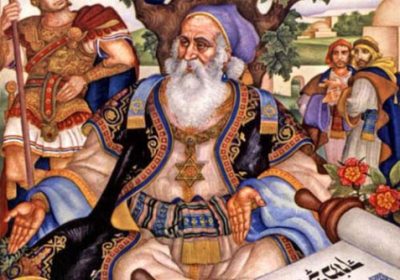
Shammai the Elder
(שמאי הזקן)
Colleague of Hillel and Av Beit Din (head of the court) who founded Beit Shammai, celebrated for his uncompromising legal rigor, truthfulness, and hospitality.
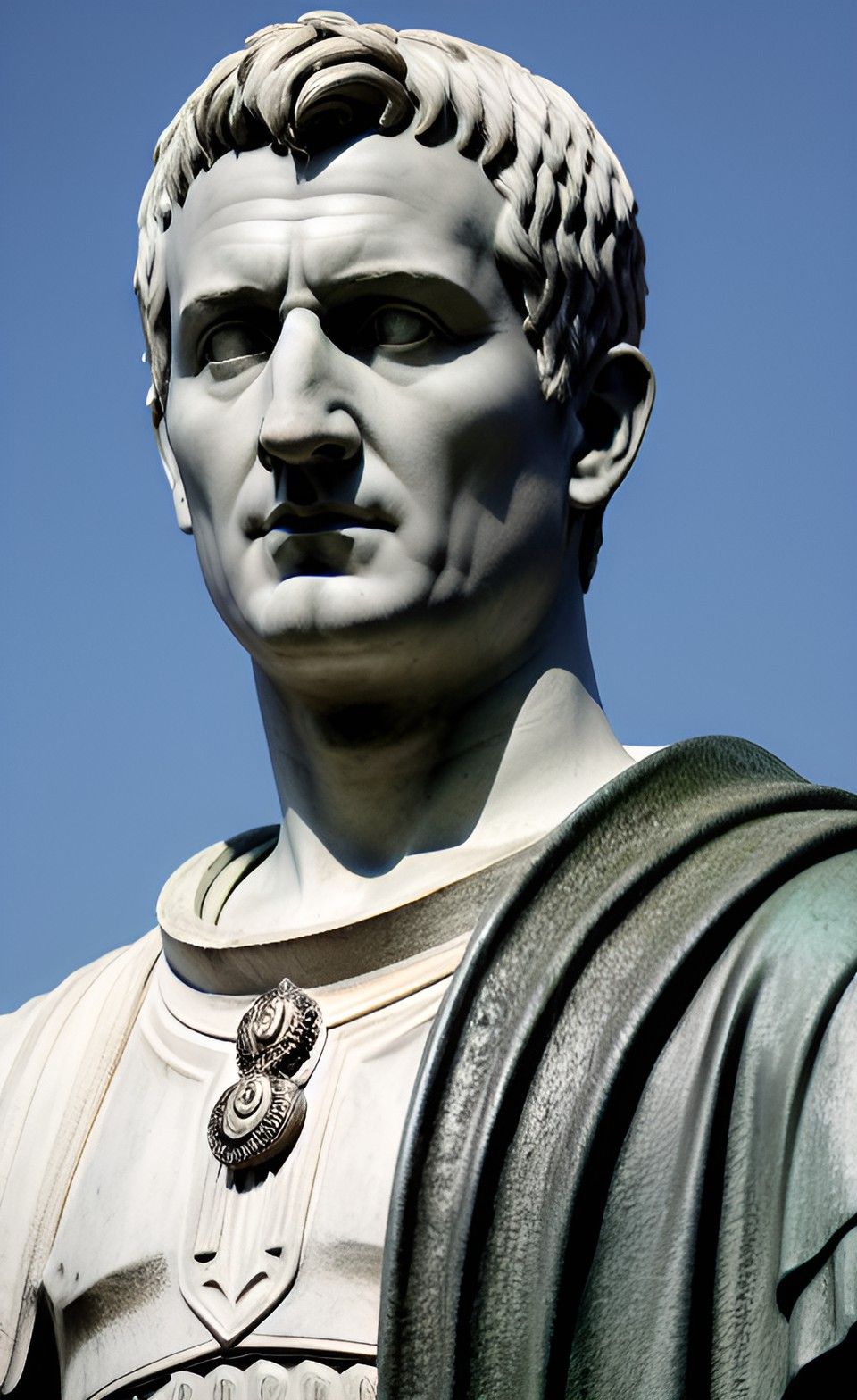
Germanicus Julius Caesar
(Germanicus Julius Caesar)
Beloved Roman general and adopted son of Tiberius who avenged the disaster of the Teutoburg Forest, defeated Arminius, and recovered Rome's lost legionary eagles.
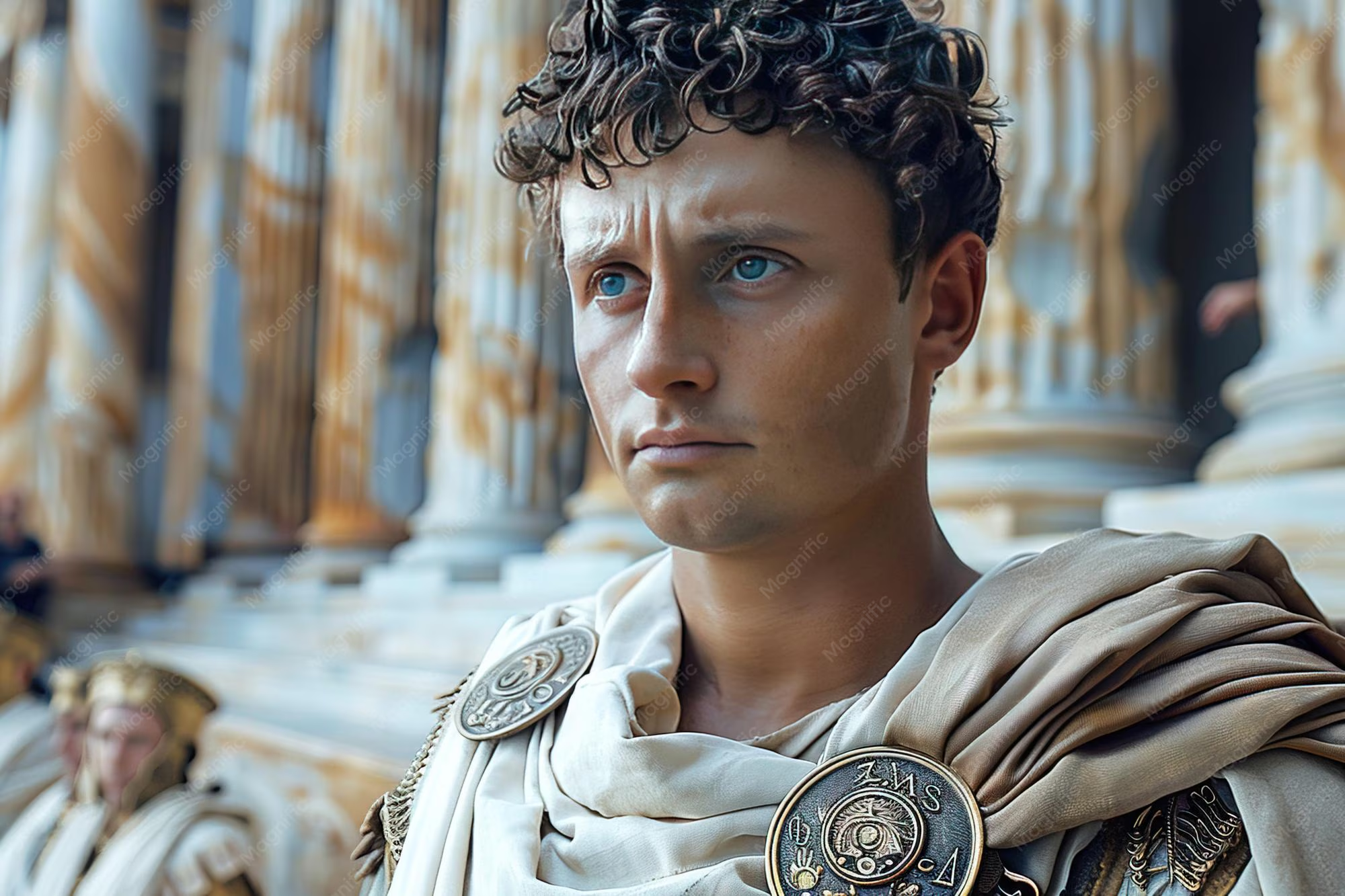
Augustus (Gaius Octavius / Caesar Augustus)
(Imperator Caesar Divi Filius Augustus)
First Emperor of the Roman Empire who ended decades of civil war and established the two-century era of the Pax Romana.
Hillel the Elder
 (הלל הזקן)
Foremost Jewish sage, Nasi of the Sanhedrin, and founder of the House of Hillel whose Golden Rule and seven hermeneutic principles shaped Rabbinic Judaism.
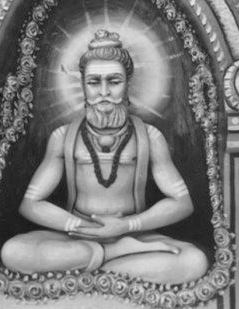
Allama Prabhu
 (ಅಲ್ಲಮ ಪ್ರಭು)
Eminent 12th-century Veerashaiva mystic and poet who served as the revered President of the Anubhava Mantapa, mentoring Basavanna and Akka Mahadevi.
Basavanna
(ಬಸವಣ್ಣ)
12th-century Kannada philosopher, statesman, and founder of the Lingayat movement who created the Anubhava Mantapa, the first democratic spiritual parliament.
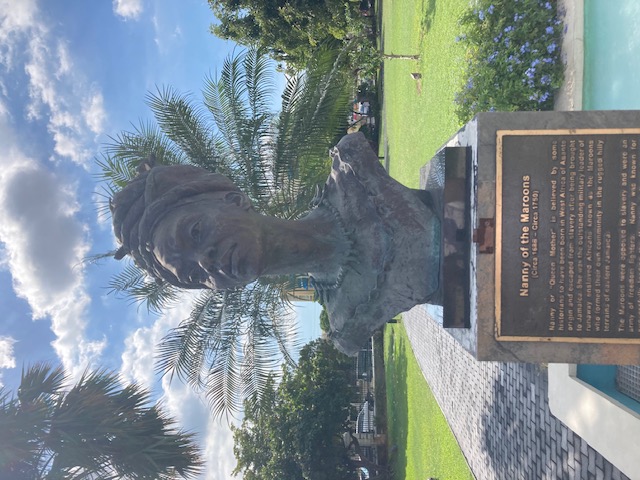
Nanny of the Maroons
 (Granny Nanny)
Paramount leader of the Jamaican Windward Maroons who defeated the British army in the First Maroon War and secured sovereign autonomous lands for freed people.
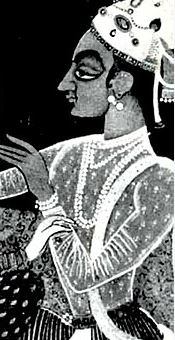
Bhavabhuti
(भवभूति (Bhavabhūti))
Eighth-century Indian Sanskrit dramatist and poet, regarded as the peer of Kalidasa, celebrated for his profound mastery of pathos (karuna rasa) in his tragic masterpiece 'Uttararamacarita'.
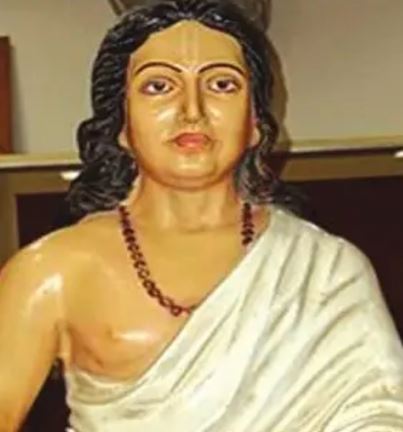
Bhasa
(भास (Bhāsa))
One of the earliest and most celebrated playwrights in Sanskrit literature (c. 2nd–3rd Century CE), whose thirteen plays—feared lost for centuries until rediscovered in Kerala in 1912—include the drama 'Svapnavasavadatta'.
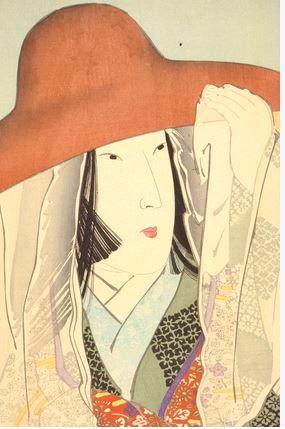
Sei Shonagon (清少納言 (Kiyohara clan))
Heian-period Japanese court lady, poet, and author (c. 966–1017) whose masterpiece 'The Pillow Book' (Makura no Soshi) founded the zuihitsu ('following the brush') genre of personal essays and witty observations.
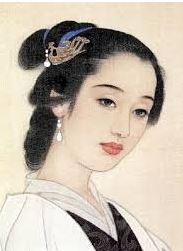
Li Qingzhao (李清照 (Yi'an Jushi))
Universally acknowledged as the greatest woman poet in Chinese history (1084–c. 1155), whose exquisitely crafted Ci lyric poetry evolved from radiant youthful romance into devastating meditations on widowhood and exile.
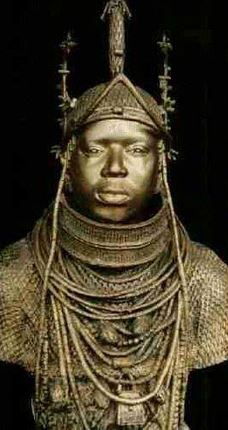
Oba Esigie (Ọba Ẹsigie)
Visionary Oba of Benin (reigned c. 1504–1550) who triumphed in the Idah War, instituted the prestigious office of Queen Mother (Iyoba) for his mother Idia, and presided over the Golden Age of Benin bronze and brass casting.