Public Figures & Cultural Luminaries
Filterable archive covering centuries of intellectual, artistic, and moral contributions to the human story.
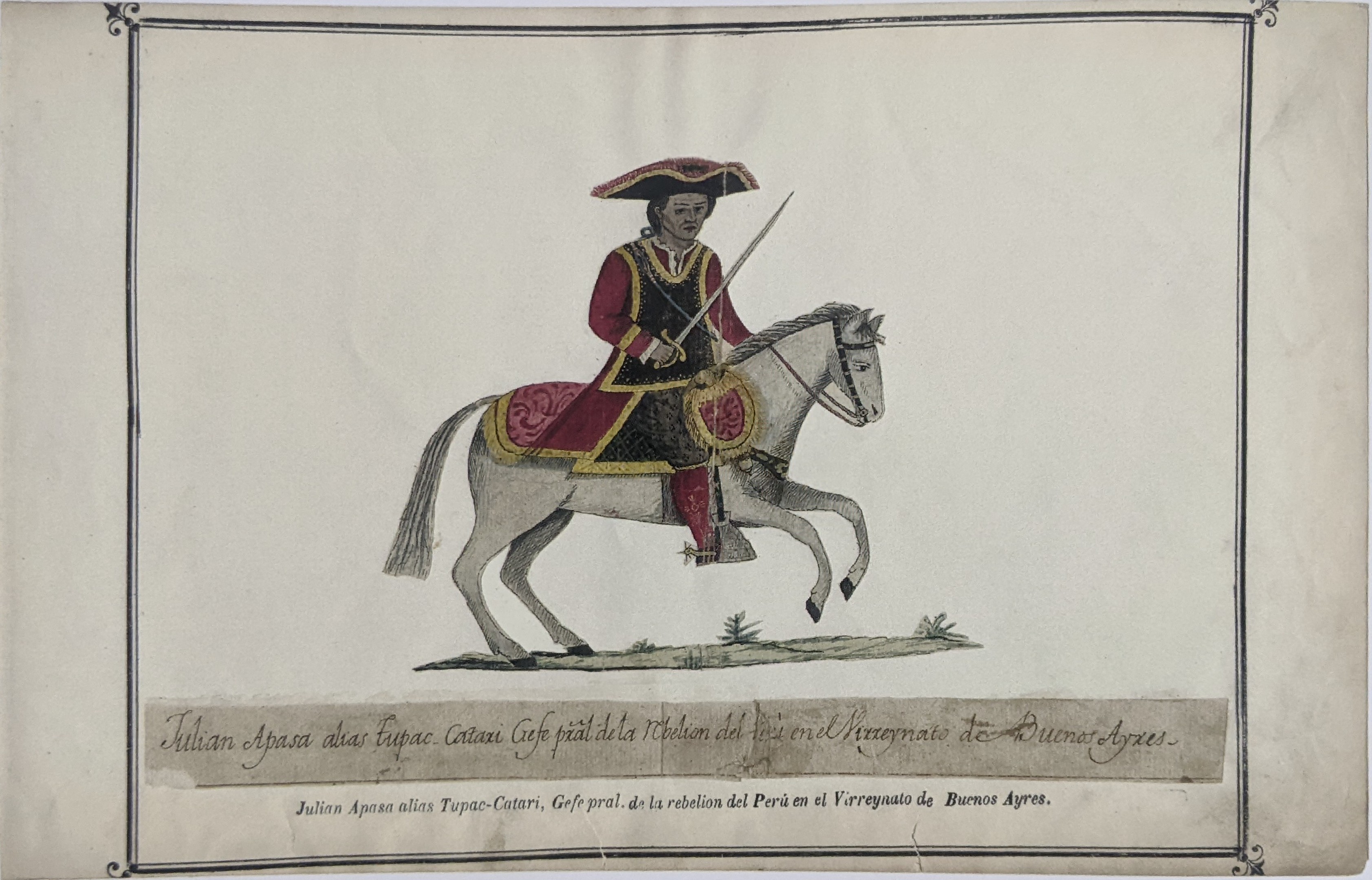
Tupac Katari
 (Julian Apaza Nina)
Aymara indigenous leader who adopted the name Tupac Katari and mobilized 40,000 native warriors to lay siege to the Spanish colonial capital of La Paz for six months in 1781, uttering the immortal prophecy: 'I die today, but I will return, and I will be millions.'
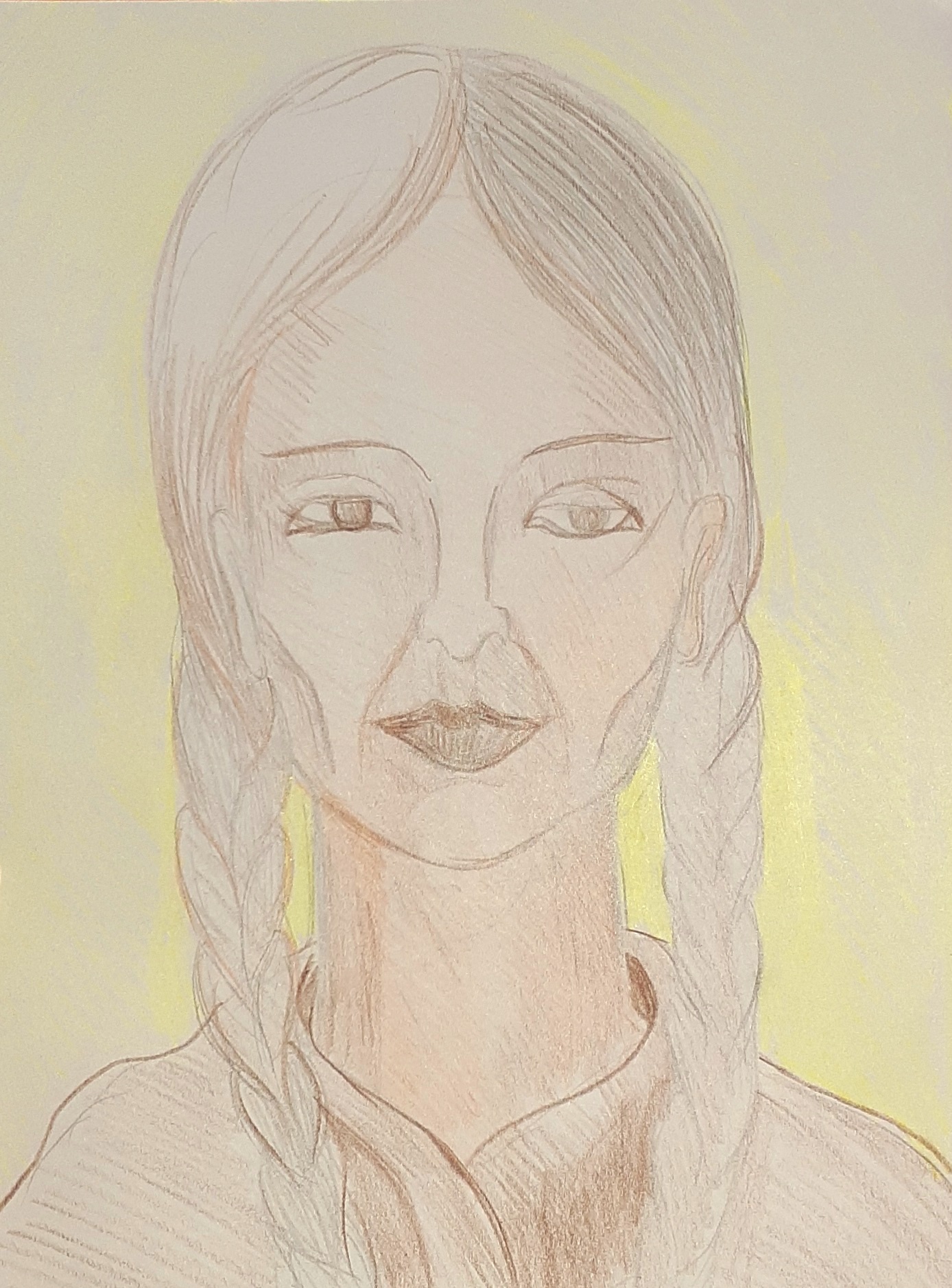
Gregoria Apaza
(Gregoria Apasa)
Indigenous Aymara leader and military general who co-commanded the massive 1781 indigenous uprising and siege of La Paz alongside Tupac Katari.
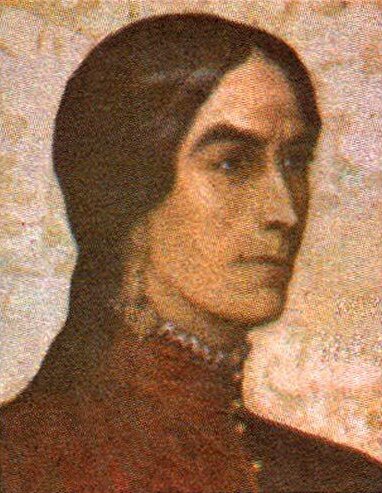
Micaela Bastidas
 (Micaela Bastidas Puyucahua)
Indigenous Peruvian revolutionary strategist and co-commander of the massive 1780 Andean insurrection alongside her husband Tupac Amaru II, directing logistics, ammunition convoys, and frontline military battalions against Spanish colonial forces.
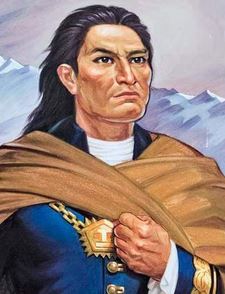
Túpac Amaru II
(José Gabriel Condorcanqui Noguera)
Indigenous leader of Quechua royal descent who led the Great Rebellion of 1780 against Spanish colonial rule, issuing the first proclamation of the abolition of Black slavery in the Americas.
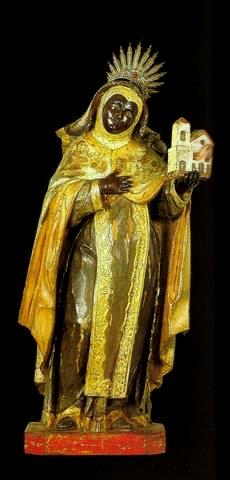
Chico Rei
 (Galanga (Chico Rei))
African monarch (Galanga) captured into slavery in Minas Gerais who hid gold dust in his hair to purchase his own freedom, bought the richest gold mine in Ouro Preto (Encardideira), and purchased the freedom of hundreds of his enslaved countryfolk.
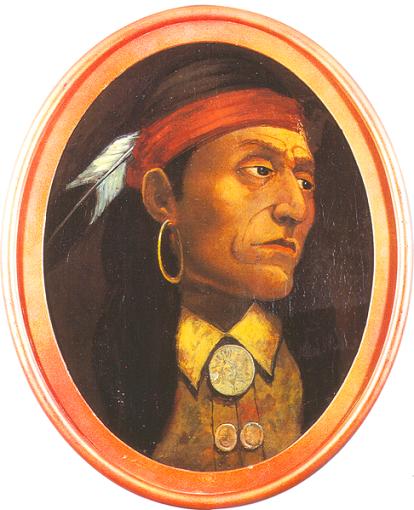
Pontiac
 (Obwandiyag)
Ottawa war leader who organized Pontiac's War, a monumental multi-tribal rebellion against British post-Seven Years' War military occupation in the Great Lakes.
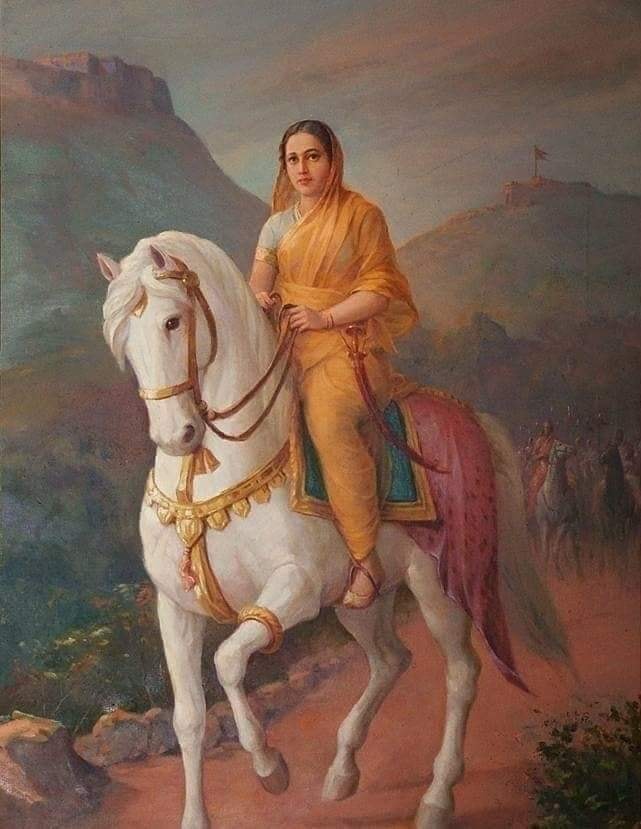
Maharani Tarabai
 (ताराबाई भोसले)
Queen regent of the Maratha Empire who organized and led the relentless resistance that successfully repelled Mughal Emperor Aurangzeb's twenty-five-year invasion of the Deccan.
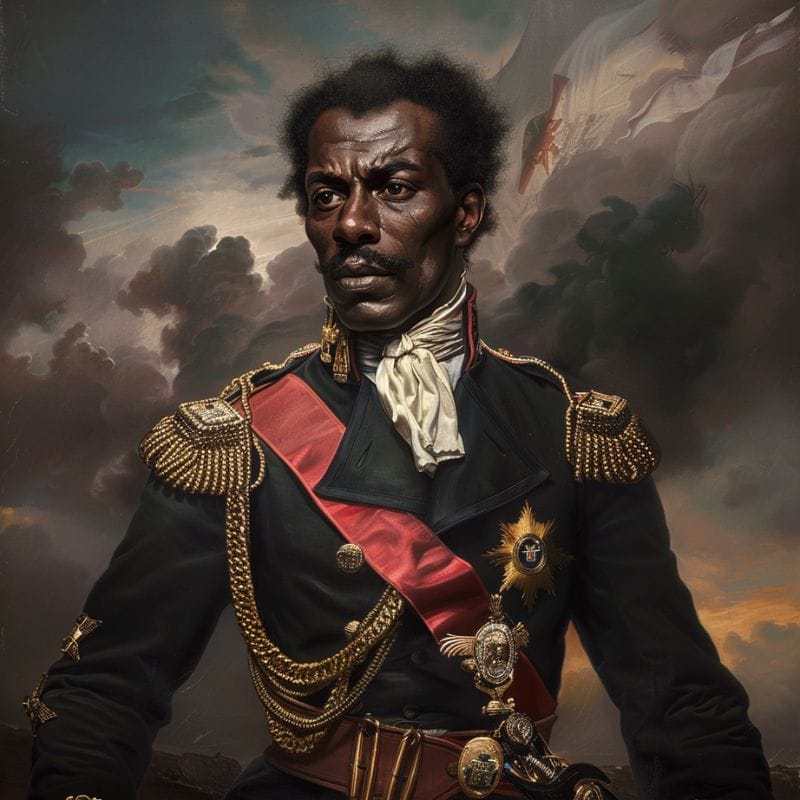
Francois Mackandal
(Francois Mackandal)
Legendary Maroon guerrilla leader and herbalist in Saint-Domingue whose underground network of escaped slaves and botanical poisons terrorized French plantation owners for six years, inspiring the Haitian Revolution.
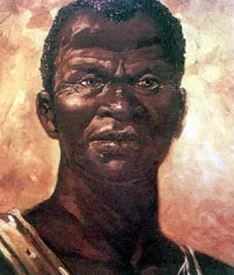
Zumbi dos Palmares (Zumbi dos Palmares)
Heroic military commander and last sovereign king of the Quilombo dos Palmares, the legendary free fugitive state of 30,000 Africans, indigenous peoples, and poor whites that resisted Portuguese colonial assaults for nearly a century.
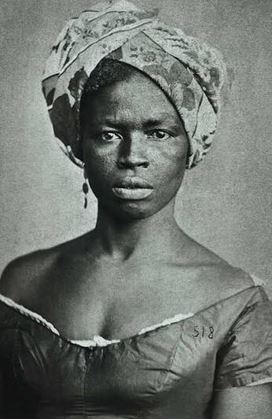
Dandara dos Palmares (Dandara dos Palmares)
Afro-Brazilian warrior queen, capoeira master, and military commander of Quilombo dos Palmares alongside her partner Zumbi, who chose death by leaping from a mountain precipice rather than submit to colonial re-enslavement.
Ganga Zumba
(Ganga Zumba)
First recorded supreme leader of the Quilombo dos Palmares, the largest autonomous fugitive slave community in colonial Brazil.
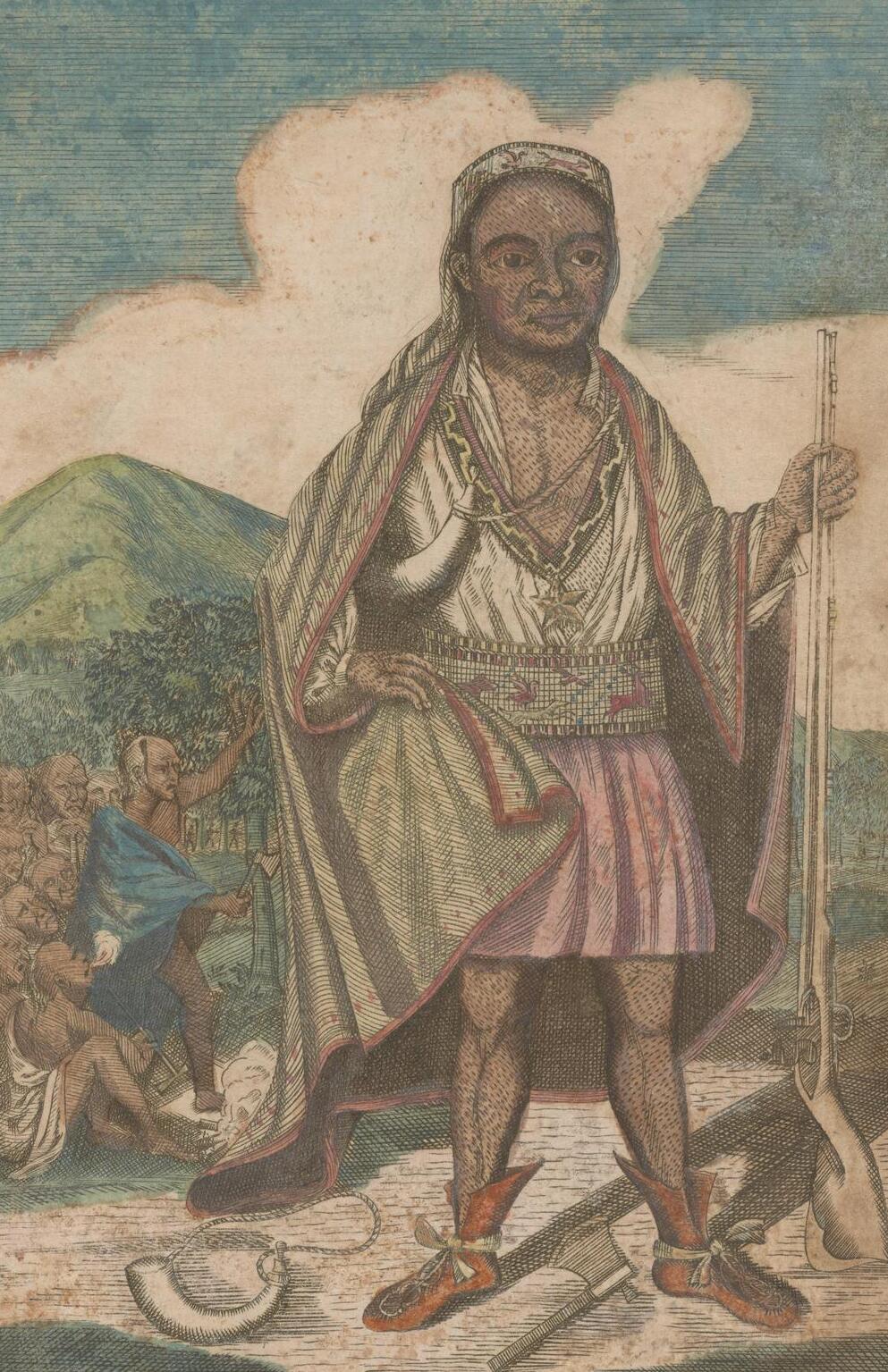
Metacomet
(Metacomet)
Paramount Sachem of the Wampanoag who led King Philip's War, the most devastating armed resistance against English colonial expansion in seventeenth-century New England.
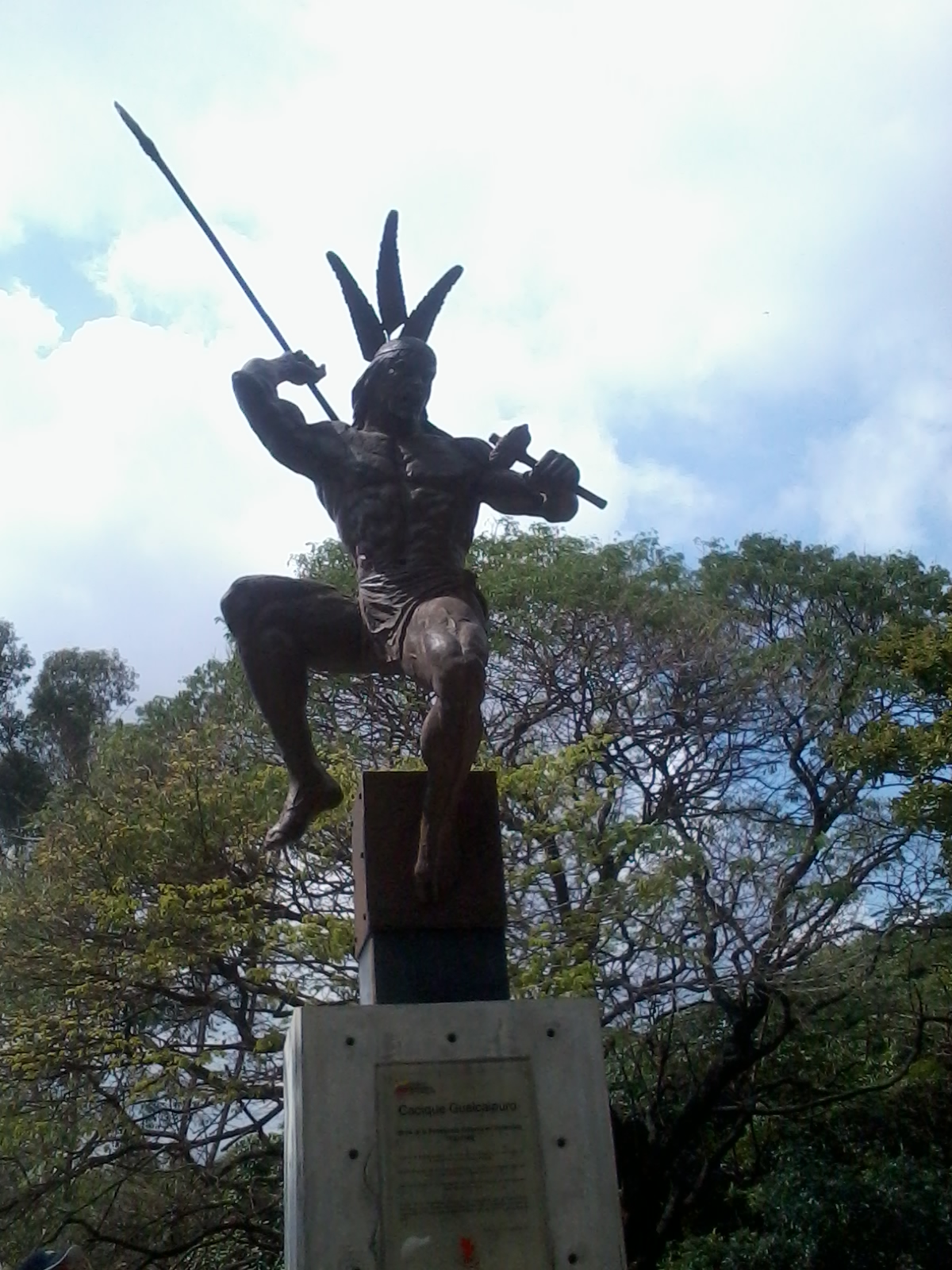
Guaicaipuro
 (Guaicaipuro)
Cacique of the Teques and Caracas tribes who formed an indigenous confederation across northern Venezuela that repeatedly defeated Spanish conquistadors, driving them out of the Caracas valley for nearly a decade.
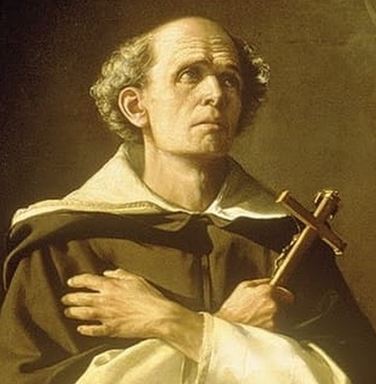
Bartolomé de las Casas
 (Bartolomé de las Casas)
16th-century Spanish Dominican friar and Bishop of Chiapas who renounced his colonial encomienda to become the 'Protector of the Indians', authoring A Short Account of the Destruction of the Indies to denounce colonial genocide.
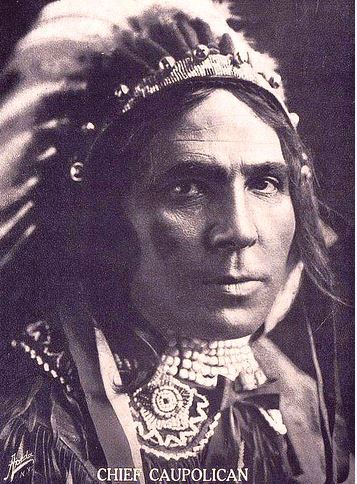
Caupolican
 (Kallpolikan (Flint Polisher))
Legendary Mapuche supreme war chief (Toqui) celebrated in Alonso de Ercilla's epic 'La Araucana', who won leadership by carrying a colossal tree trunk on his shoulders for two days and two nights, leading the Mapuche in epic resistance against Spanish conquest.
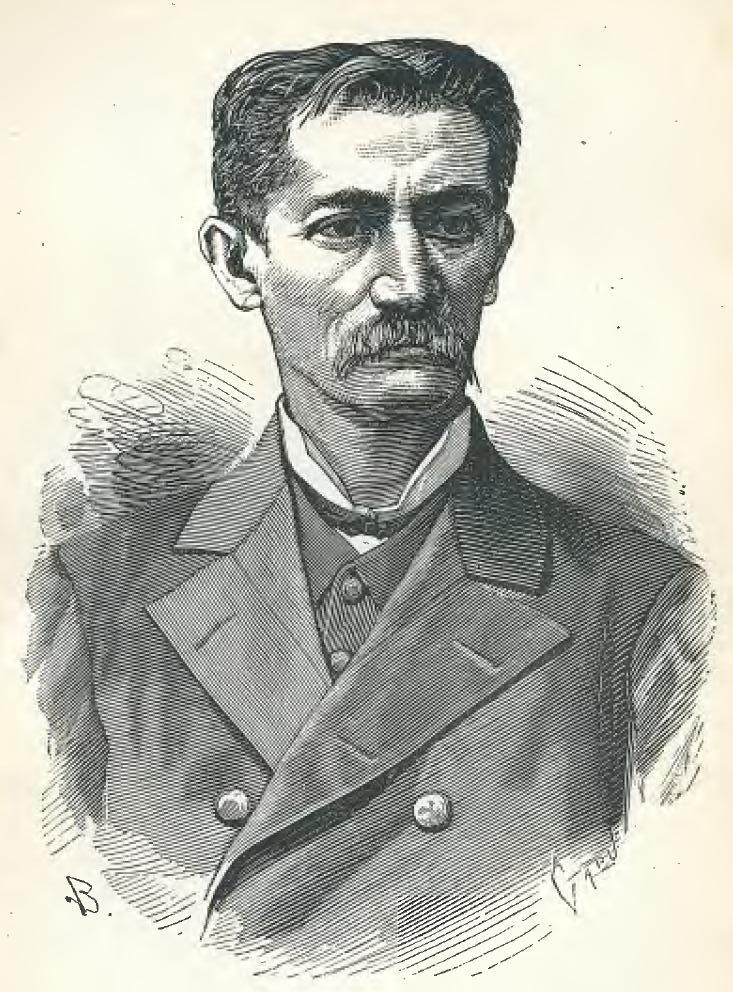
Galvarino
(Kalwarin)
Fabled Mapuche warrior whose hands were both amputated by Spanish governor Garcia Hurtado de Mendoza to terrorize his people; returning to the Mapuche council, Galvarino strapped steel blades to his severed wrists to lead the frontline charge at the Battle of Millarapue.
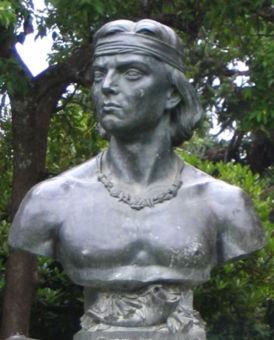
Lautaro
(Leftraru (Swift Hawk))
Genius Mapuche military commander (Toqui) who escaped Spanish captivity as Pedro de Valdivia's page, studied Spanish cavalry tactics, and returned to lead the Mapuche in destroying Spanish colonial forces, celebrated as the greatest indigenous strategist of South America.
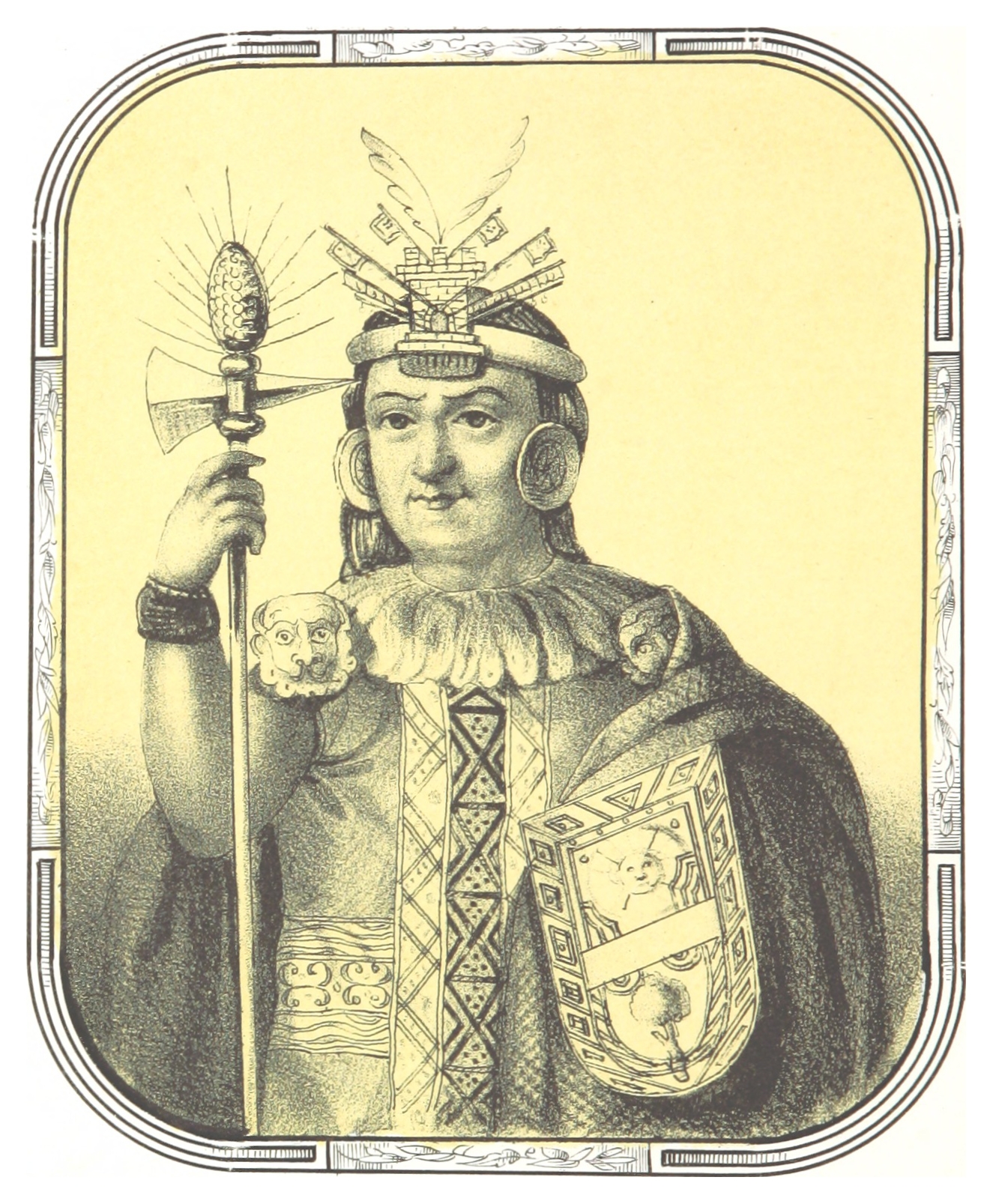
Manco Inca
(Manqu Inka Yupanki)
Emperor of the Inca who escaped Spanish confinement in 1536 to launch the Great Inca Rebellion, laying siege to Spanish-occupied Cusco with 100,000 warriors and founding the independent Neo-Inca State in the cloud forests of Vilcabamba.