 Tunisia
•
2 views
Tunisia
•
2 views
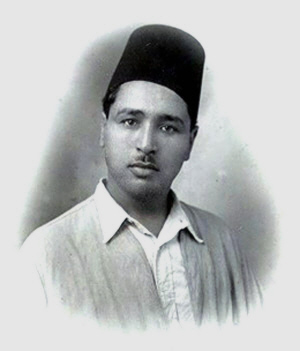
Tahar Haddad

Tunis, Tunisia
Archival Overview
Visionary Tunisian Islamic reformer, trade unionist, and author of the groundbreaking 1930 treatise 'Our Woman in the Sharia and Society', which pioneered female emancipation in the modern Arab world.
Biographical Record
Tahar Haddad (1899–1935) graduated from the ancient University of Al-Zaytouna with a degree in Islamic jurisprudence. Believing that social liberation was inseparable from anti-colonial struggle, he co-founded the first indigenous Tunisian union (CGTT) with Mohamed Ali El Hammi in 1924.
In 1930, Haddad published his masterwork Our Woman in the Sharia and Society (Imra'atuna fi ash-Shari'a wal-Mujtama'), arguing through dynamic Islamic exegesis (ijtihad) for women's right to education, abolition of forced marriage and polygamy, and equal divorce rights. Condemned by conservative clerics and colonial authorities alike, his pioneering ideas directly inspired Tunisia's landmark 1956 Code of Personal Status.
Key Life Milestones
Founding the First Indigenous Trade Union
Organized Tunisian workers alongside Mohamed Ali El Hammi to challenge colonial economic exploitation.
Publication of Our Woman in the Sharia and Society
Authored the revolutionary treatise that formed the legal basis of Tunisian women's rights.
Memorial Guestbook & Tributes
0 messages recordedLeave a Respectful Tribute
Final Resting Place
Perpetual MemorialTunis, Tunisia