Public Figures & Cultural Luminaries
Filterable archive covering centuries of intellectual, artistic, and moral contributions to the human story.
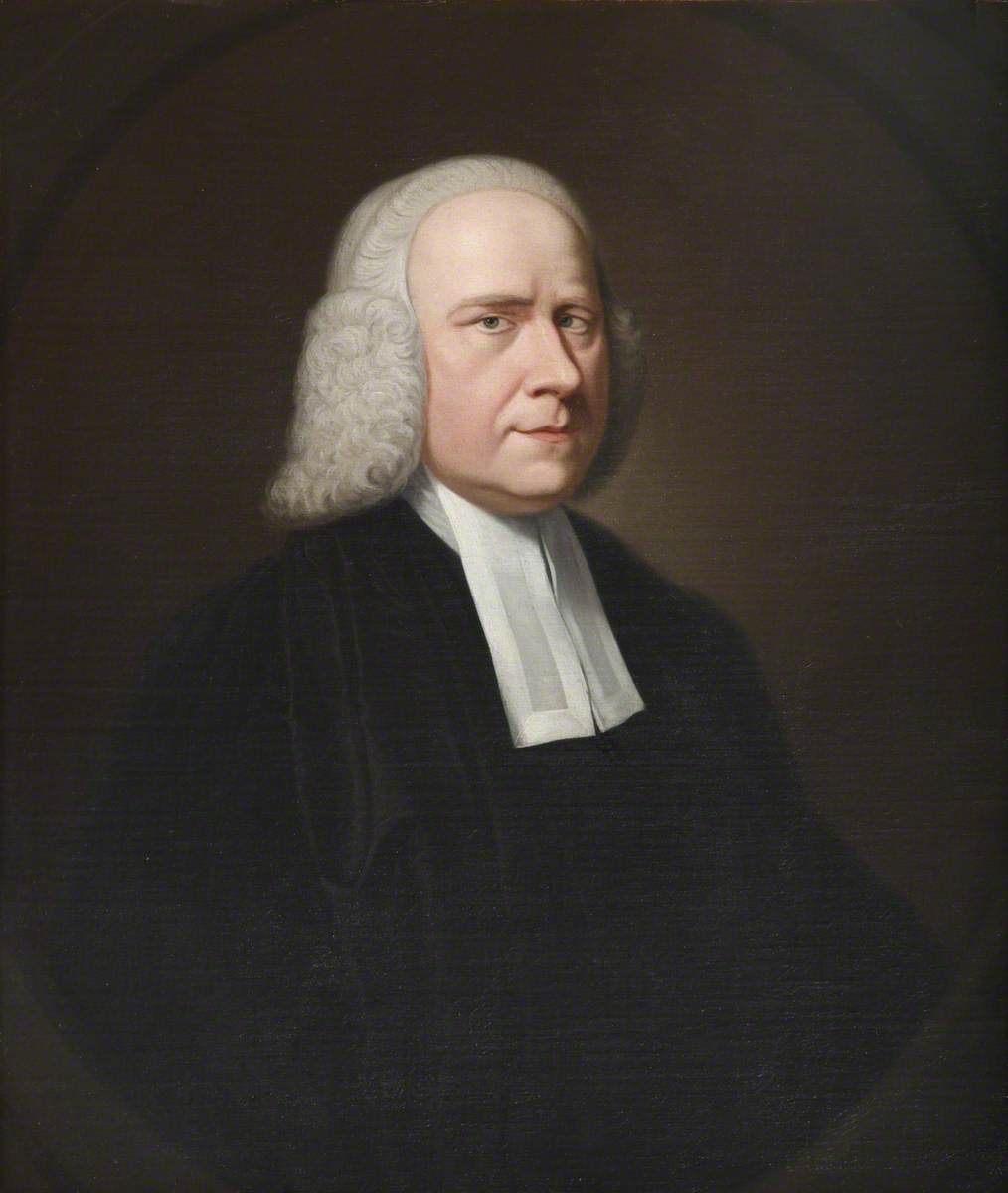
George Whitefield
 (George Whitefield)
English evangelist whose booming voice, dramatic oratory, and thirteen transatlantic journeys fueled the First Great Awakening across Britain and the American colonies.
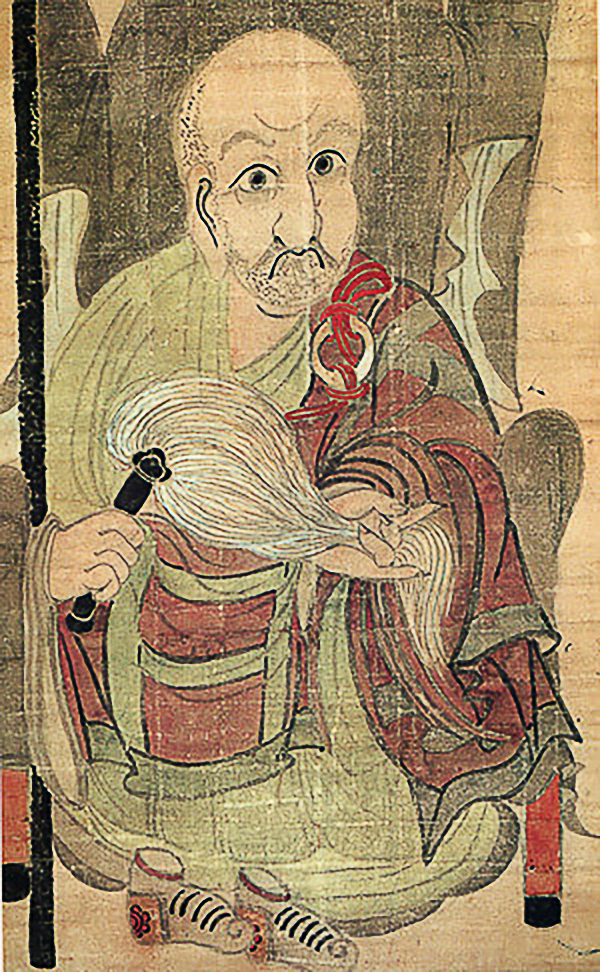
Hakuin Ekaku
 (白隠慧鶴)
Great reformer of Japanese Rinzai Zen, painter, and calligrapher who systematized koan study and created the legendary riddle 'What is the sound of one hand clapping?'.
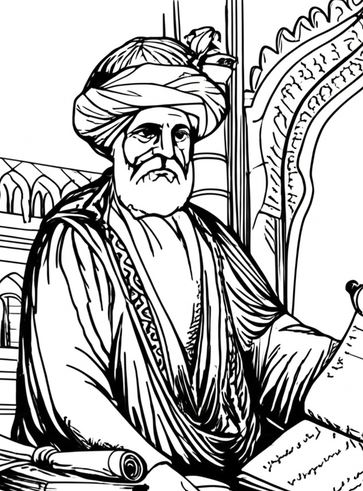
Qutb al-Din Ahmad ibn Abd al-Rahim (شاه ولي الله الدهلوي)
Foremost Indian Islamic reformer and philosopher whose 'Hujjat Allah al-Baligha' synthesized legal, philosophical, and mystical thought and who translated the Quran into Persian.
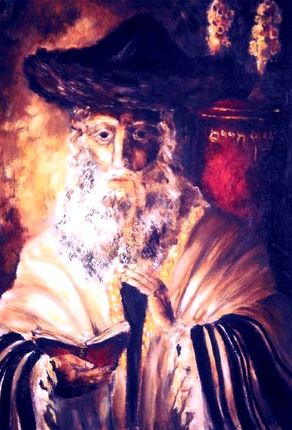
Israel ben Eliezer (The Besht / Baal Shem Tov)
 (רבי ישראל בעל שם טוב (הבעש״ט))
Eighteenth-century mystical healer and founder of Hasidic Judaism. Taught that God dwells within all creation, elevating the simple, joyful prayer and loving kindness of ordinary people above dry scholarly elitism.
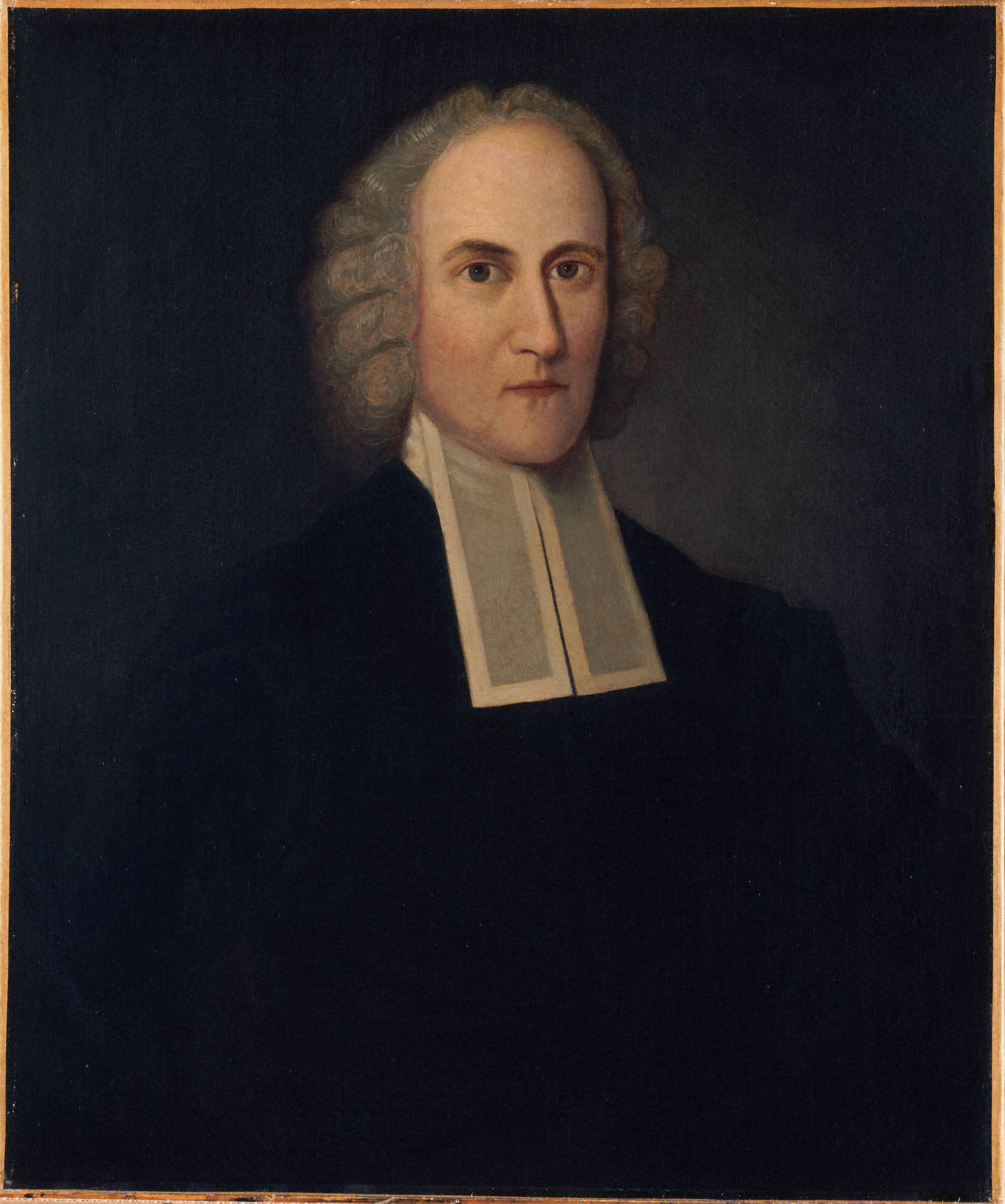
Jonathan Edwards
 (Jonathan Edwards)
Titan of American philosophical theology, revivalist of the First Great Awakening, and president of Princeton whose 'Religious Affections' and 'Freedom of the Will' shaped American intellectual life.
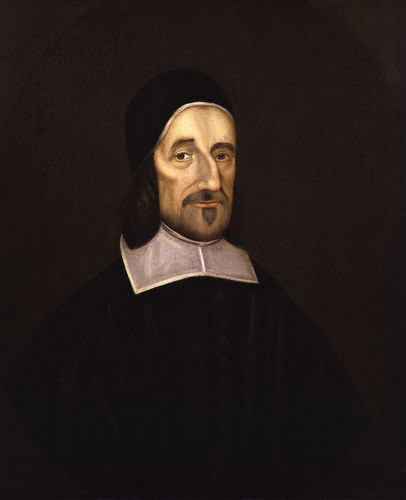
Richard Baxter
(Richard Baxter)
English Puritan churchman, poet, and pastoral pioneer whose 'The Reformed Pastor' and 'The Saints' Everlasting Rest' set the gold standard for pastoral counseling and nonconformity.
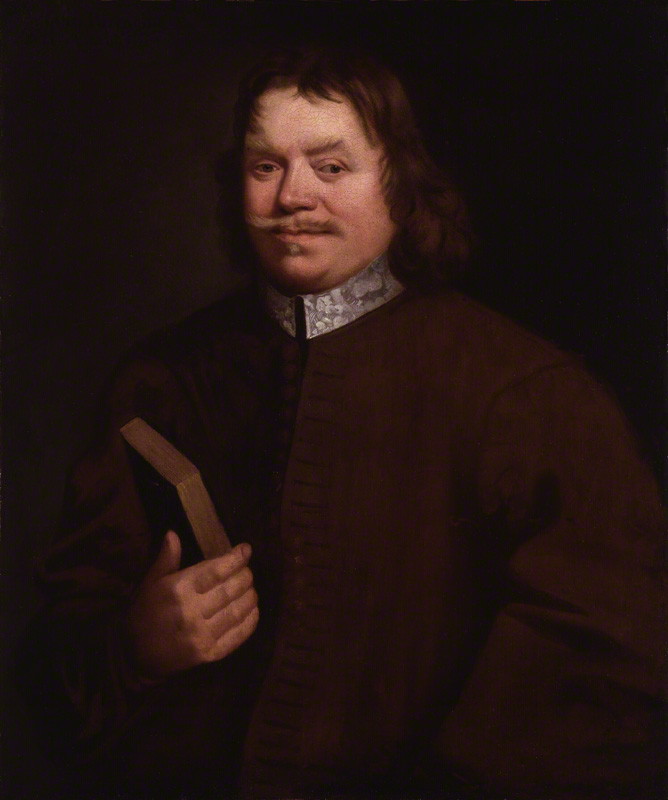
John Bunyan
(John Bunyan)
English Puritan preacher and author whose allegorical masterpiece 'The Pilgrim's Progress'—composed in Bedford Gaol—is one of the most published works in the history of world literature.
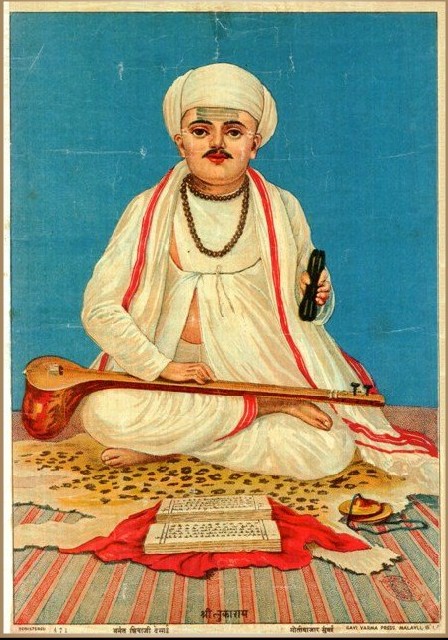
Tukaram Bolhoba Ambile
 (संत तुकाराम)
Beloved Maharashtrian Bhakti poet-saint whose ecstatic 'Abhangas' dedicated to Lord Vitthala of Pandharpur inspired Chhatrapati Shivaji Maharaj and democratized Hindu devotion.
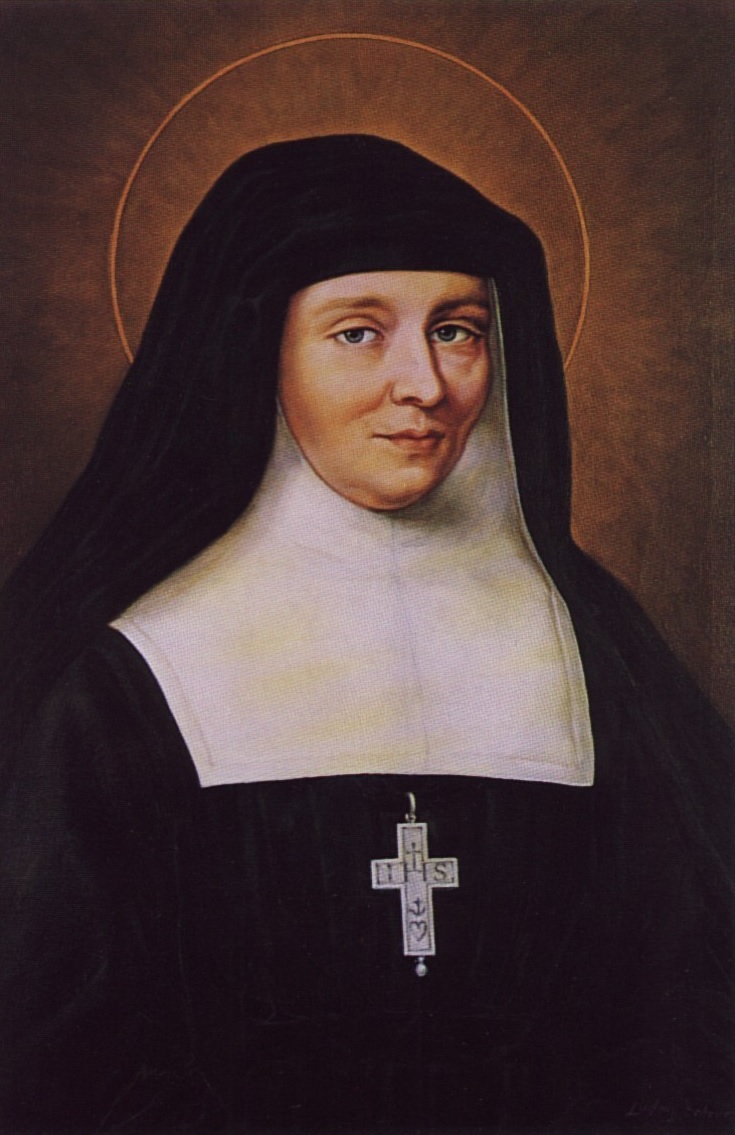
Jeanne-Françoise Frémyot de Chantal
 (Jeanne de Chantal)
French noblewoman and mystic who co-founded the Order of the Visitation of Holy Mary with Francis de Sales, pioneering contemplative religious life accessible to widows and frail women.
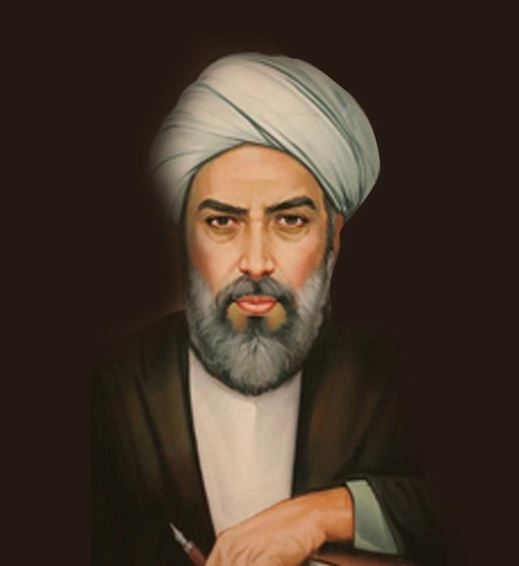
Sadr al-Din Muhammad al-Shirazi (Mulla Sadra)
 (ملاصدرا (صدرالدین محمد شیرازی))
Persian philosopher and theologian who revolutionized Islamic metaphysics by founding Transcendent Theosophy (Hikmat al-Muta'aliyah). Formulated the primacy of existence (Asalat al-Wujud) and substantial motion (al-Harakah al-Jawhariyyah).
Ahmad al-Faruqi al-Sirhindi (أحمد السرهندي)
Indian Islamic scholar and Naqshbandi master acclaimed as the 'Renewer of the Second Millennium' who resisted Mughal Emperor Akbar's syncretic Din-i Ilahi and formulated 'Wahdat al-Shuhud'.
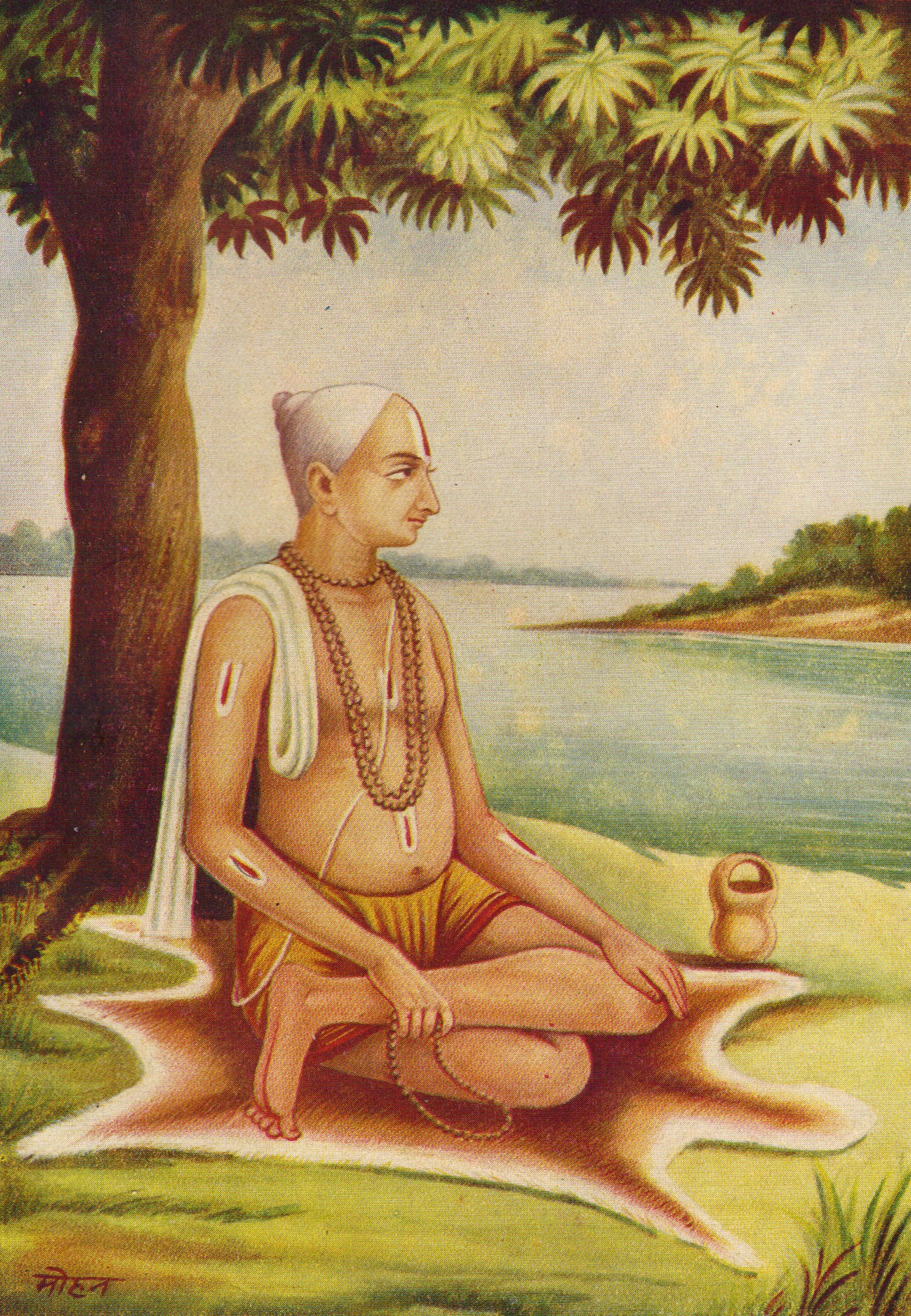
Goswami Tulsidas
(तुलसीदास)
Revered Sanskrit scholar and Awadhi poet who composed the epic 'Ramcharitmanas'—bringing the Ramayana to the common people—and authored the immortal 'Hanuman Chalisa'.
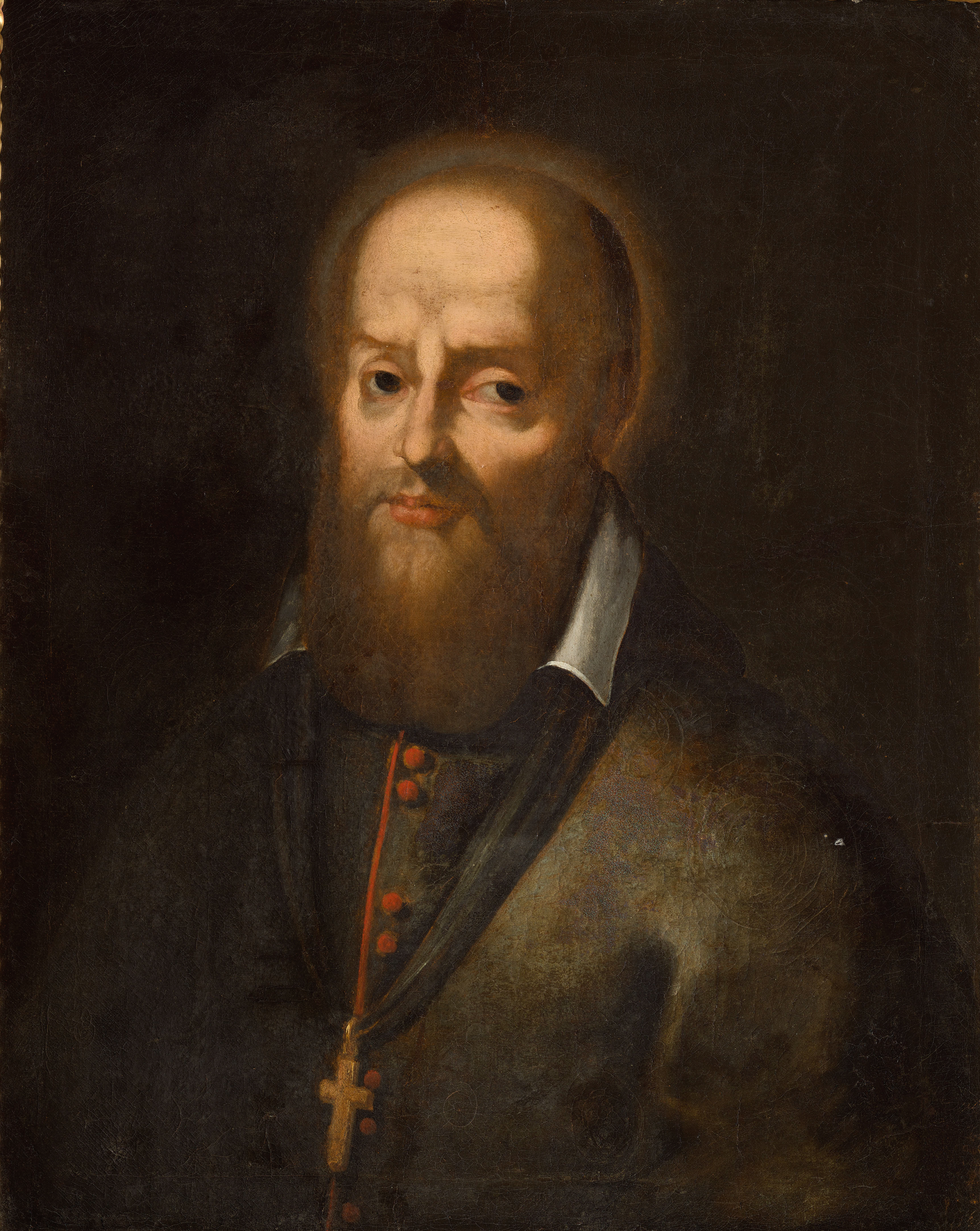
Francis de Sales
(François de Sales)
Prince-Bishop of Geneva, Doctor of the Church, and author of 'Introduction to the Devout Life' who proved that holiness is achievable for laypeople in everyday vocations.
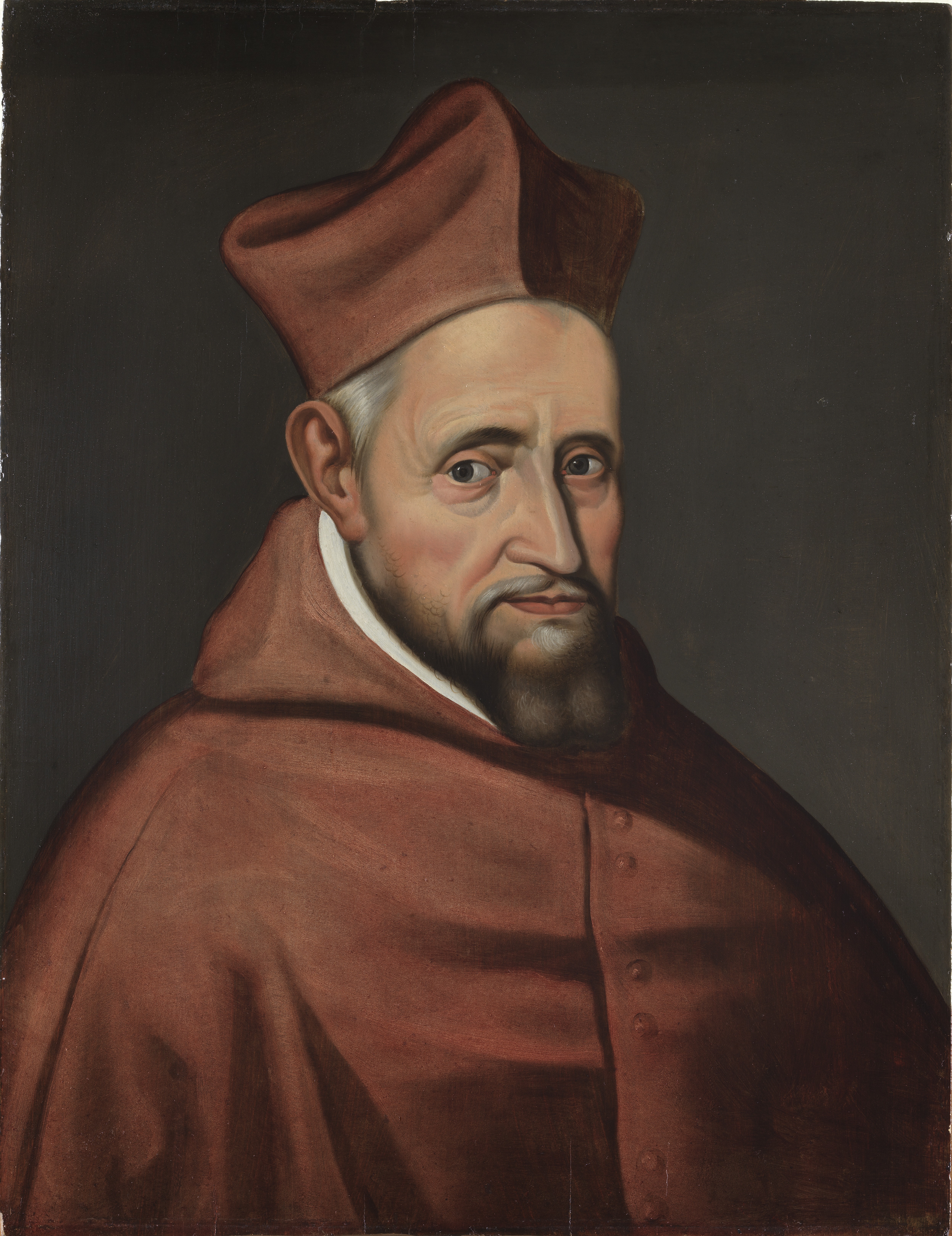
Roberto Francesco Romolo Bellarmino
 (Roberto Bellarmino)
Italian Jesuit cardinal, Doctor of the Church, and master apologist whose 'Disputationes' systematic defense of the Catholic faith against Protestant theology defined Counter-Reformation dogma.
Chaim ben Joseph Vital
 (חיים ויטאל)
Primary disciple and scribe of the Ari whose monumental eight-gate work 'Etz Chaim' (Tree of Life) preserved and transmitted Lurianic Kabbalah to the world.
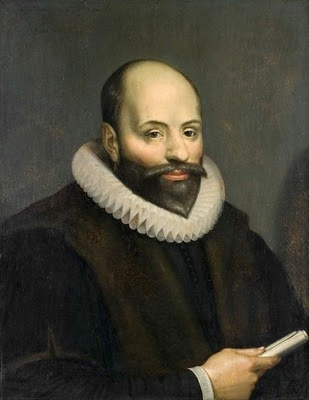
Jacobus Arminius
 (Jacobus Arminius)
Dutch Reformed theologian and professor at Leiden University whose challenge to strict Calvinist predestination founded Arminianism, affirming human free will and conditional election.
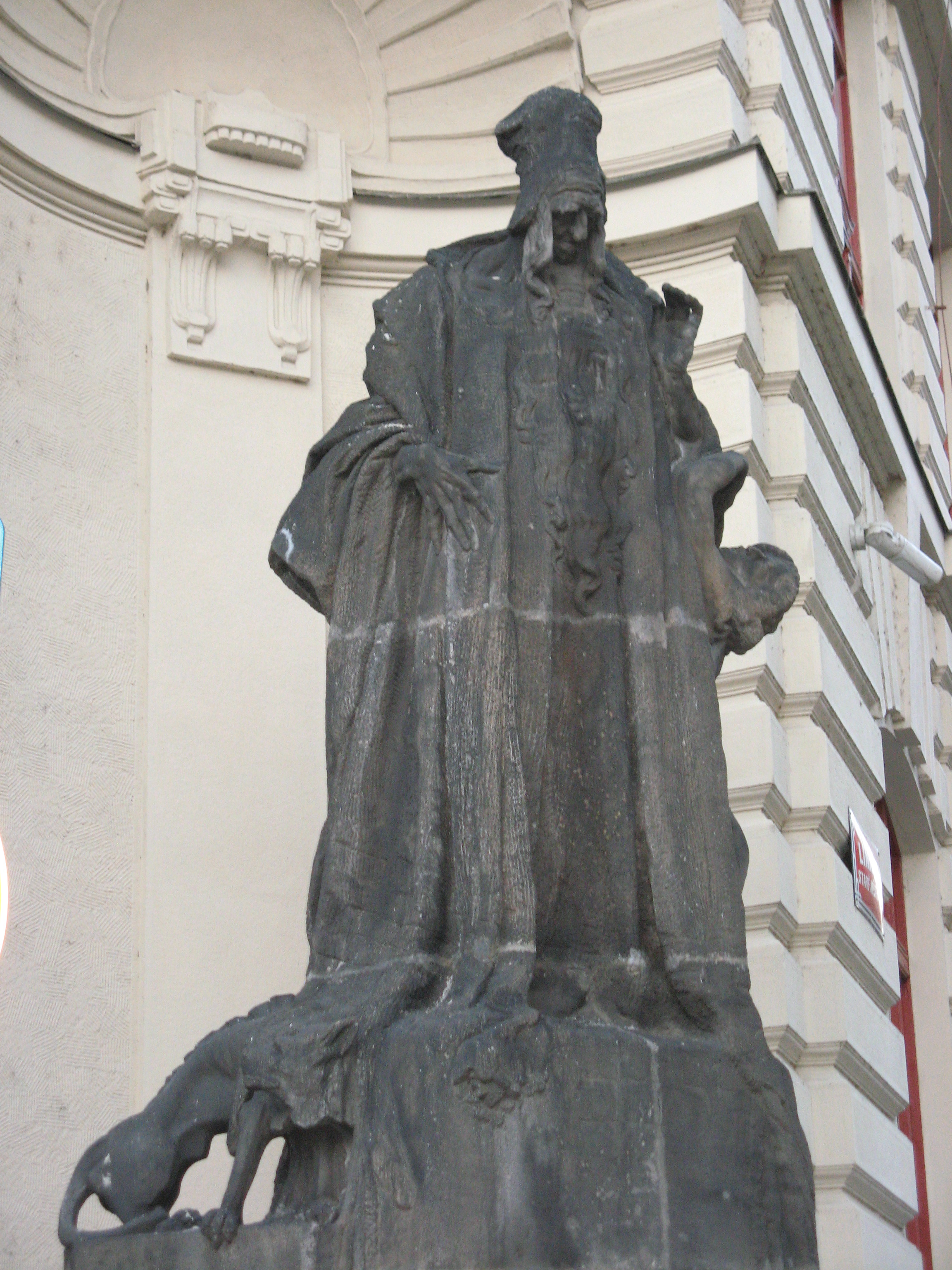
Judah Loew ben Bezalel
 (יהודה ליווא בן בצלאל)
Towering Central European talmudist, philosopher, and mystic legendary for the creation of the Golem and celebrated for his profound dialectical philosophy of Torah and nature.
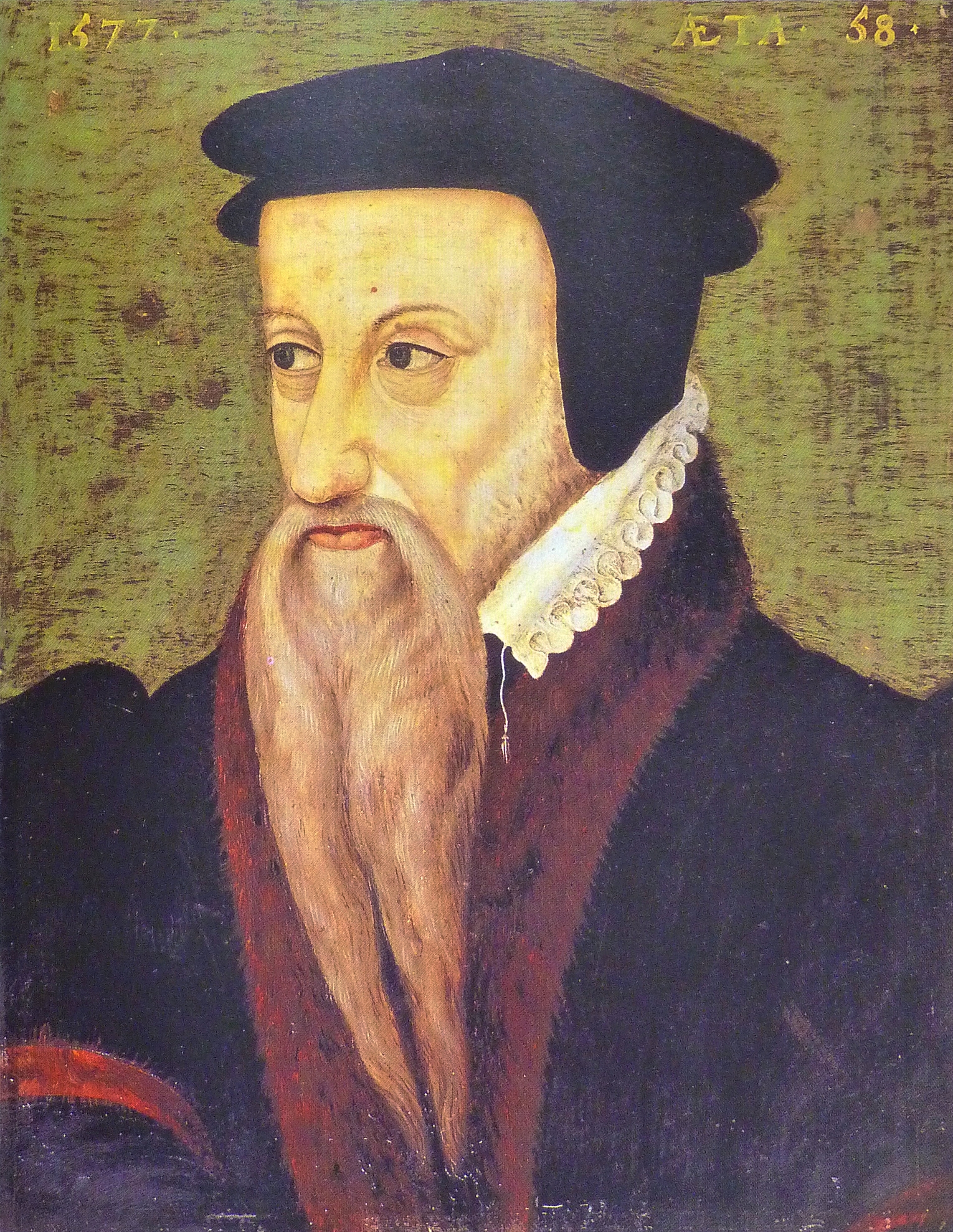
Theodore Beza
(Théodore de Bèze)
French humanist, biblical scholar, and direct successor to John Calvin as leader of Geneva whose critical Greek New Testament texts laid the textual foundation for the King James Bible.