Public Figures & Cultural Luminaries
Filterable archive covering centuries of intellectual, artistic, and moral contributions to the human story.
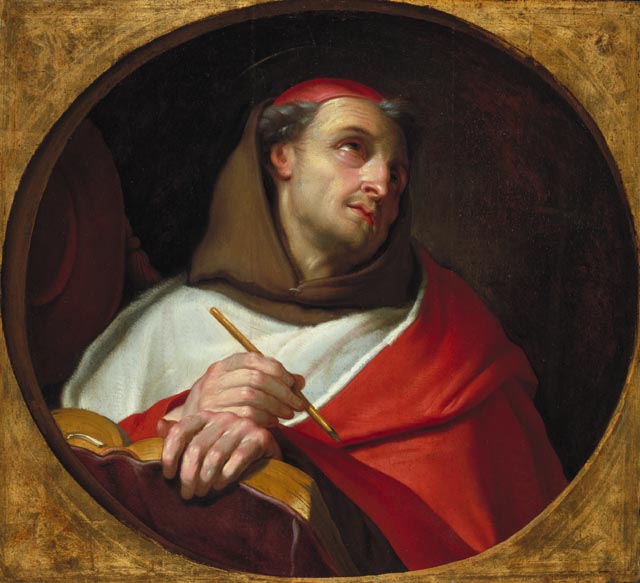
Bonaventure of Bagnoregio
 (Bonaventura)
Franciscan Minister General, Cardinal Bishop, and Doctor of the Church whose 'The Mind's Journey to God' (Itinerarium) synthesized Augustinian theology with mystical Francisan love.
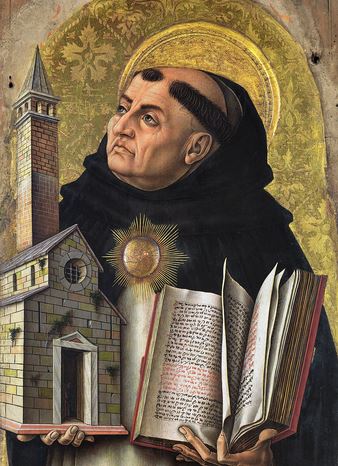
Thomas Aquinas (Doctor Angelicus)
(Thomas de Aquino)
Foremost philosopher-theologian of scholasticism who brilliantly synthesized Aristotelian philosophy with Christian revelation. Author of the monumental Summa Theologiae and formulated the Five Ways of proving God's existence.
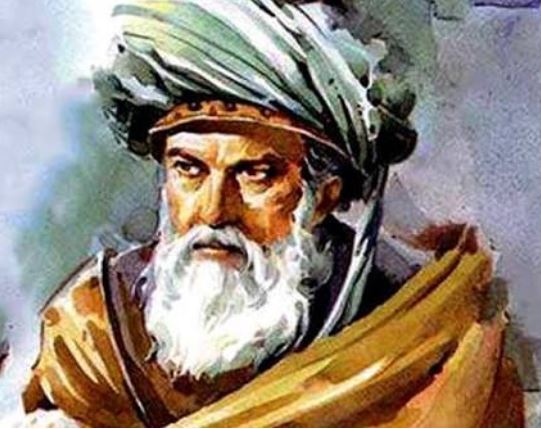
Jalal al-Din Muhammad Rumi (Mawlana)
 (مولانا جلالالدین محمد رومی)
Thirteenth-century spiritual giant whose 26,000-verse Masnavi is revered as "the Quran in the Persian tongue." Transformed through mystical communion with Shams of Tabriz into humanity's most universal poet of divine ecstasy and reconciliation.
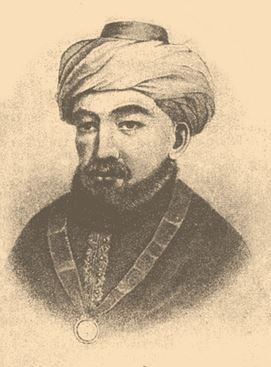
Abu Abd Allah al-Qurtubi
 (القرطبي)
Andalusian Maliki jurist and scholar whose 20-volume 'Al-Jami li-Ahkam al-Quran' is the premier legal commentary on the Quran, renowned for objectivity and ethical guidance.
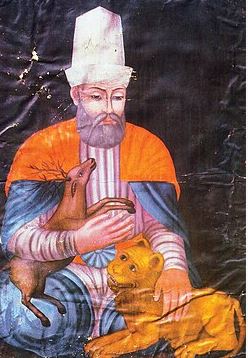
Sayyid Muhammad ibn Ibrahim Ata
 (Hacı Bektaş-ı Veli)
Beloved Khorasani mystic, humanist, and philosopher who settled in Anatolia, founding the Bektashi order that heavily influenced the Janissaries and Ottoman culture.
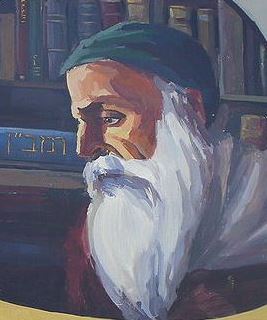
Moshe ben Nahman (Nachmanides / Ramban)
(רמב״ן (משה בן נחמן))
Thirteenth-century Catalan rabbi, physician, and kabbalist. Defended Judaism with extraordinary courage in the Disputation of Barcelona before King James I of Aragon, authored a mystical commentary on the Torah, and revitalized Jewish life in Jerusalem.
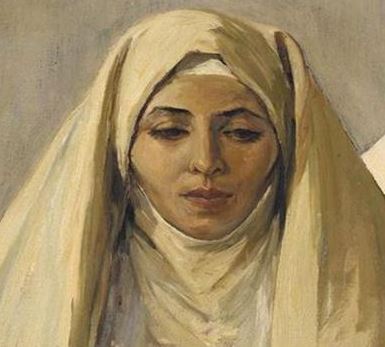
Lalla Manoubia
 (لالة المنوبية (عائشة المنوبية))
Extraordinary 13th-century Tunisian female Sufi mystic and disciple of Abu al-Hasan al-Shadhili who defied patriarchal norms to become a revered public spiritual authority and patron of women.
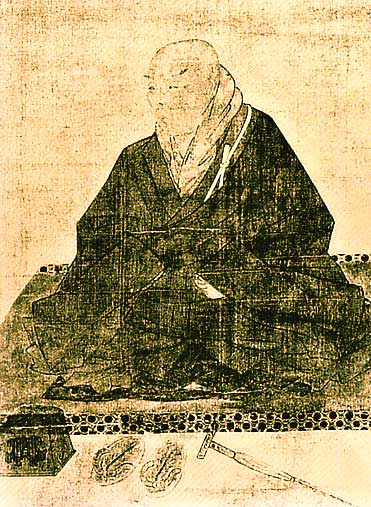
Shinran
 (親鸞)
Disciple of Honen and founder of Jodo Shinshu (True Pure Land) who rejected monasticism, married, and proclaimed radical salvation through the absolute 'Other-Power' (Tariki) of Amida Buddha.
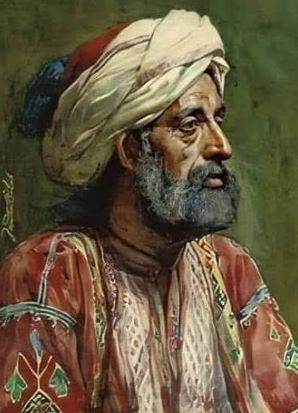
Abd al-Aziz ibn Abd al-Salam
 (العز بن عبد السلام)
Revered Syrian-Egyptian jurist known as 'Sultan of the Scholars' who confronted Crusader alliances, forced Mamluk princes to auction themselves for public welfare, and inspired victory at Ain Jalut.
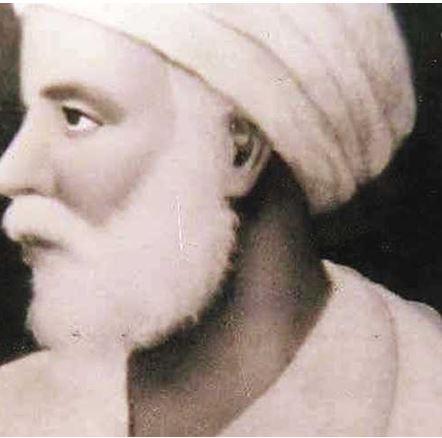
Ali ibn Abd Allah al-Shadhili
 (أبو الحسن الشاذلي)
Moroccan-born Sufi master and founder of the Shadhiliyya order, whose practical path of gratitude, inward detachment without outward poverty, and 'Hizb al-Bahr' shaped North Africa.

Eihei Dogen (Founder of Soto Zen in Japan)
(道元禅師 (Dōgen Zenji))
Thirteenth-century Japanese philosopher and monk who brought Soto Zen from China, founded Eihei-ji Temple, and authored the Shobogenzo (Treasury of the True Dharma Eye). Revolutionized philosophy with his concept of Being-Time (Uji).
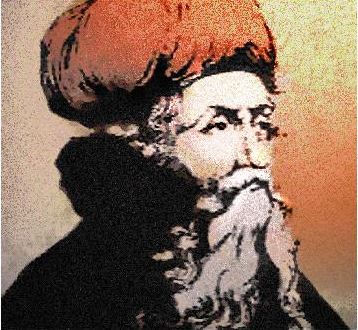
Muhyiddin Ibn Arabi (Al-Shaykh al-Akbar)
(محيي الدين بن عربي)
Visionary Andalusian philosopher and mystic revered as "Al-Shaykh al-Akbar" (The Greatest Master). Formulated the profound metaphysics of Wahdat al-Wujud (The Unity of Being) in Fusus al-Hikam and Al-Futuhat al-Makkiyya.
Abu al-Hasan Ali ibn al-Qattan
(أبو الحسن علي بن محمد بن القطان الفاسي)
Towering hadith critic and jurist of Fez and Sijilmasa, author of 'Bayan al-Wahm wa-l-Iham', acclaimed across the Islamic world as one of the greatest critical minds in hadith sciences.

Abu Said al-Baji
(أبو سعيد الباجي)
Venerated 13th-century Sufi master and scholar after whom the famous blue-and-white clifftop village of Sidi Bou Said is named, who served as ribat watchman guarding the Gulf of Tunis.

Sidi Bou Said
(سيدي بو سعيد (أبو سعيد الباجي))
Revered 13th-century Sufi master and spiritual lookout who established his hermitage atop the cliffs of Djebel Menara, giving his name to the world-famous blue-and-white clifftop village.
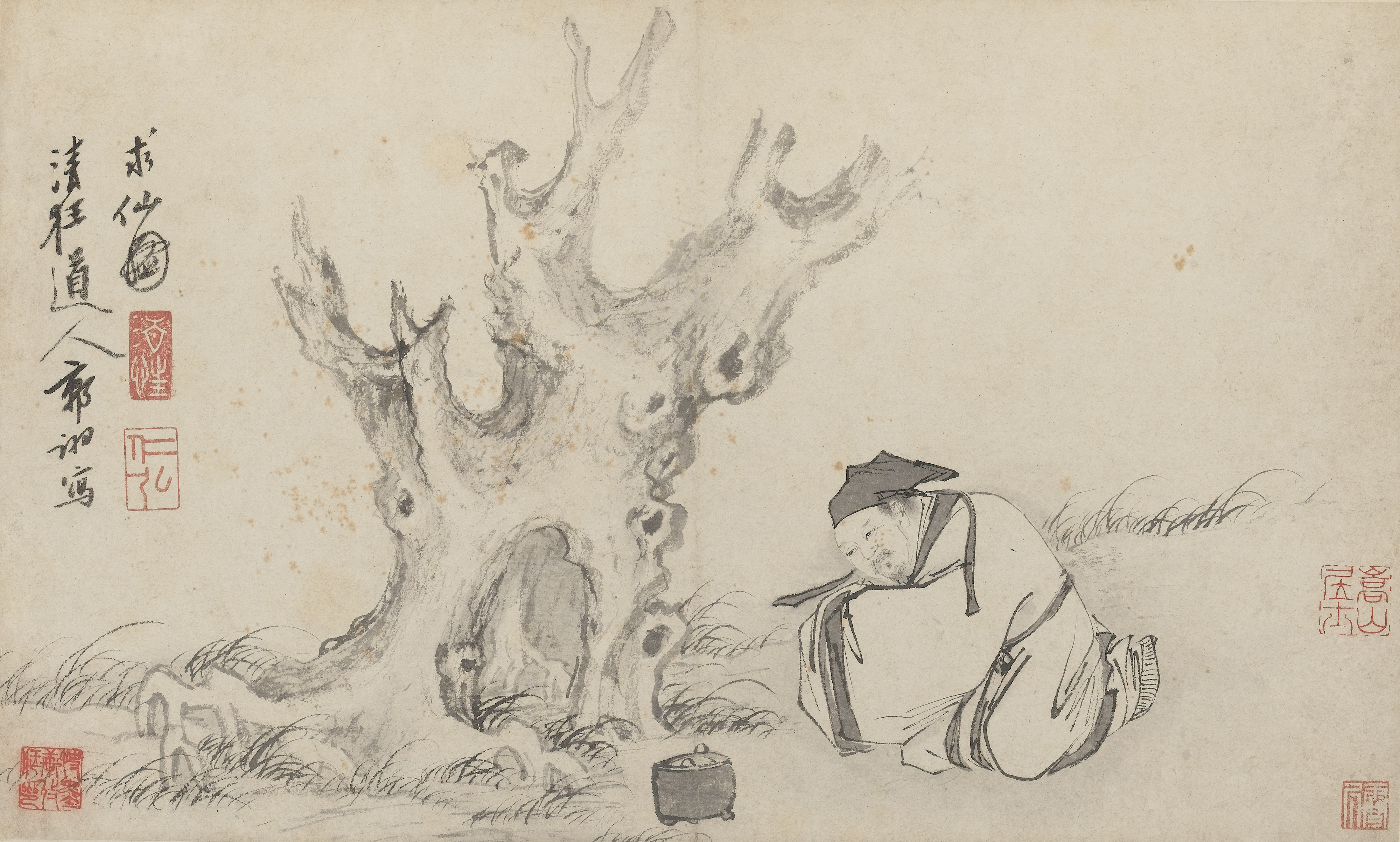
Qiu Chuji
 (丘處機)
Leader of Quanzhen Daoism who undertook an epic journey across Central Asia to the Hindu Kush in 1222 to counsel Genghis Khan against mass slaughters, saving millions.
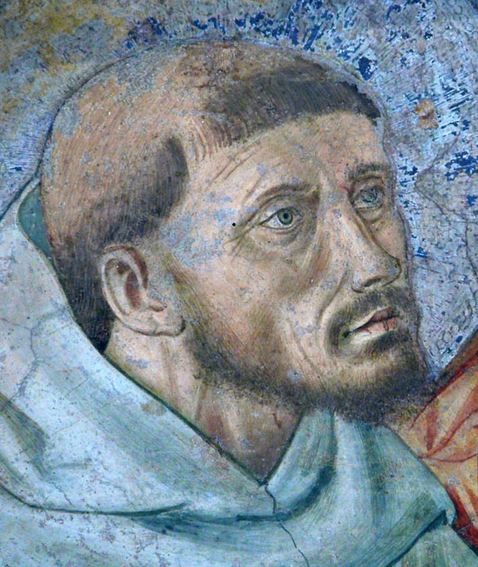
Giovanni di Pietro di Bernardone (Saint Francis of Assisi)
(San Francesco d'Assisi)
Beloved friar and mystic who renounced aristocratic wealth to embrace absolute poverty, brotherly love for all creatures, and peaceful interfaith dialogue, composing the Canticle of the Sun and founding the Franciscan Order.
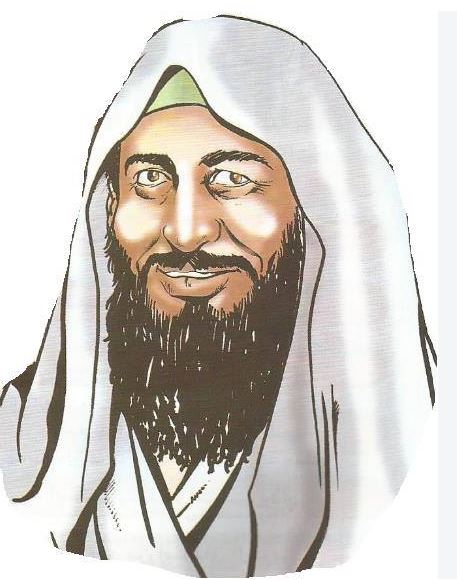
Muwaffaq al-Din Ibn Qudamah
 (ابن قدامة المقدسي)
Supreme Hanbali jurist, ascetic, and theologian whose ten-volume 'Al-Mughni' is the definitive masterpiece of comparative Islamic jurisprudence, highly praised by Saladin.