Public Figures & Cultural Luminaries
Filterable archive covering centuries of intellectual, artistic, and moral contributions to the human story.
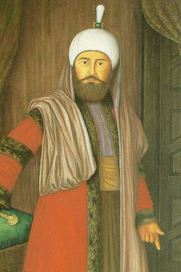
Hammuda Pasha
 (حمودة باشا المرادي / الحسيني)
Husainid Bey of Tunis whose thirty-two-year reign (1782–1814) marked the golden age of modern Tunisian statehood, defeating Venetian naval fleets and Algerian incursions while asserting independence from Ottoman Istanbul.
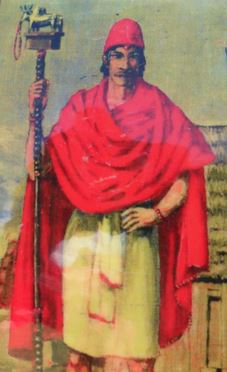
Andrianampoinimerina (Andrianampoinimerina)
Revered King of Imerina who ended centuries of civil war between highland Merina clans, unified the central plateau of Madagascar, and established the sacred royal capital at Ambohimanga.
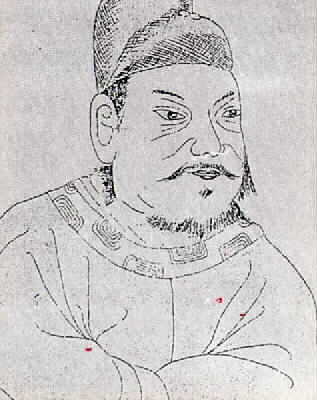
King Jeongjo
 (정조 (조선 정조))
Twenty-second King of the Joseon Dynasty (1776–1800), enlightened Confucian monarch who established the Gyujanggak royal research library, constructed the UNESCO fortress of Suwon Hwaseong, and patronized the Silhak (Practical Learning) intellectual renaissance.
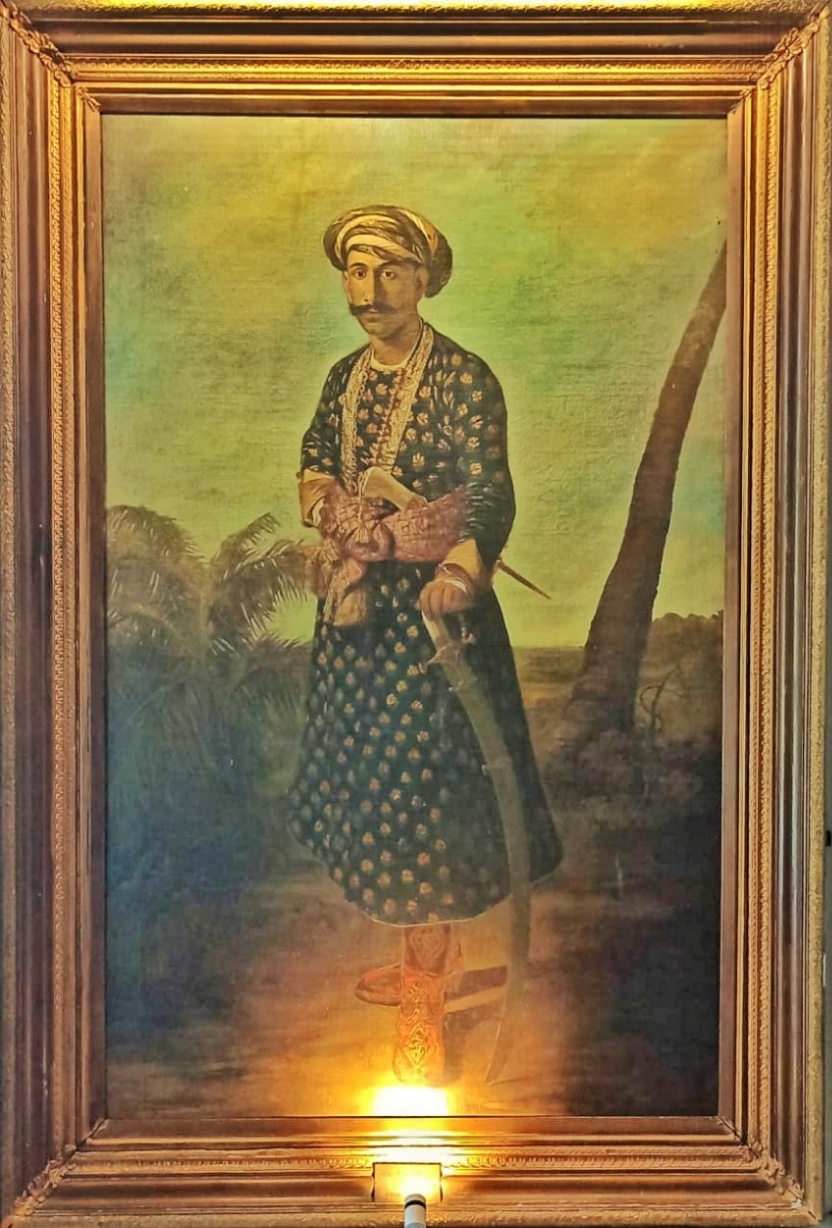
Tipu Sultan (Tiger of Mysore)
 (ٹیپو سلطان / ಟಿಪ್ಪು ಸುಲ್ತಾನ್)
Visionary ruler of the Kingdom of Mysore who pioneered iron-cased Mysorean rocketry and led four relentless wars against British colonial hegemony.
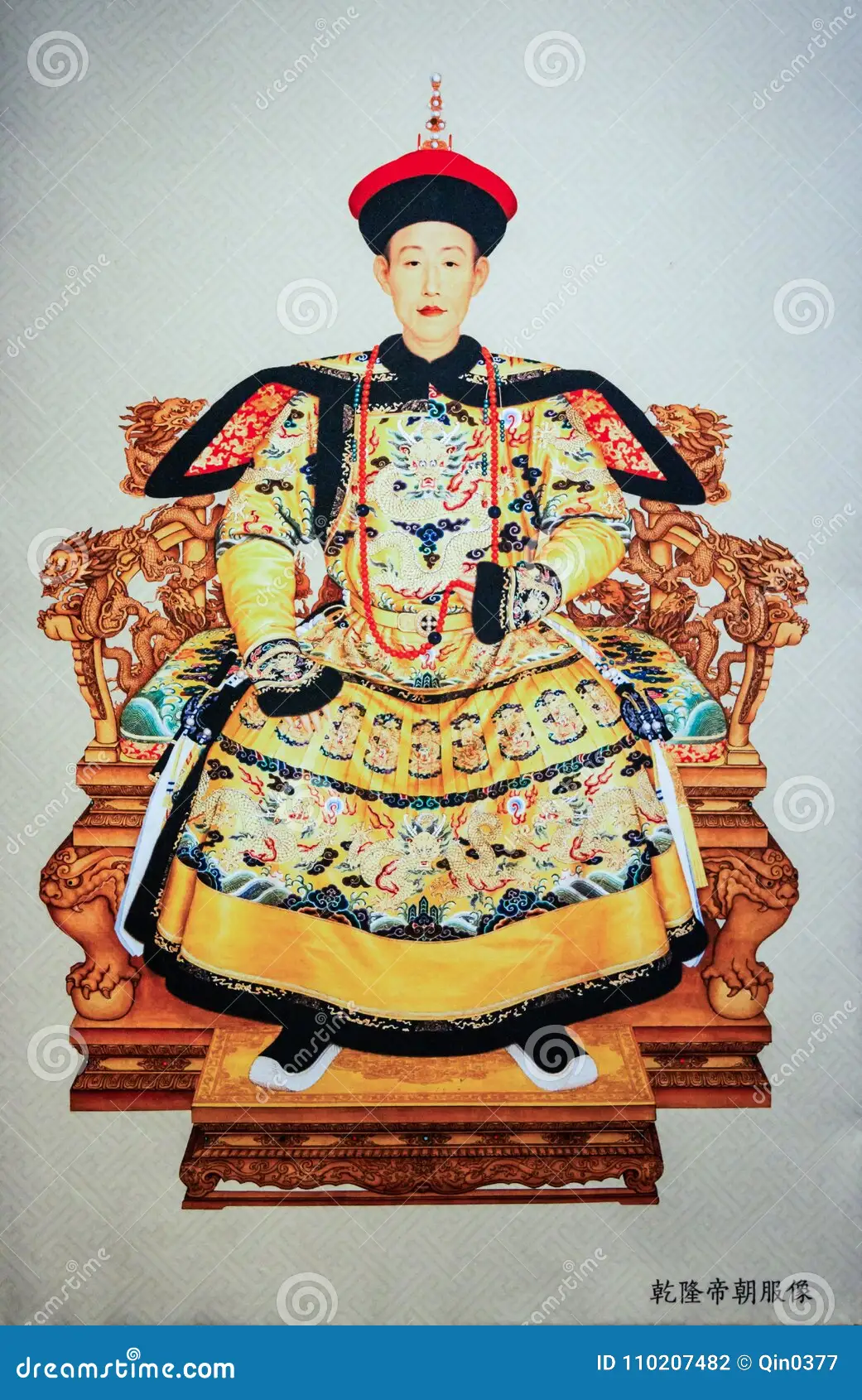
Qianlong Emperor (Hongli)
 (乾隆帝 / 愛新覺羅·弘曆)
Sixth emperor of the Qing dynasty whose sixty-year reign presided over the pinnacle of territorial expansion, imperial wealth, and colossal cultural patronage across China.
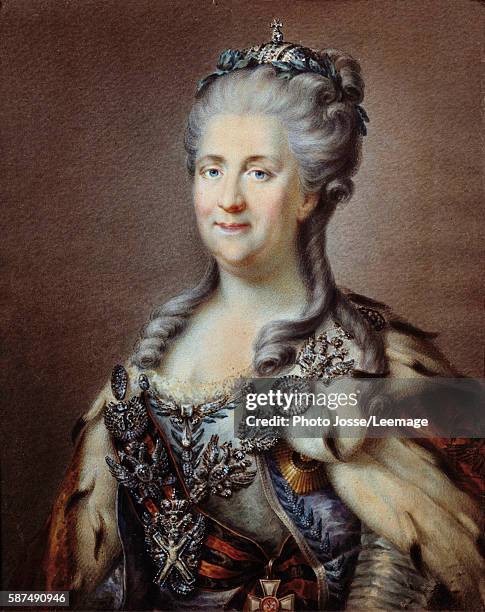
Catherine II of Russia (Catherine the Great)
 (Екатерина II Великая (Sophie of Anhalt-Zerbst))
Longest-reigning female leader of Russia whose thirty-four-year golden age modernized the Russian Empire and annexed Crimea.
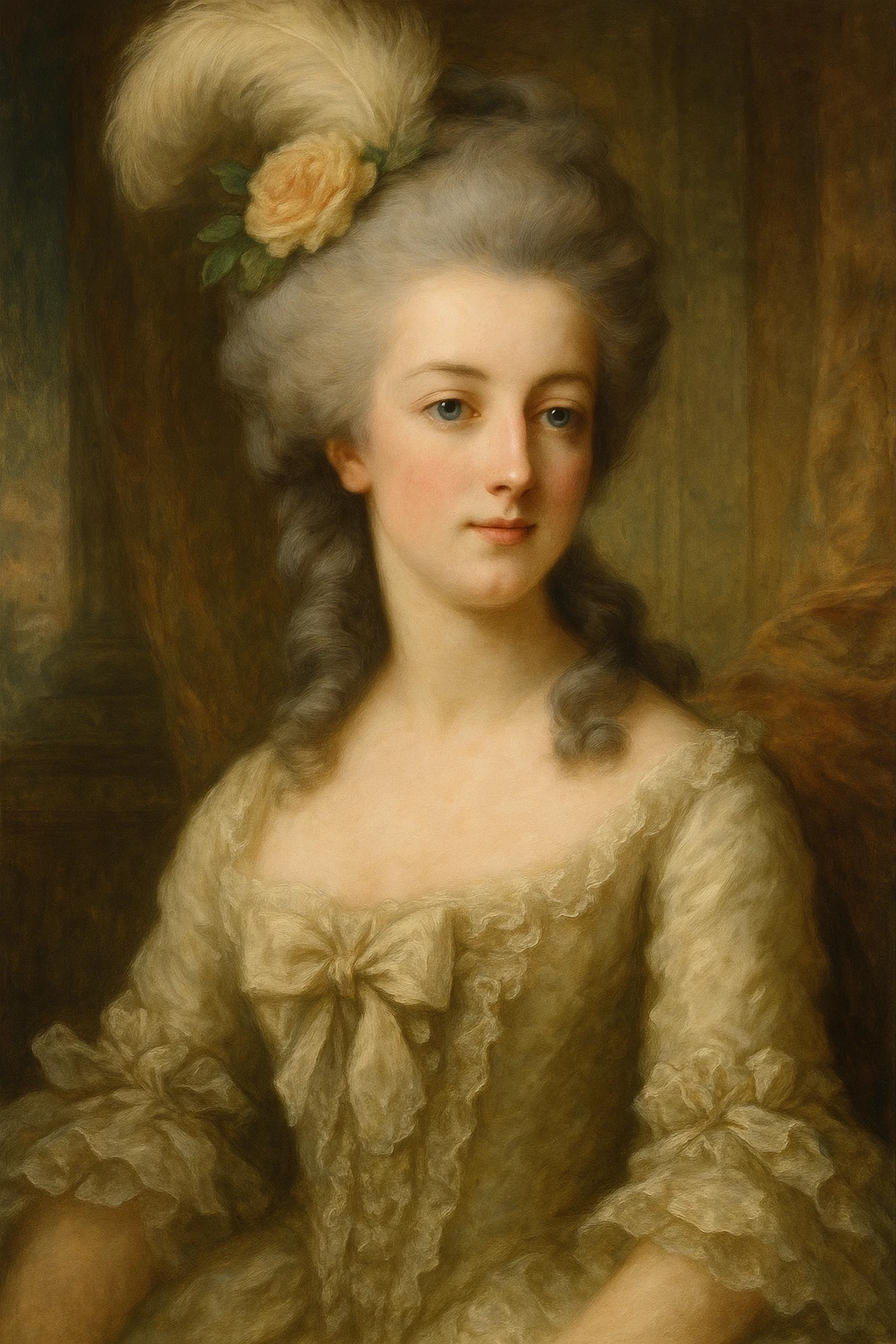
Marie Antoinette
 (Maria Antonia Josepha Johanna von Habsburg-Lothringen)
Last Queen of France before the French Revolution, tragic symbol of courtly elegance and the downfall of the Bourbon monarchy.
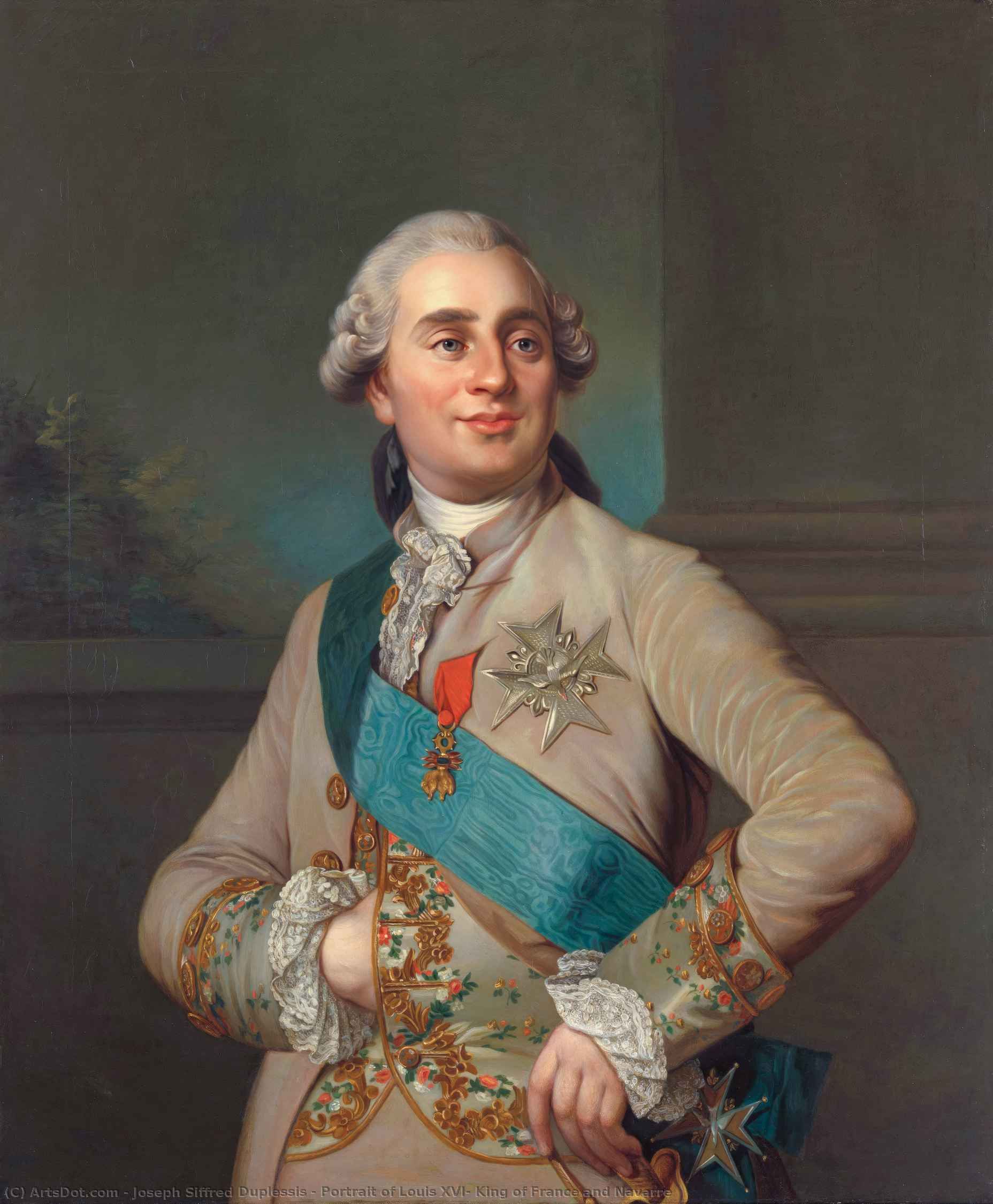
Louis XVI of France
 (Louis-Auguste de France)
Last King of France of the Ancien Régime whose support for the American Revolution worsened finances, leading to the French Revolution.
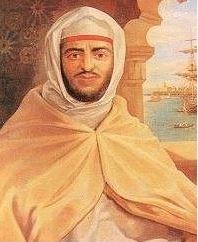
Mohammed III of Morocco (محمد الثالث بن عبد الله)
Enlightened Alaouite Sultan of Morocco who modernized foreign diplomacy, founded the Atlantic port of Essaouira in 1764, and made Morocco the very first country in the world to officially recognize the independence of the United States in 1777.
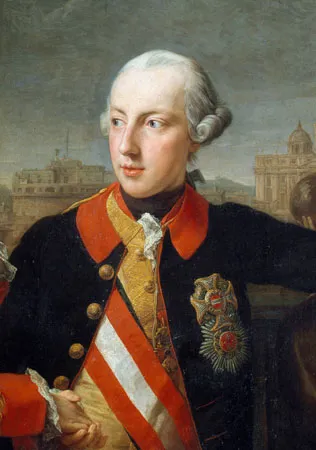
Joseph II, Holy Roman Emperor
(Joseph Benedikt August Johann Anton Michael Adam)
Radical Enlightened Despot of Austria who abolished serfdom, instituted complete religious tolerance, and patronized Wolfgang Amadeus Mozart.
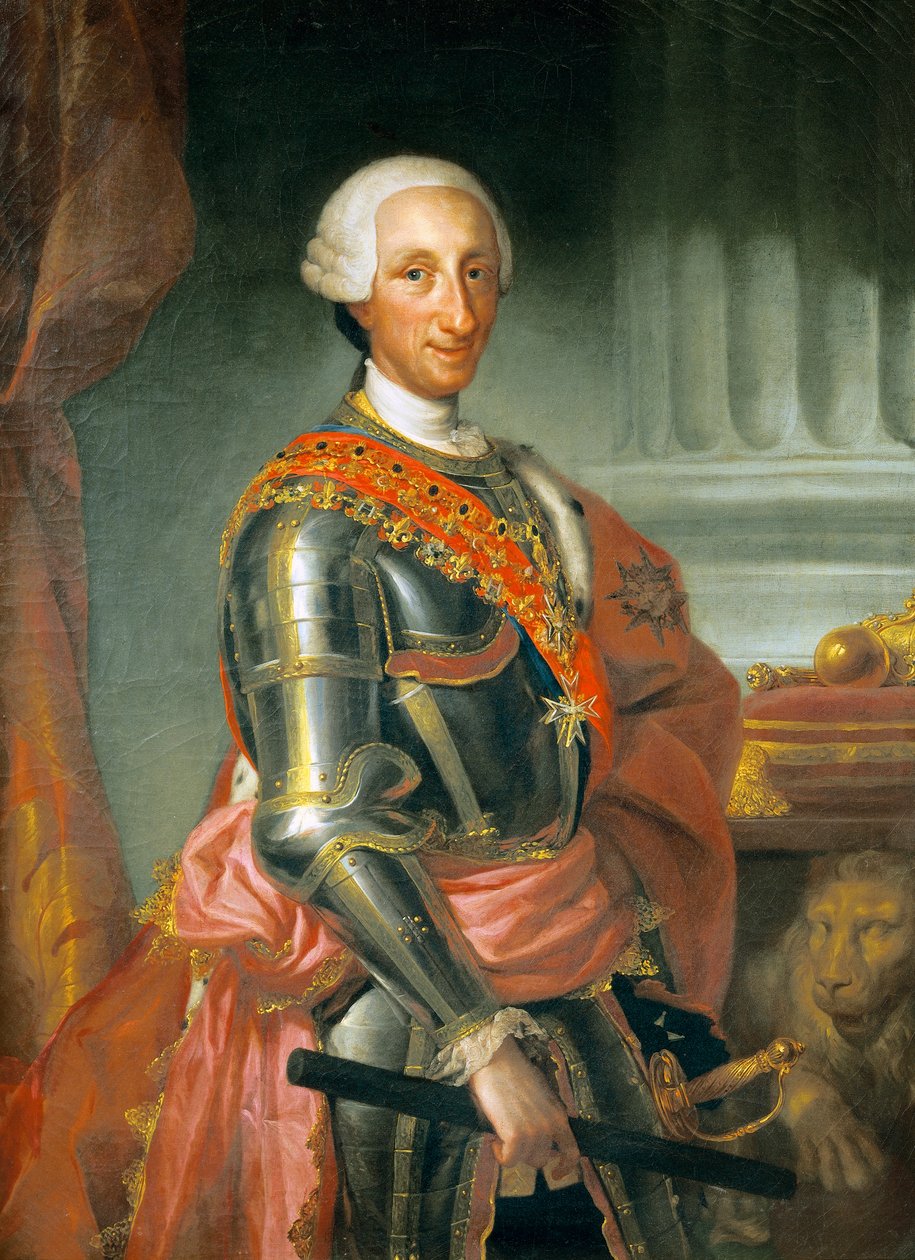
Charles III of Spain
 (Carlos III de España (El Político / El Ilustrado))
Enlightened Bourbon monarch of Spain who modernized Madrid, patronized science, and implemented the Bourbon administrative reforms.
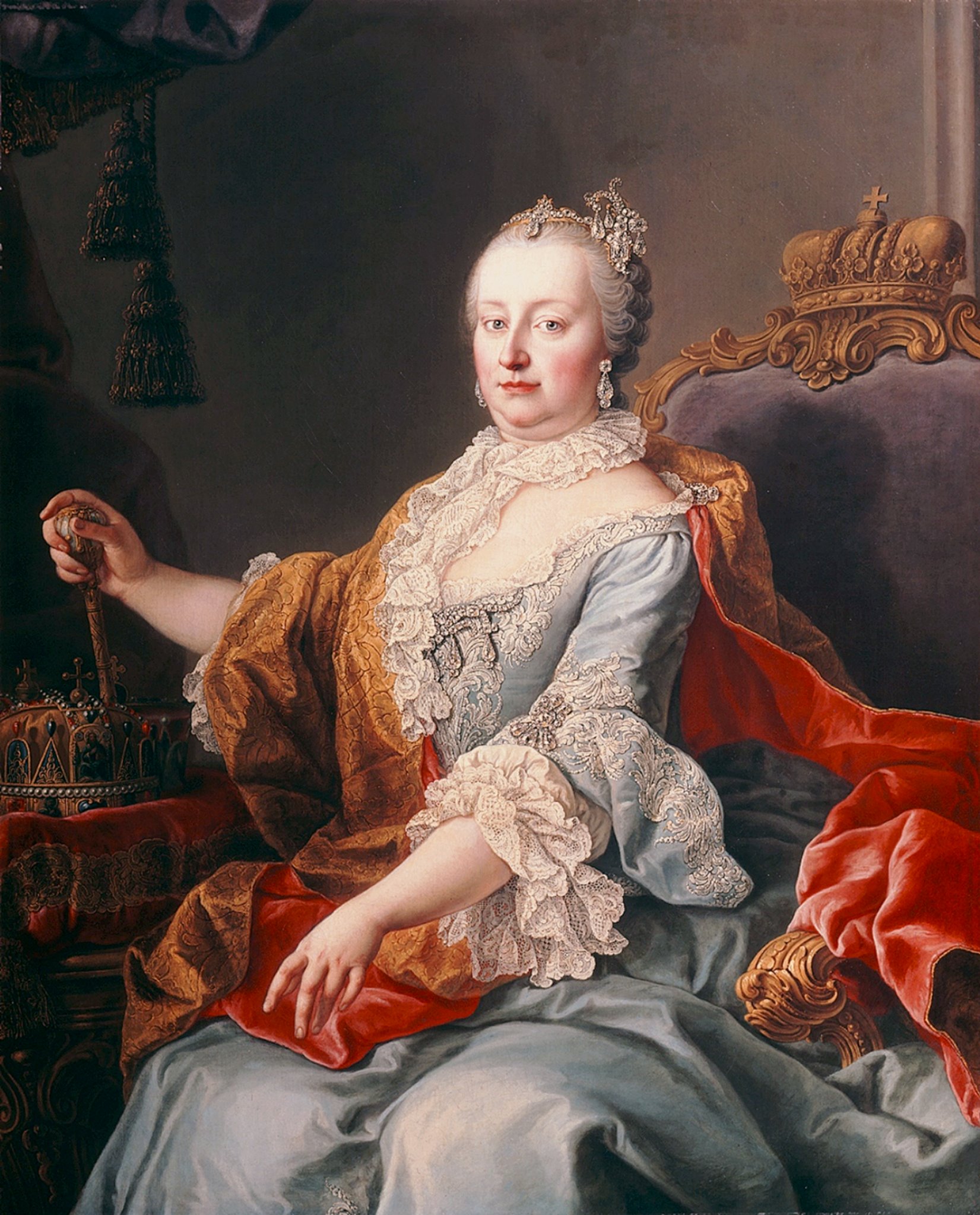
Maria Theresa of Austria
(Maria Theresia von Österreich)
Sole female ruler of the Habsburg dominions who defended her inheritance in the War of the Austrian Succession and modernized central Europe.
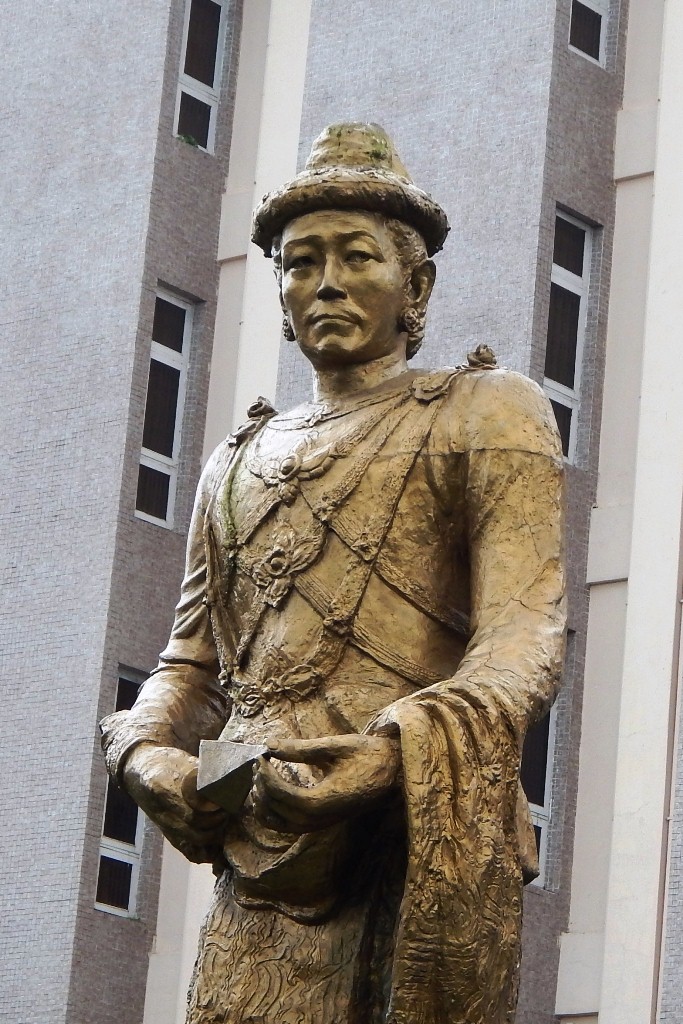
King Alaungpaya
 (အလောင်းမင်းတရား)
Founder of the Konbaung Dynasty who rose from a village headman to reunite Burma for the third time, founded the modern city of Yangon (Rangoon), and drove out French and British colonial outposts.
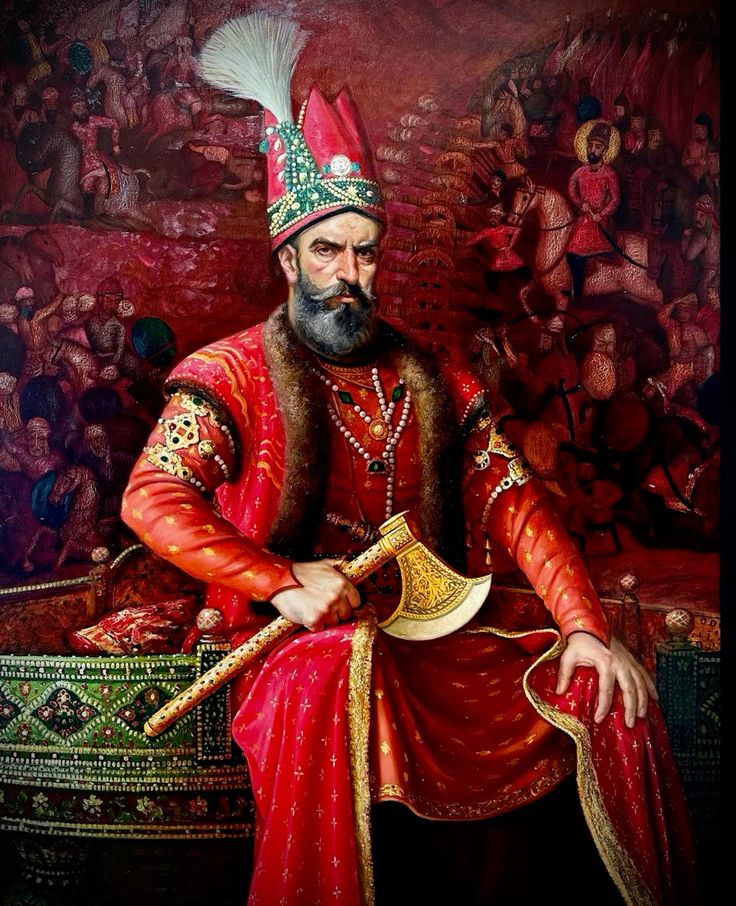
Nader Shah (The Sword of Persia)
 (نادر شاه افشار (Nāder Qoli Beg))
Founder of the Afsharid Dynasty, military genius known as the 'Napoleon of Persia' who conquered Delhi and carried off the Peacock Throne.
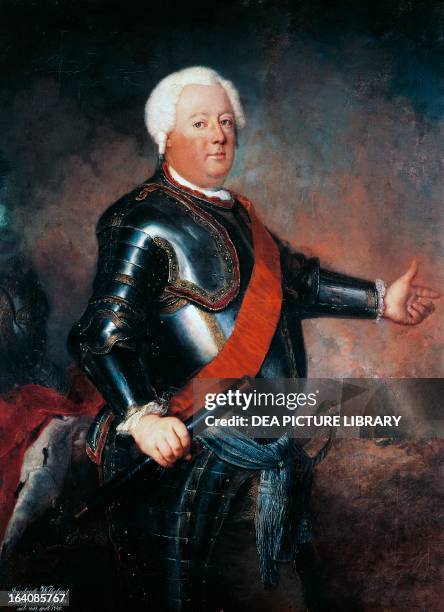
Frederick William I of Prussia (The Soldier King)
 (Friedrich Wilhelm I (Der Soldatenkönig))
King in Prussia who built the formidable Prussian military and civil administrative state, father of Frederick the Great.
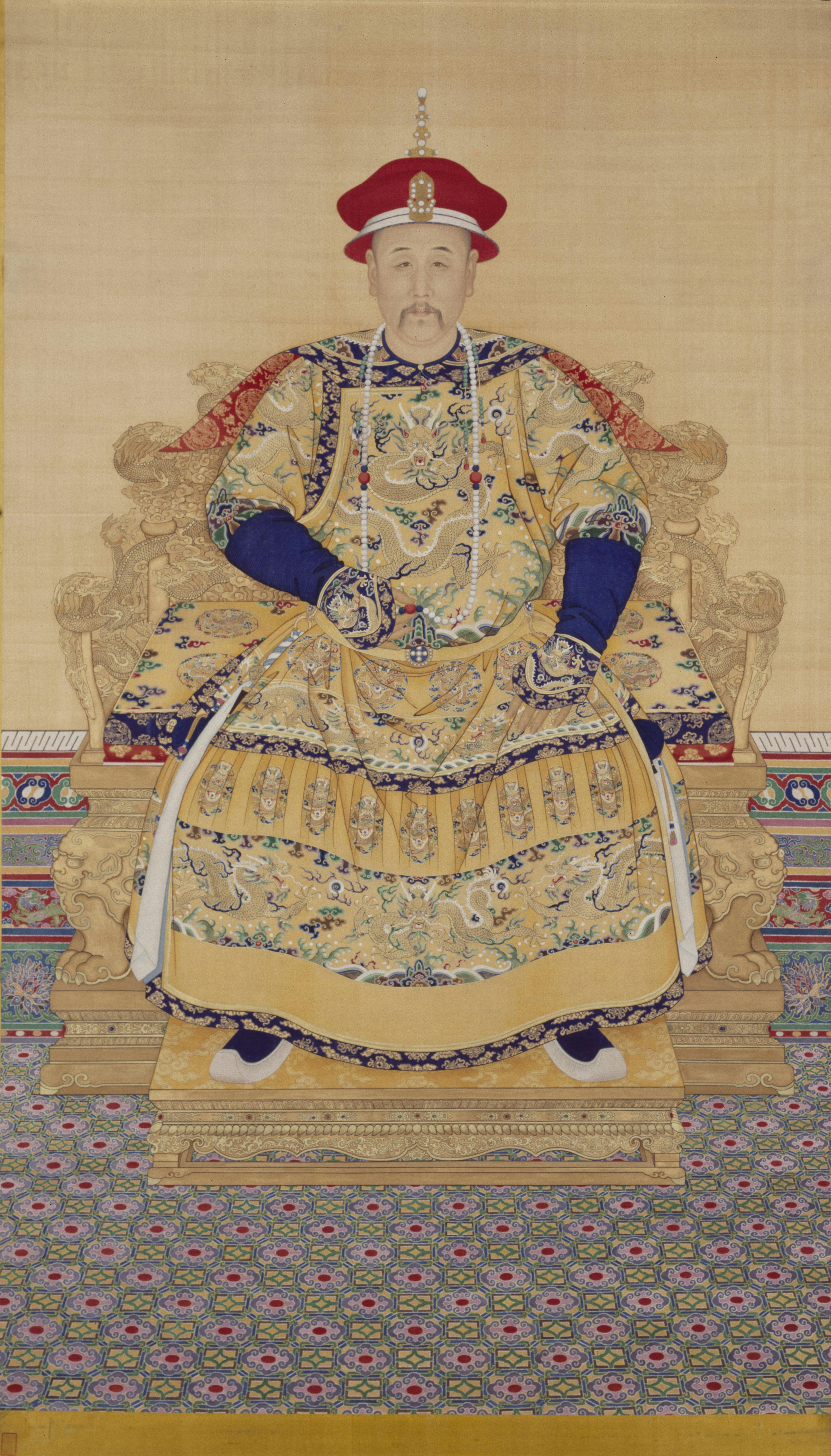
Yongzheng Emperor
(雍正帝 (胤禛))
Fifth emperor of the Qing Dynasty (1722–1735) whose incorruptible work ethic, anti-corruption campaigns, establishment of the Grand Council, and tax reforms transformed the Qing imperial treasury and solidified the golden age of high Qing.
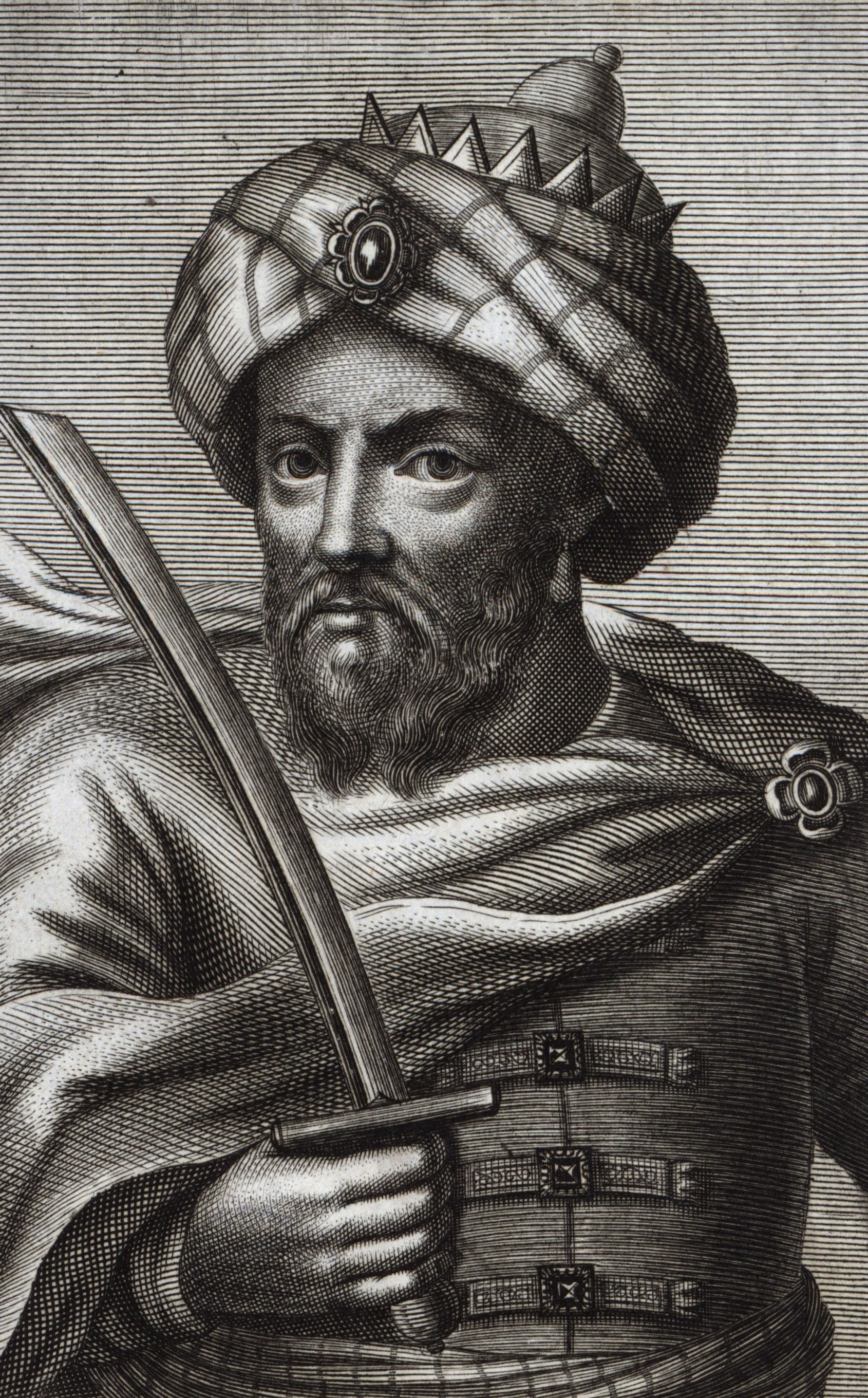
Moulay Ismail
 (مولاي إسماعيل بن الشريف)
Longest-reigning sovereign in Moroccan history (1672–1727), who consolidated the Alaouite Dynasty, created the formidable 150,000-man Black Guard (Jaysh al-Bukhari), expelled European garrisons from Larache and Tangier, and built the imperial capital of Meknes.
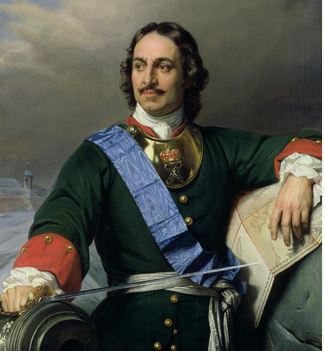
Peter I of Russia (Peter the Great / Pyotr Alekseyevich)
 (Пётр I Великий (Pyotr Velikiy))
Tsar and first Emperor of All Russia who dragged the Tsardom out of medieval isolation into a major European empire. Modernized the military, built the Russian navy, founded the imperial capital of Saint Petersburg, and reformed science and statecraft.