Public Figures & Cultural Luminaries
Filterable archive covering centuries of intellectual, artistic, and moral contributions to the human story.
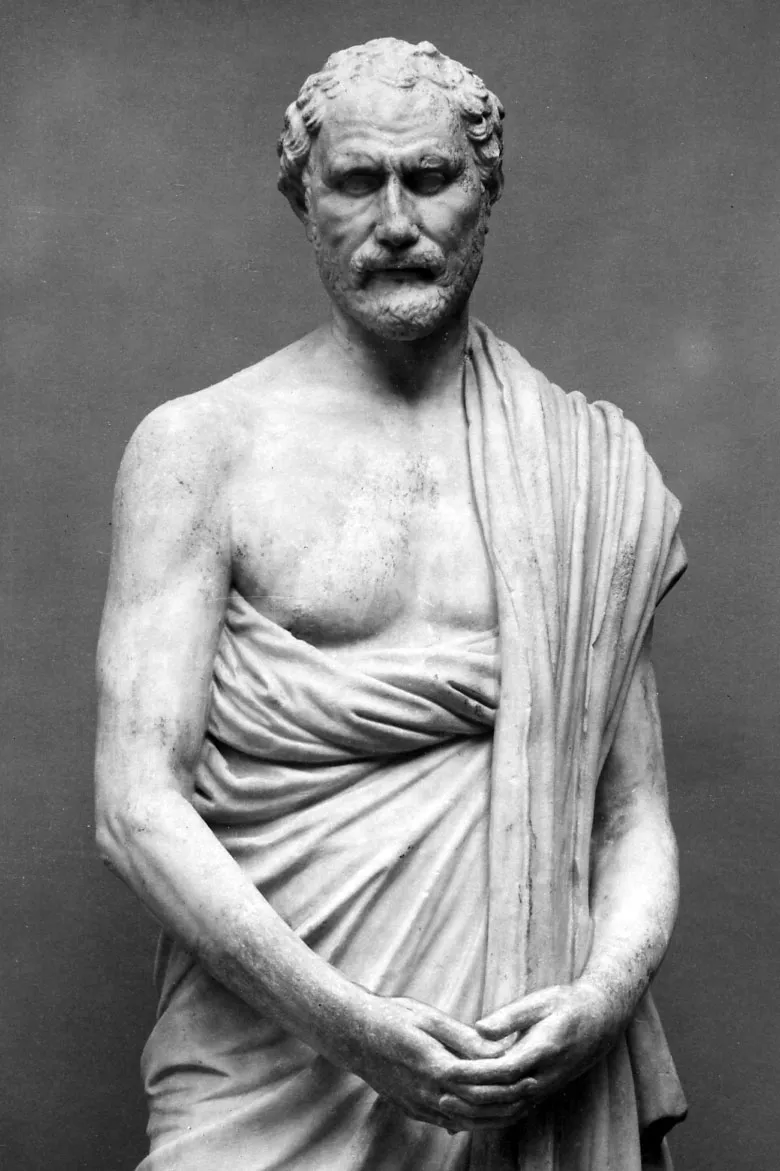
Demosthenes
 (Δημοσθένης)
Greatest orator and statesman of classical Greece whose fiery Philippics galvanized Athens to resist Macedonian hegemony under Philip II and Alexander the Great.
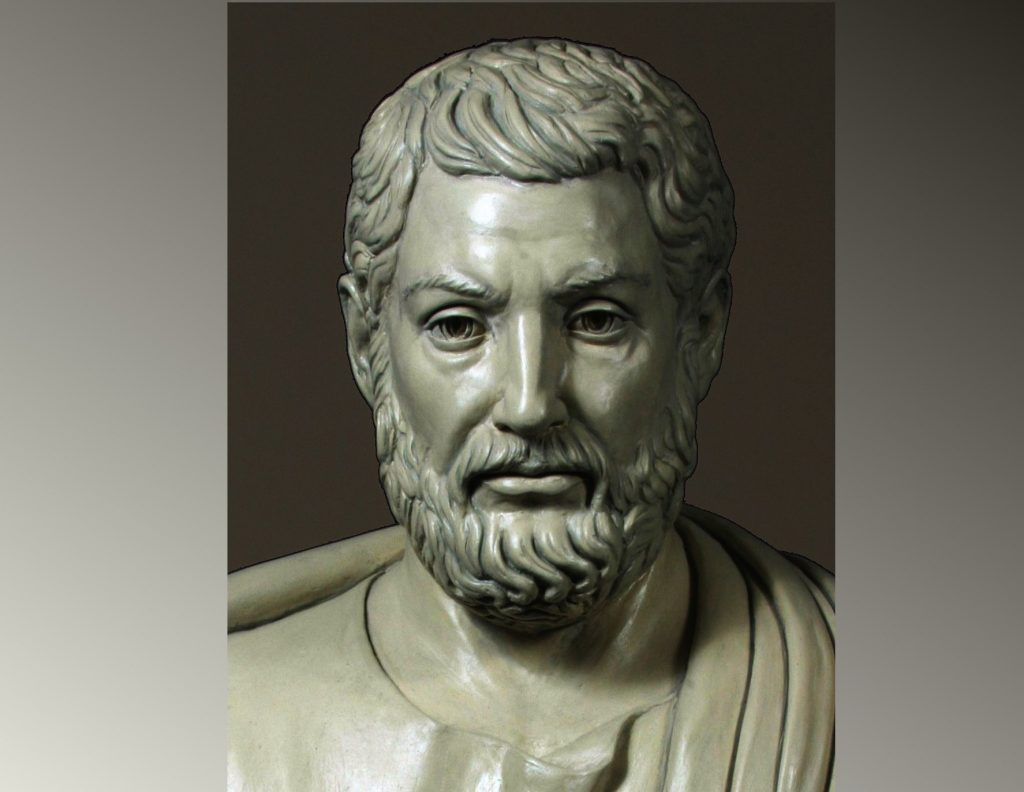
Cleisthenes
(Κλεισθένης)
Athenian noble of the Alcmaeonid clan revered as the 'Father of Athenian Democracy' for breaking aristocratic tribal power and establishing isonomia (equality before the law).
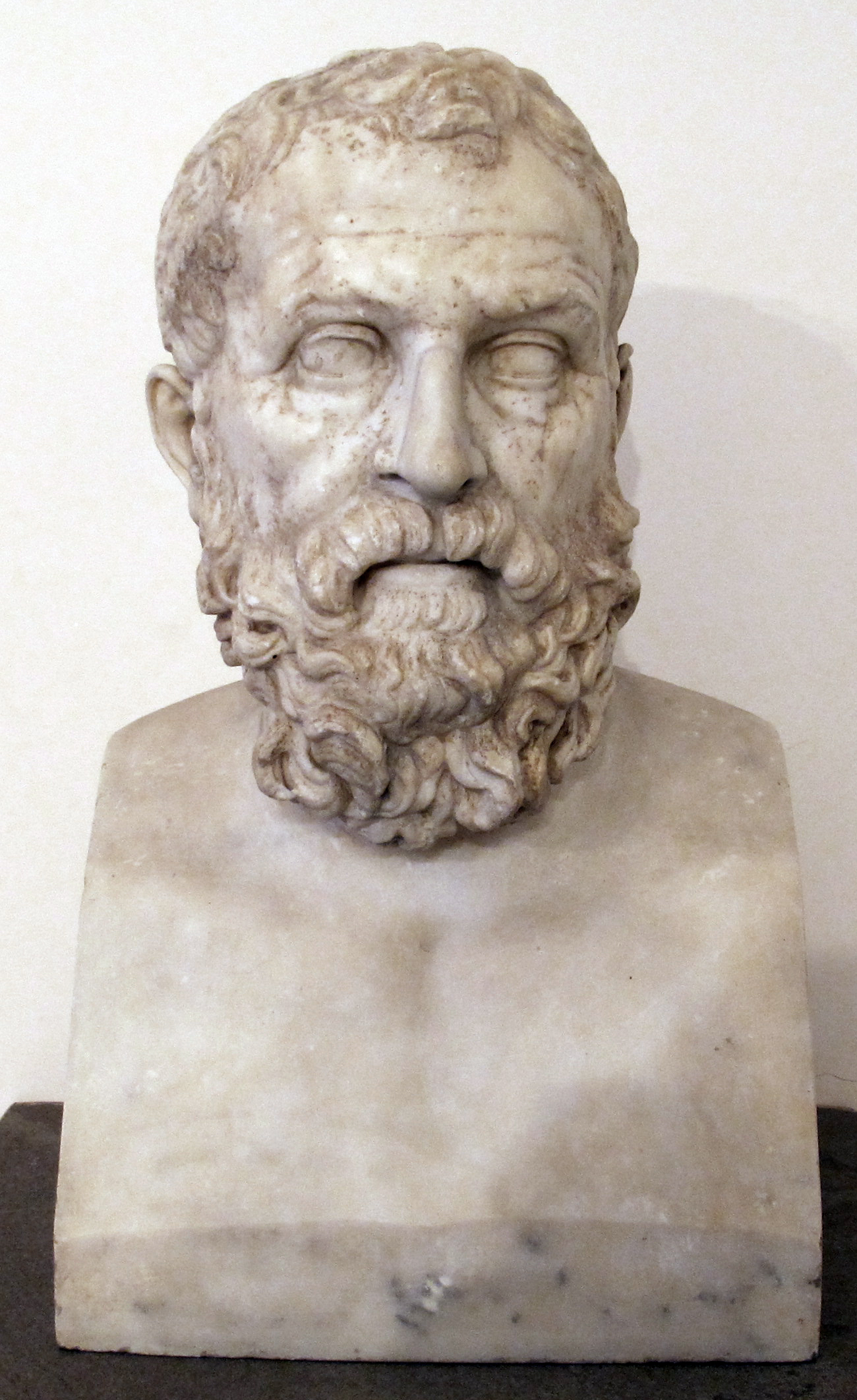
Solon
(Σόλων)
Archaic Athenian lawmaker, poet, and one of the Seven Sages of Greece who abolished debt slavery (Seisachtheia) and laid the legal foundation for Athenian democracy.
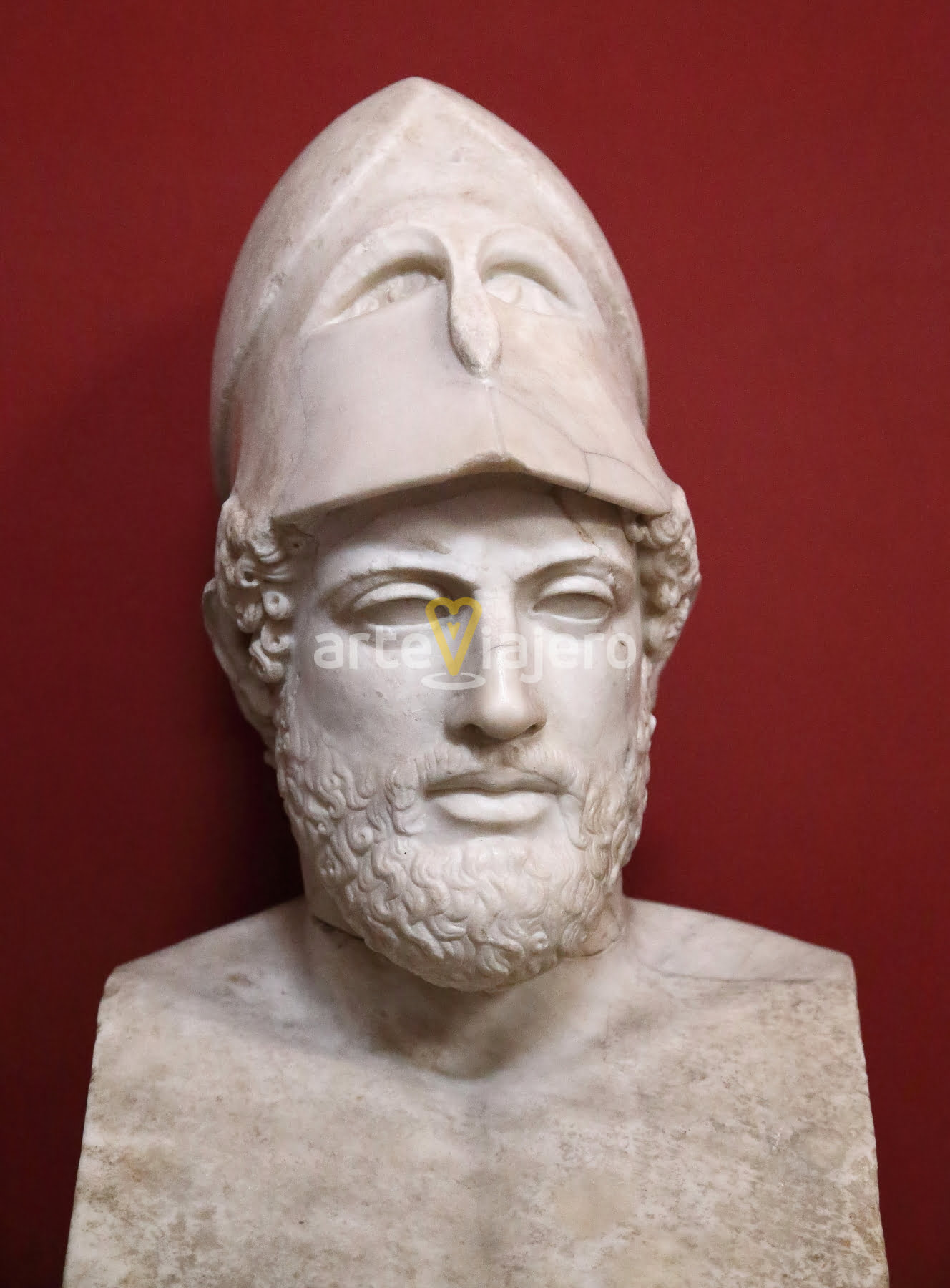
Pericles
(Περικλῆς)
Foremost Athenian statesman, orator, and general who led Athens during its Golden Age, promoted radical democracy, and commissioned the Parthenon on the Acropolis.
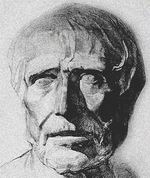
Titus Lucretius Carus
 (Titus Lucretius Carus)
Roman poet and philosopher whose epic didactic poem De Rerum Natura (On the Nature of Things) expounded Epicurean atomism and liberated humans from superstitious dread.
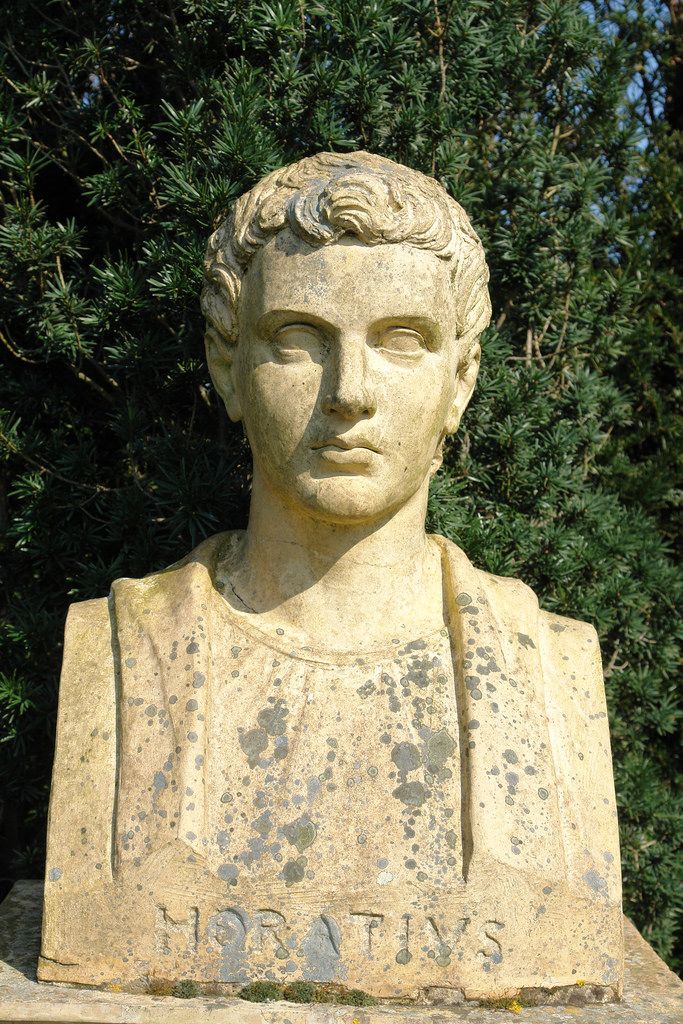
Quintus Horatius Flaccus
(Quintus Horatius Flaccus)
Supreme Augustan lyric poet and satirist who coined 'carpe diem' and 'dulce et decorum est pro patria mori' across his Odes, Satires, and Ars Poetica.
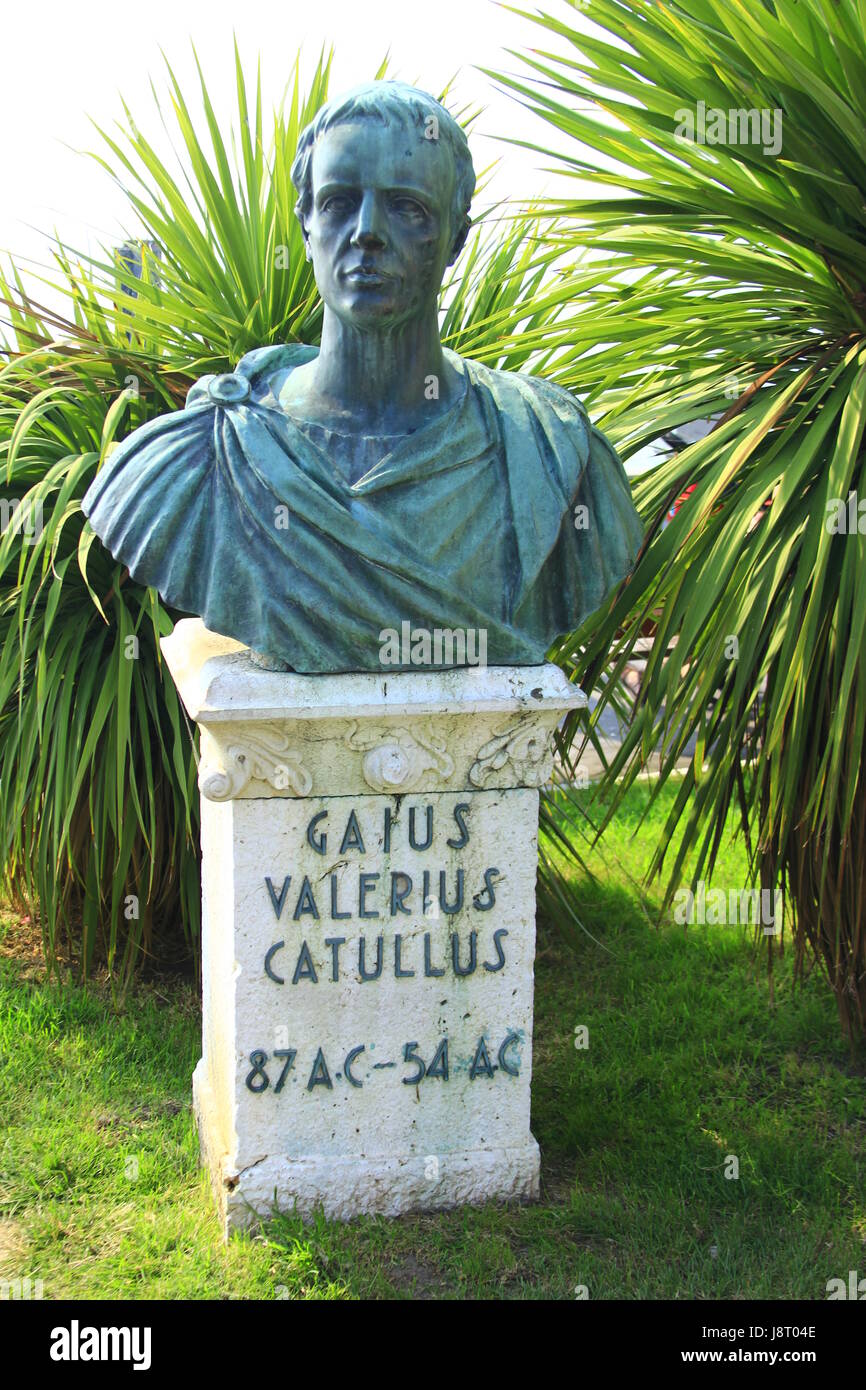
Gaius Valerius Catullus
(Gaius Valerius Catullus)
Passionate Roman neoteric poet whose intense lyrics of love, fury, and grief addressed to 'Lesbia' revolutionized Latin lyric poetry.
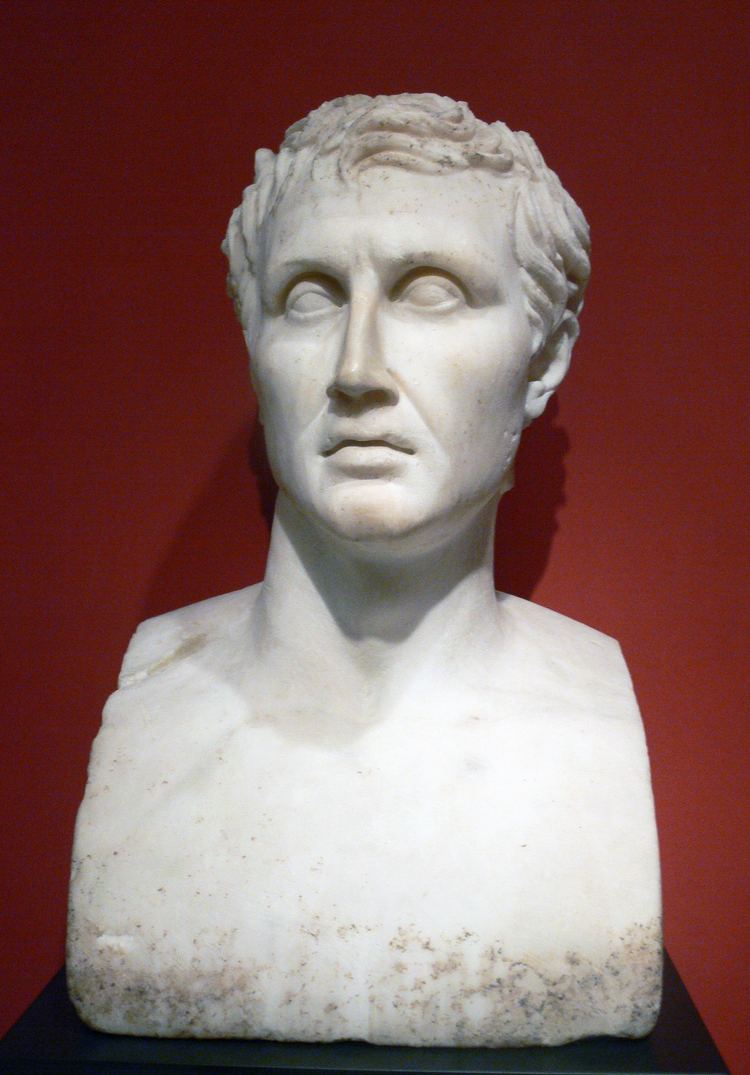
Menander
(Μένανδρος)
Supreme dramatist of Athenian New Comedy whose comedies of manners, stock characters, and romantic plots directly shaped Roman drama and modern sitcoms.
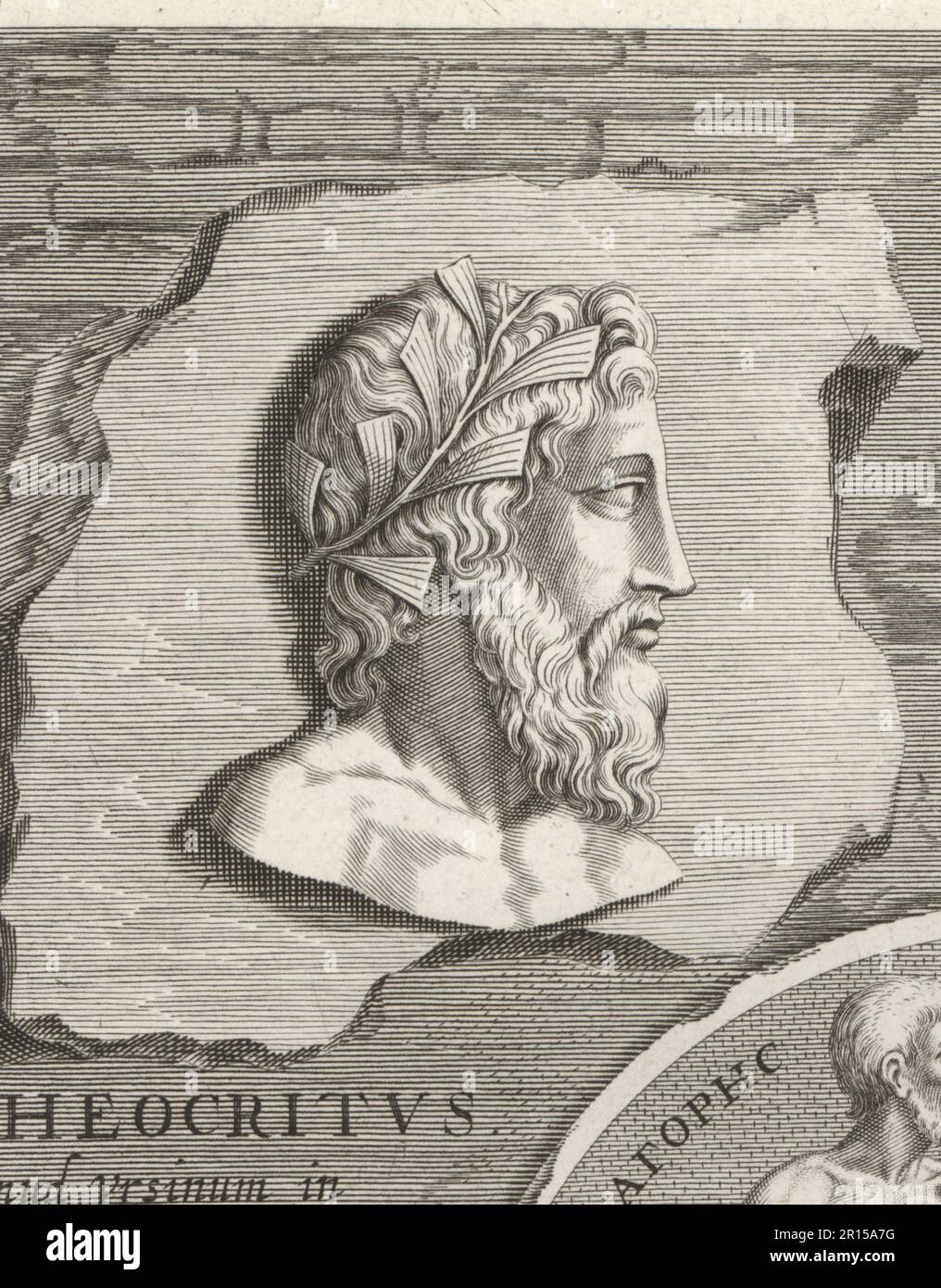
Theocritus
(Θεόκριτος)
Hellenistic poet from Syracuse who created pastoral and bucolic poetry, immortalizing singing shepherds and rural idylls that inspired Virgil and the Western pastoral tradition.
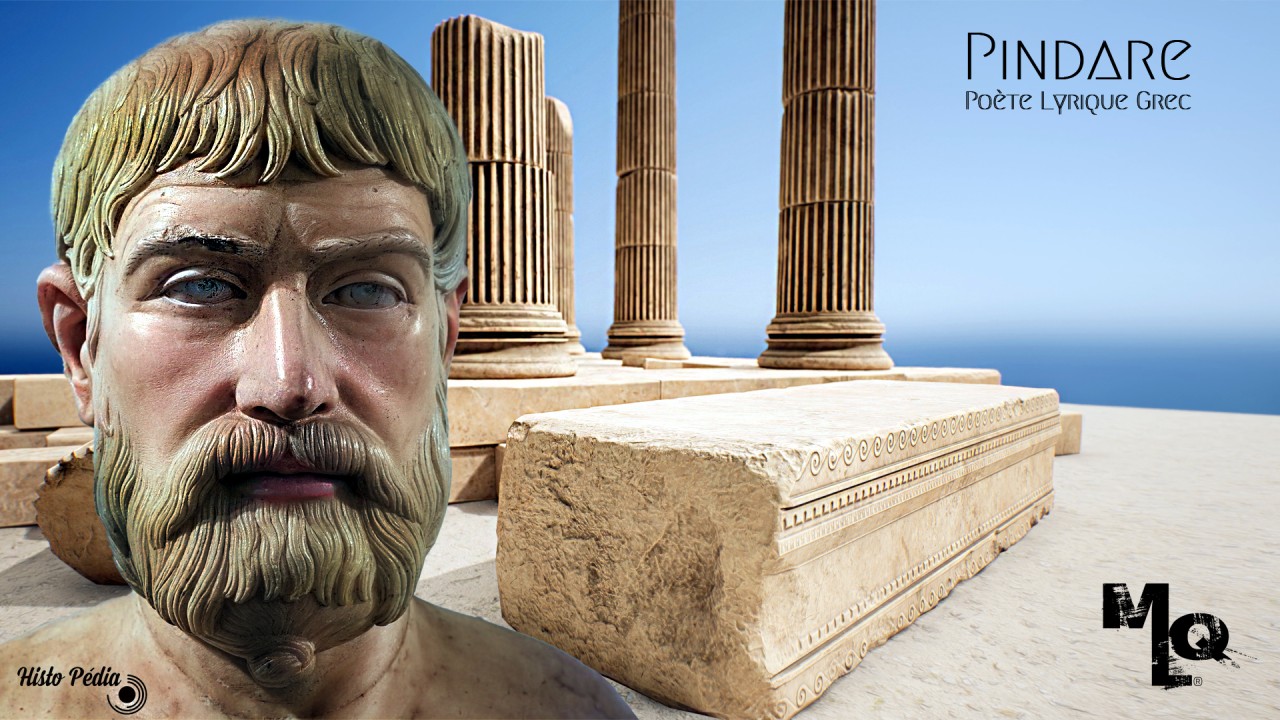
Pindar
(Πίνδαρος)
Greatest of the canonical Nine Lyric Poets of ancient Greece, celebrated for his triumphant Epinician Odes honoring victors of the Panhellenic Games.
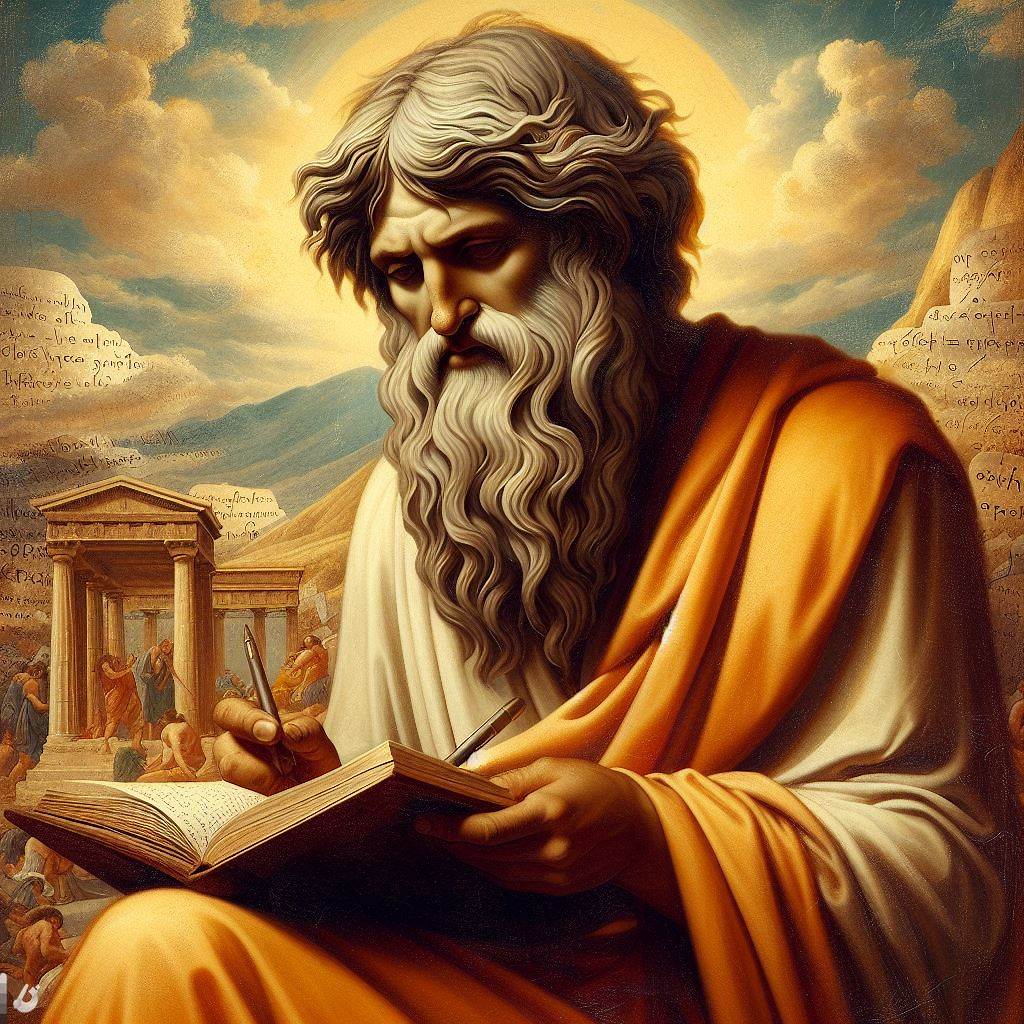
Hesiod
(Ἡσίοδος)
Archaic Greek oral epic poet whose Theogony established the genealogy of the Greek gods and whose Works and Days founded didactic poetry and celebrated agrarian labor.
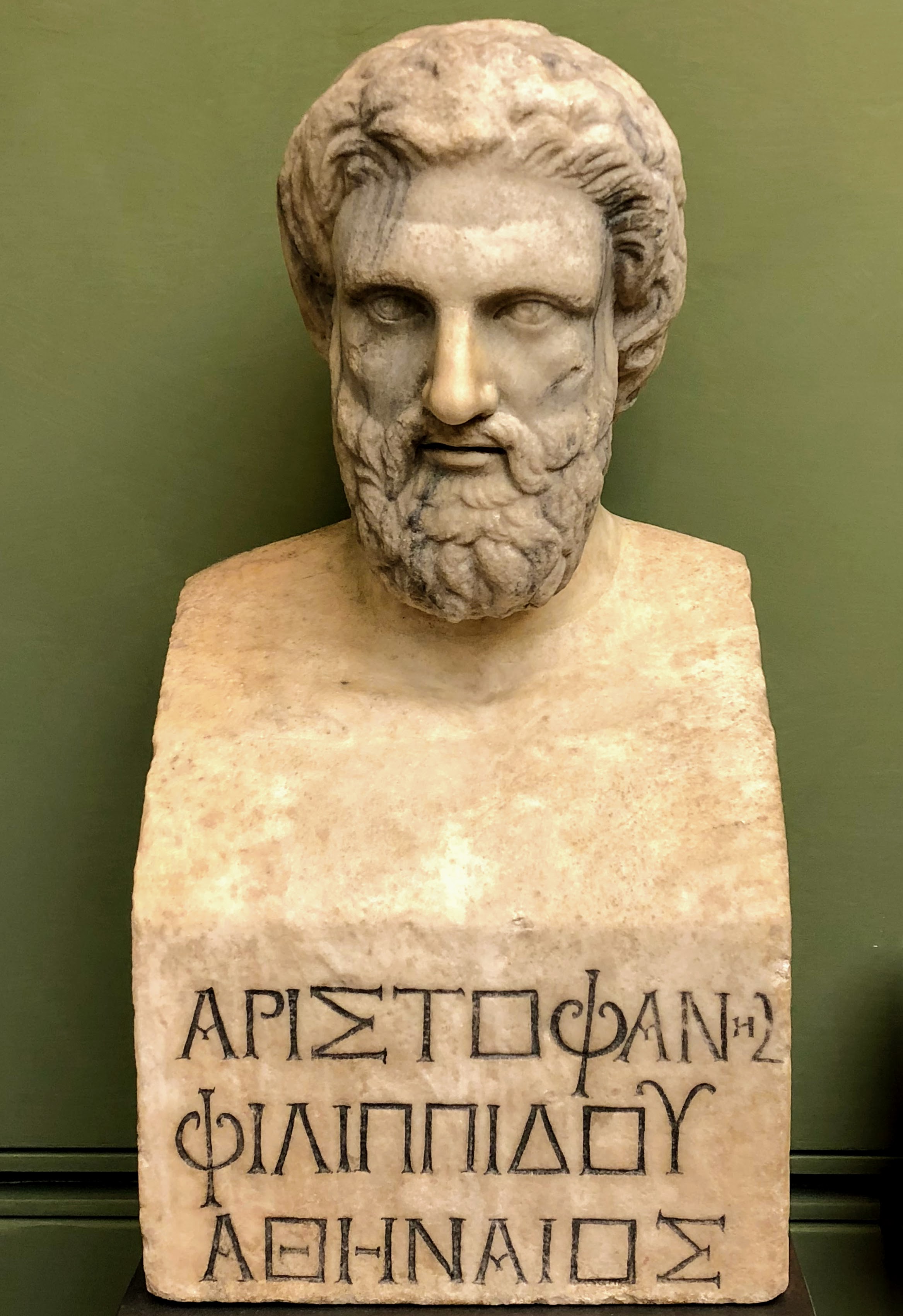
Aristophanes
(Ἀριστοφάνης)
Greatest comedic playwright of ancient Athens and undisputed master of Old Comedy, whose political and philosophical satires include Lysistrata, The Birds, and The Clouds.
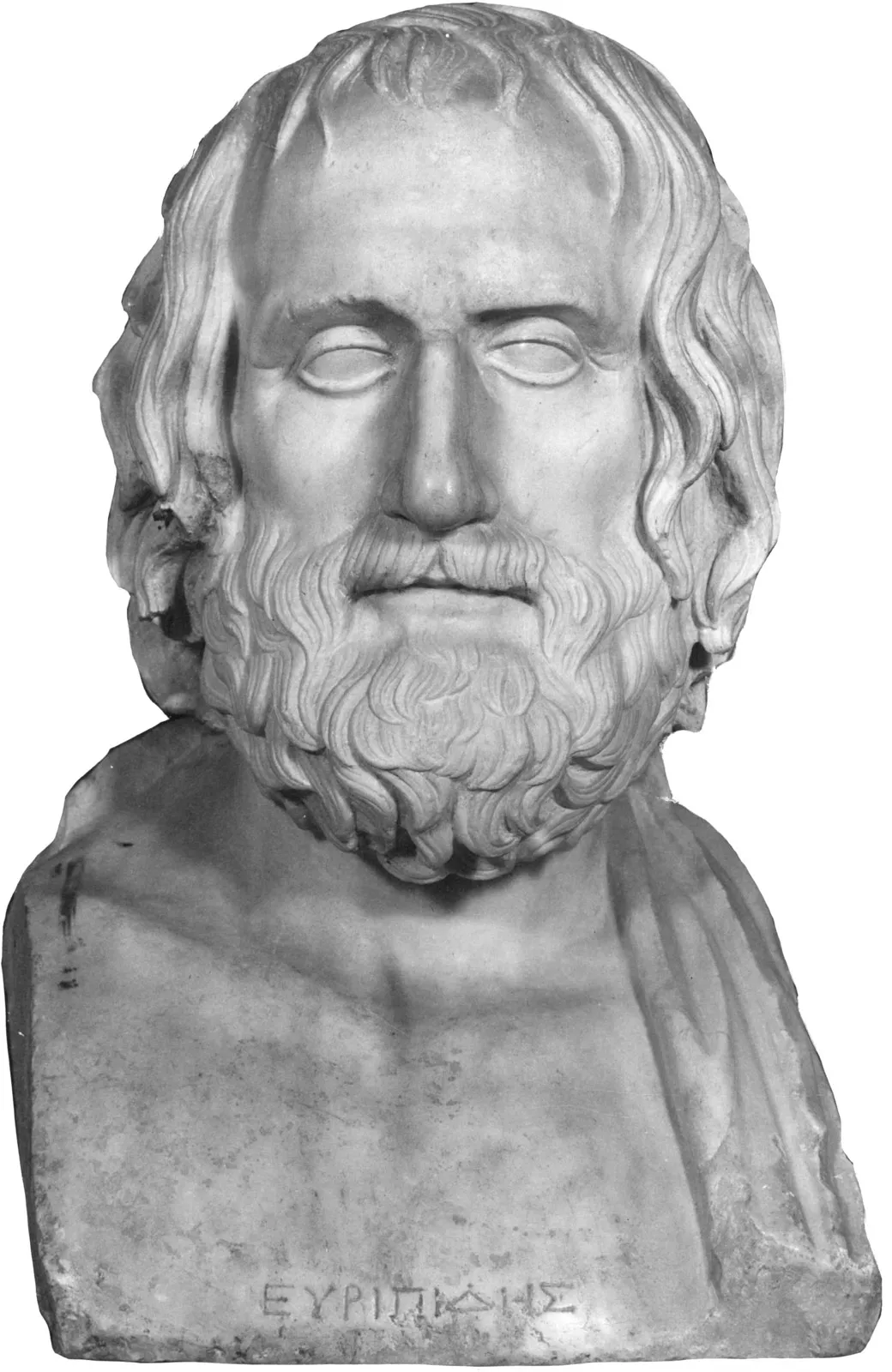
Euripides
(Εὐριπίδης)
Innovative Athenian tragedian renowned for psychological realism, sympathetic female protagonists, and scathing critiques of mythological gods in Medea, The Trojan Women, and The Bacchae.
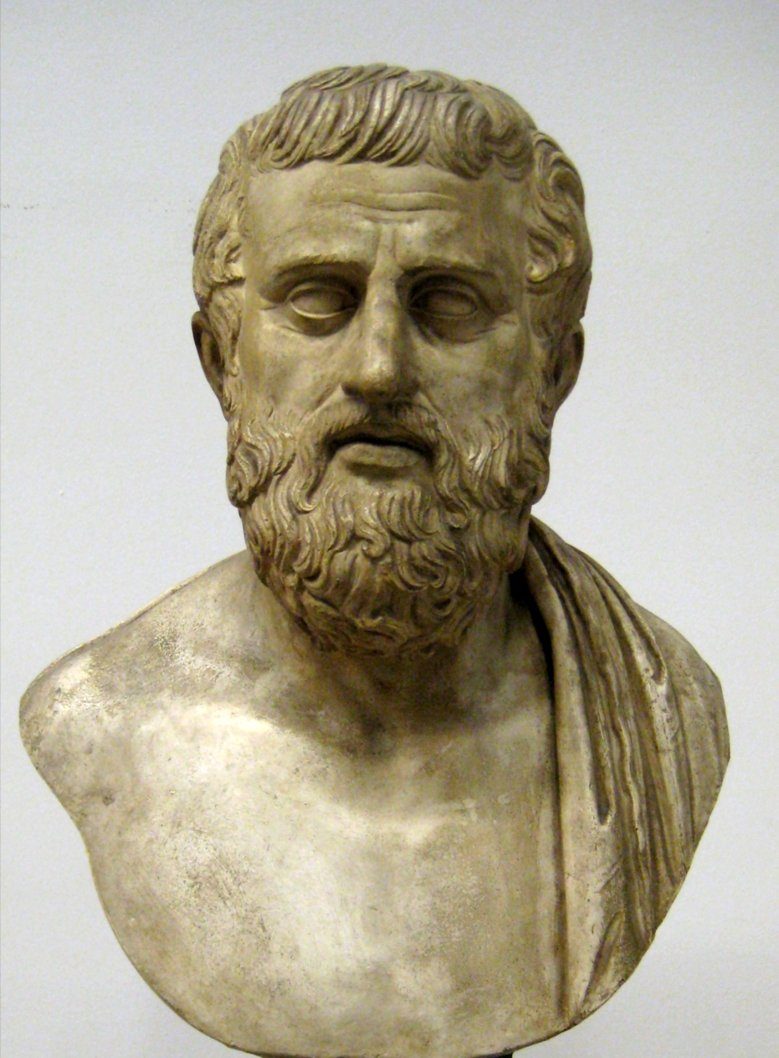
Sophocles
(Σοφοκλῆς)
Foremost classical Athenian tragedian who introduced the third actor, painted scenery, and explored human destiny versus divine law in Oedipus Rex and Antigone.
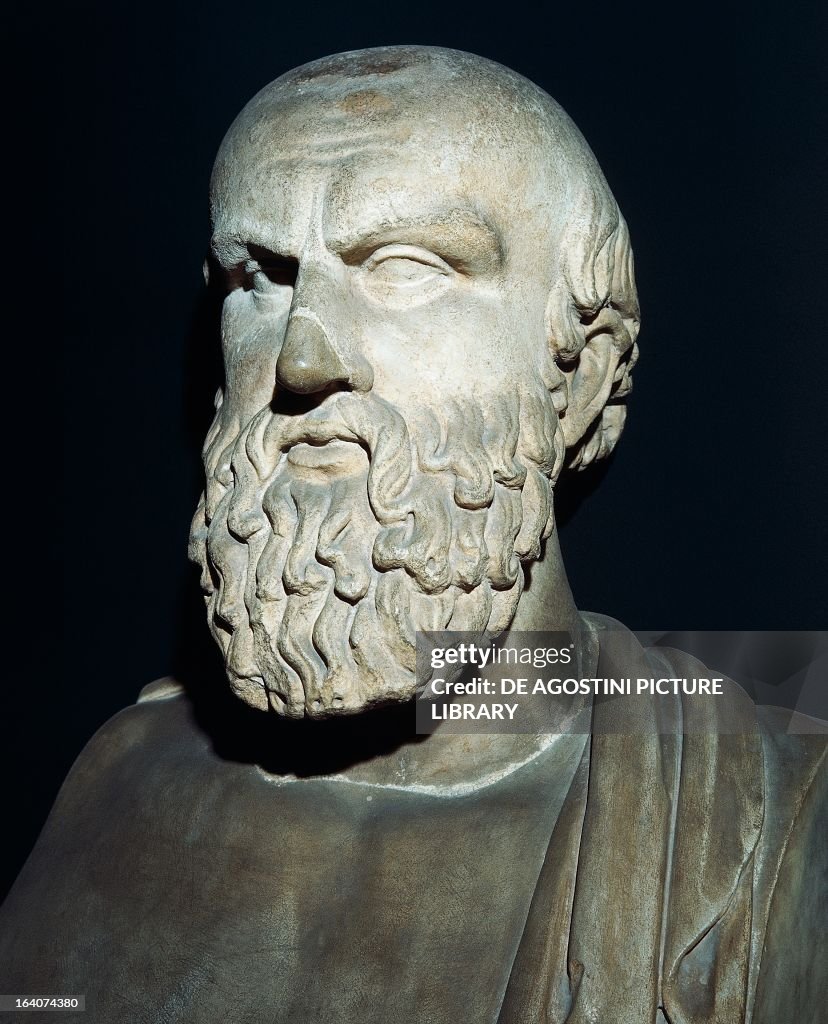
Aeschylus
(Αἰσχύλος)
Revered as the 'Father of Tragedy', Athenian dramatist who expanded the theater by adding a second actor, creating dialogue and dramatic conflict in masterworks like the Oresteia.
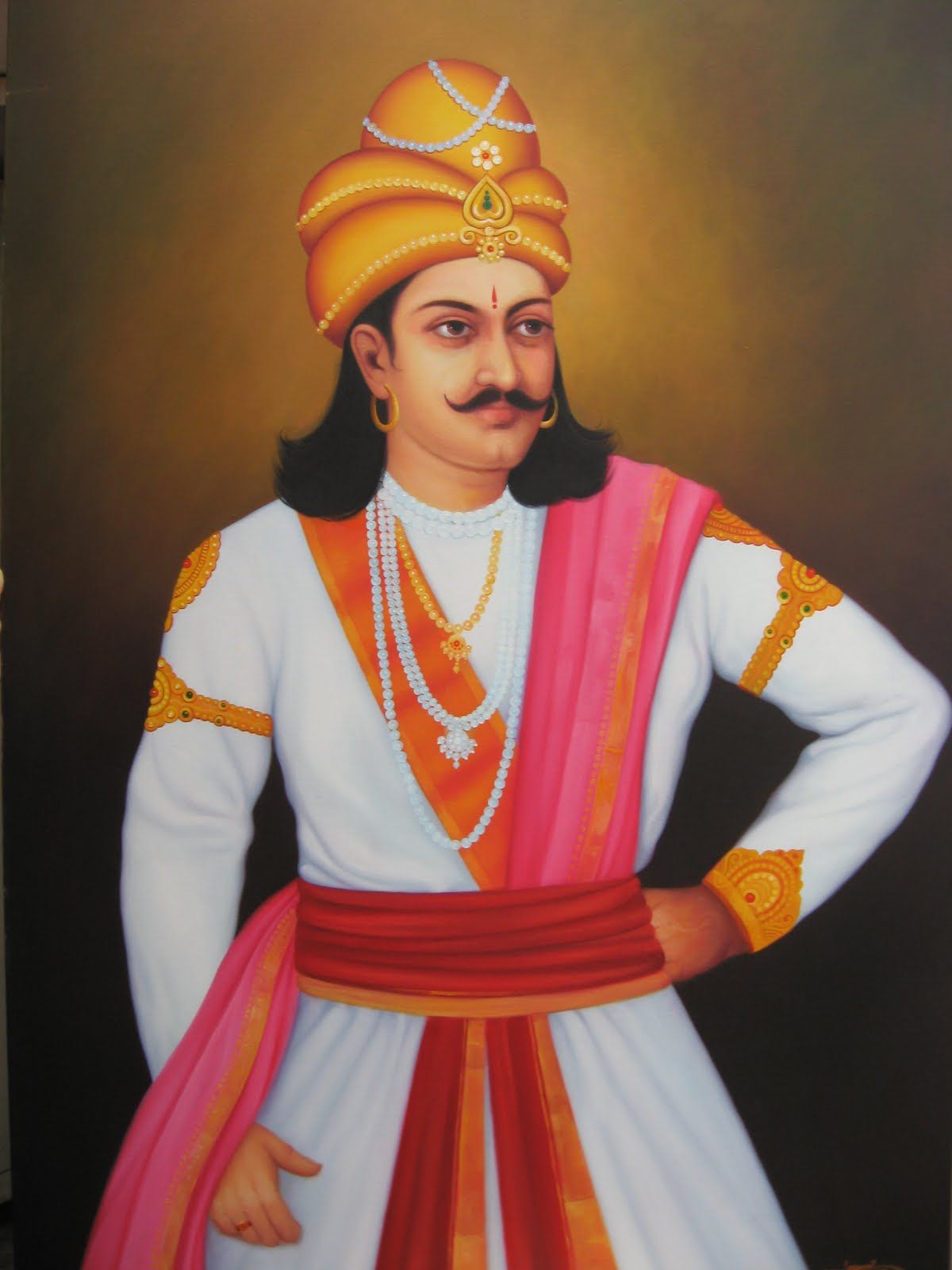
Chandragupta Maurya
 (चन्द्रगुप्त मौर्य)
Visionary founder of the Maurya Empire who united the Indian subcontinent for the first time in history with the mentorship of Chanakya.
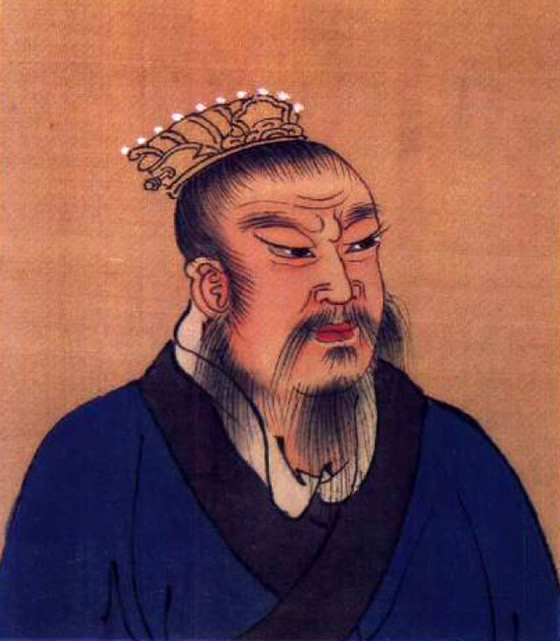
Emperor Gaozu of Han (Liu Bang)
 (汉高祖 刘邦 (Ji))
Peasant rebel who defeated Xiang Yu in the Chu-Han Contention to found the four-century Han Dynasty, giving China's majority ethnicity its name.
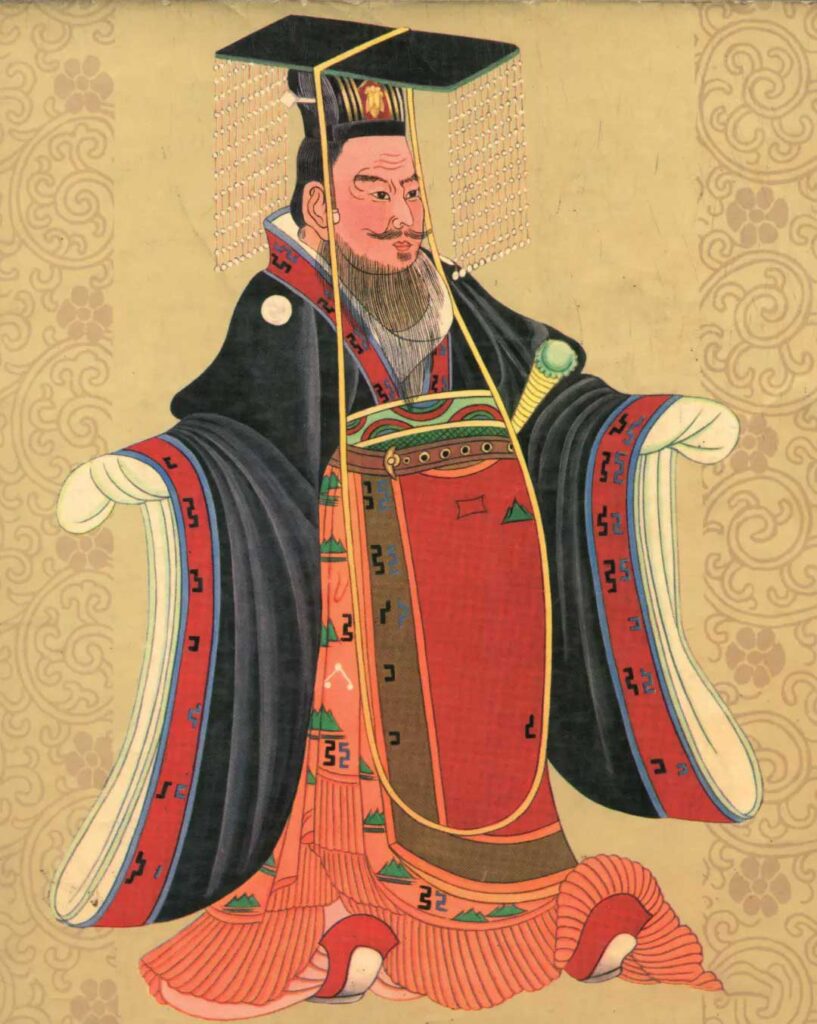
Emperor Wu of Han (Han Wudi)
(汉武帝 刘彻 (Liu Che))
Seventh Emperor of the Han Dynasty whose 54-year reign established the Silk Road, adopted Confucianism, and expanded China's imperial borders.