 Roman Republic
•
2 views
Roman Republic
•
2 views
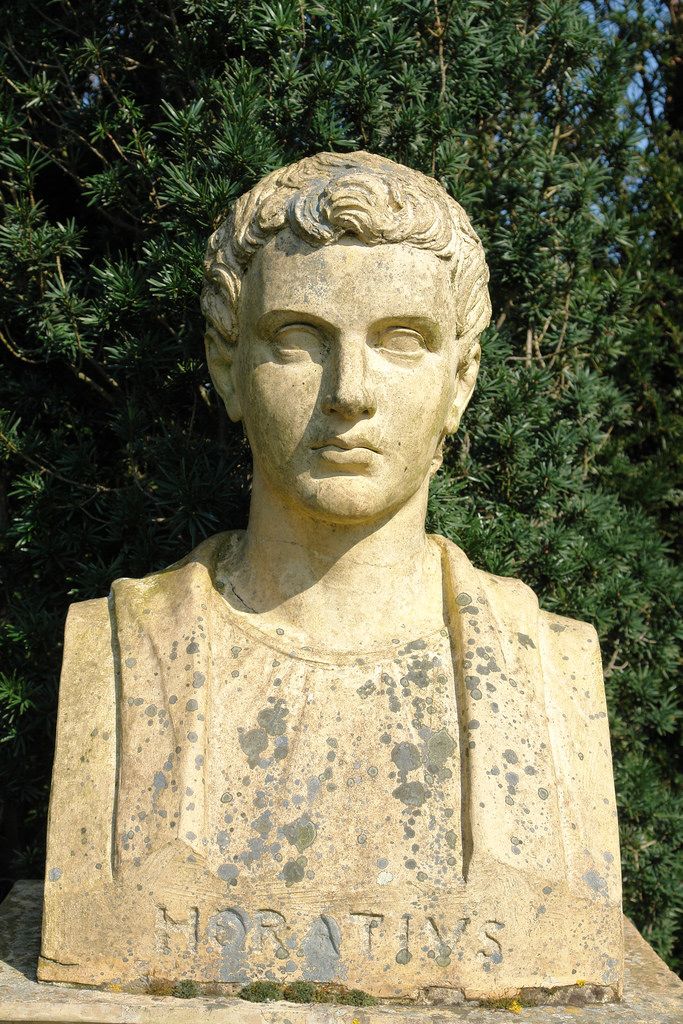
Quintus Horatius Flaccus

Venusia, Roman Republic
Archival Overview
Supreme Augustan lyric poet and satirist who coined 'carpe diem' and 'dulce et decorum est pro patria mori' across his Odes, Satires, and Ars Poetica.
Biographical Record
Quintus Horatius Flaccus (65–8 BCE), known in English as Horace, was the leading lyric poet of the Augustan Age alongside Virgil. The son of a freedman from Venusia, he received a premier education in Rome and Athens. After fighting on the losing republican side under Brutus at Philippi, he was pardoned and introduced to Emperor Augustus's cultural minister, Maecenas, who gifted him his beloved Sabine farm.
Horace's poetic output spans the satirical humor of the Satires and Epodes, the exquisite philosophical poise of the four books of Odes (Carmina), and the critical treatise Ars Poetica. His celebration of moderation ('the golden mean'), mortality, and the urgency of seizing the present moment (carpe diem) established him as one of Western literature's most enduring and quoted voices.
Key Life Milestones
Odes Books I-III Published
Published the first three books of Odes, adapting Alcaic and Sapphic stanzas into flawless Latin poetic architecture.
Carmen Saeculare Chanted
Commissioned by Augustus to compose the Carmen Saeculare, sung by twenty-seven boys and twenty-seven girls to celebrate the Centennial Games.
Memorial Guestbook & Tributes
0 messages recordedLeave a Respectful Tribute
Final Resting Place
Perpetual MemorialRome, Italy