 Greece
•
4 views
Greece
•
4 views
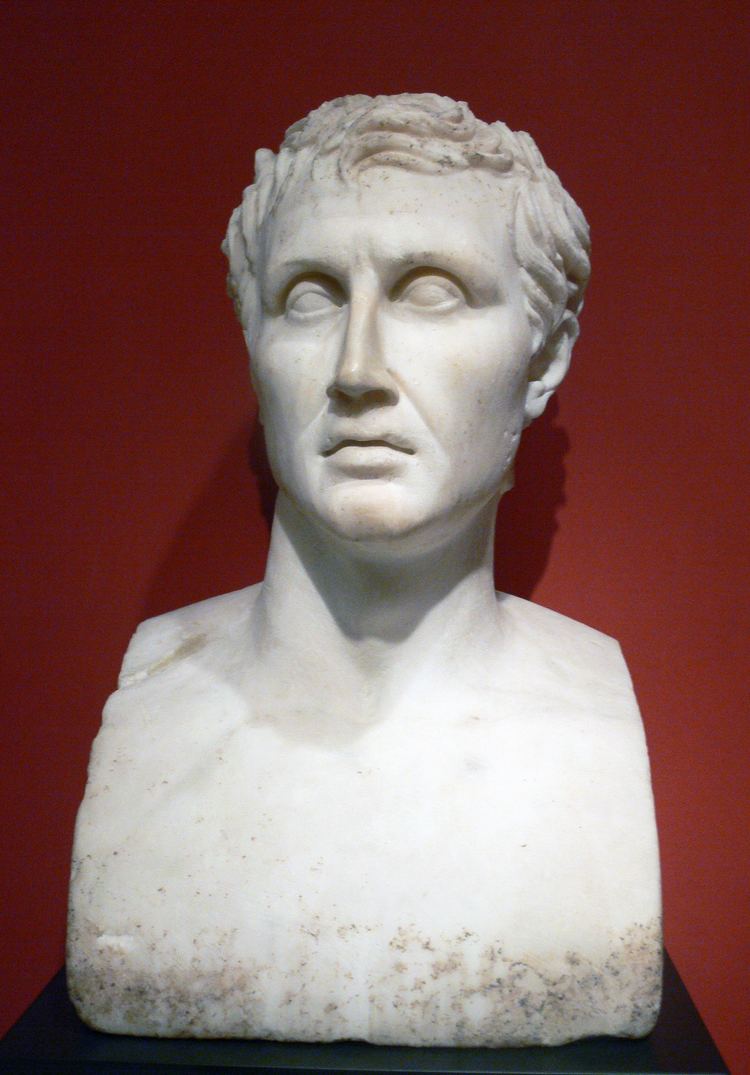
Menander

Athens, Greece
Archival Overview
Supreme dramatist of Athenian New Comedy whose comedies of manners, stock characters, and romantic plots directly shaped Roman drama and modern sitcoms.
Biographical Record
Menander (c. 342–c. 291 BCE) was an Athenian dramatist and the undisputed master of New Comedy. The son of a wealthy Athenian and a pupil of the philosopher Theophrastus, Menander steered theatrical comedy away from political satire toward domestic domesticity, human psychology, and complex romantic intrigue.
Author of over a hundred plays, Menander introduced archetypal stock figures—the wily slave, the boasting soldier, the austere father, and the lovestruck youth—that were directly adapted by Roman playwrights Plautus and Terence, thereby shaping Western theatrical comedy through Molière and Shakespeare. His play Dyskolos ('The Grouch'), rediscovered on papyrus in 1952, represents the only complete surviving work of Greek New Comedy.
Key Life Milestones
Dyskolos Wins Dionysia
Won first prize at the Lenaia festival with Dyskolos, his masterpiece depicting the misanthropic curmudgeon Knemon.
Master of New Comedy
Solidified a body of over 100 comic plays that became foundational texts for Hellenistic and Roman rhetorical schooling.
Memorial Guestbook & Tributes
0 messages recordedLeave a Respectful Tribute
Final Resting Place
Perpetual MemorialAthens, Greece