 Greece
•
3 views
Greece
•
3 views
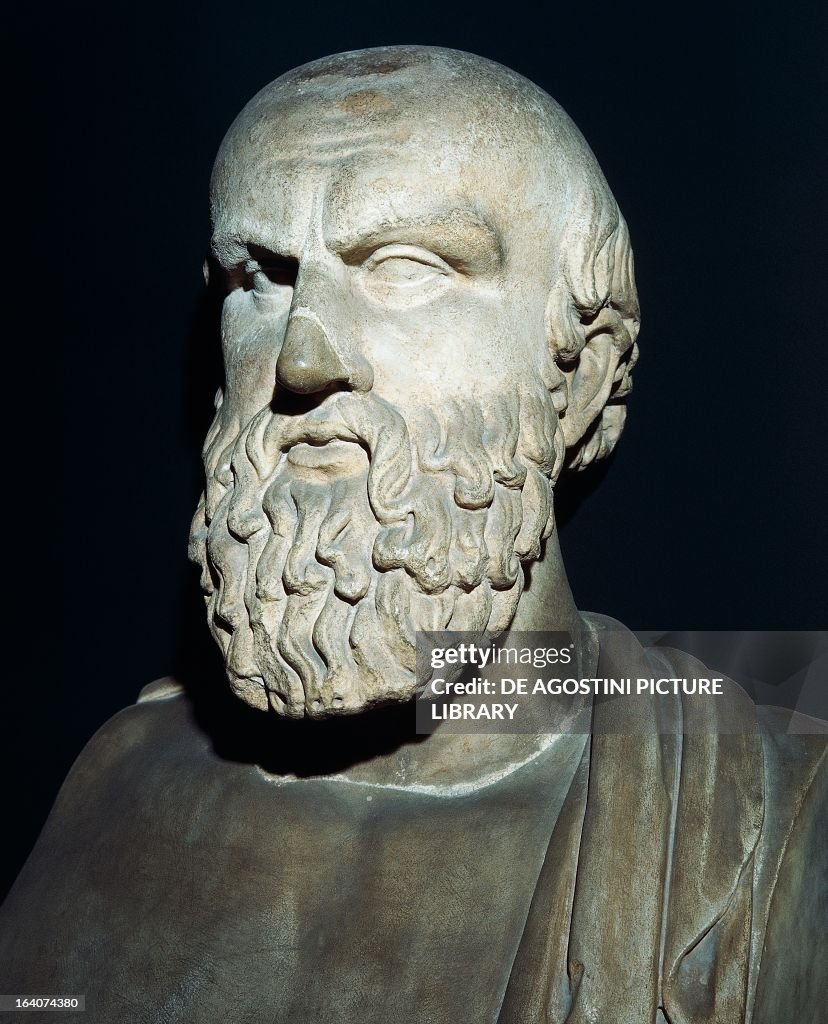
Aeschylus

Eleusis, Greece
Archival Overview
Revered as the 'Father of Tragedy', Athenian dramatist who expanded the theater by adding a second actor, creating dialogue and dramatic conflict in masterworks like the Oresteia.
Biographical Record
Aeschylus (c. 525–456 BCE) was an ancient Greek playwright recognized as the earliest of the three great Athenian tragedians and the father of Western dramatic theater. Born into an aristocratic family in Eleusis, he witnessed the birth of Athenian democracy and fought valiantly as a hoplite against the Persian invasions at the historic battles of Marathon and Salamis.
Aeschylus transformed tragedy from simple choral recitations into dynamic theatrical drama by introducing a second actor, reducing the chorus, incorporating elaborate costumes, and establishing dramatic conflict. Of his estimated seventy to ninety plays, only seven survive complete, crowned by the Oresteia trilogy (Agamemnon, The Libation Bearers, and The Eumenides), which explores themes of blood vengeance, divine justice, and the transition from vendetta to the civic rule of law.
Key Life Milestones
The Persians Produced
Produced 'The Persians', the earliest surviving play in the history of drama, dramatizing the Greek naval victory at Salamis.
The Oresteia Performed
Won first prize at the City Dionysia with the Oresteia trilogy, establishing the eternal theatrical benchmark for poetic justice.
Memorial Guestbook & Tributes
0 messages recordedLeave a Respectful Tribute
Final Resting Place
Perpetual MemorialGela, Italy