Public Figures & Cultural Luminaries
Filterable archive covering centuries of intellectual, artistic, and moral contributions to the human story.
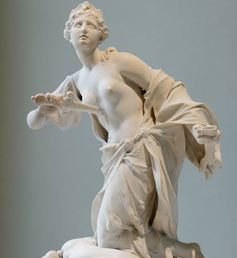
Queen Dido
 (عليسة (ديدو))
Legendary Phoenician princess of Tyre who fled her tyrannical brother Pygmalion, sailed across the Mediterranean, and founded the immortal maritime empire of Carthage on the coast of Tunisia in 814 BCE.
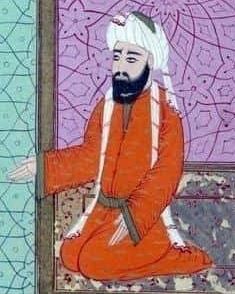
Abd al-Rahman ibn Rustam
 (عبد الرحمن بن رستم)
Persian-born Islamic jurist and statesman who founded the Rustamid Dynasty in Tahert, Algeria, establishing a prosperous, cosmopolitan Ibadi democratic imamate that ruled central North Africa for 130 years.
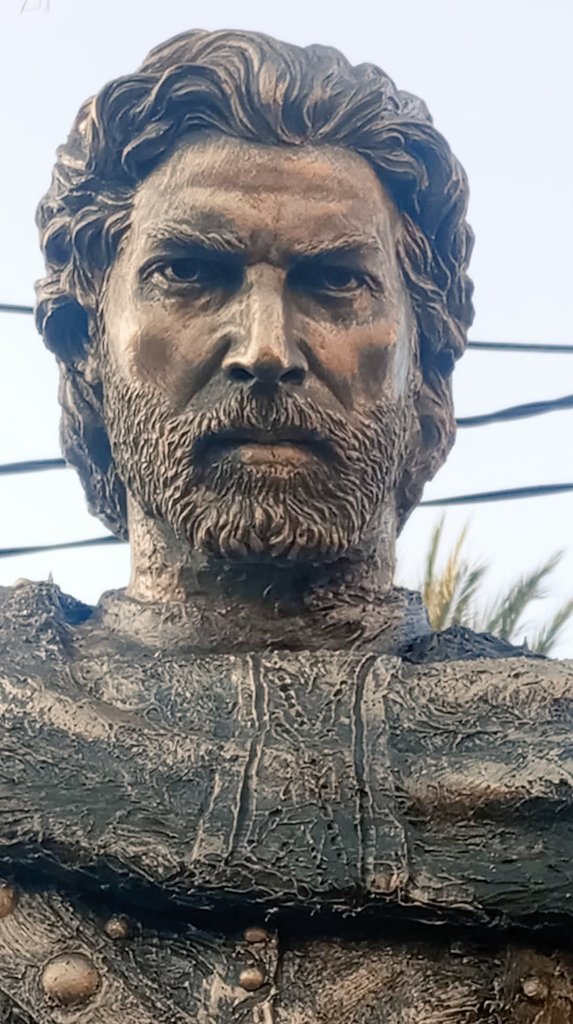
Kusaila
 (كسيلة بن لزم)
Christian Berber King of the Awreba confederation and Altava who defeated and killed Uqba ibn Nafi at the Battle of Vescera (Biskra) in 683 CE, ruling Kairouan for five years.
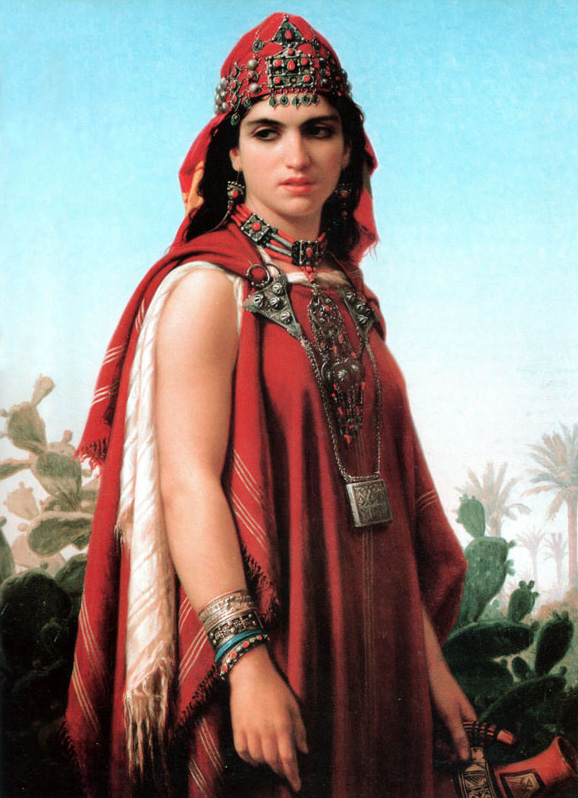
Queen Dihya
(ديهيا (الكاهنة))
Legendary Amazigh queen and military commander of the Jerawa tribe who united the Berber confederations of the Aurès and defeated the Umayyad armies of Hasan ibn al-Nu'man in 698 CE.
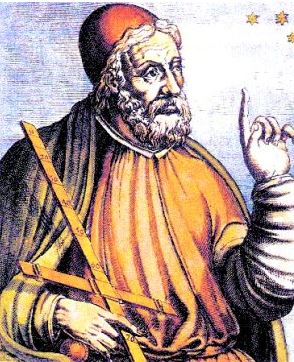
Ptolemy of Mauretania
(بطليموس الموريطني)
Last monarch of the Kingdom of Mauretania, co-ruler with his father Juba II, who assisted Rome in crushing the Tacfarinas rebellion before being assassinated by Emperor Caligula in 40 CE.
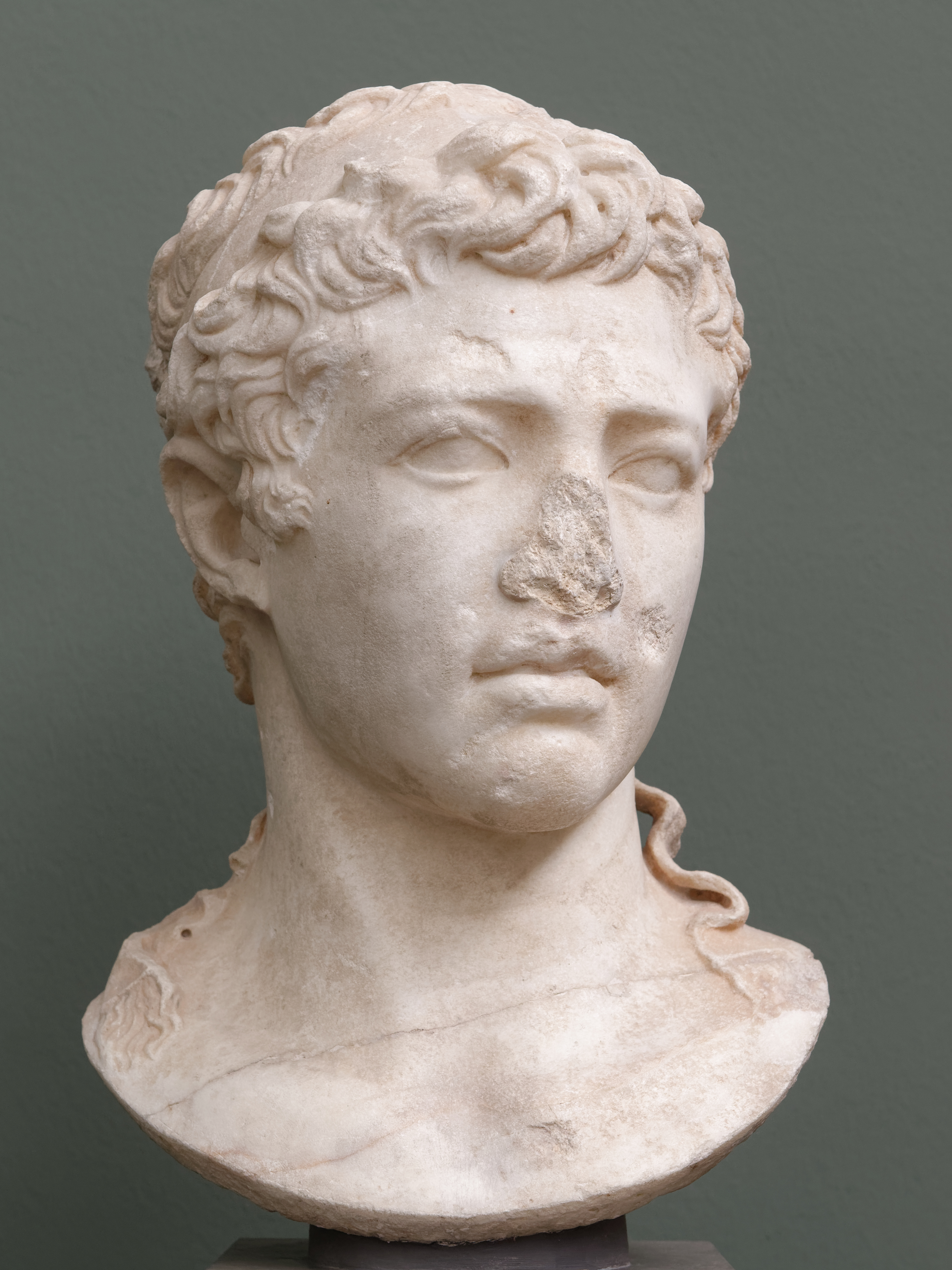
Juba II
(يوبا الثاني)
Scholarly King of Mauretania, raised in Rome by Octavian, who transformed Caesarea (Cherchell) into a jewel of Greco-Roman culture and authored influential treatises on geography, botany, and history.
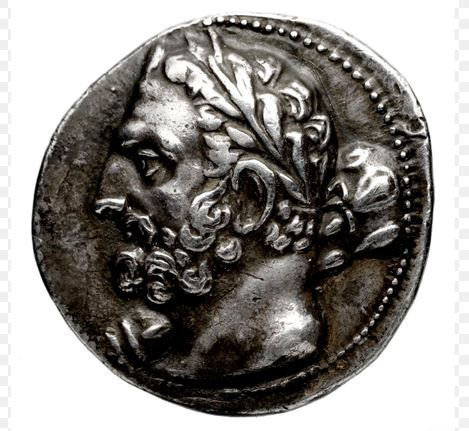
Micipsa
(ميكيبسا)
Eldest son of Masinissa who ruled unified Numidia for thirty years (148–118 BCE), patronized Greek philosophers, constructed monumental palaces, and maintained prosperous peace.
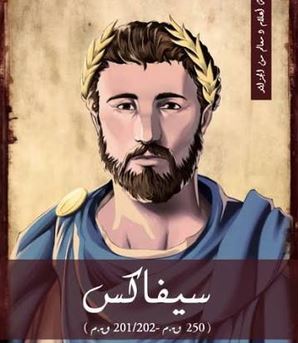
Syphax
(سيفاقس)
Powerful King of the Masaesyli Numidians of western Algeria, who established Siga as his capital, commanded 50,000 warriors, and was courted by both Rome and Carthage in the Second Punic War.
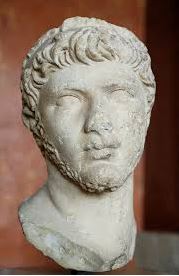
Tacfarinas
(تاكفاريناس)
Numidian military leader and former Roman auxiliary officer who led a ten-year armed Berber guerrilla war (17–24 CE) across Algeria, Tunisia, and Libya, defying the Roman Empire under Emperor Tiberius.
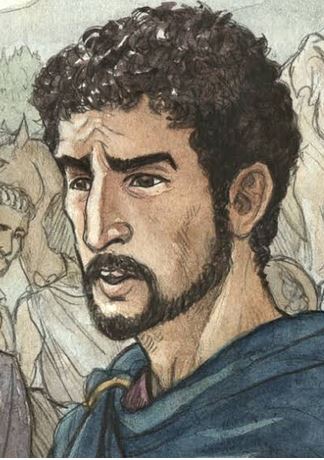
Maharbal
 (مهربعل)
Supreme commander of Hannibal's elite Numidian and Iberian cavalry, whose tactical genius at Lake Trasimene and Cannae crushed Roman legions, famous for urging an immediate march on Rome.
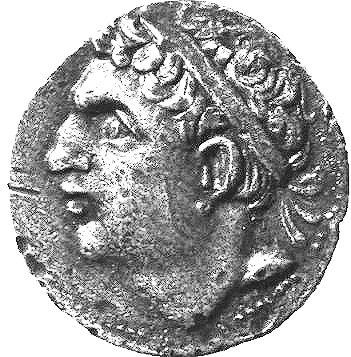
Hasdrubal Barca
(صدر بعل برقة)
Carthaginian general who defended Barcid Hispania against the Scipio brothers for a decade and made an epic winter crossing of the Alps to reinforce Hannibal, dying heroically at the Metaurus.
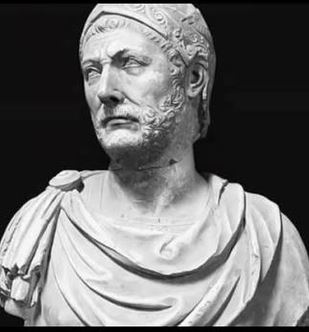
Hamilcar Barca
(حملقار برقة)
Legendary Carthaginian statesman and general who commanded forces in Sicily during the First Punic War, crushed the brutal Mercenary War, and conquered southern Hispania to build the Barcid empire.
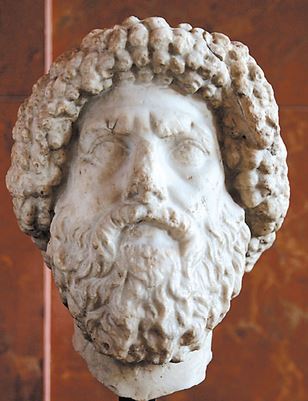
Juba I of Numidia
(يوبا الأول)
Fierce Numidian king who allied with Pompey against Julius Caesar in the Roman Civil War, annihilated Caesar's general Curio at the Bagradas River, and chose death over capture after the Battle of Thapsus.
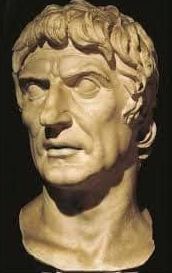
Jugurtha
(يوغرطة)
Numidian king and military strategist who waged the protracted Jugurthine War against the Roman Republic, exposing Roman political corruption and famous for declaring 'A city for sale and doomed to perish if it finds a buyer!'
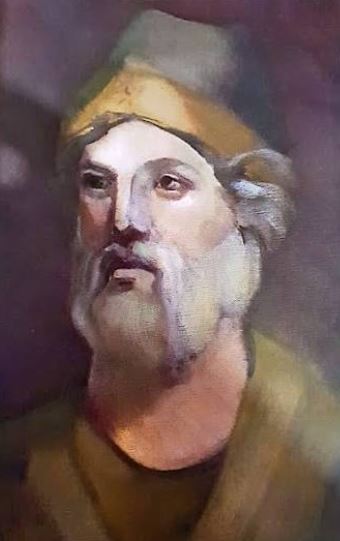
Masinissa
(ماسينيسا)
Foundational Numidian king and peerless cavalry commander who united the Berber tribes into a powerful North African kingdom, secured victory for Scipio Africanus at the Battle of Zama, and coined the doctrine 'Africa belongs to the Africans'.
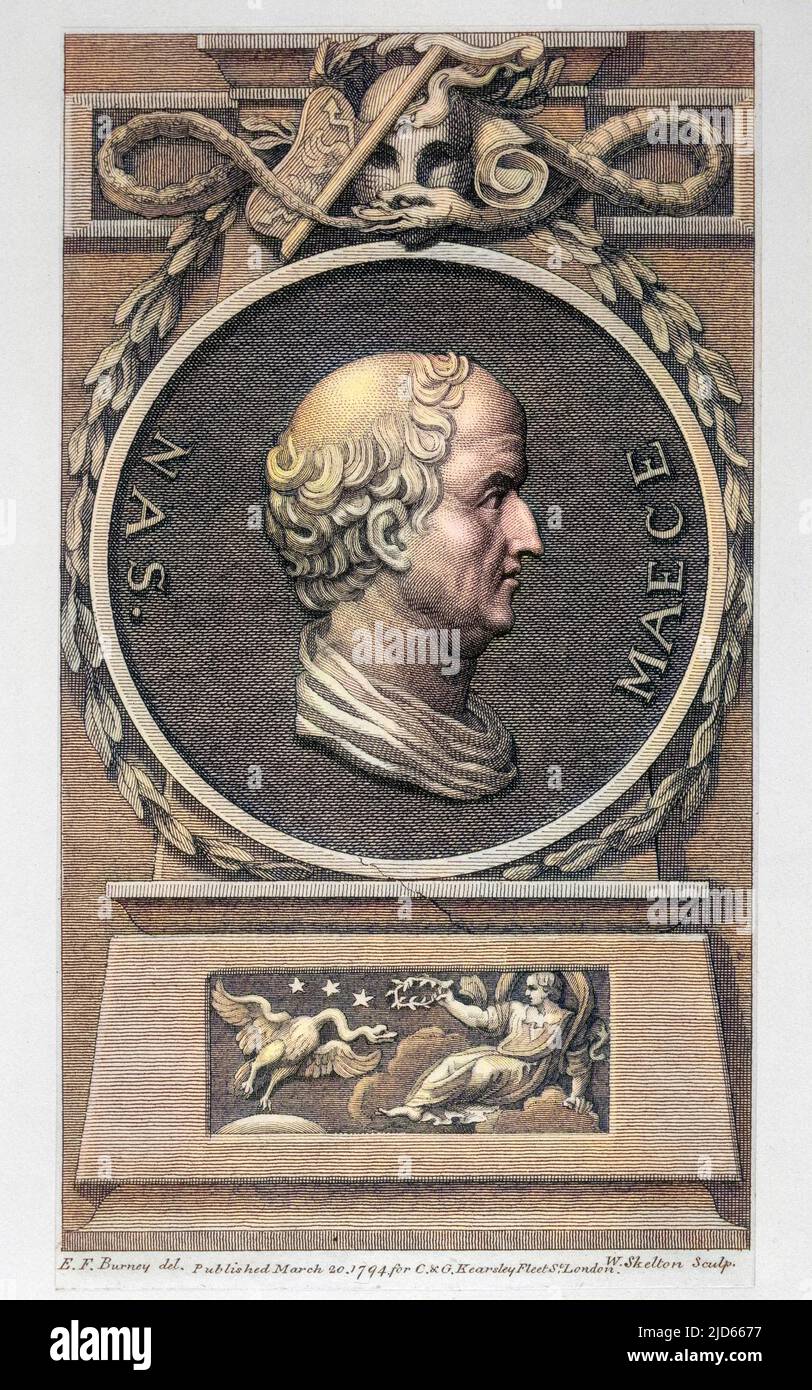
Gaius Cilnius Maecenas
 (Gaius Cilnius Maecenas)
Trusted political advisor and diplomat to Emperor Augustus whose enlightened cultural patronage of Virgil and Horace permanently made his name synonymous with artistic patronage.
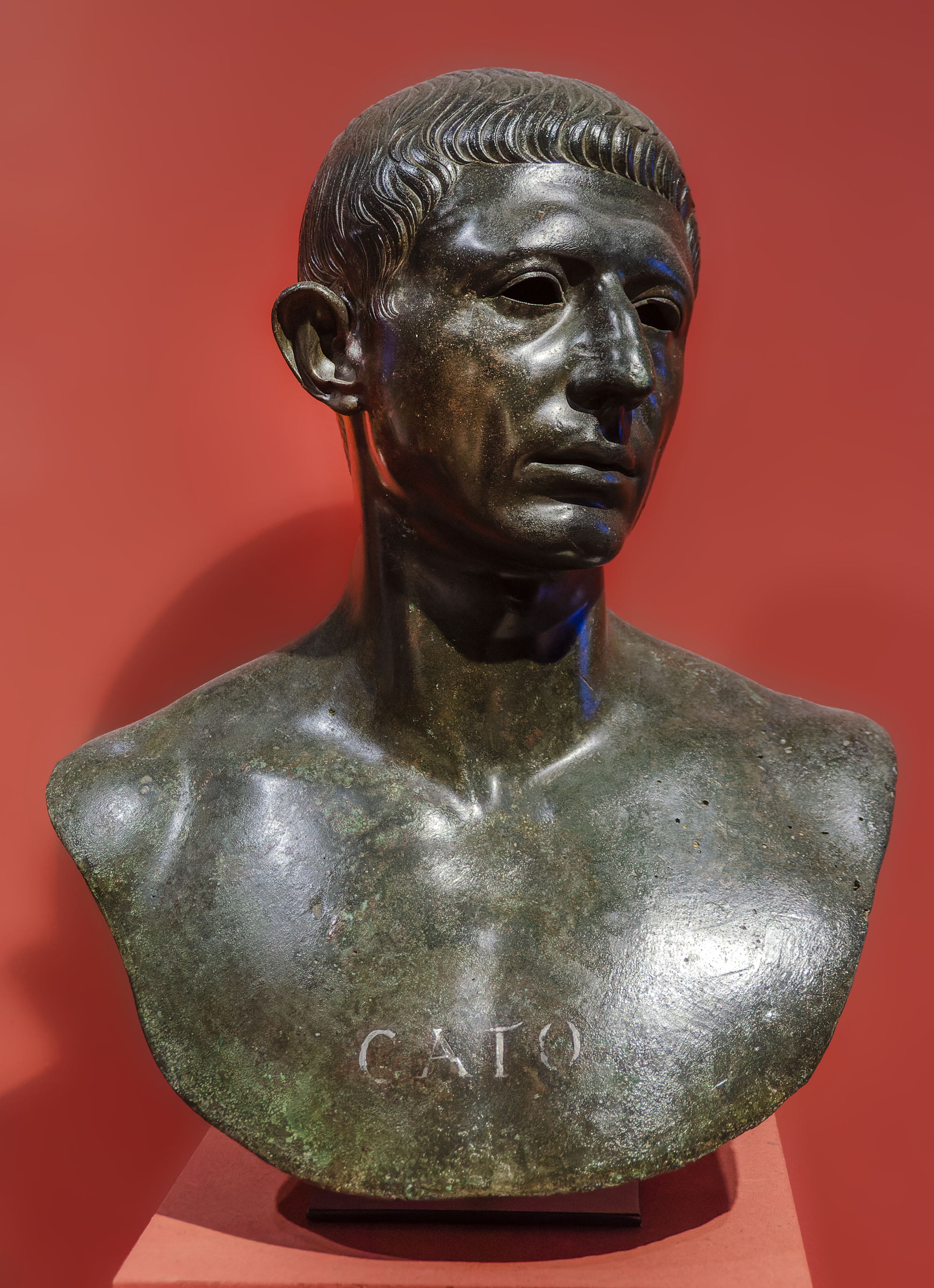
Marcus Porcius Cato Uticensis
(Marcus Porcius Cato Uticensis)
Incorruptible Roman Stoic statesman and senator who led the constitutional defense of the Republic against Julius Caesar, choosing suicide at Utica over servitude.
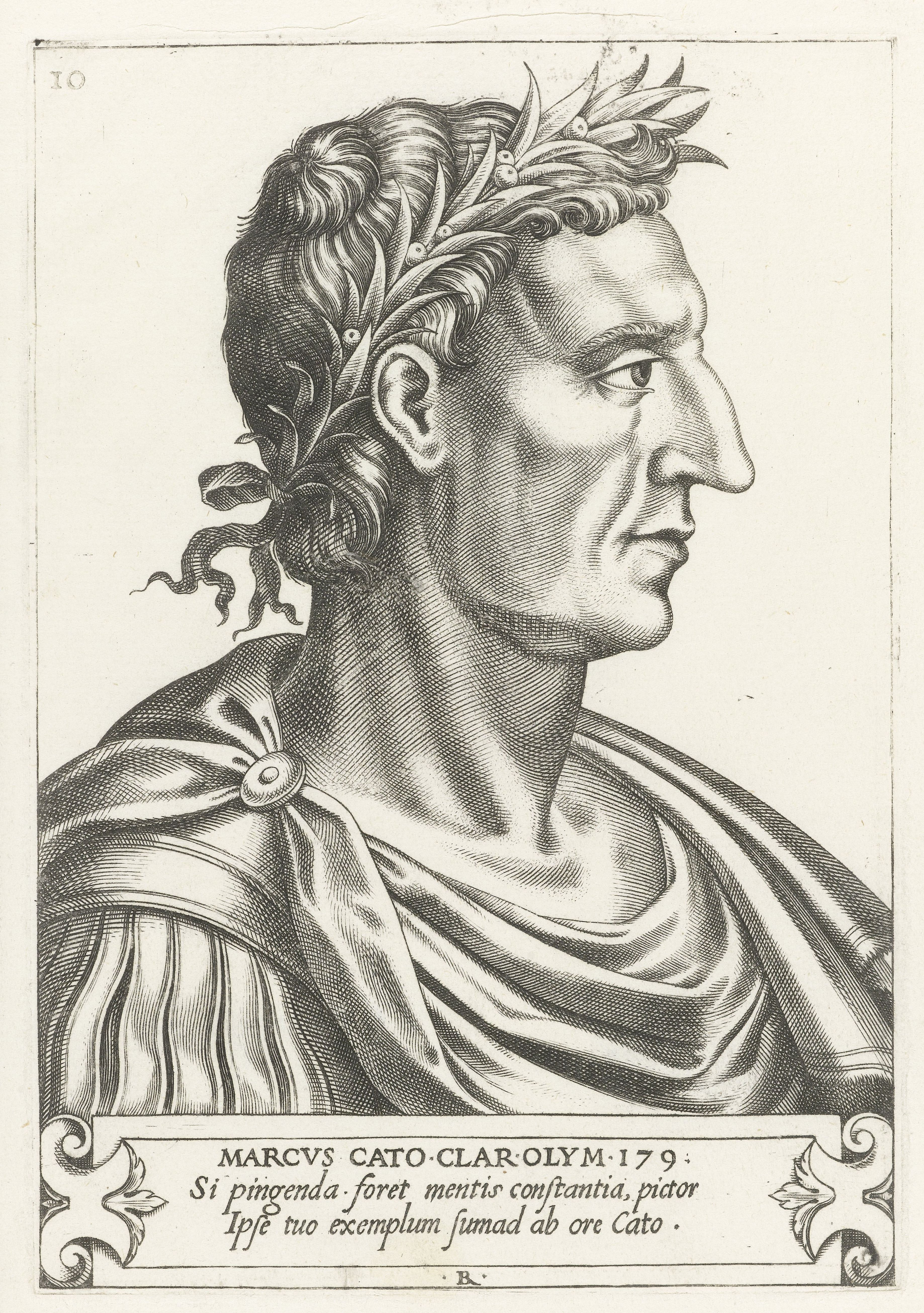
Marcus Porcius Cato
(Marcus Porcius Cato)
Roman statesman, orator, and Censor (Cato Censorius) who embodied austere republican virtue, resisted Hellenistic luxury, and ended every Senate speech with 'Carthago delenda est'.