Public Figures & Cultural Luminaries
Filterable archive covering centuries of intellectual, artistic, and moral contributions to the human story.
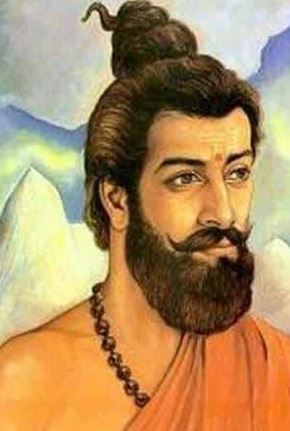
Kanada
 (कणाद)
Ancient Indian sage and natural philosopher who founded the Vaisheshika philosophical school and formulated the earliest known atomic theory of matter, defining the indestructible atom (Parmanu) and laws of motion.
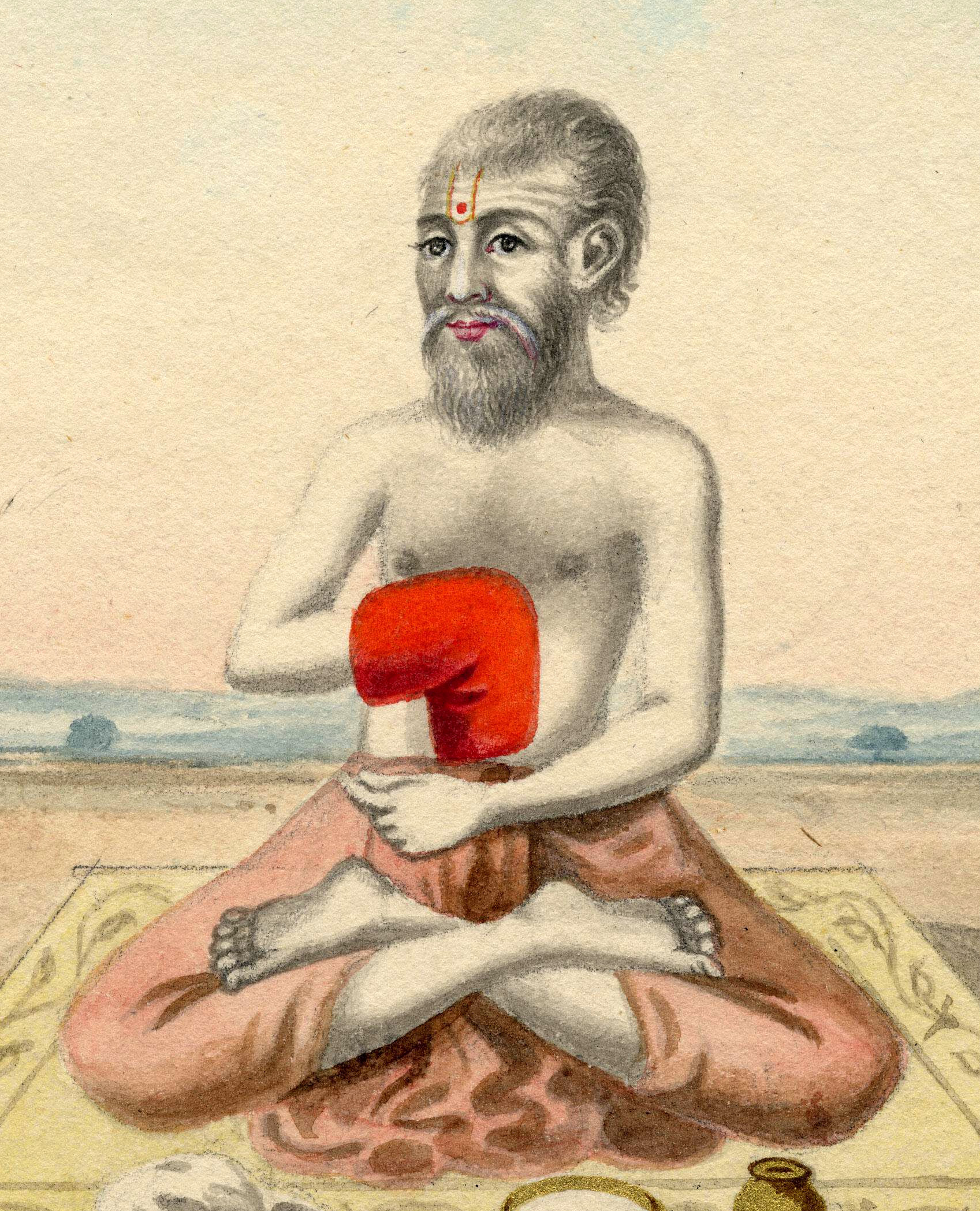
Kapila
(कपिल)
Ancient Indian philosopher and Vedic sage revered as the founder of Samkhya, India's oldest classical dualistic philosophical system, analyzing the cosmic relationship between pure consciousness (Purusha) and primordial matter (Prakriti).
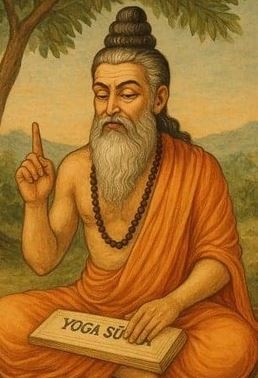
Patanjali
(पतञ्जलि)
Ancient Indian sage and philosopher who compiled the foundational 'Yoga Sutras', codifying classical Raja Yoga into the Eight Limbs (Ashtanga) to achieve mastery of the mind and spiritual liberation.
Huineng
 (惠能)
Illiterate firewood seller who became the historic Sixth Patriarch of Chan (Zen) Buddhism, founder of the Southern School of Sudden Enlightenment, whose teachings are preserved in the sacred 'Platform Sutra'.
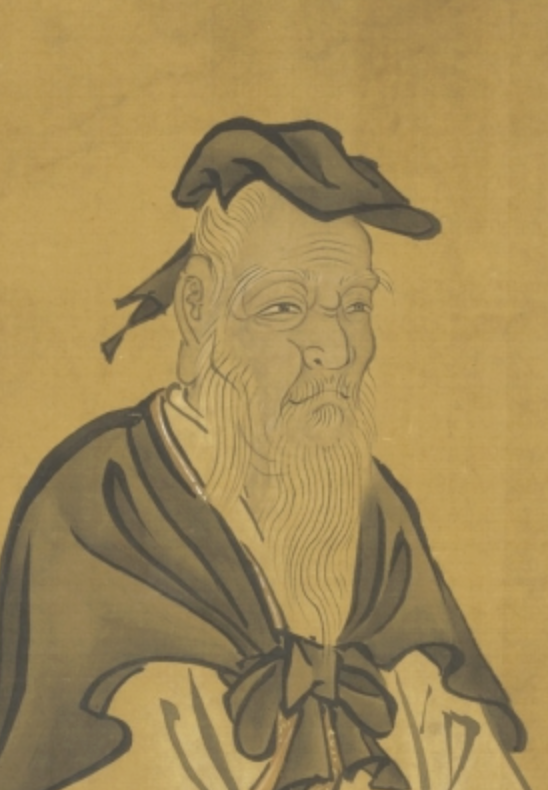
Dong Zhongshu
(董仲舒)
Han dynasty philosopher and imperial chancellor who persuaded Emperor Wu of Han to make Confucianism the sole official state ideology of the Chinese empire, formulating the doctrine of 'Mutual Resonance between Heaven and Man'.
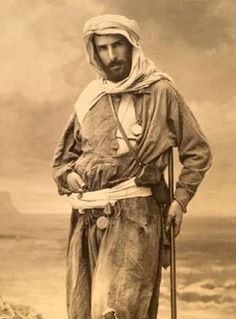
Leo Africanus
 (الحسن بن محمد الوزان الزياتي)
North African diplomat, traveler, and geographer born in Granada and raised in Fez, whose masterwork 'Descrittione dell'Africa' (1526) served as Europe's primary geographical authority on the Maghreb and Sub-Saharan Africa for centuries.
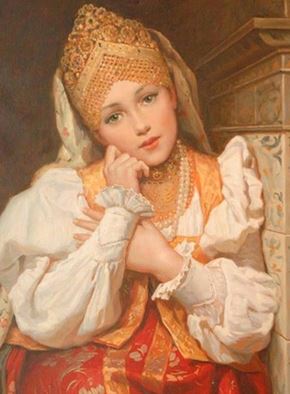
Fatima al-Fihriya
 (فاطمة الفهرية (أم البنين))
Visionary Arab Muslim woman known as 'Umm al-Banin' who migrated from Kairouan to Fez and used her entire inherited fortune to found the University of al-Qarawiyyin in 859 CE, recognized by UNESCO as the oldest continuously operating university in the world.
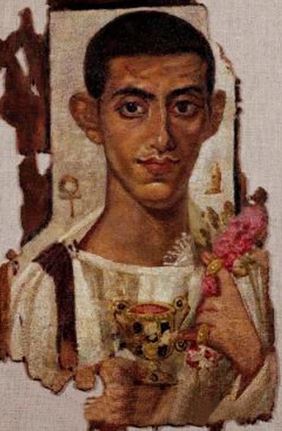
Ammonius Saccas
 (أمونيو ساكاس)
Pioneering Alexandrian philosopher who reconciled the philosophies of Plato and Aristotle and taught Plotinus, Origen, and Longinus, serving as the foundational catalyst of Neoplatonism.
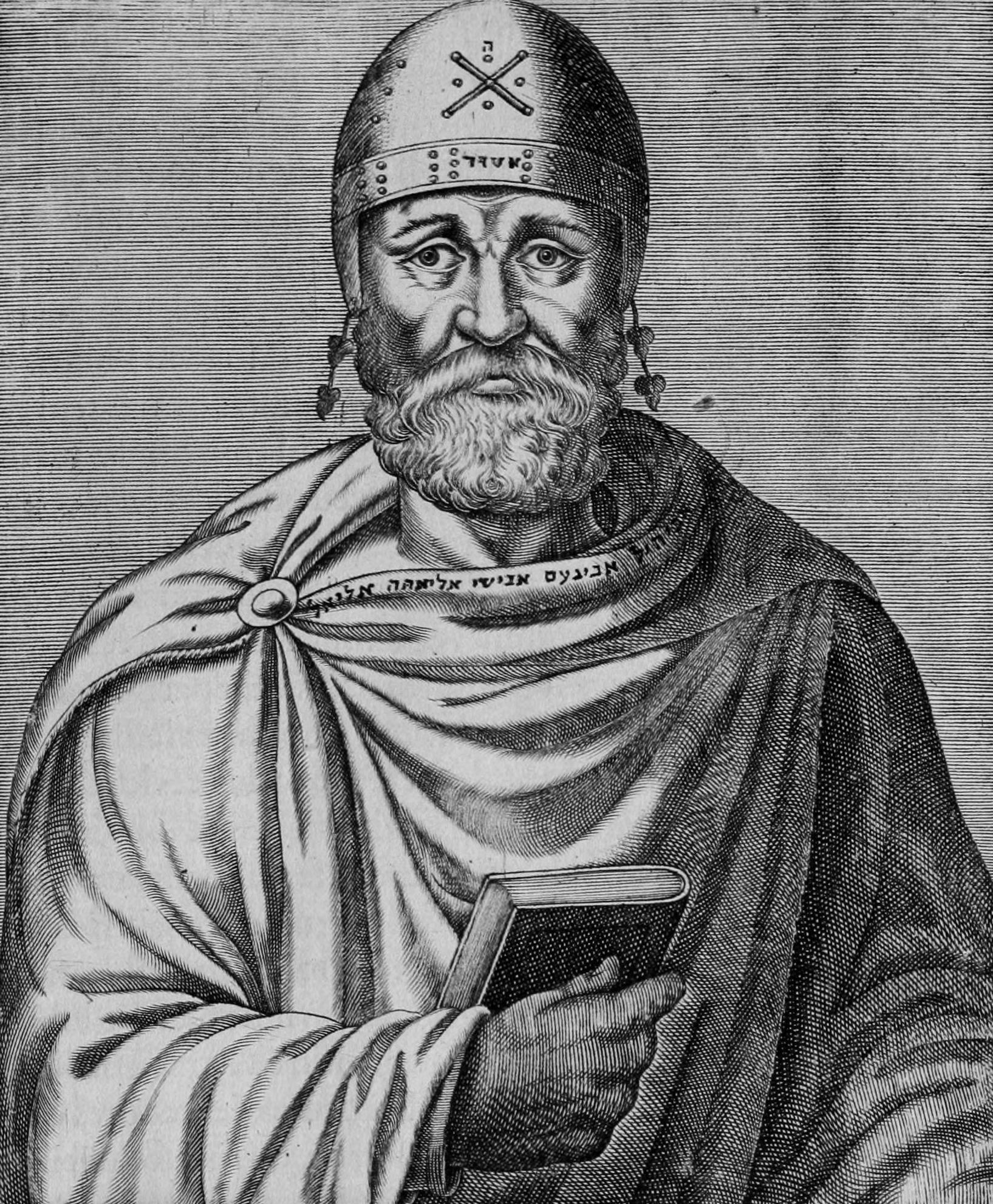
Philo of Alexandria
(فيلو الإسكندري (فيلون))
Hellenistic Jewish philosopher of Alexandria who pioneered the allegorical interpretation of the Hebrew Scriptures, synthesized the Torah with Platonic and Stoic philosophy, and developed the theology of the divine 'Logos'.
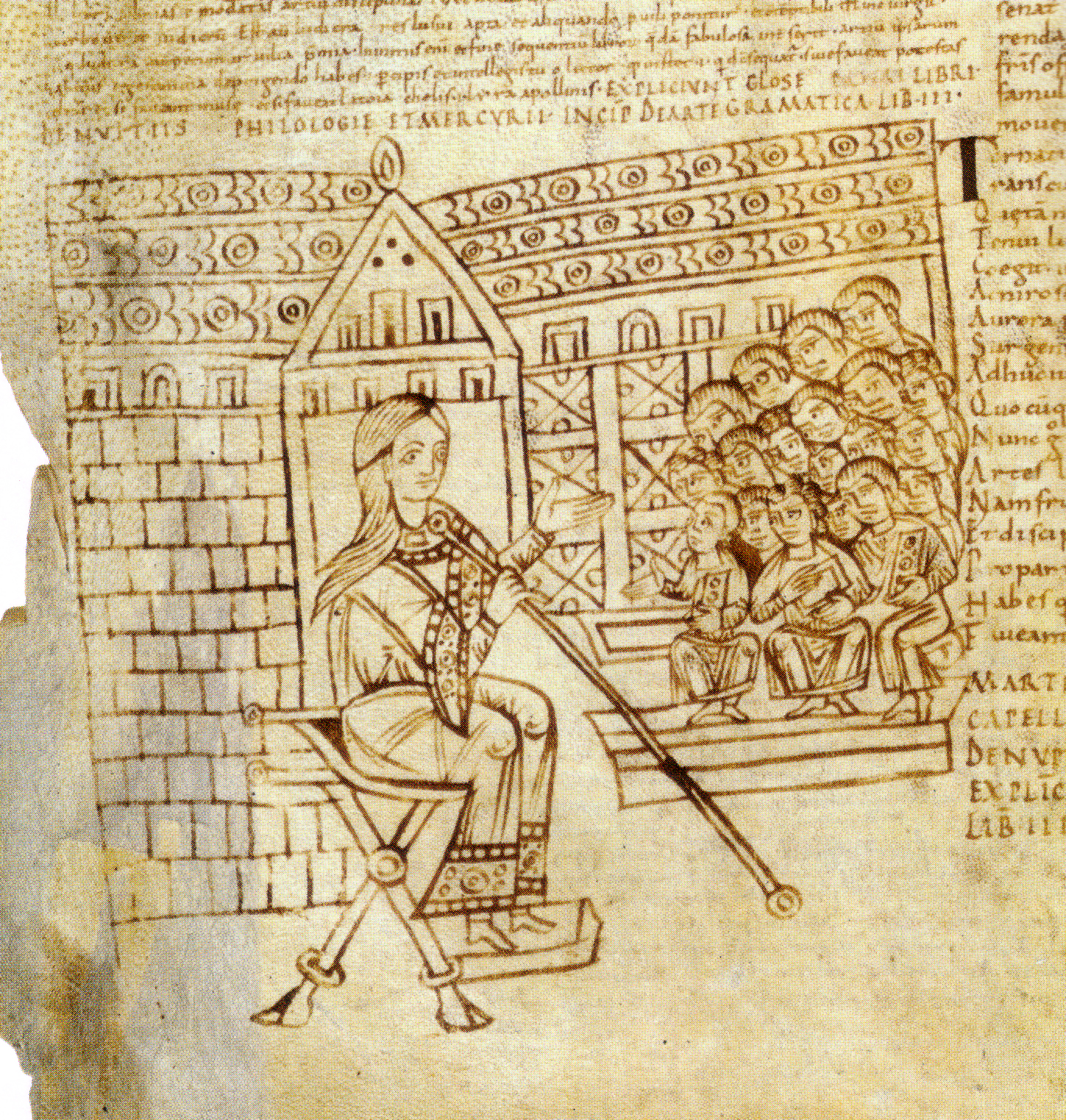
Martianus Capella
 (مارتيانوس كابيلا)
Late antique Latin writer and lawyer from Numidia whose allegorical encyclopedia 'The Marriage of Philology and Mercury' defined the medieval curriculum of the Seven Liberal Arts (Trivium and Quadrivium).
Donatus Magnus
(دوناتوس الكبير)
Charismatic Numidian bishop who founded Donatism, leading the majority indigenous Berber Christian Church of Roman North Africa for forty years in fierce opposition to imperial Roman compromise.
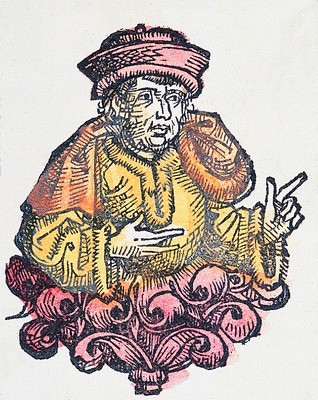
Arnobius of Sicca
(أرنوبيوس السيكي)
Numidian master rhetorician from Le Kef, Tunisia, who fiercely attacked Roman pagan mythology and defended the Christian faith in his seven-volume treatise 'Adversus Nationes'.
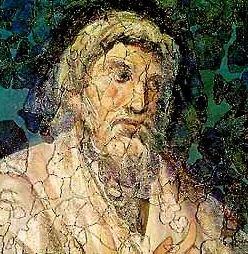
Lactantius
(لاكطانسيوس)
North African Berber Christian author known as the 'Christian Cicero', who served as Latin rhetorician to Emperor Diocletian, converted to Christianity, and tutored the eldest son of Constantine the Great.
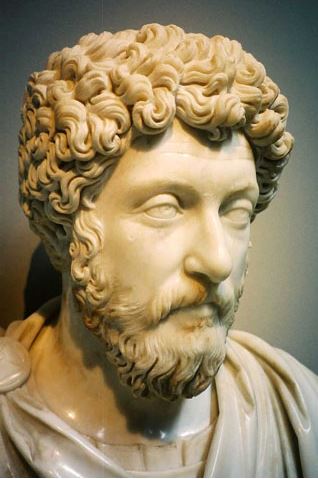
Minucius Felix
(ماركوس مينوسيوس فيليكس)
North African Roman lawyer from Cirta (Constantine) who authored 'Octavius', one of the earliest and most elegant Christian philosophical dialogues in Latin literature.
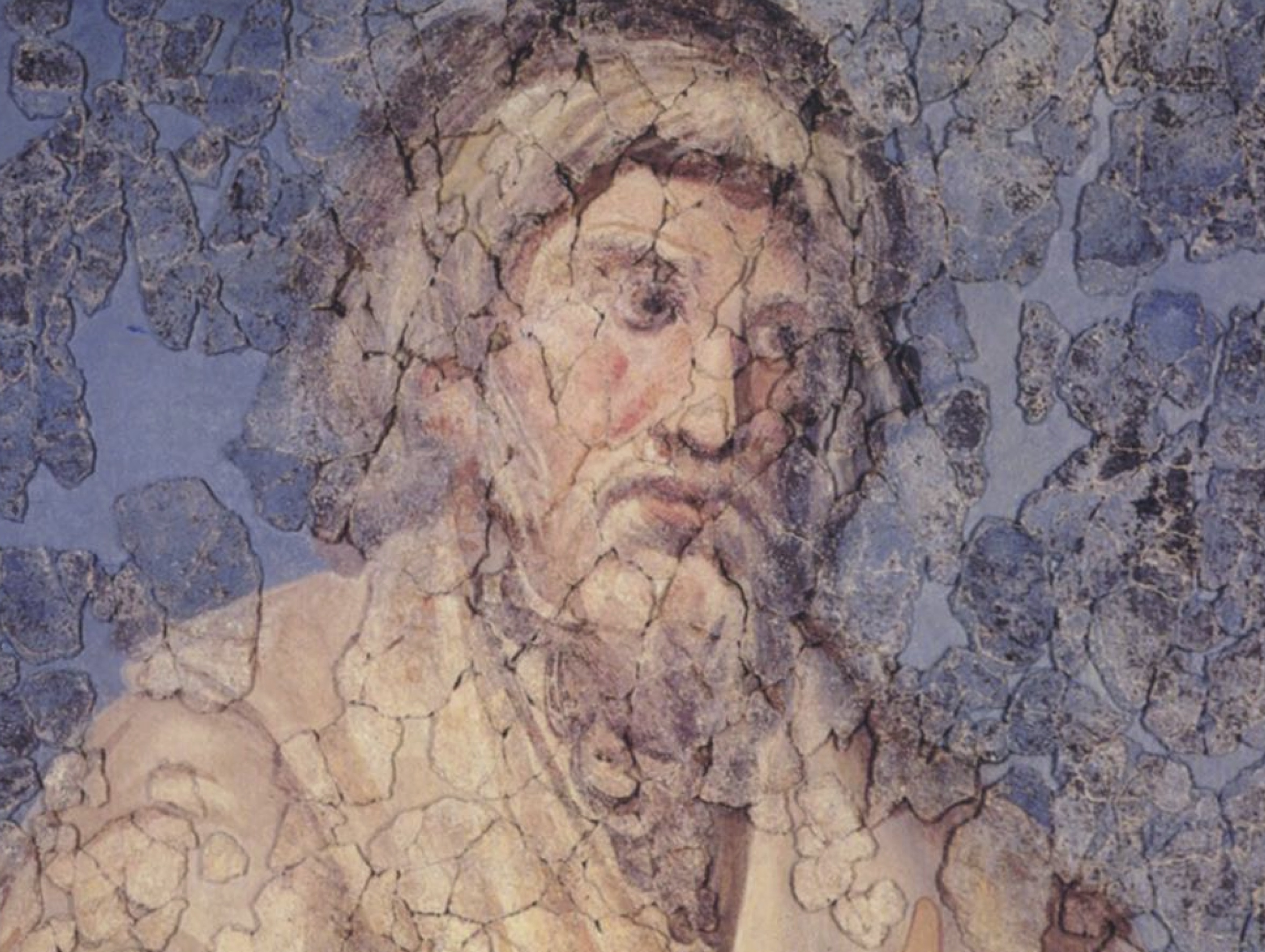
Apuleius of Madauros
(أبوليوس المادوري)
Numidian Berber Latin author and Platonist philosopher from M'Daourouch, Algeria, who wrote 'The Golden Ass' (Metamorphoses), the only complete Latin novel to survive from antiquity, containing the myth of Cupid and Psyche.
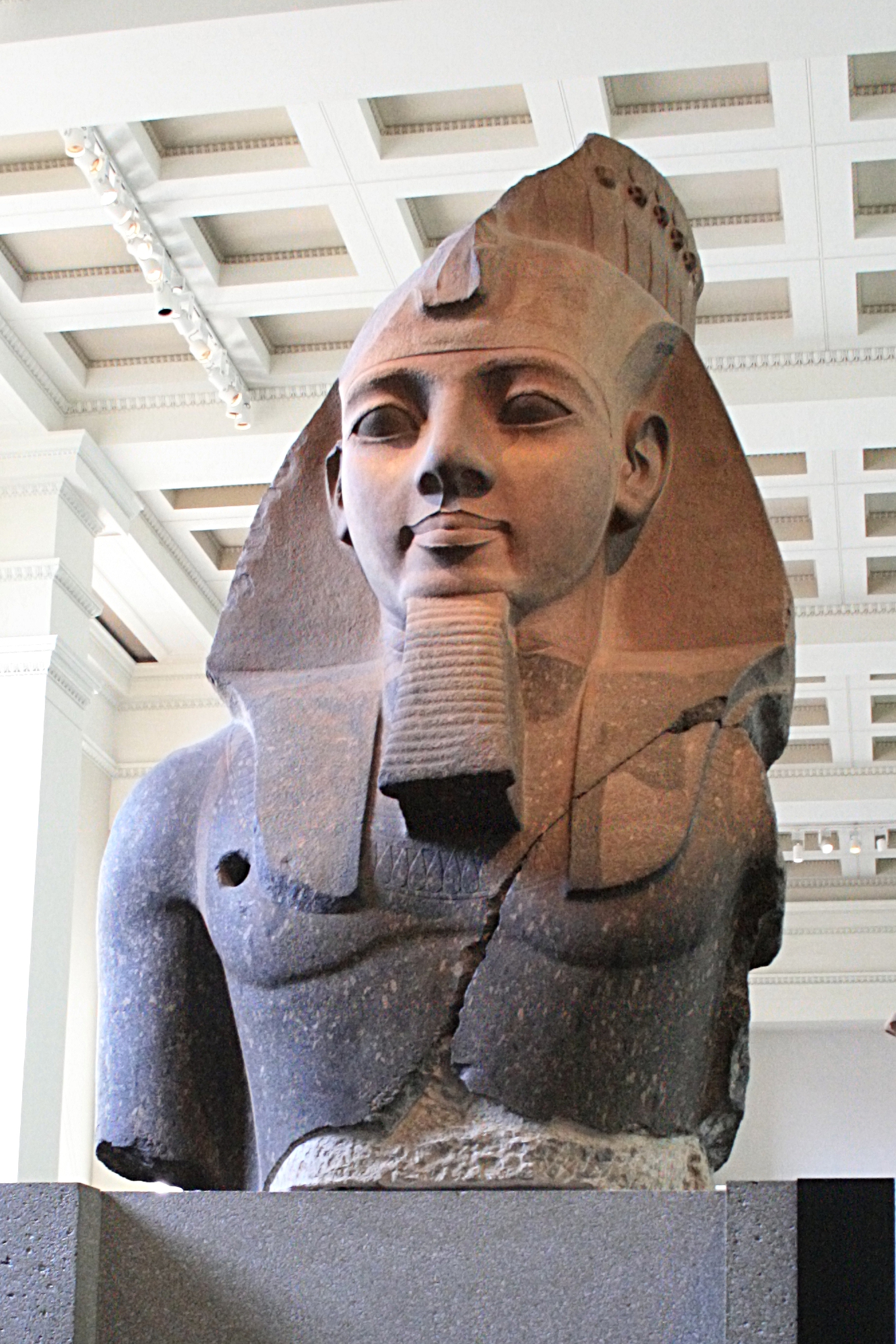
Ramesses II
(رمسيس الثاني (رمسيس الأكبر))
Third Pharaoh of the Nineteenth Dynasty, celebrated as 'Ramesses the Great', who ruled for sixty-six years, fought the Hittites at Kadesh, signed the world's first recorded peace treaty, and constructed Abu Simbel.
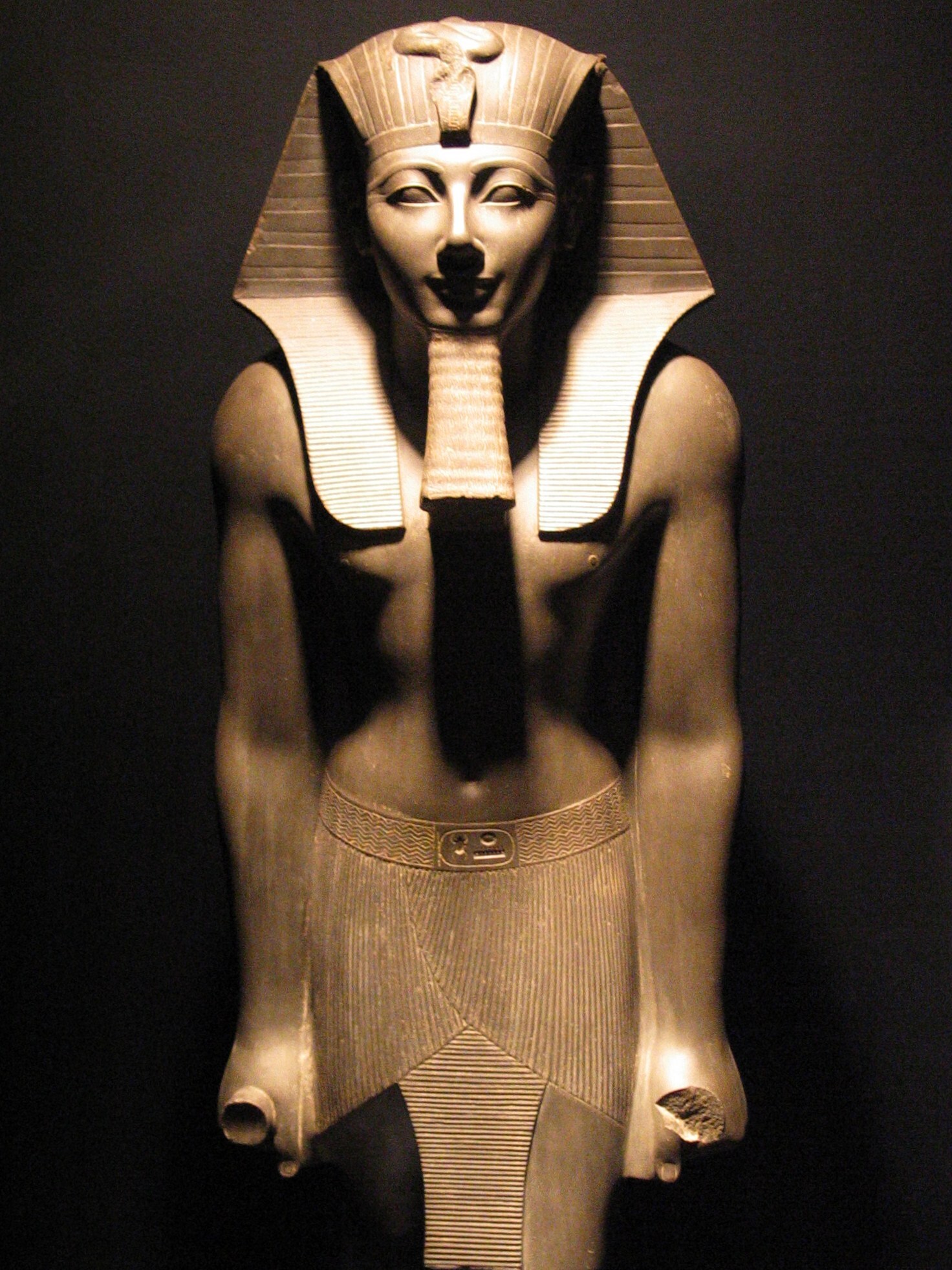
Thutmose III
(تحتمس الثالث)
Sixth Pharaoh of the Eighteenth Dynasty, acclaimed by modern historians as the 'Napoleon of Egypt', who conducted seventeen victorious military campaigns and built the largest empire in Egyptian history.
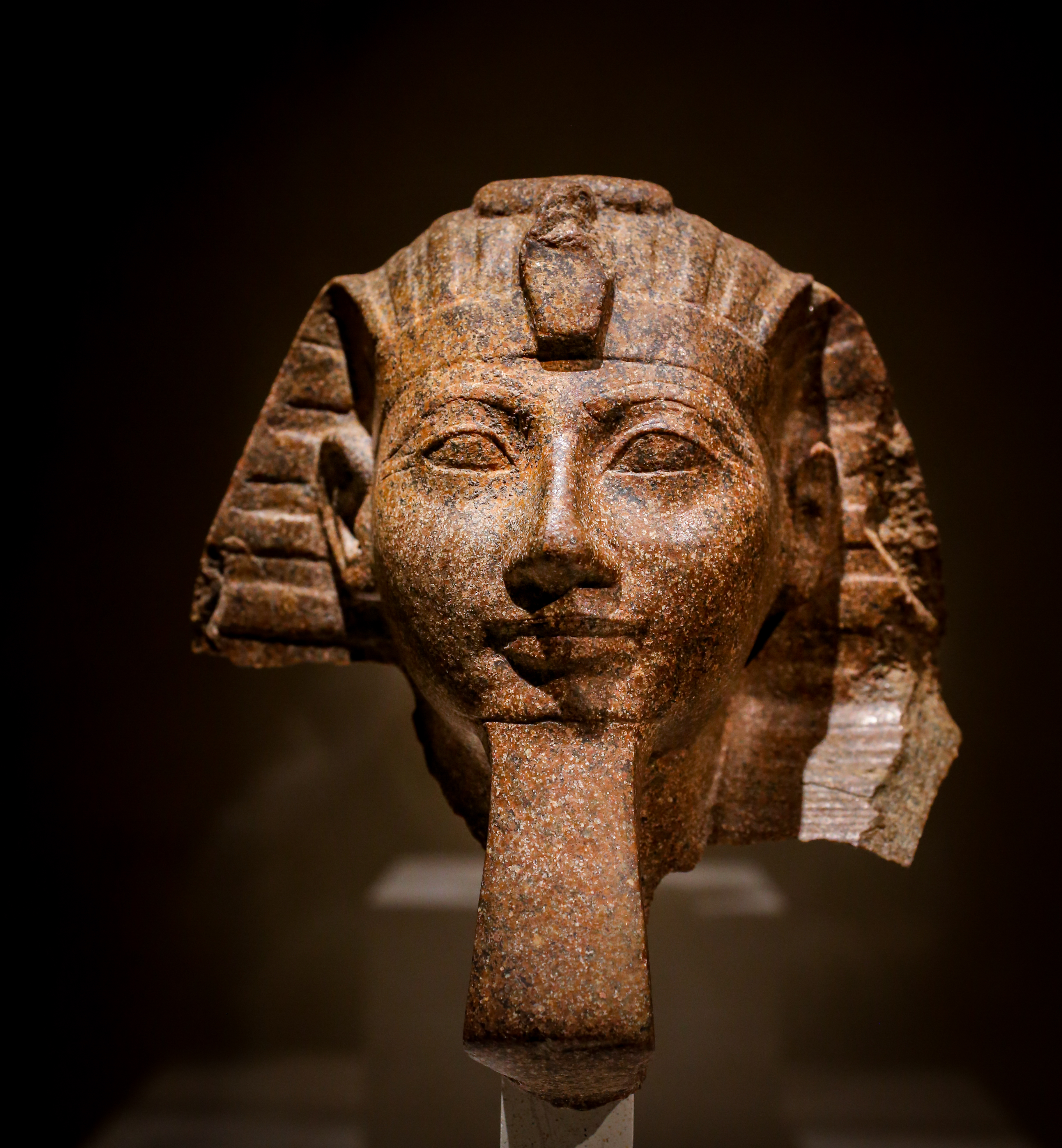
Queen Hatshepsut
(حاتشبسوت)
Fifth Pharaoh of the Eighteenth Dynasty of Egypt, celebrated as one of the most successful female rulers in world history, builder of the magnificent mortuary temple at Deir el-Bahari, and commissioner of the legendary naval expedition to Punt.