 Greece
•
2 views
Greece
•
2 views
Hesiod

Ascra, Greece
Archival Overview
Archaic Greek oral epic poet whose Theogony established the genealogy of the Greek gods and whose Works and Days founded didactic poetry and celebrated agrarian labor.
Biographical Record
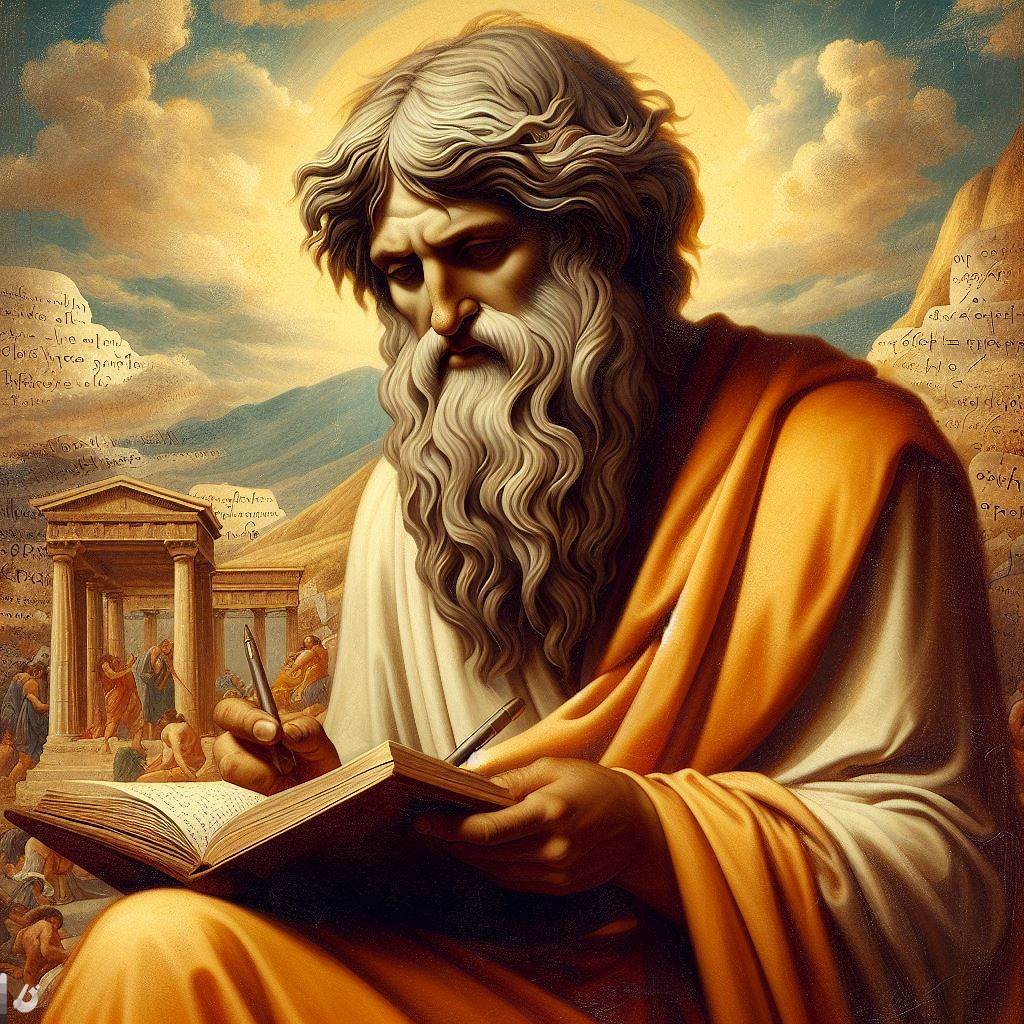
Hesiod (fl. c. 750–650 BCE) was an archaic Greek epic poet who, alongside Homer, established the fundamental religious, mythological, and economic foundations of ancient Greek culture. Unlike Homer, Hesiod spoke explicitly in the first person, describing his life as a farmer in the rugged Boeotian village of Ascra at the foot of Mount Helicon, where the Muses famously inspired him while tending sheep.
Hesiod's monumental work Theogony synthesizes primordial Greek creation myths, tracing the origin of the cosmos from Chaos through the Titanomachy to the supremacy of Zeus and the Olympian order. In his didactic masterpiece Works and Days, written as an admonition to his brother Perses, Hesiod articulated the virtues of honest labor, the myth of Pandora, the Five Ages of Man, and a sacred agricultural calendar.
Key Life Milestones
Theogony Composed
Composed the Theogony, establishing the definitive genealogical framework for Greek deities and the rise of Zeus.
Triumph at Chalcis
Won a bronze tripod in a poetic contest at the funeral games of Amphidamas in Euboea, as celebrated in Works and Days.
Memorial Guestbook & Tributes
0 messages recordedLeave a Respectful Tribute
Final Resting Place
Perpetual MemorialOrchomenus, Greece