 Sicily
•
3 views
Sicily
•
3 views
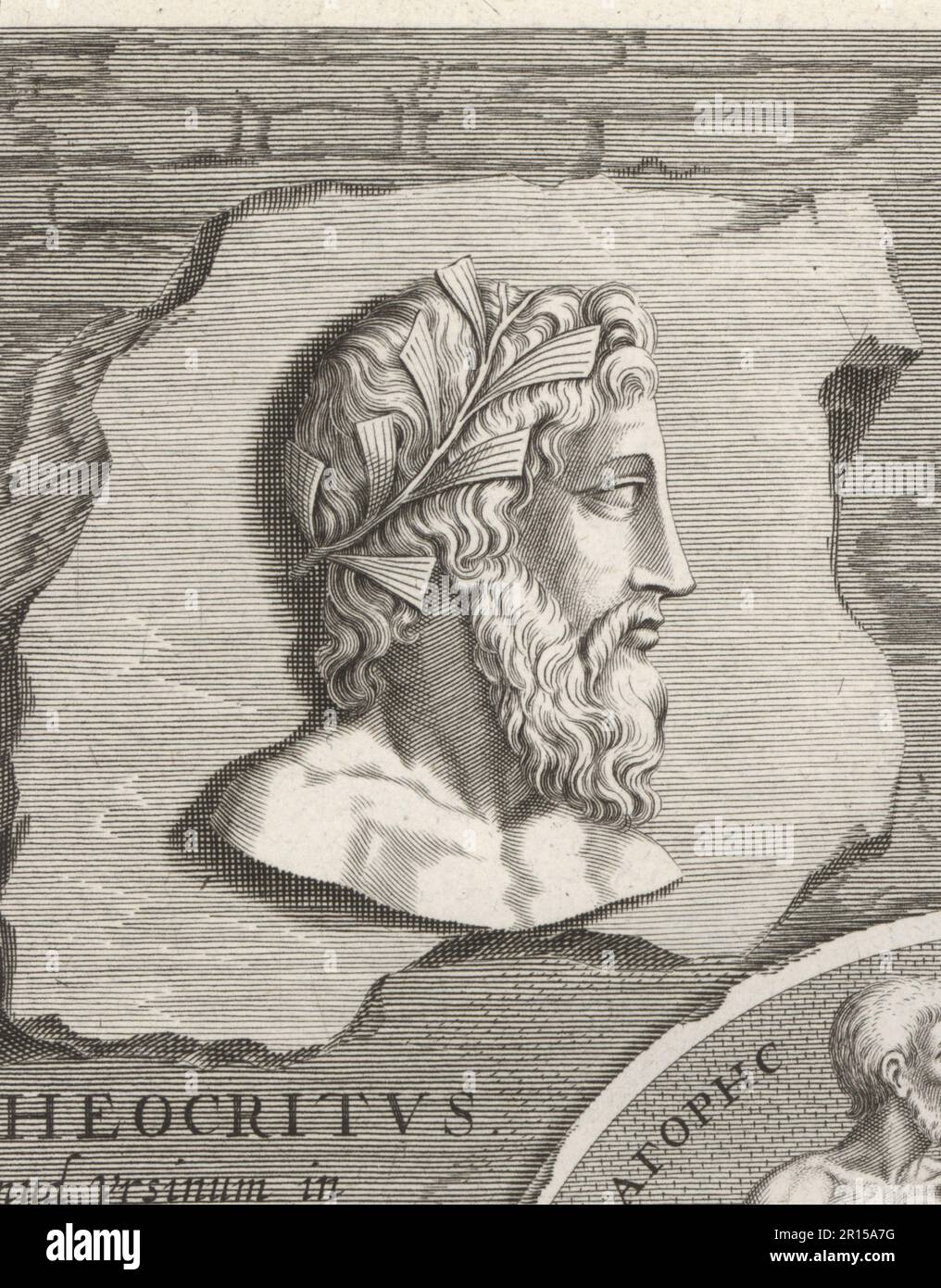
Theocritus

Syracuse, Sicily
Archival Overview
Hellenistic poet from Syracuse who created pastoral and bucolic poetry, immortalizing singing shepherds and rural idylls that inspired Virgil and the Western pastoral tradition.
Biographical Record
Theocritus (c. 300–c. 260 BCE) was a Hellenistic Greek poet born in Syracuse who flourished under the patronage of Ptolemy II Philadelphus in Alexandria and Cos. He is universally recognized as the inventor of pastoral poetry, a genre that shaped European literature from antiquity through the Renaissance and Romantic eras.
His principal poetic collection, the Idylls ('little pictures'), captures scenes of rustic life in the Sicilian countryside, featuring singing matches between shepherds, goatherds, and pipers, intertwined with delicate mythological tales and urban mimes. Through refined Doric verse, Theocritus established iconic literary tropes including the lament of Polyphemus for Galatea and the harmonious pastoral world of Arcadia.
Key Life Milestones
Invention of Bucolic Poetry
Published his early Idylls in Sicily and Cos, founding pastoral poetry as an independent Western literary genre.
Praise of Ptolemy II
Composed Encomium to Ptolemy II Philadelphus, cementing his status as one of the elite poets of the Alexandrian Museum.
Memorial Guestbook & Tributes
0 messages recordedLeave a Respectful Tribute
Final Resting Place
Perpetual MemorialAlexandria, Egypt