 Western Han Dynasty (China)
•
2 views
Western Han Dynasty (China)
•
2 views
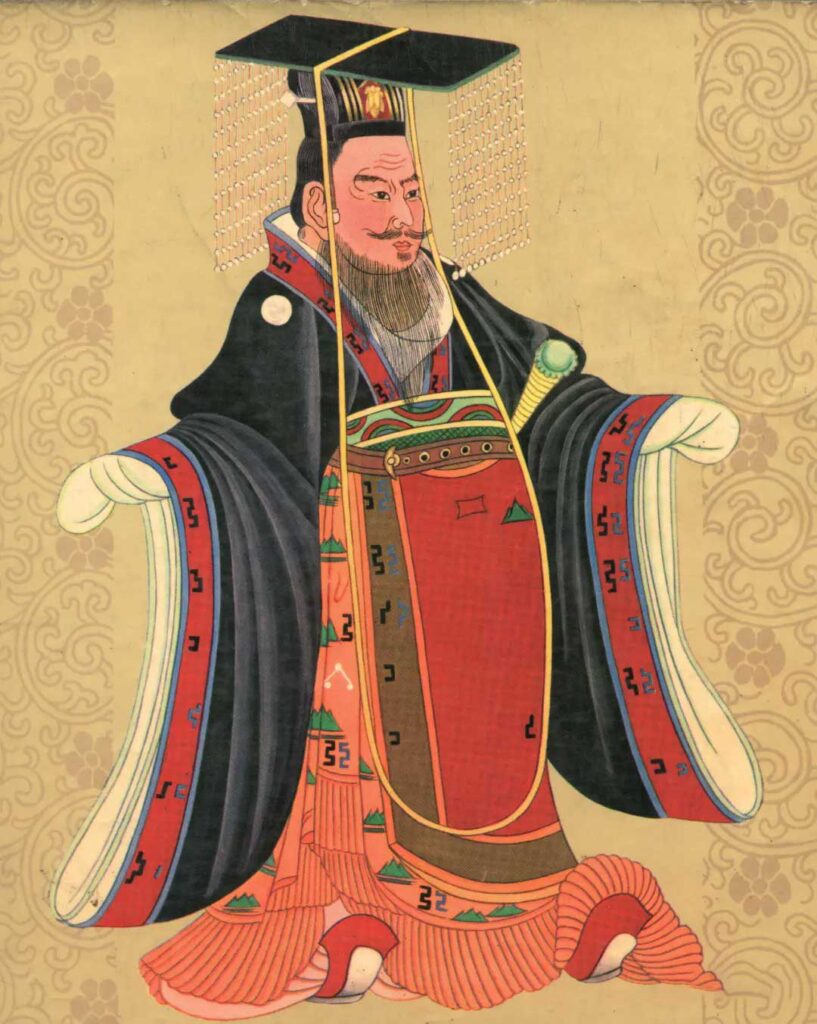
Emperor Wu of Han (Han Wudi)

Chang'an, Western Han Dynasty (China)
Archival Overview
Seventh Emperor of the Han Dynasty whose 54-year reign established the Silk Road, adopted Confucianism, and expanded China's imperial borders.
Biographical Record
Emperor Wu of Han (Liu Che), reigning for fifty-four years from 141 to 87 BCE, was one of the most powerful and transformative sovereigns in Chinese history. Taking the throne at age fifteen, Han Wudi transformed China from a cautious defensive state paying tribute to northern nomads into a proud, proactive, expanding continental empire.
Dispatching general Wei Qing and cavalry prodigy Huo Qubing, Wudi shattered the power of the Xiongnu nomadic confederacy across the Gobi Desert. In 138 BCE, he dispatched envoy Zhang Qian on a legendary expedition to the Western Regions (Central Asia), opening the Silk Road trade network linking China to Persia and the Roman world. Domestically, Wudi established state monopolies on salt and iron to fund imperial infrastructure, created the Imperial Academy (Taixue), and at the urging of Dong Zhongshu, adopted Confucianism as the official state ideology of imperial China—a philosophical foundation that endured for over two millennia until 1911. He was entombed in the colossal Maoling pyramid mausoleum.
Key Life Milestones
Dispatch of Zhang Qian and Opening of the Silk Road
Establishment of Confucianism as State Ideology
Memorial Guestbook & Tributes
0 messages recordedLeave a Respectful Tribute
Final Resting Place
Perpetual MemorialXianyang, Shaanxi, China