Public Figures & Cultural Luminaries
Filterable archive covering centuries of intellectual, artistic, and moral contributions to the human story.
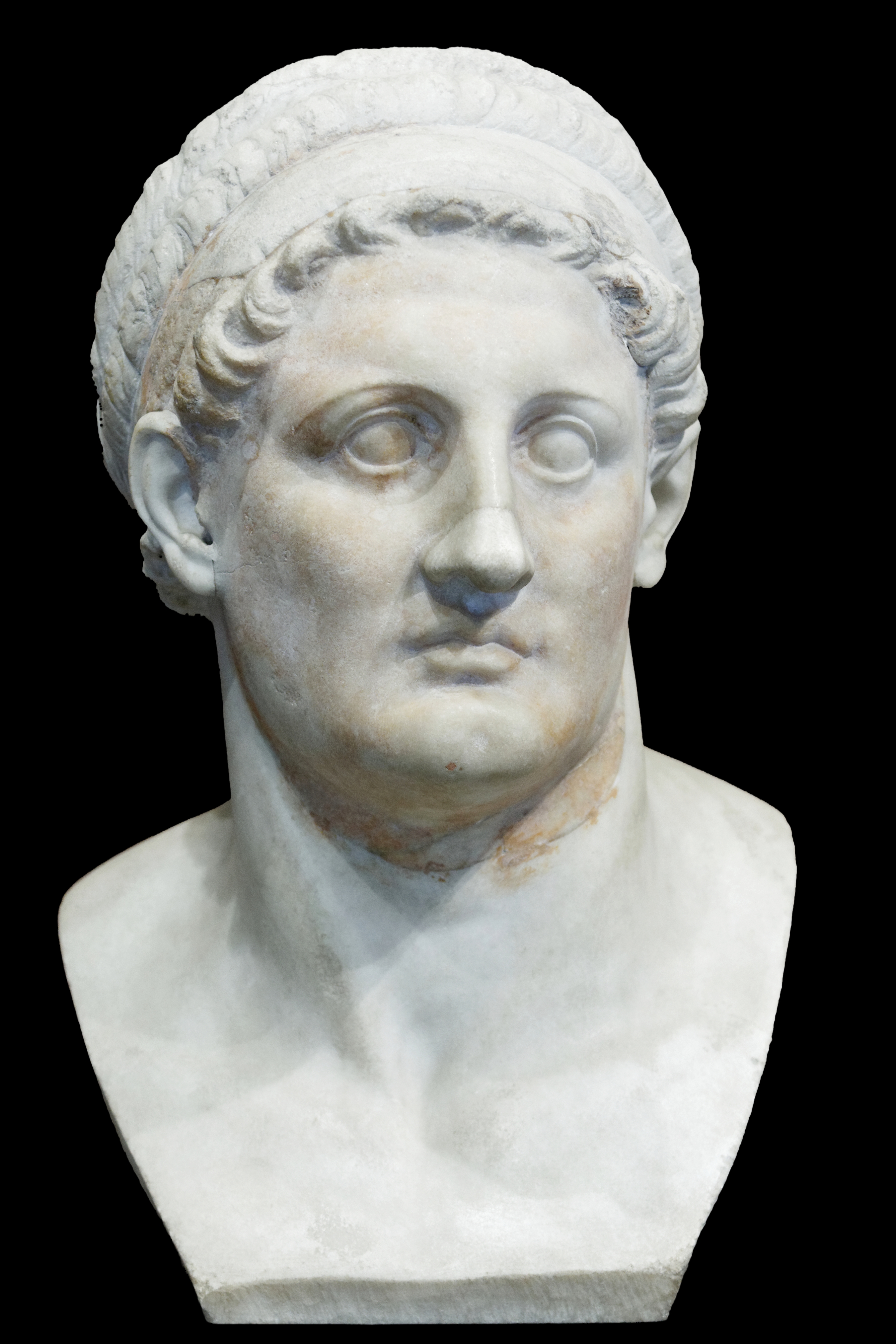
Ptolemy I Soter
 (Πτολεμαῖος Σωτήρ)
Macedonian general and companion of Alexander the Great who founded the Ptolemaic Dynasty of Egypt, establishing Alexandria as the radiant intellectual capital of the Mediterranean and initiating the Mouseion and Great Library.
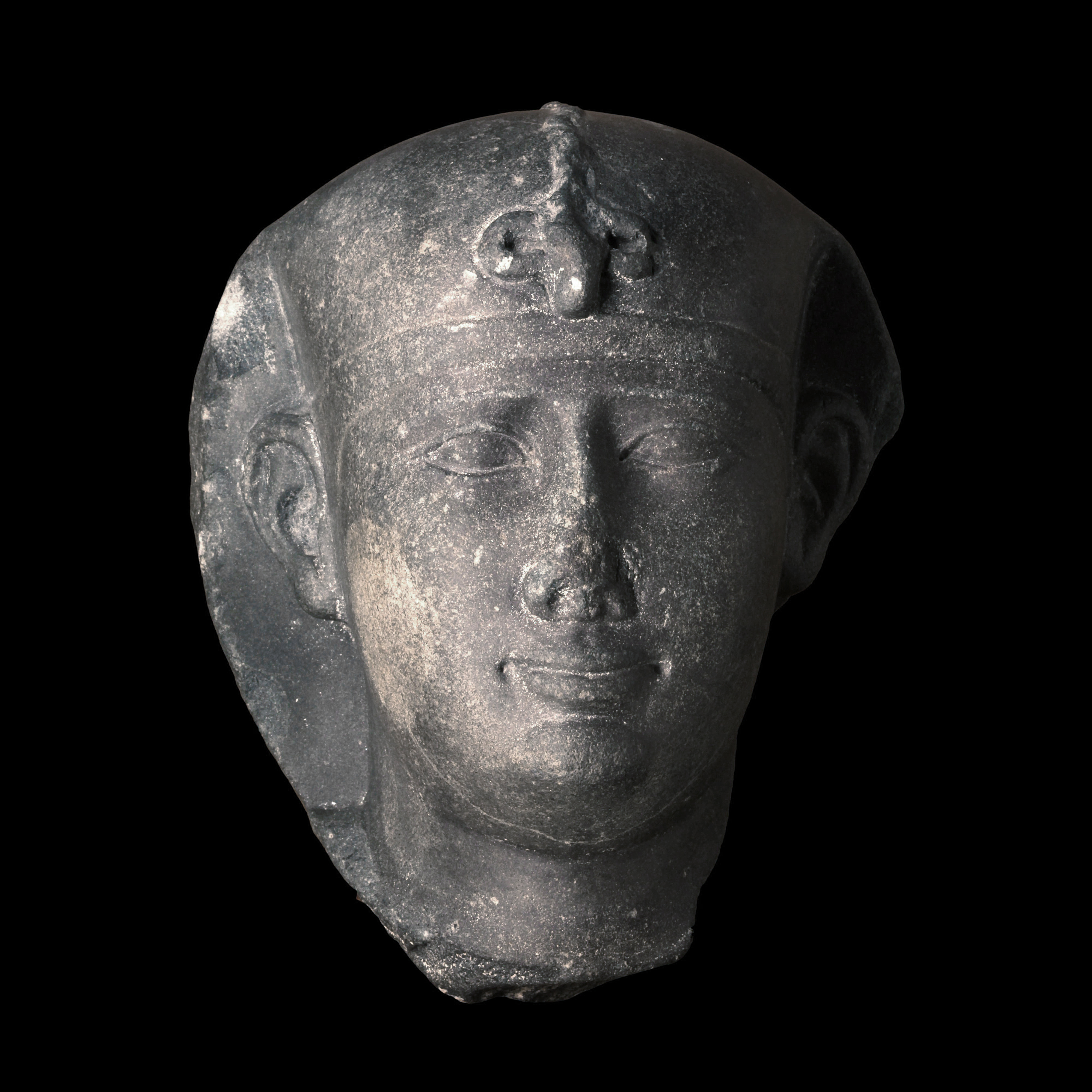
Nectanebo II
 (Senedjemibre Nakhthorhebyt)
Third and final Pharaoh of the Thirtieth Dynasty who holds the historic distinction of being the last native Egyptian to rule Egypt as pharaoh, renowned for his lavish devotion to the gods and temple construction from Delta to Philae.
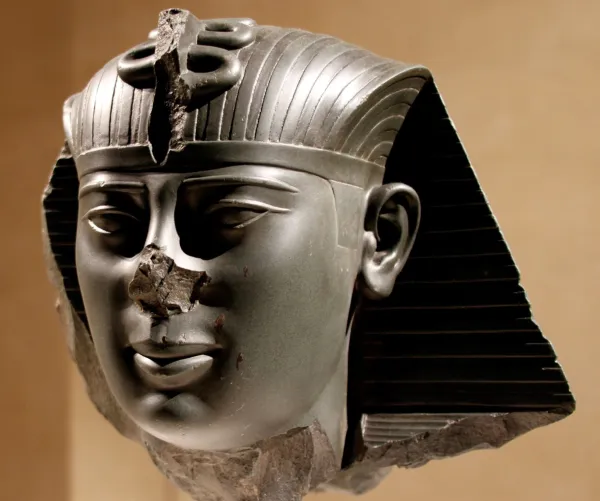
Amasis II
(Khnemibre Ahmose)
Wise and charismatic Pharaoh of the Twenty-Sixth (Saite) Dynasty whose forty-four-year reign witnessed the final flourishing of native Egyptian economic prosperity, artistic renaissance, and deep diplomatic alliances with Greek states.
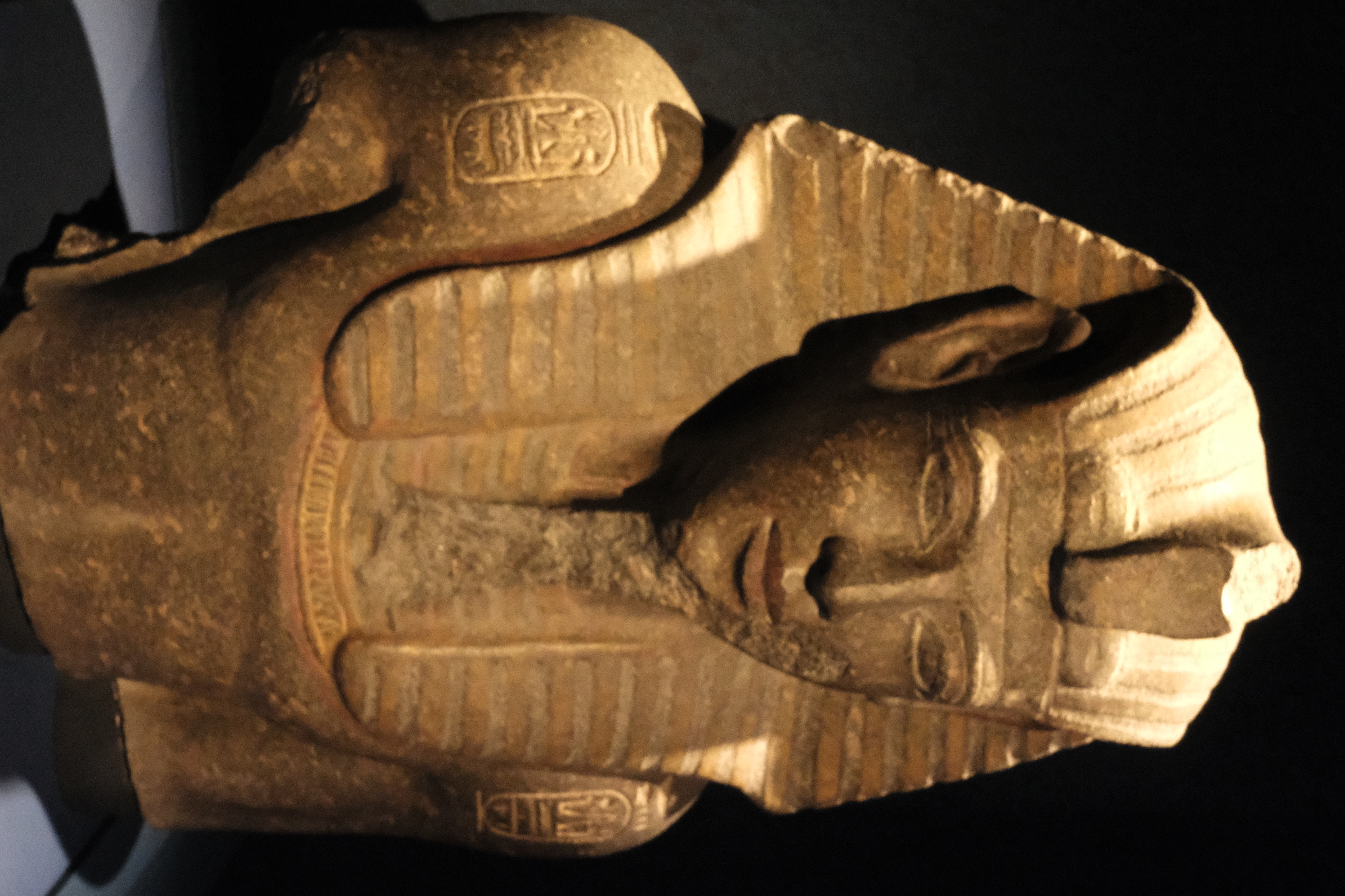
Merneptah
(Baenre Merynetjeru Merneptah)
Fourth Pharaoh of the Nineteenth Dynasty and thirteenth son of Ramesses the Great who successfully defended Egypt against a massive Libyan coalition and erected the renowned Merneptah Stele containing the earliest historical mention of Israel.
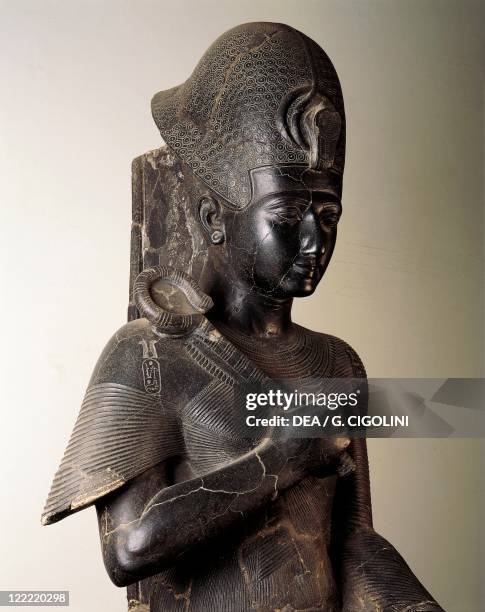
Ramesses III
(Usermaatre Meryamun Ramesses)
Second Pharaoh of the Twentieth Dynasty and the last great warrior-monarch of the New Kingdom who saved Egypt from catastrophic annihilation by repelling massive invasions of the Sea Peoples by land and sea.
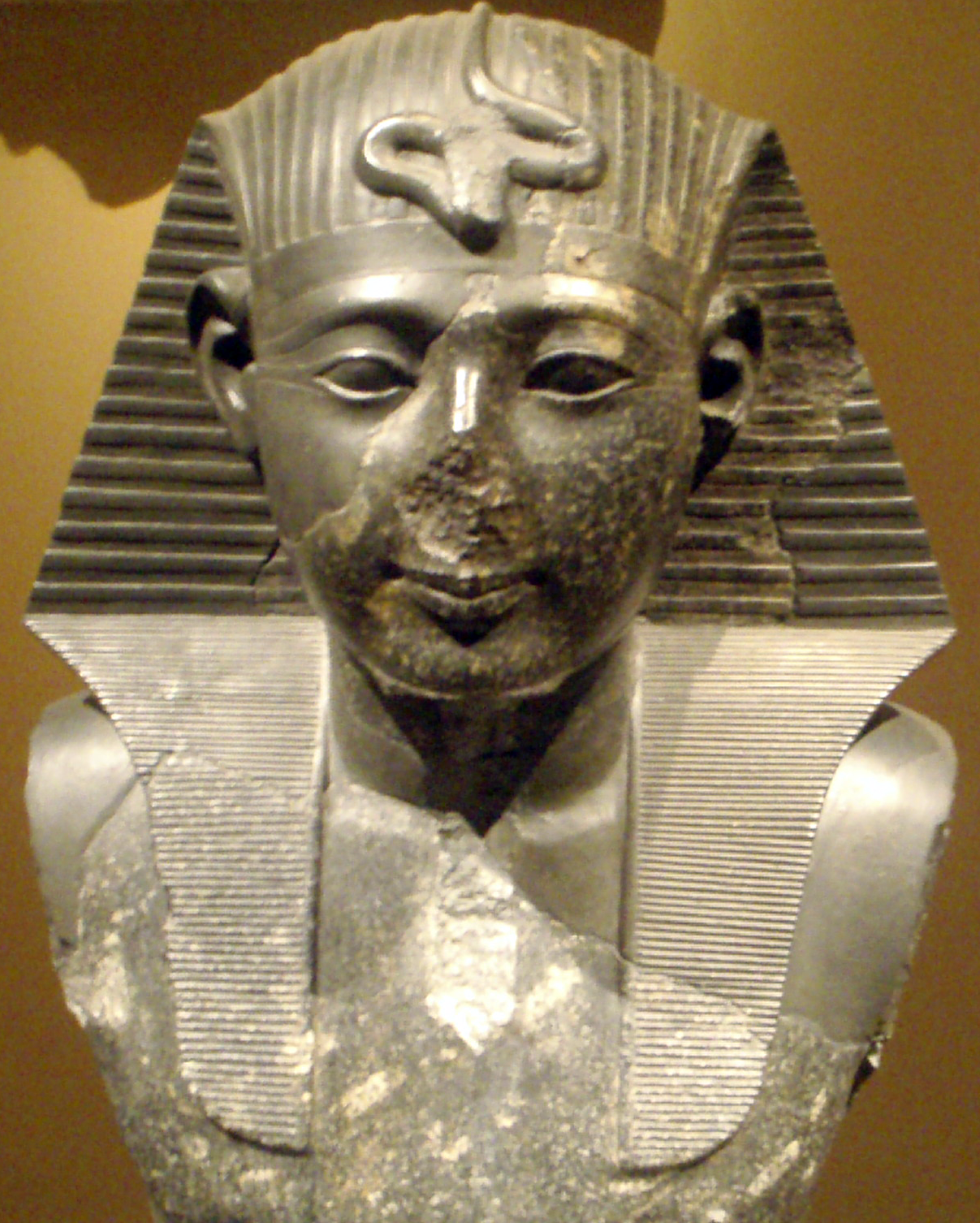
Seti I
(Menmaatre Seti)
Distinguished Nineteenth Dynasty warrior-pharaoh and master builder who restored Egypt's imperial prestige across Syria and Canaan and commissioned the sublime Hypostyle Hall at Karnak and the Mortuary Temple at Abydos.
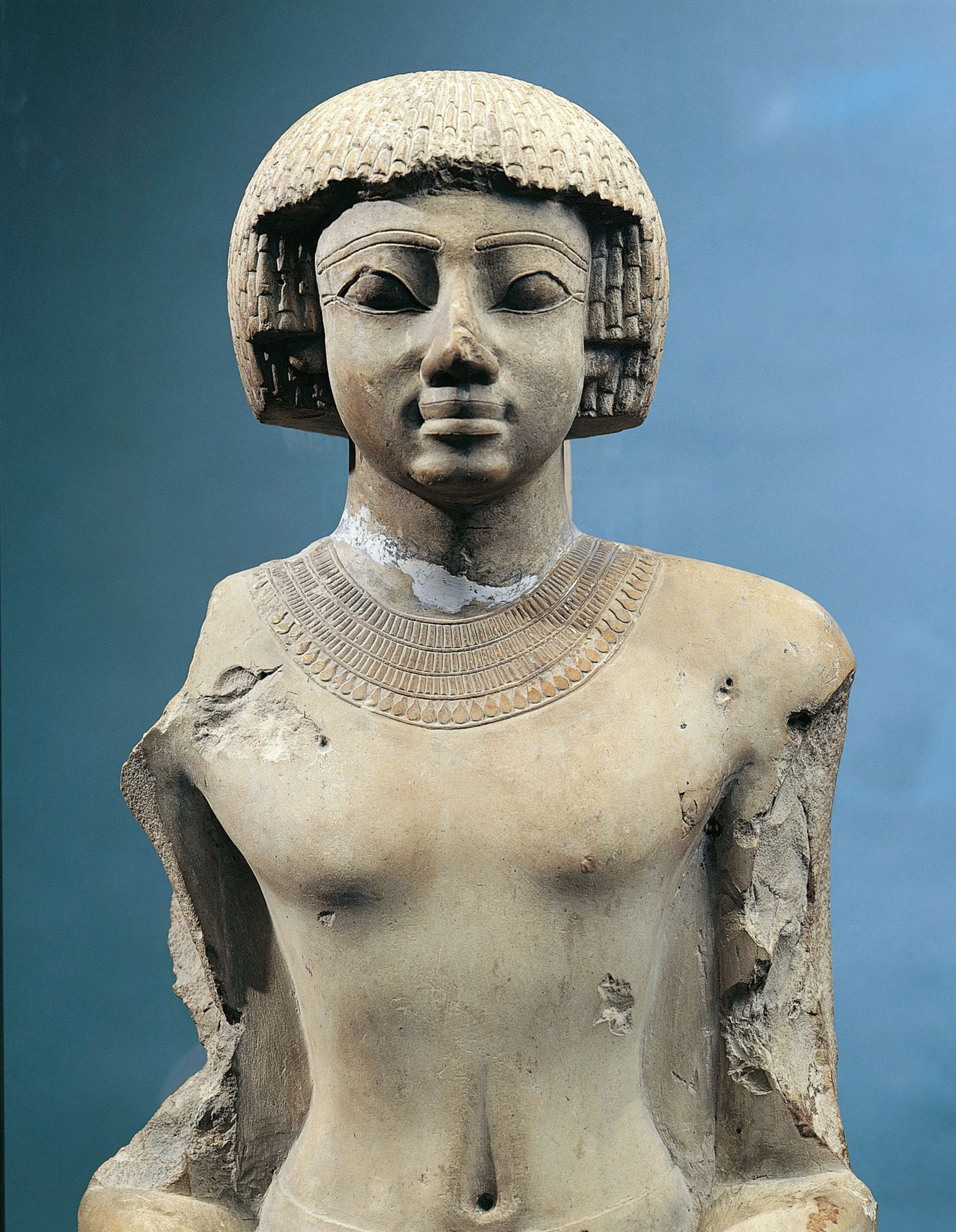
Ahmose I
(Nebpehtyre Ahmose)
Heroic Pharaoh of Egypt and founder of the Eighteenth Dynasty who liberated the homeland from more than a century of foreign Hyksos occupation, inaugurating Egypt's imperial golden age: the New Kingdom.
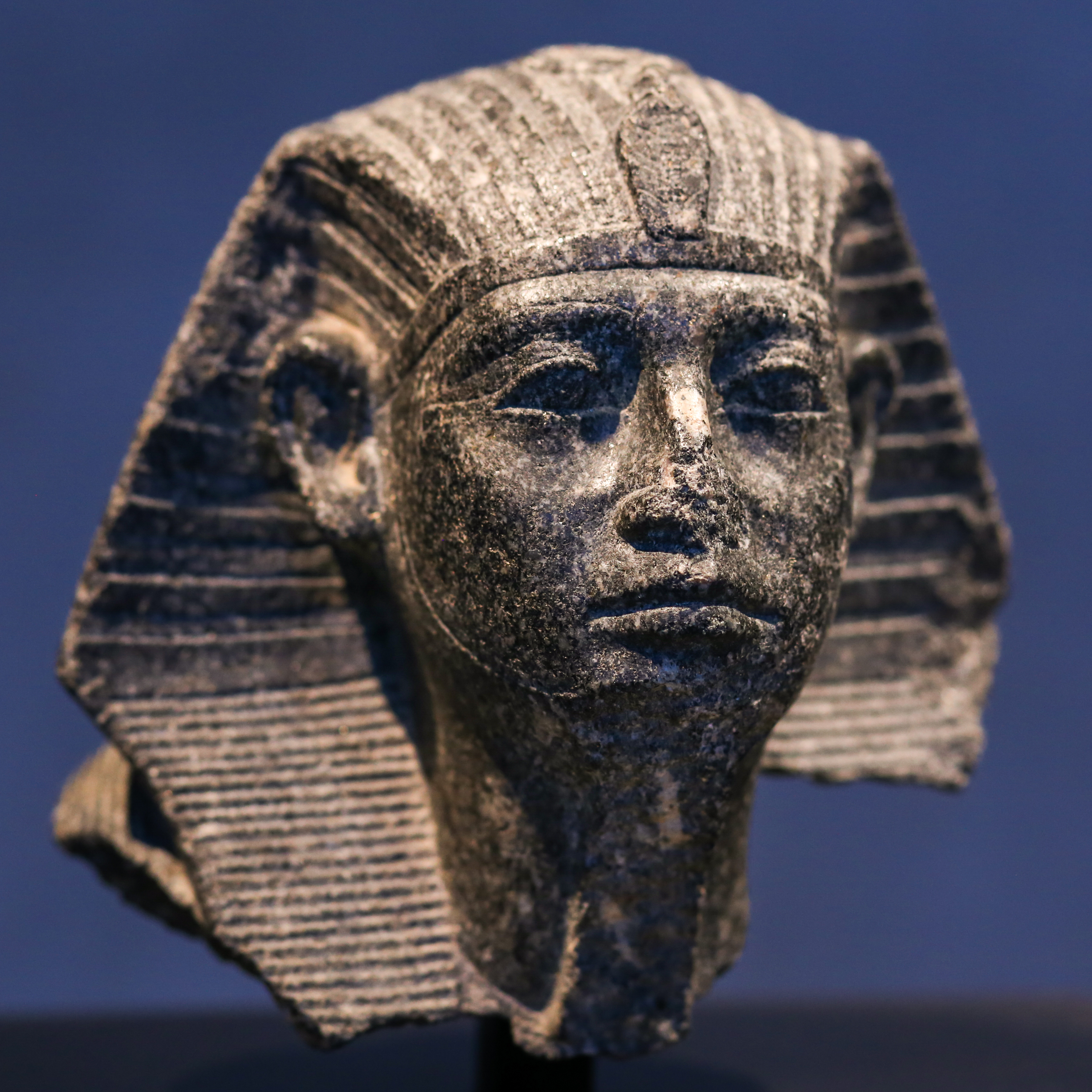
Senusret III
(Khakaure Senusret)
Mighty Twelfth Dynasty pharaoh and brilliant military strategist who transformed the Egyptian state by curbing the hereditary power of local nomarchs and fortifying the southern borders with colossal Nile river fortresses.
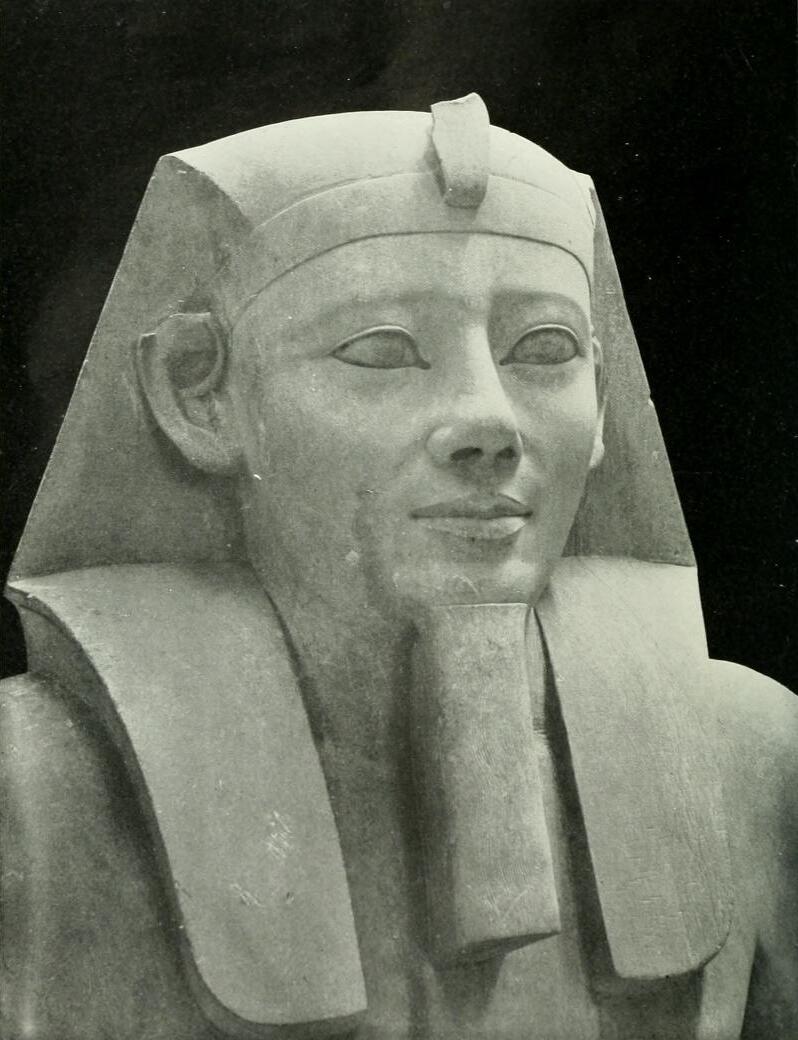
Senusret I
(Kheperkare Senusret)
Second Pharaoh of the Twelfth Dynasty whose exceptionally prosperous forty-five-year reign fostered a golden age of Middle Kingdom classical literature, monumental temple building, and territorial expansion into Nubia.
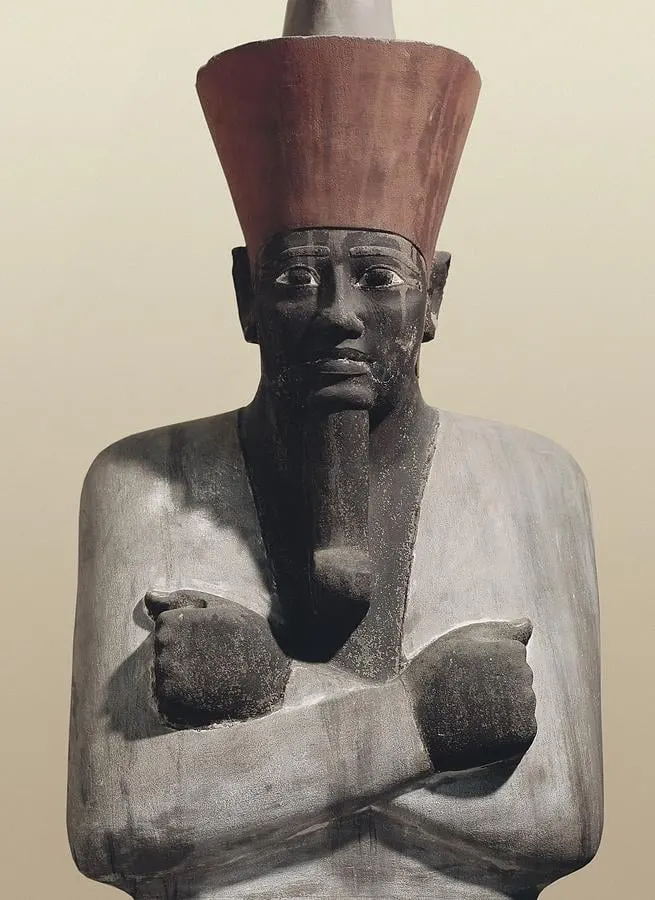
Mentuhotep II
(Nebhepetre Mentuhotep)
Heroic Theban monarch who reunified Upper and Lower Egypt after decades of chaotic civil war, ending the First Intermediate Period and inaugurating the glorious cultural renaissance of the Middle Kingdom.
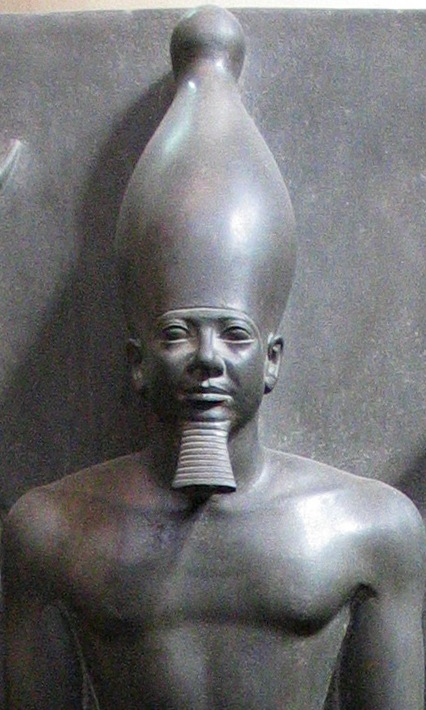
Menkaure
(Men-kau-Ra)
Eminent Fourth Dynasty pharaoh who completed the monumental architectural ensemble of the Giza necropolis by erecting the third pyramid, celebrated in classical antiquity for his justice, benevolence, and magnificent schist statuary.
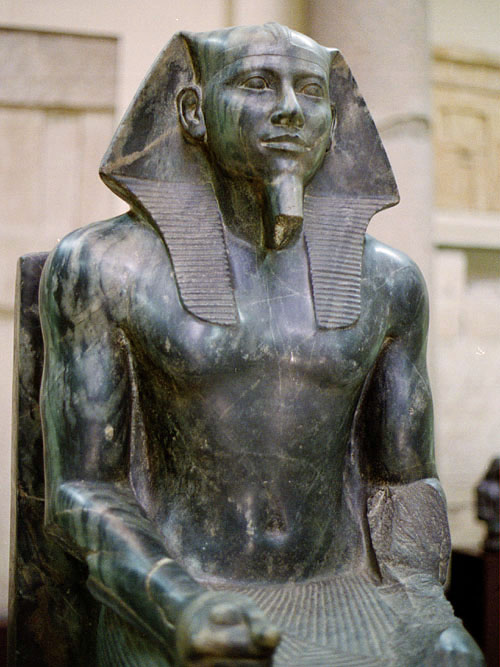
Khafre
(Kha-f-Ra)
Renowned Fourth Dynasty pharaoh who built the second-largest pyramid on the Giza plateau and commissioned the iconic Great Sphinx of Giza, the monumental lion-bodied guardian bearing his likeness.
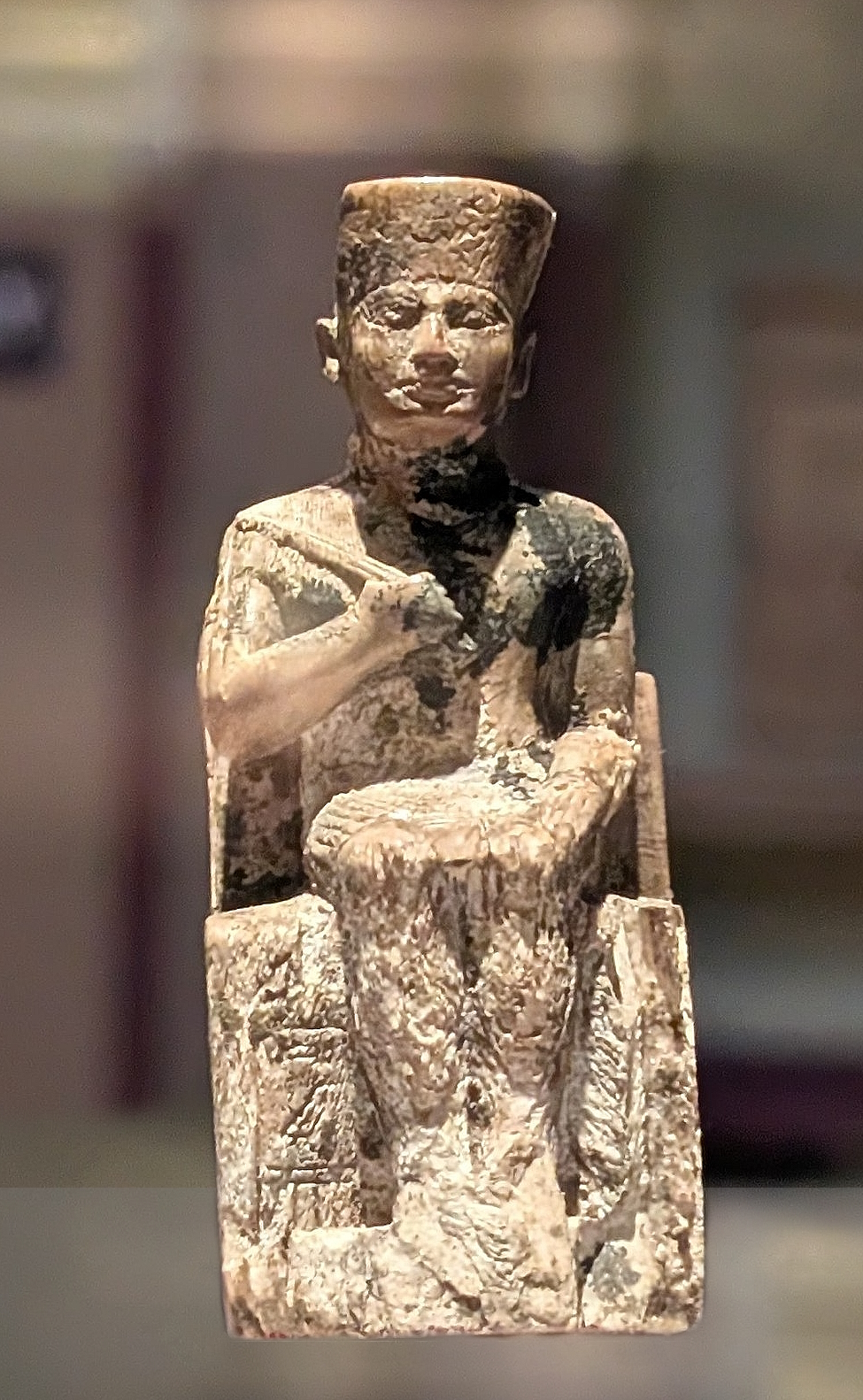
Khufu
(Khnum-Khufu)
Second Pharaoh of the Fourth Dynasty of ancient Egypt whose reign achieved the pinnacle of Old Kingdom architectural majesty through the construction of the Great Pyramid of Giza, the sole surviving Wonder of the Ancient World.
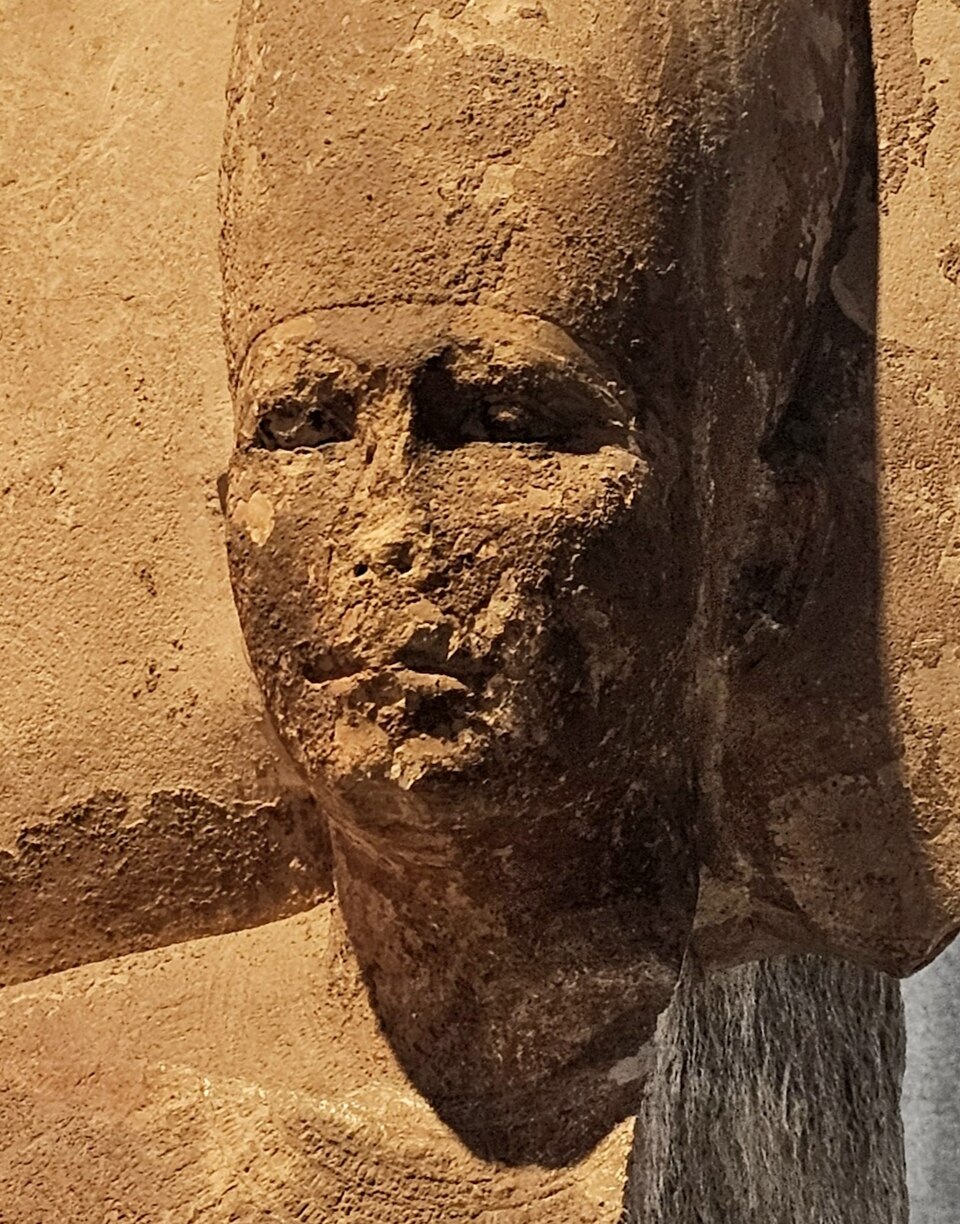
Sneferu
(Snfr-w)
Foundational Old Kingdom pharaoh and first ruler of the Fourth Dynasty who revolutionized Egyptian monumental architecture by building the Meidum Pyramid, the Bent Pyramid, and the first true smooth-sided pyramid, the Red Pyramid at Dahshur.
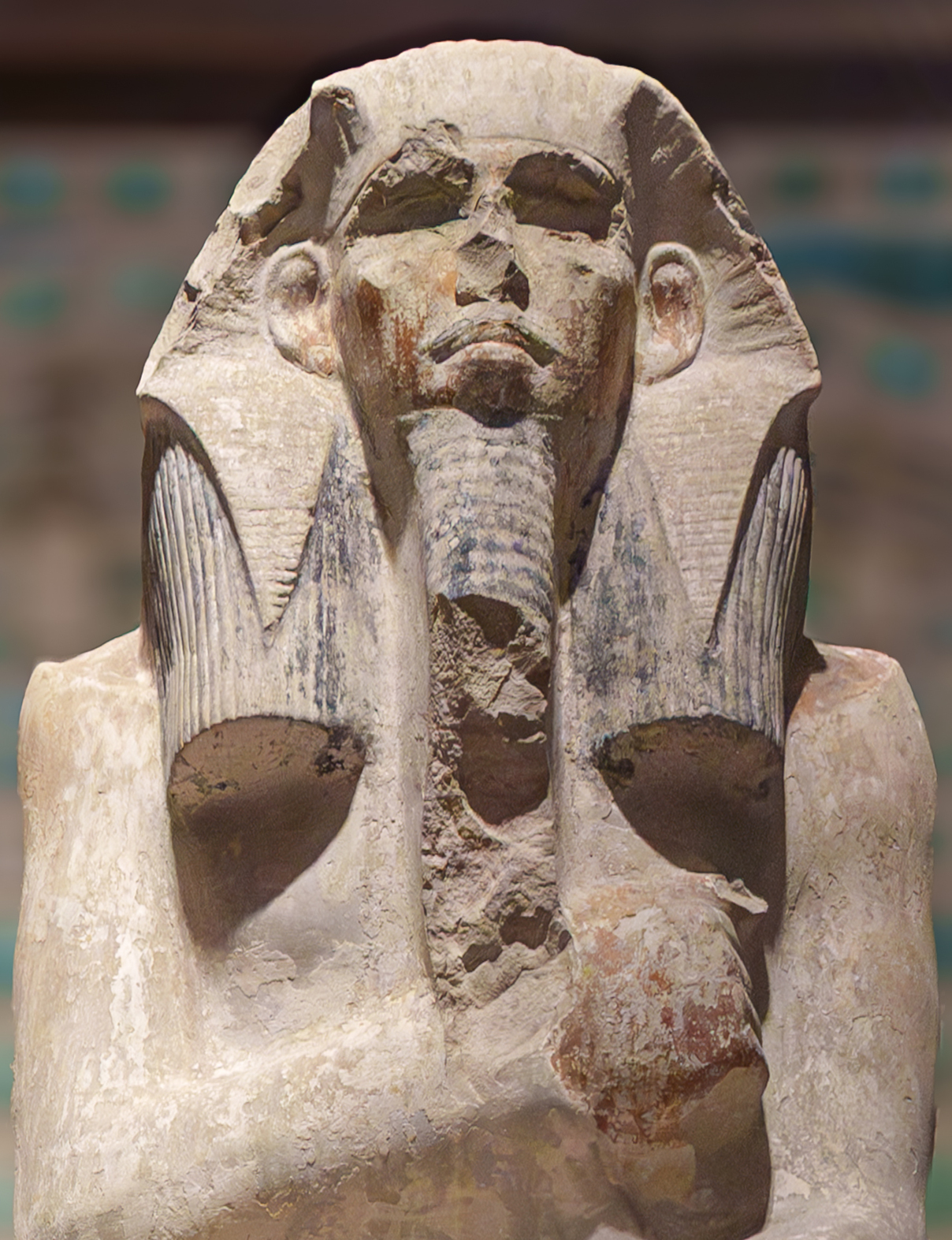
Djoser
(Netjerikhet)
Visionary Pharaoh of the Third Dynasty of Egypt's Old Kingdom who, in collaboration with his architect Imhotep, commissioned the world's first colossal monumental stone structure: the Step Pyramid at Saqqara.
Synesius of Cyrene
 (Συνέσιος)
Prominent Hellenistic Neo-Platonist philosopher, orator, and Bishop of Ptolemais whose elegant letters, hymns, and treatises formed a vital bridge between classical pagan wisdom and early Christian theology.
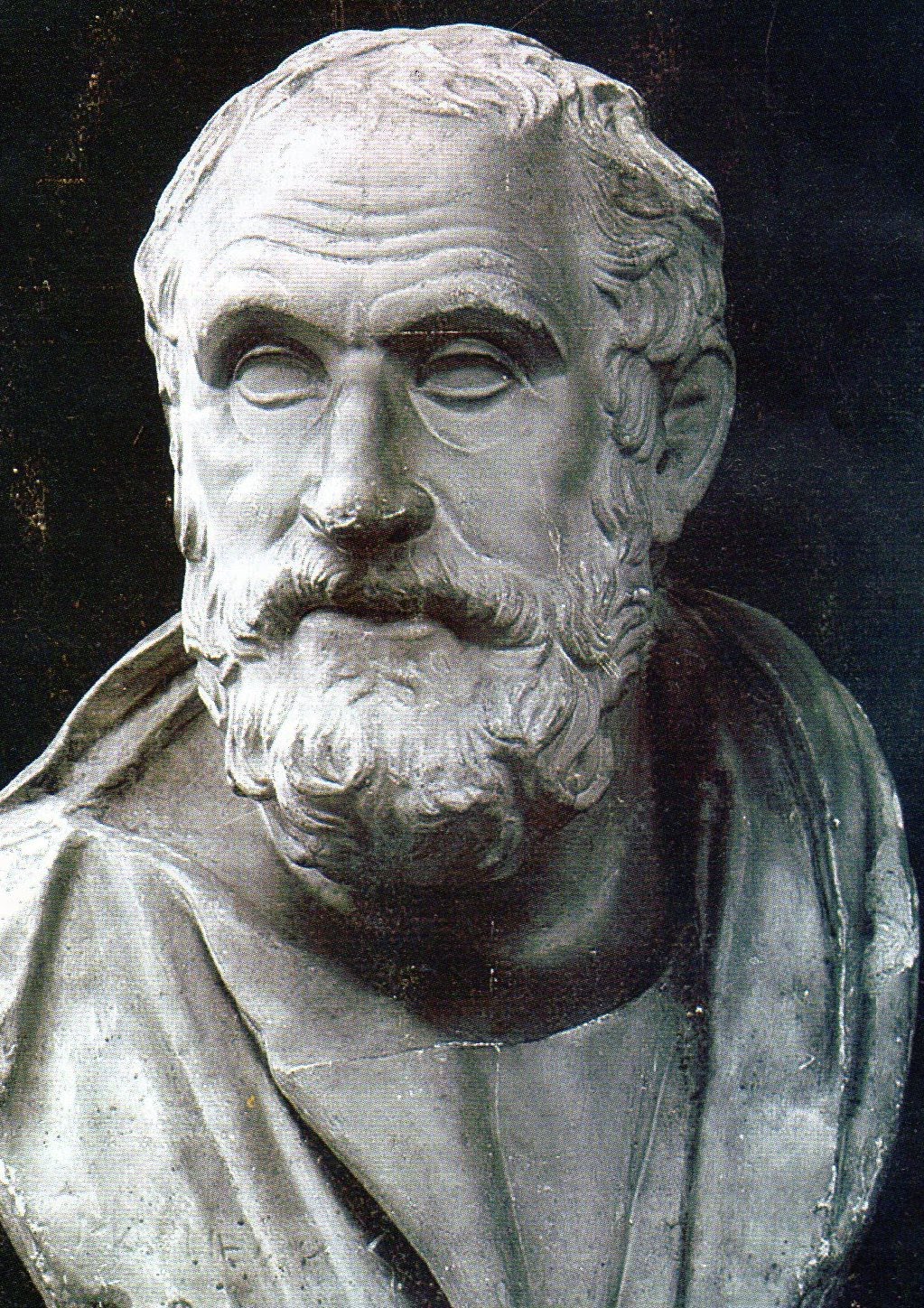
Carneades
(Καρνεάδης)
Formidable philosopher from Cyrene who became head of the Platonic Academy in Athens, renowned as the chief architect of radical Academic Skepticism and the doctrine of plausibility (pithanon).
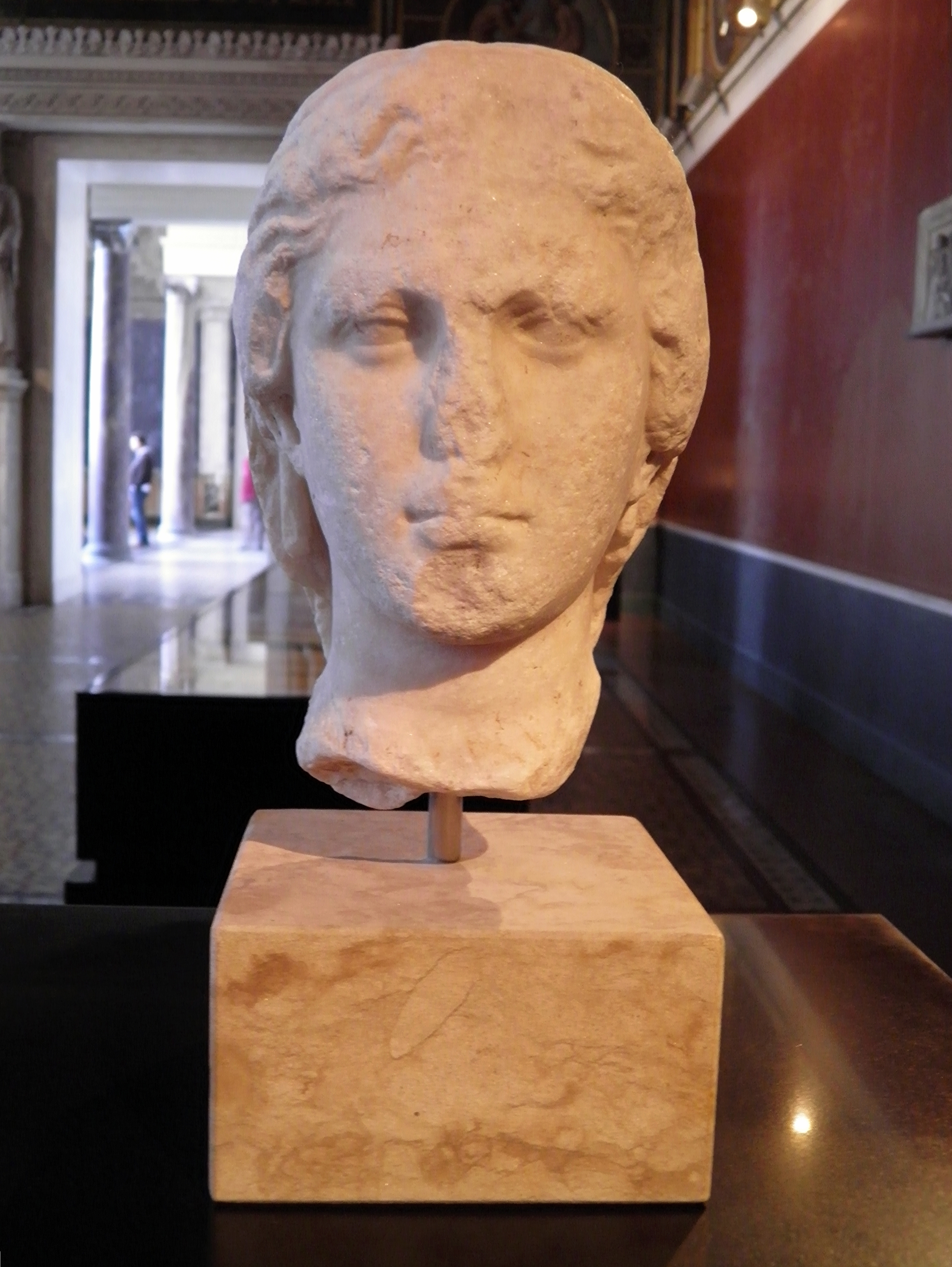
Arete of Cyrene
(Ἀρήτη)
Trailblazing ancient philosopher from Cyrene who inherited leadership of the Cyrenaic school from her father Aristippus, teaching natural philosophy and ethics to over one hundred scholars across thirty-five years.