Ibn al-Shatir
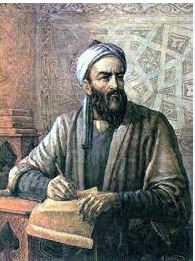
Groundbreaking 14th-century Damascene astronomer whose non-Ptolemaic planetary models were mathematically identical to those later used by Copernicus.
Start typing to search worldwide archives and community tributes
Filterable archive covering centuries of intellectual, artistic, and moral contributions to the human story.
Groundbreaking 14th-century Damascene astronomer whose non-Ptolemaic planetary models were mathematically identical to those later used by Copernicus.
Italian scholar and poet recognized as the 'Father of Humanism', whose Canzoniere established the Petrarchan sonnet and sparked the European Renaissance.
Supreme Andalusian-Moroccan polymath and Grand Vizier of Granada who authored al-Ihata fi Akhbar Gharnata, formulated the contagion theory of the Black Death, and whose poetic epigrams adorn the Alhambra.
Influential 14th-century Damascene scholar whose monumental Tafsir and universal chronicle 'Al-Bidaya wa-al-Nihaya' remain widely studied.
Illustrious Syrian scholar, historian, and student of Ibn Taymiyyah whose 'Tafsir Ibn Kathir' and historical chronicle 'Al-Bidayah wa al-Nihayah' are among the most studied in Islam.
Dynamic Marinid Sultan (1366โ1372) who crushed rebellious viziers, restored sovereign authority over Morocco and western Algeria, captured Tlemcen, and employed Ibn Khaldun as his diplomat.
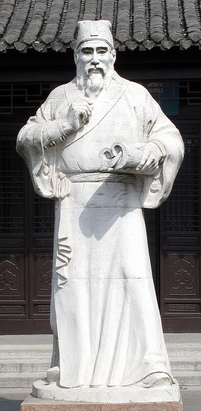
Chinese writer traditionally credited with composing Water Margin (Outlaws of the Marsh), the celebrated epic novel of righteous banditry and martial brotherhood.
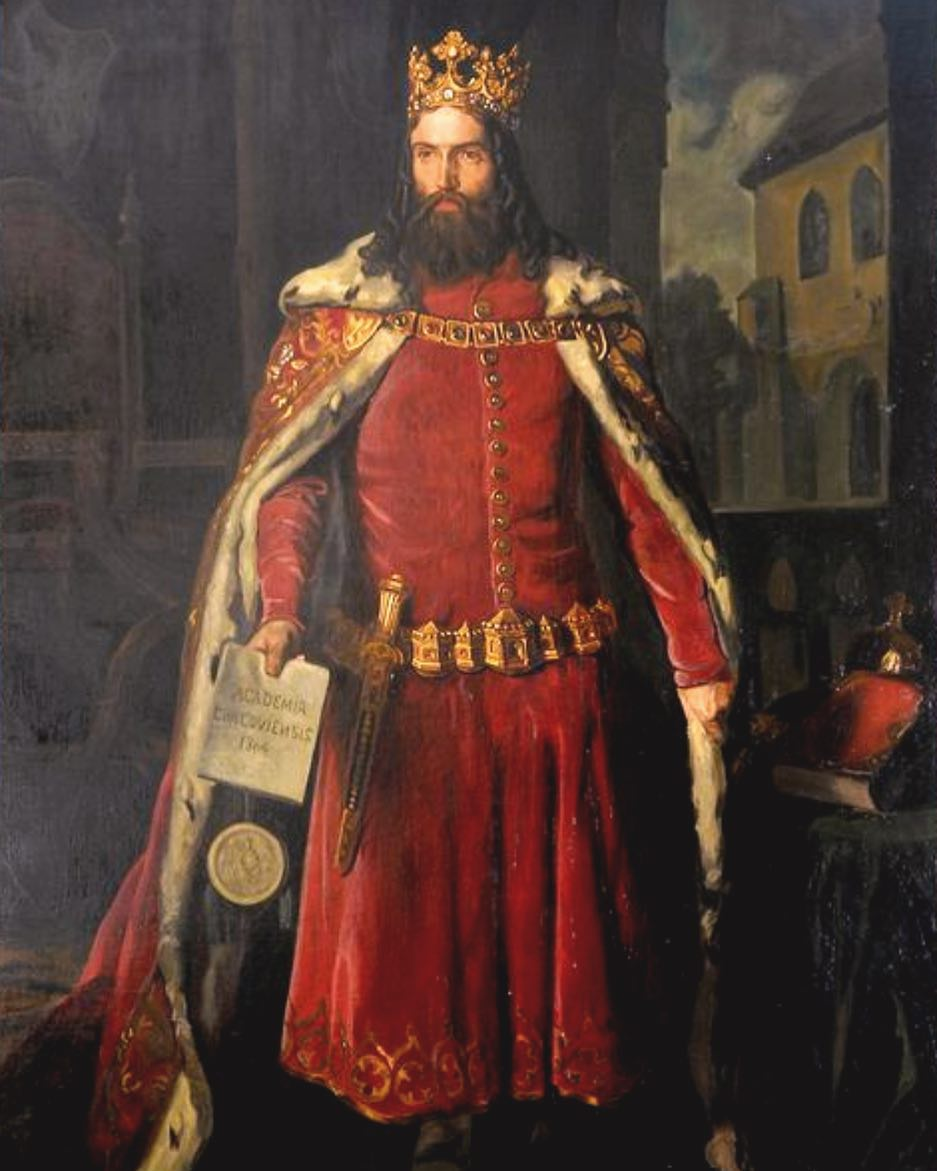
Last Piast King of Poland who doubled the country's size, founded Jagiellonian University, and protected Jewish refugees across Europe.
Brilliant 14th-century Moroccan mechanical engineer, mathematician, and astronomer who constructed the famous Dar al-Magana hydraulic water clock opposite the Bou Inania Madrasa in Fez.
Universally recognized as the greatest traveler of the pre-modern world, Ibn Battuta journeyed over 73,000 miles across Africa, the Middle East, Central Asia, India, and China, dictating the immortal Rihla.
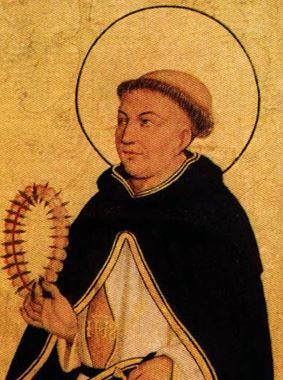
Rhineland Dominican mystic and poet of Eternal Wisdom whose 'Little Book of Eternal Wisdom' was the most widely read devotional manual in Europe before the Imitation of Christ.
Venerated 14th-century Maliki jurist and theological grandmaster of Fez, trusted advisor to Marinid sultans Abu al-Hasan and Abu Inan Faris.
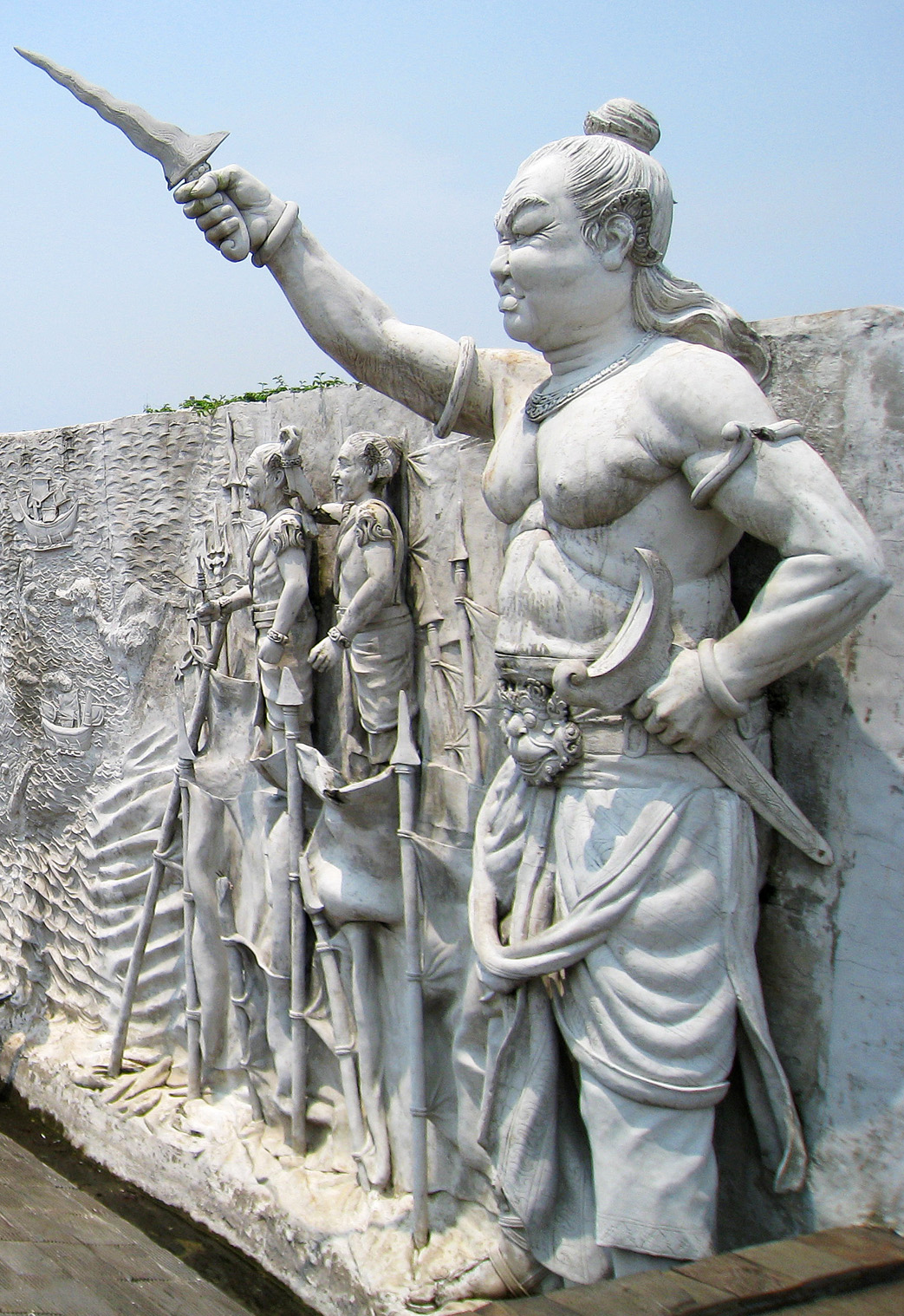
Legendary prime minister (Mahapatih) of the Majapahit Empire who took the famous Sumpah Palapa (Palapa Oath) in 1336, vowing to taste no earthly pleasures until unifying the Nusantara archipelago.
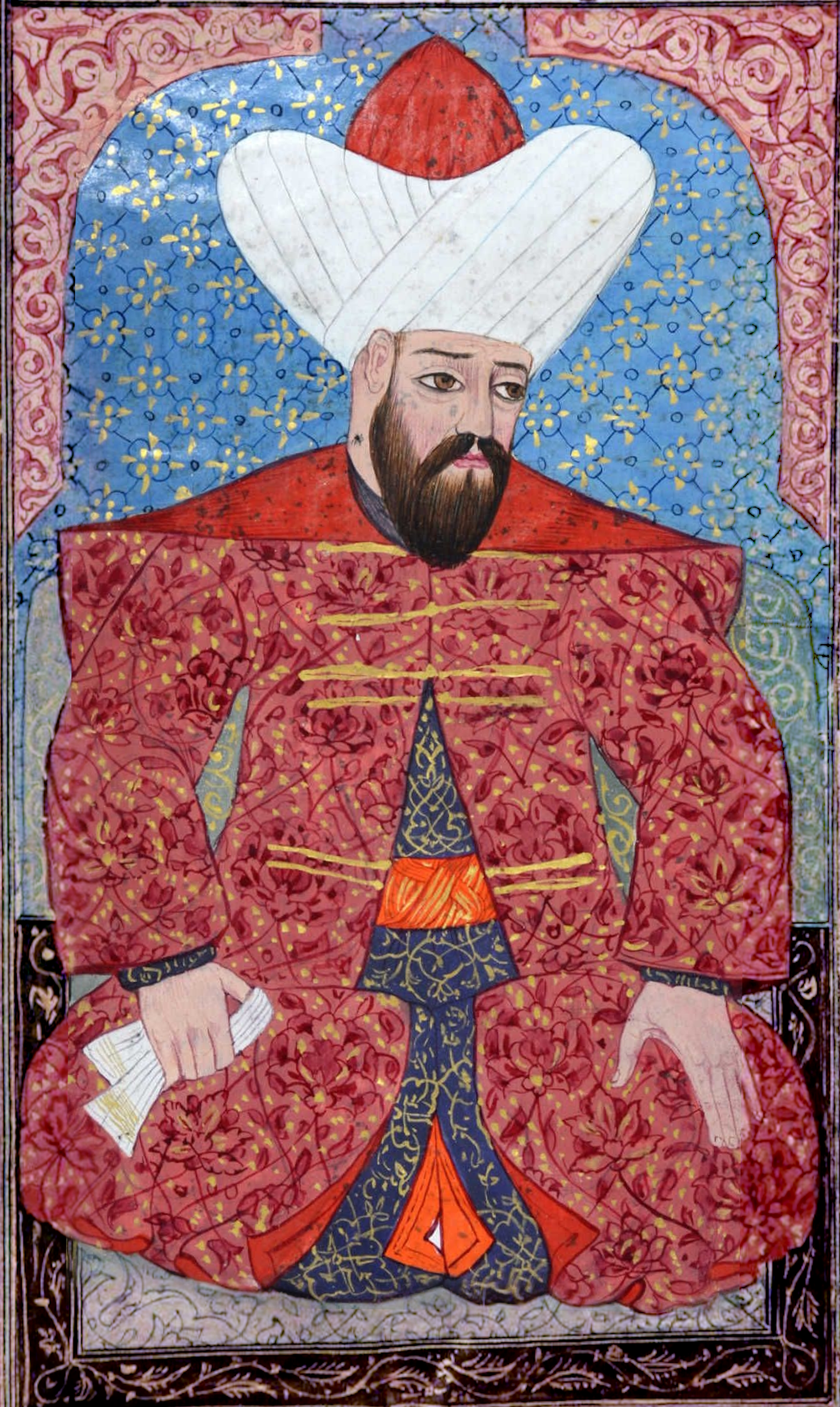
Second ruler of the Ottoman dynasty who captured Bursa, Nicaea, and Nicomedia, established the first Ottoman standing army (Janissaries), and crossed into Europe at Gallipoli in 1354.
Marinid Sultan (1359โ1361), refined poet and patron who appointed Ibn Khaldun as Chancellor of the Royal Signet (Katib al-Alama) in Fez.
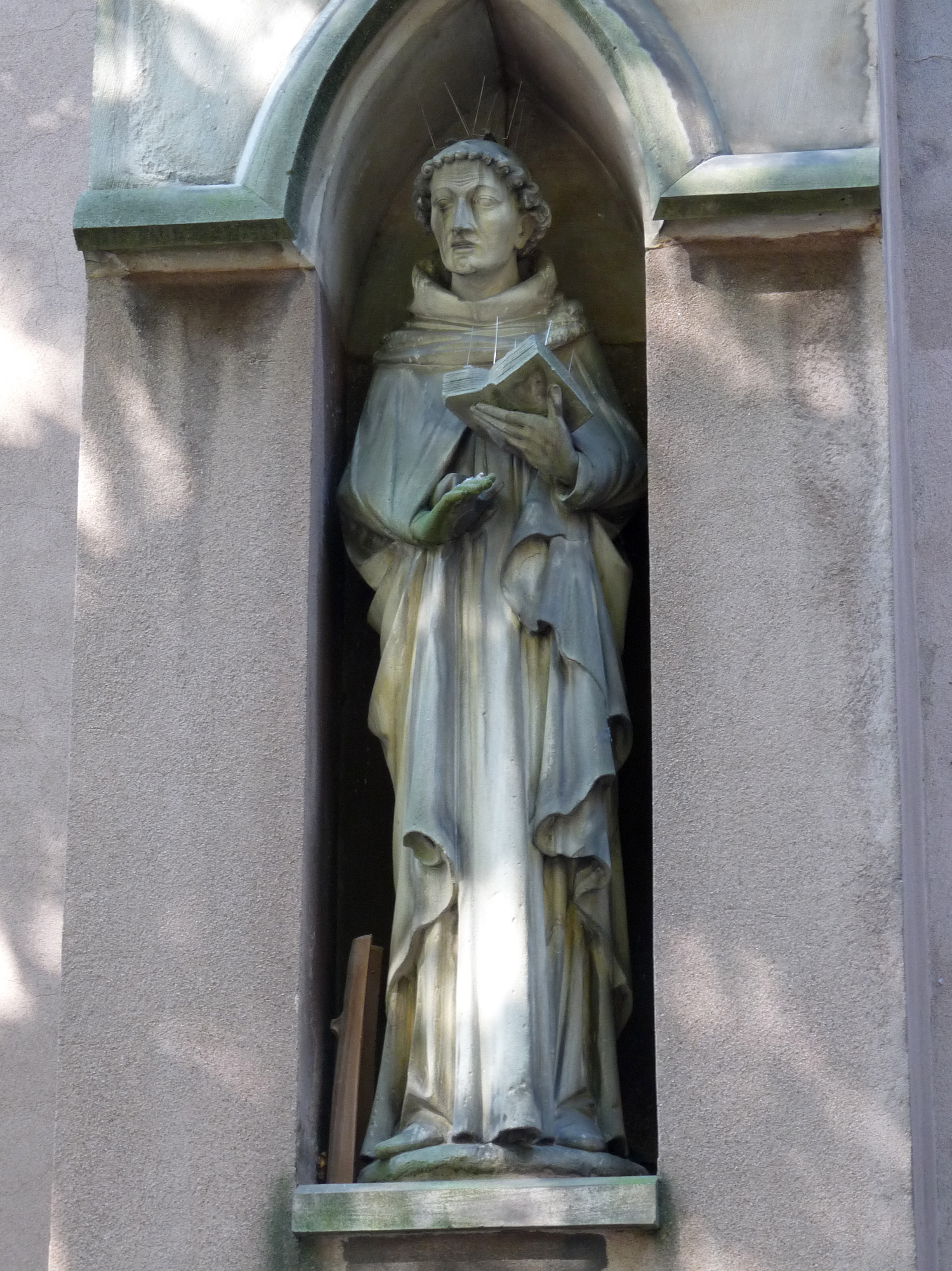
Rhineland mystic, Dominican friar, and supreme preacher of the 'Friends of God' whose vernacular sermons inspired Martin Luther and guided souls during the Black Death.
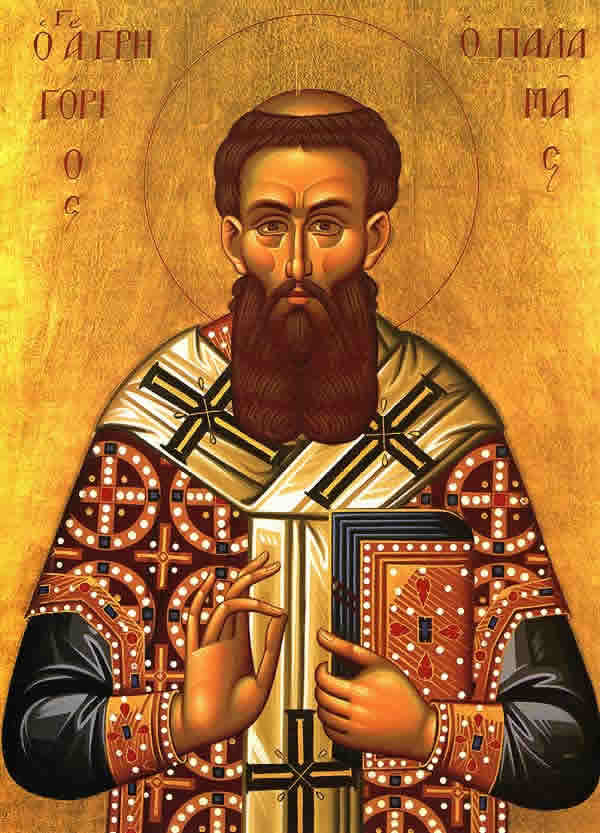
Archbishop of Thessaloniki and foremost theologian of Hesychasm who articulated the distinction between God's unknowable divine essence and uncreated divine energies.
Great Marinid Sultan of Morocco who unified the Maghreb under Moroccan rule, built the architectural marvels of the Bou Inania Madrasas in Fez and Meknes, and commissioned Ibn Battuta's travelogue.