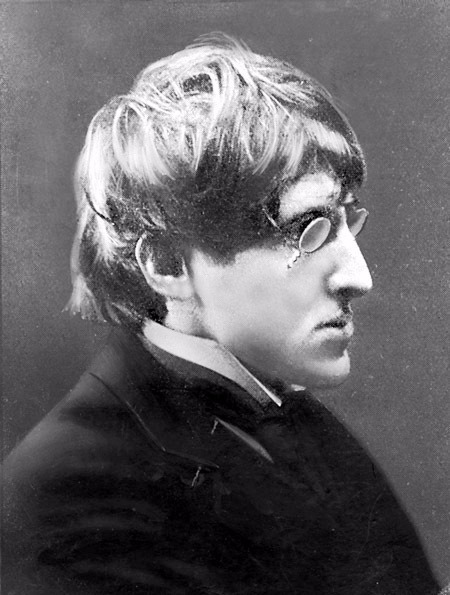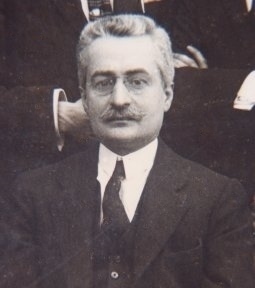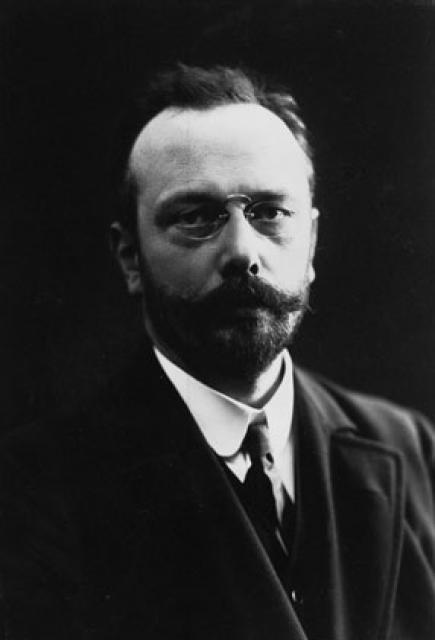
Johannes Fibiger
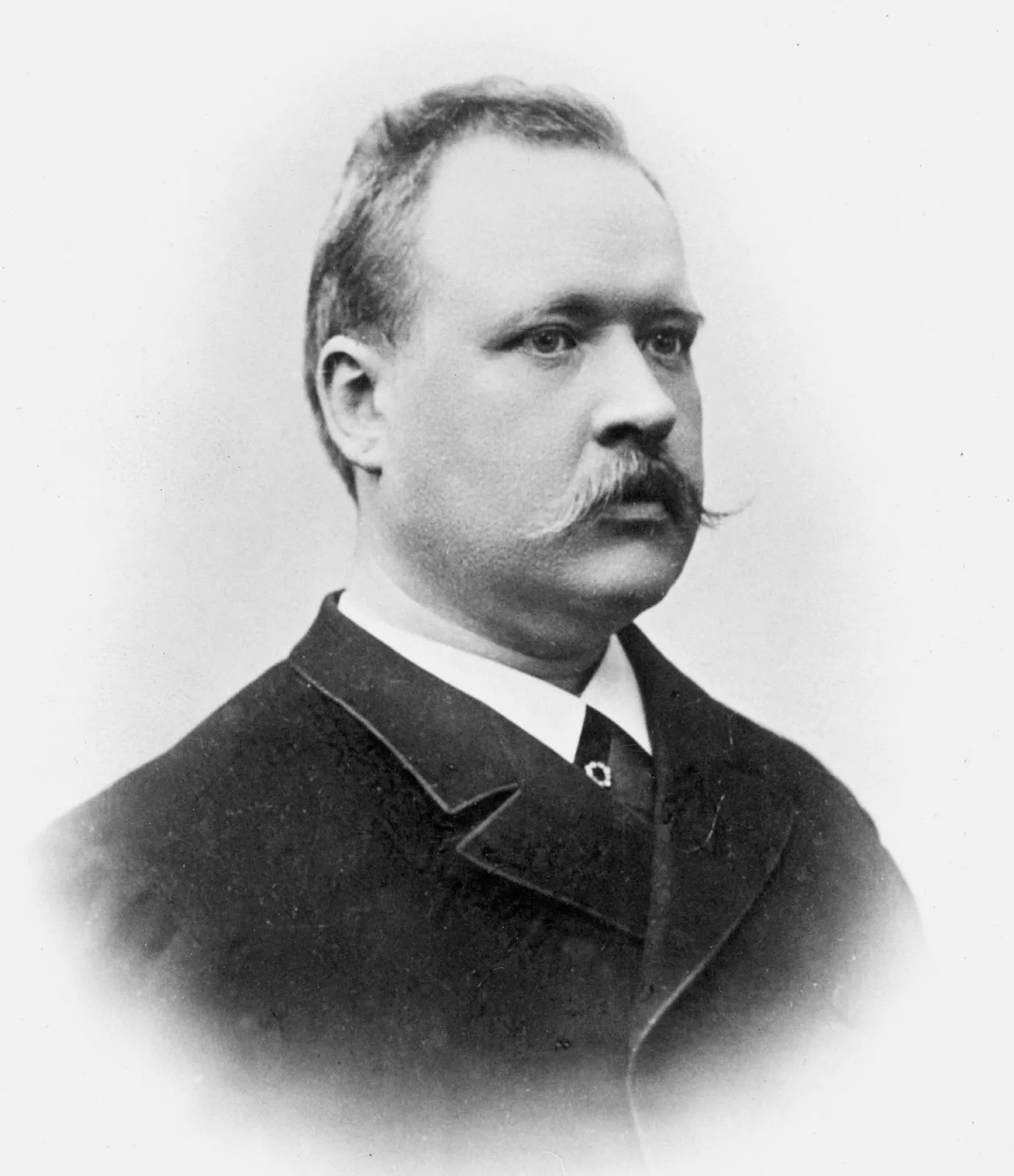
Eminent Danish pathologist awarded the 1926 Nobel Prize in Physiology or Medicine for his pioneering experimental research demonstrating that environmental parasites can induce carcinomas.
Start typing to search worldwide archives and community tributes
Filterable archive covering centuries of intellectual, artistic, and moral contributions to the human story.
Eminent Danish pathologist awarded the 1926 Nobel Prize in Physiology or Medicine for his pioneering experimental research demonstrating that environmental parasites can induce carcinomas.
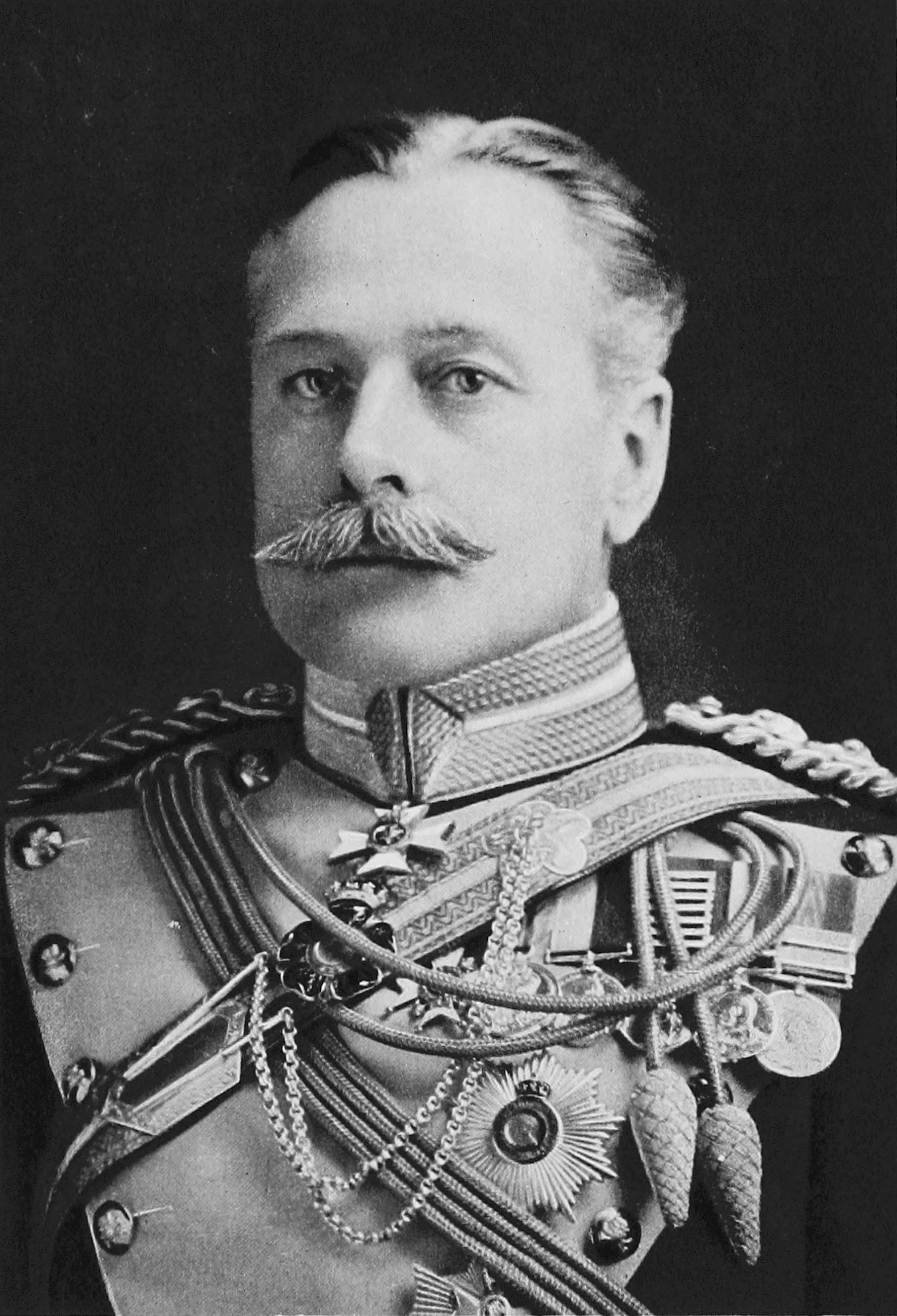
Commander-in-Chief of the British Expeditionary Force on the Western Front from 1915 to 1919 who directed the Hundred Days Offensive that won World War I.
Distinctive Norwegian painter and innovative printmaker who immortalized the lush, mystical landscapes and Midsummer bonfires of Jølster in Western Norway.
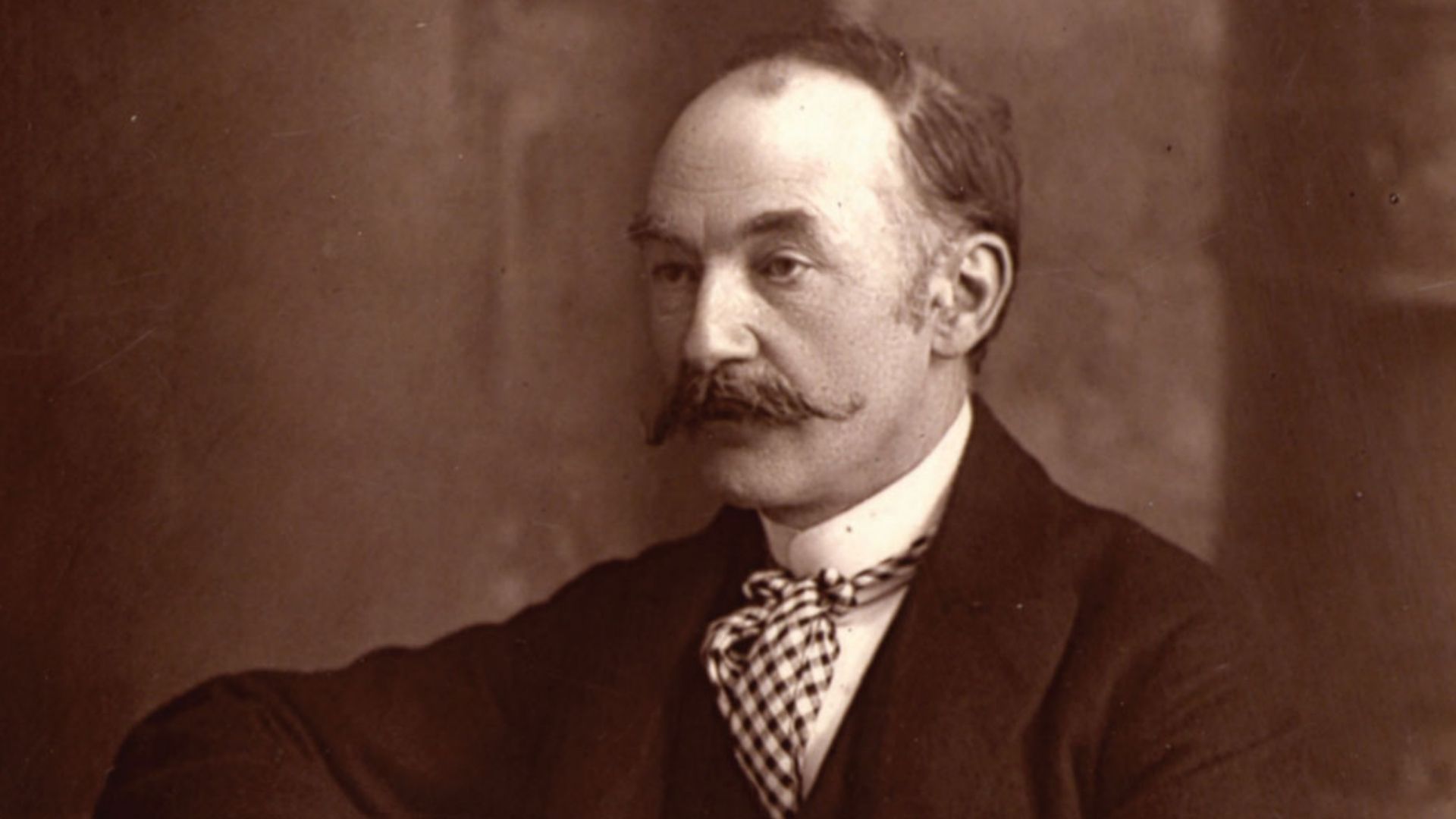
Victorian realist novelist and lyric poet whose tragic Wessex novels, including Tess of the d'Urbervilles and Jude the Obscure, challenged Victorian social morality.
Revolutionary freedom fighter and Urdu poet of the HSRA who symbolized Hindu-Muslim unity in the struggle against British imperialism alongside Ram Prasad Bismil.
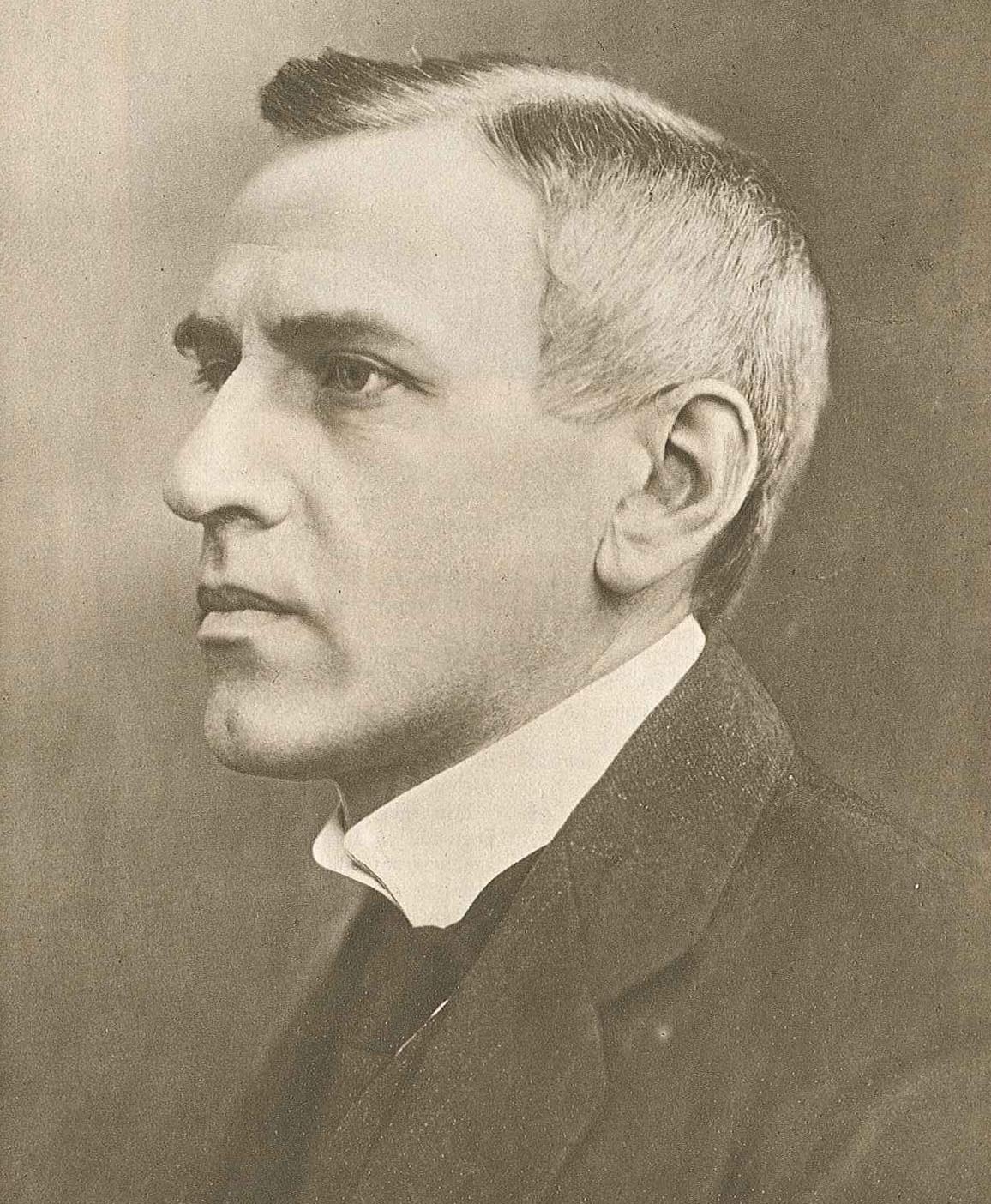
Master composer and concert pianist who led the Gothenburg Symphony Orchestra and composed the Serenade in F major and Symphony No. 2, synthesizing Nordic melody with classical counterpoint.
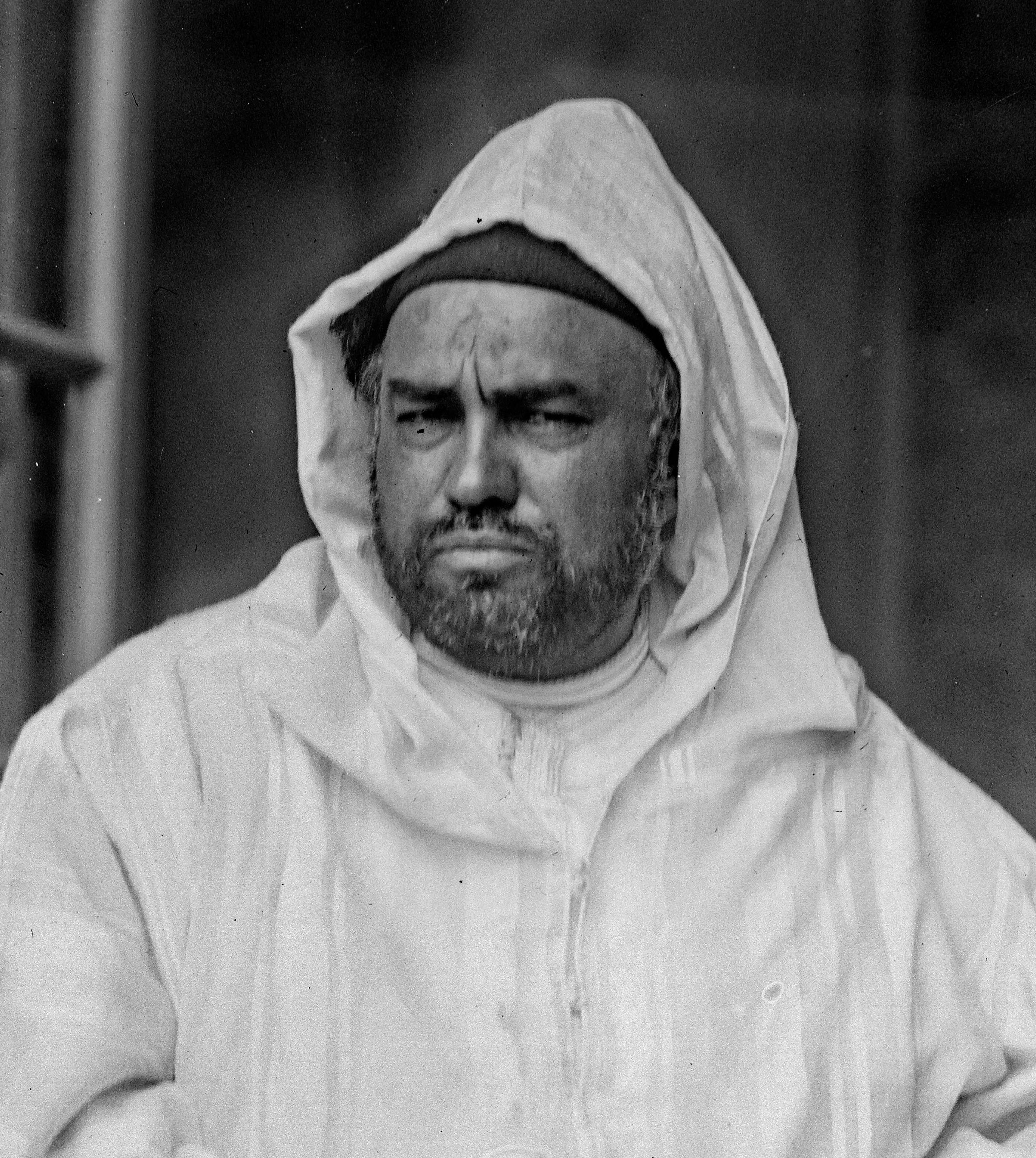
Alaouite Sultan of Morocco from 1912 to 1927 whose calm, dignified leadership preserved the Alaouite monarchy during the turbulent Rif War and who inaugurated the Grand Mosque of Paris in 1926.
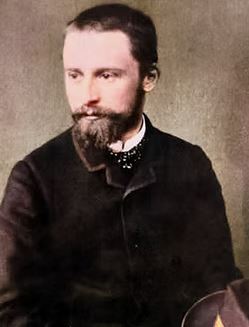
French painter and leader of Les Nabis who painted 'The Talisman' on a cigar box lid under Paul Gauguin's direct instruction at Pont-Aven, igniting the Nabis movement.
Swedish Nobel laureate who founded physical chemistry with his theory of electrolytic dissociation and first quantified CO2 global warming.
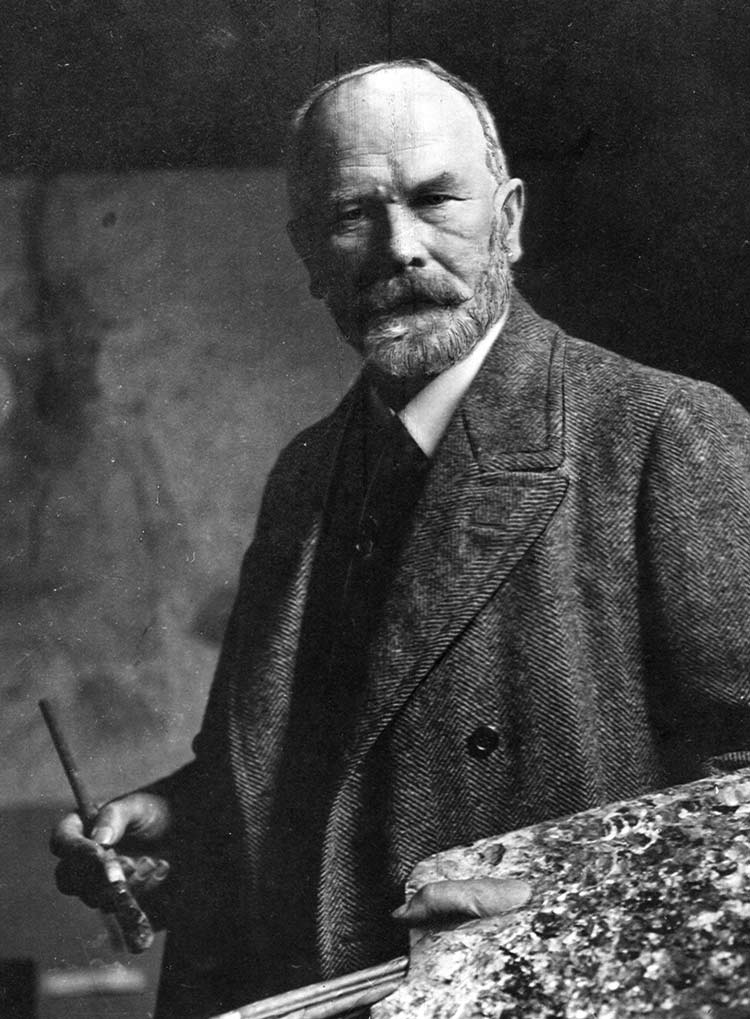
Distinguished Danish realist painter who co-founded the Skagen artists' colony and immortalized the heroic struggles and life-saving rescue crews of Danish North Sea fishermen.
Legendary military commander and fedaie leader who defended Armenian civilian populations against Ottoman forces and led volunteer divisions in the Caucasus during World War I.
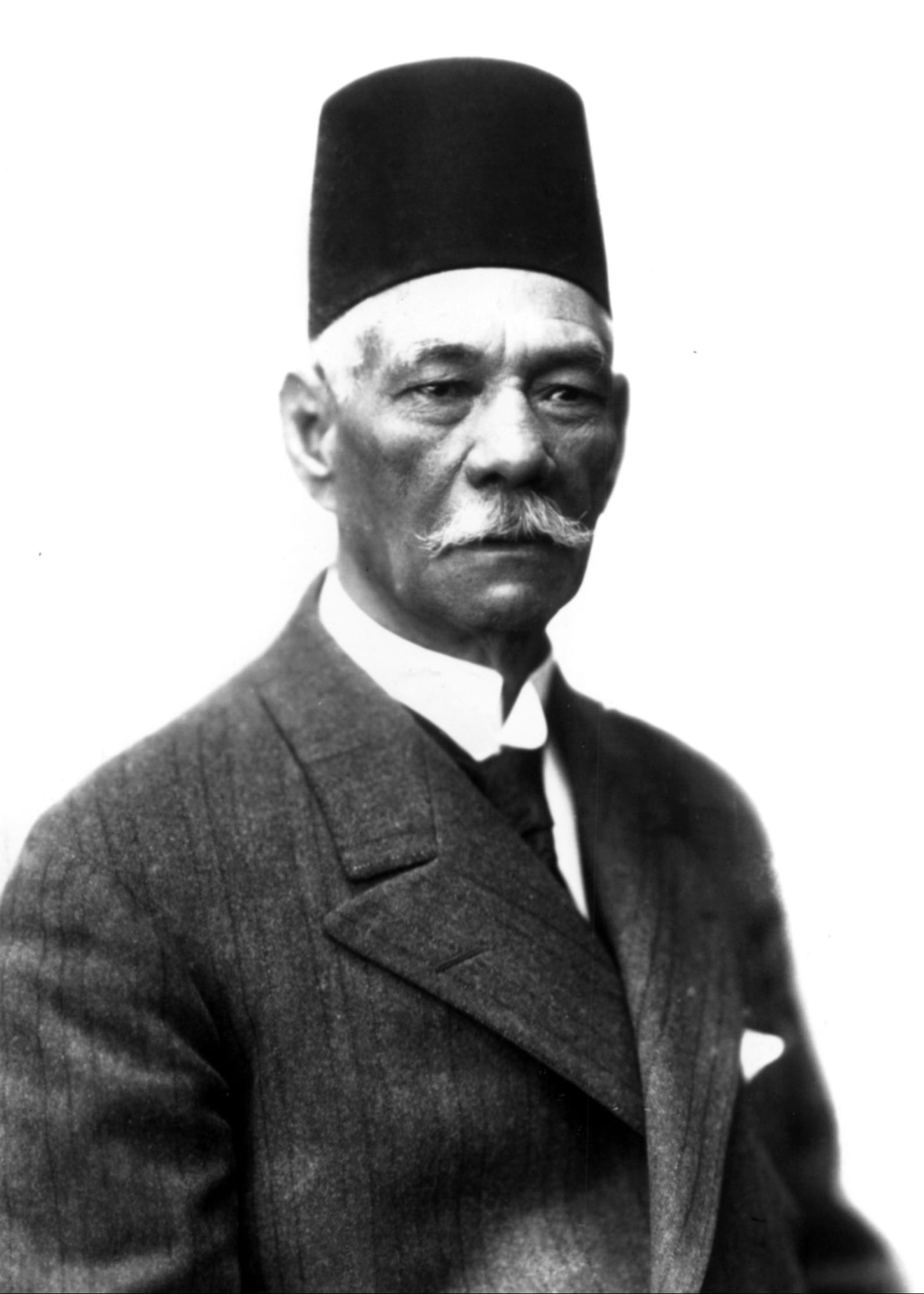
Leader of the Egyptian Revolution of 1919, founder of the Wafd Party, and Prime Minister revered across Egypt as 'Za'im al-Ummah' (Leader of the Nation).
Foremost poet of the Icelandic diaspora known as 'The Sleepless Poet' (Klettafjallaskáldið) who homesteaded in Alberta, Canada, and penned the monumental six-volume poetic cycle Andvökur.
Visionary Ghanaian educator and philosopher who co-founded Achimota College and formulated the famous parable of the black and white piano keys playing harmony together.
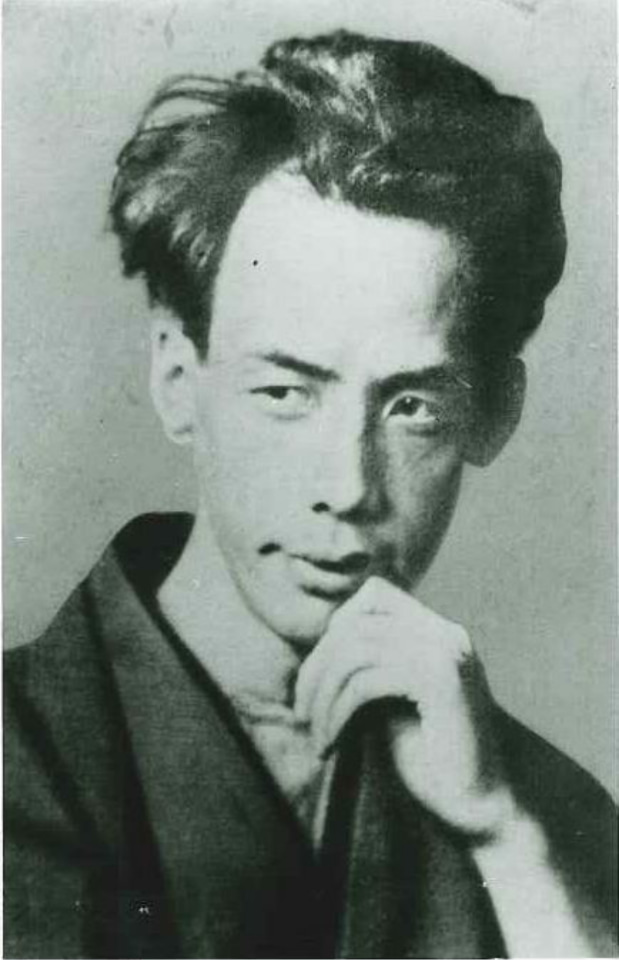
Master of the Japanese modern short story whose Rashōmon and In a Bamboo Grove pioneered subjective multi-perspective storytelling and inspired Akira Kurosawa's classic film.
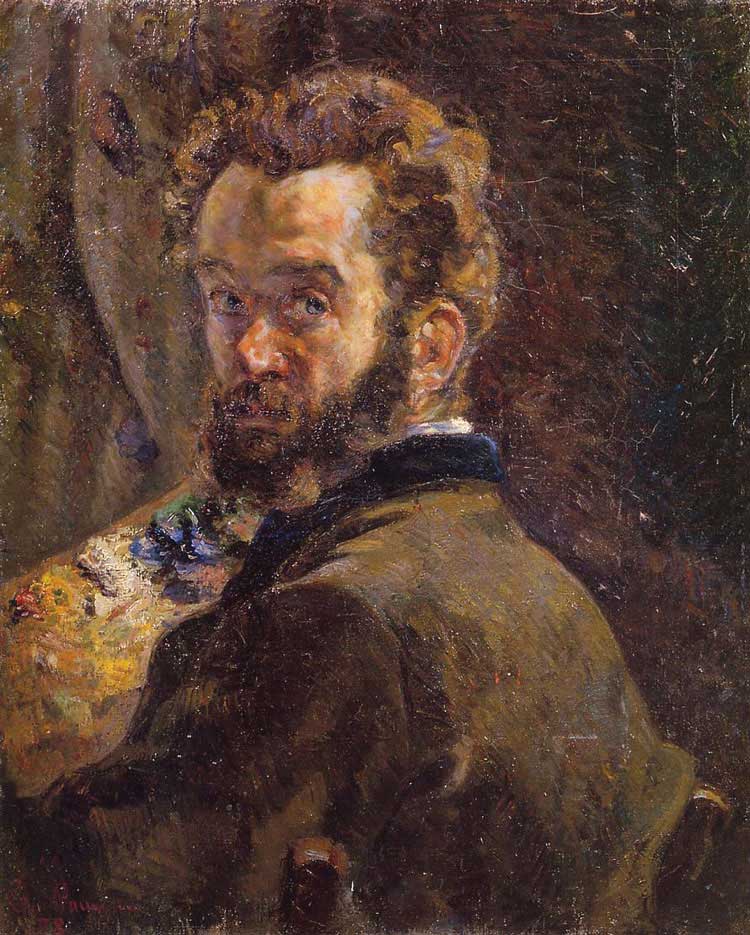
Core French Impressionist painter who participated in six Impressionist exhibitions, celebrated for his intense, saturated color palettes of the Creuse valleys and Parisian quays.
Third-highest scoring French fighter ace of World War I with 43 confirmed victories who flew with a macabre skull-and-coffin insignia, and vanished in the North Atlantic in May 1927 attempting the first Paris-to-New York flight in L'Oiseau Blanc.
Médecin chef et biochimiste napolitain, canonisé comme saint laïc, surnommé le « Médecin des pauvres » pour ses soins gratuits et ses aumônes discrètes.