 Empire of Japan
•
4 views
Empire of Japan
•
4 views
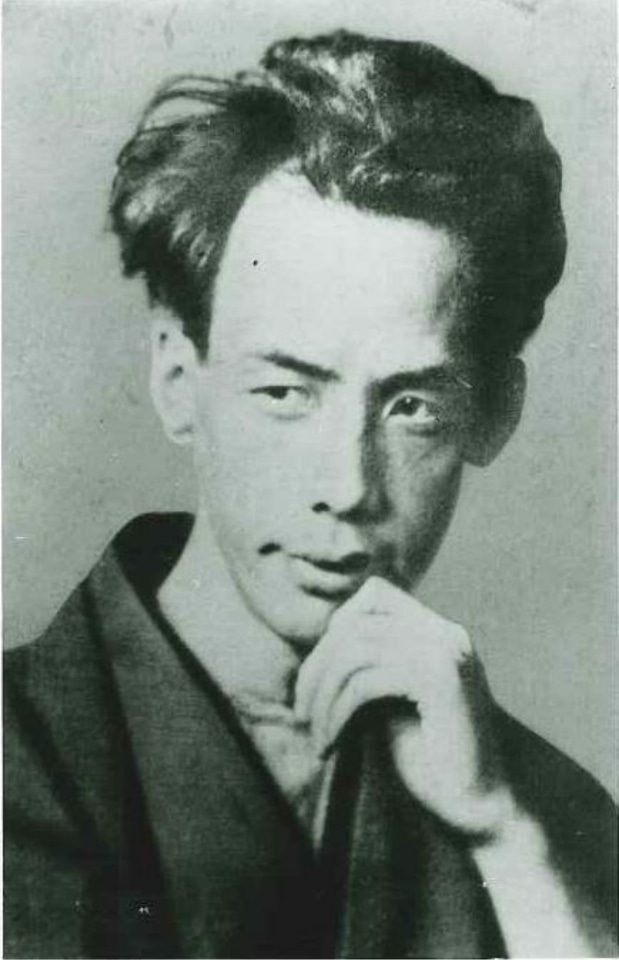
Ryūnosuke Akutagawa

Tokyo, Empire of Japan
Archival Overview
Master of the Japanese modern short story whose Rashōmon and In a Bamboo Grove pioneered subjective multi-perspective storytelling and inspired Akira Kurosawa's classic film.
Biographical Record
Ryūnosuke Akutagawa (1892–1927) was a Japanese writer of the Taishō period revered as the 'Father of the Japanese Short Story'. Born in Tokyo, he was mentored by Natsume Sōseki after his story The Nose received glowing praise. Drawing upon ancient Japanese tales from the Konjaku Monogatarishū, Akutagawa reinterpreted classical folklore through modern Western psychological realism.
His celebrated stories Rashōmon (1915) and In a Bamboo Grove (1922)—in which witnesses, victims, and killers provide mutually contradictory accounts of a murder—formed the basis for Akira Kurosawa's groundbreaking 1950 film Rashomon and gave rise to the 'Rashomon effect'. Plagued by declining health and nervous dread, Akutagawa died by suicide at thirty-five; in 1935, Japan's most prestigious literary honor, the Akutagawa Prize, was established in his memory.
Key Life Milestones
Rashōmon Published
Published Rashōmon in Teikoku Bungaku, exploring the desperate struggle for survival amid moral decay at Kyoto's ruined southern gate.
Akutagawa Prize Established
Posthumously honored by Kan Kikuchi who created the Akutagawa Prize, which remains Japan's most prestigious award for new writers.
Memorial Guestbook & Tributes
0 messages recordedLeave a Respectful Tribute
Final Resting Place
Perpetual MemorialSugamo (Tokyo), Japan