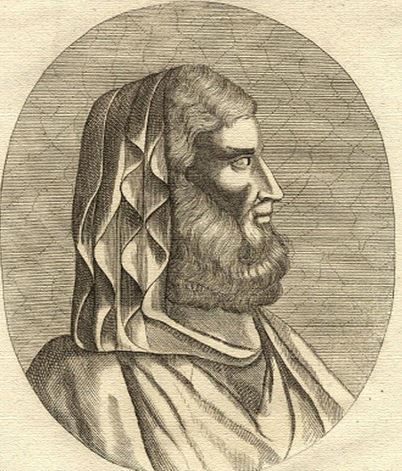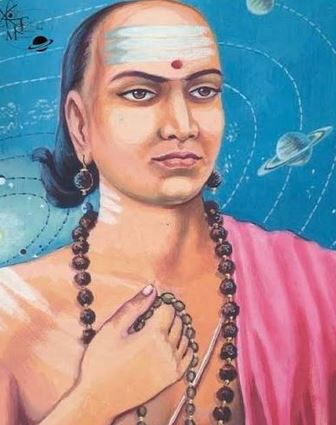
Varahamihira
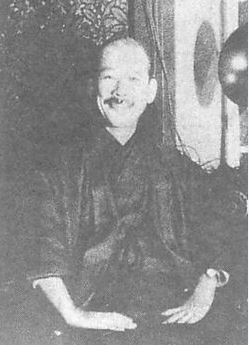
One of the 'Nine Jewels' (Navaratnas) of King Yashodharman's court, who compiled the Panchasiddhantika and Brihat Samhita, pioneering trigonometry, hydrology, and optics.
Start typing to search worldwide archives and community tributes
Filterable archive covering centuries of intellectual, artistic, and moral contributions to the human story.
One of the 'Nine Jewels' (Navaratnas) of King Yashodharman's court, who compiled the Panchasiddhantika and Brihat Samhita, pioneering trigonometry, hydrology, and optics.
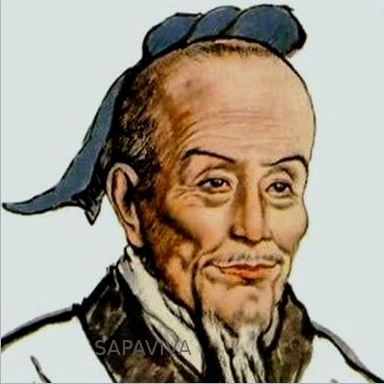
Chinese mathematician and astronomer who calculated Pi between 3.1415926 and 3.1415927โa world precision record that stood unbroken for nine centuriesโand reformed the imperial calendar.
Han Dynasty polymath who invented the world's first seismoscope for detecting earthquakes, built the first water-powered celestial armillary sphere, and calculated Pi as sqrt(10).
Almoravid urban magistrate whose 12th-century treatise on municipal governance ('Risala fi al-Hisba') is an indispensable primary source for medieval urban sociology and commerce.
Master architect and hydraulic engineer who designed the famous Almoravid Koubba (Koubba Ba'adiyin) in Marrakech in 1117, the sole surviving Almoravid monument in the city.
Pioneering 11th-century Moroccan physician of Fez who served as personal doctor to Sultan Yusuf ibn Tashfin and authored clinical medical compendiums.
14th-century astronomer and mathematician of Tlemcen who constructed precision astrolabes and solar sundials for the Zayyanid court.
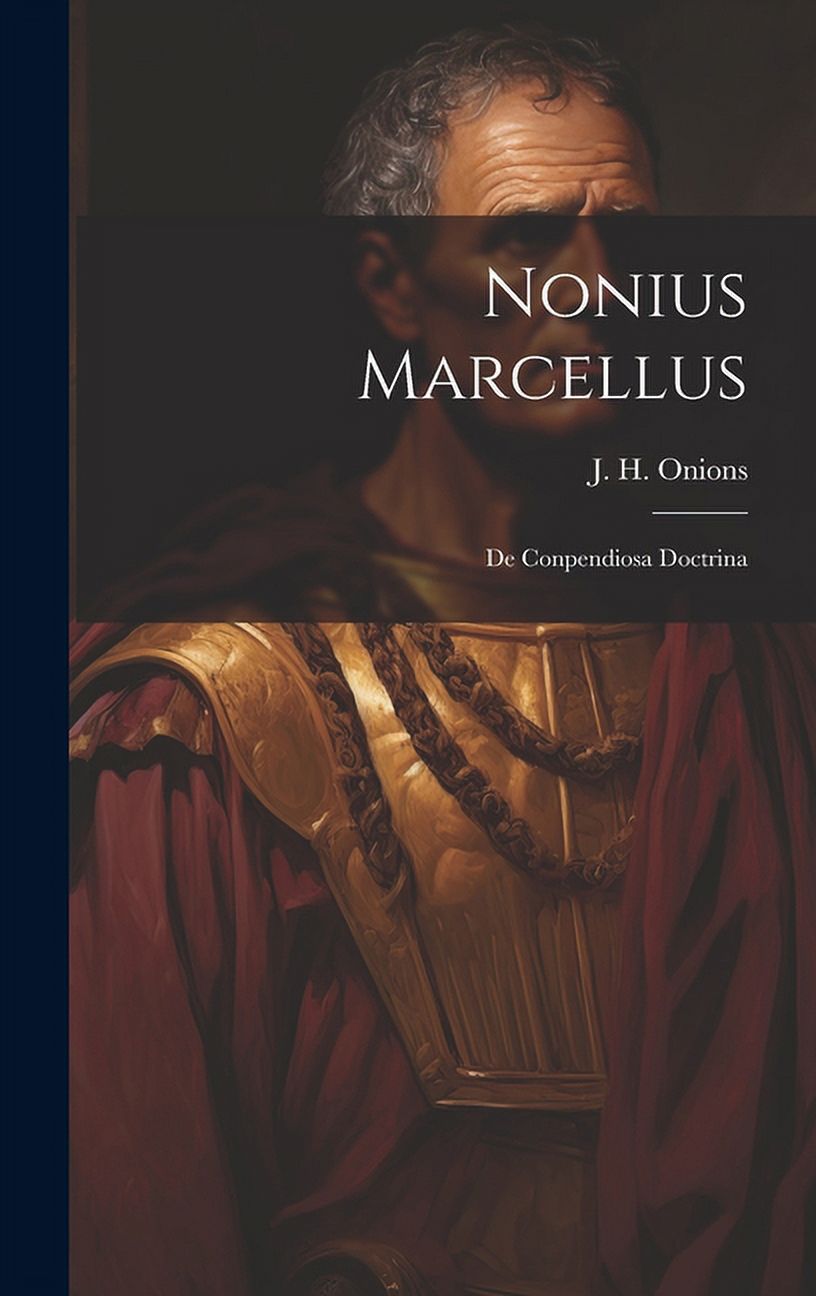
Renowned 4th-century lexicographer and scholar from Khemissa (Souk Ahras), whose dictionary 'De Compendiosa Doctrina' preserved precious lost classical literature.
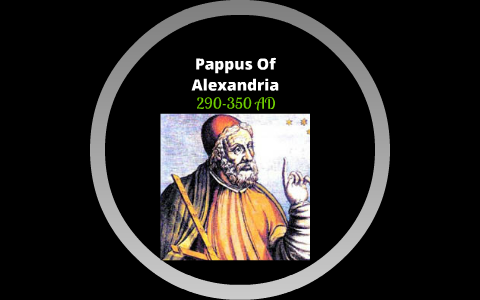
Last of the great classical Greek geometers of Alexandria, whose 8-book Synagoge (Collection) preserved the lost treasures of ancient Euclidean geometry, conic sections, and projective mechanics.
Greco-Egyptian mathematician in Roman Alexandria hailed as the 'Father of Algebra', whose masterwork Arithmetica introduced symbolic algebraic notation and Diophantine equations that inspired Fermat.
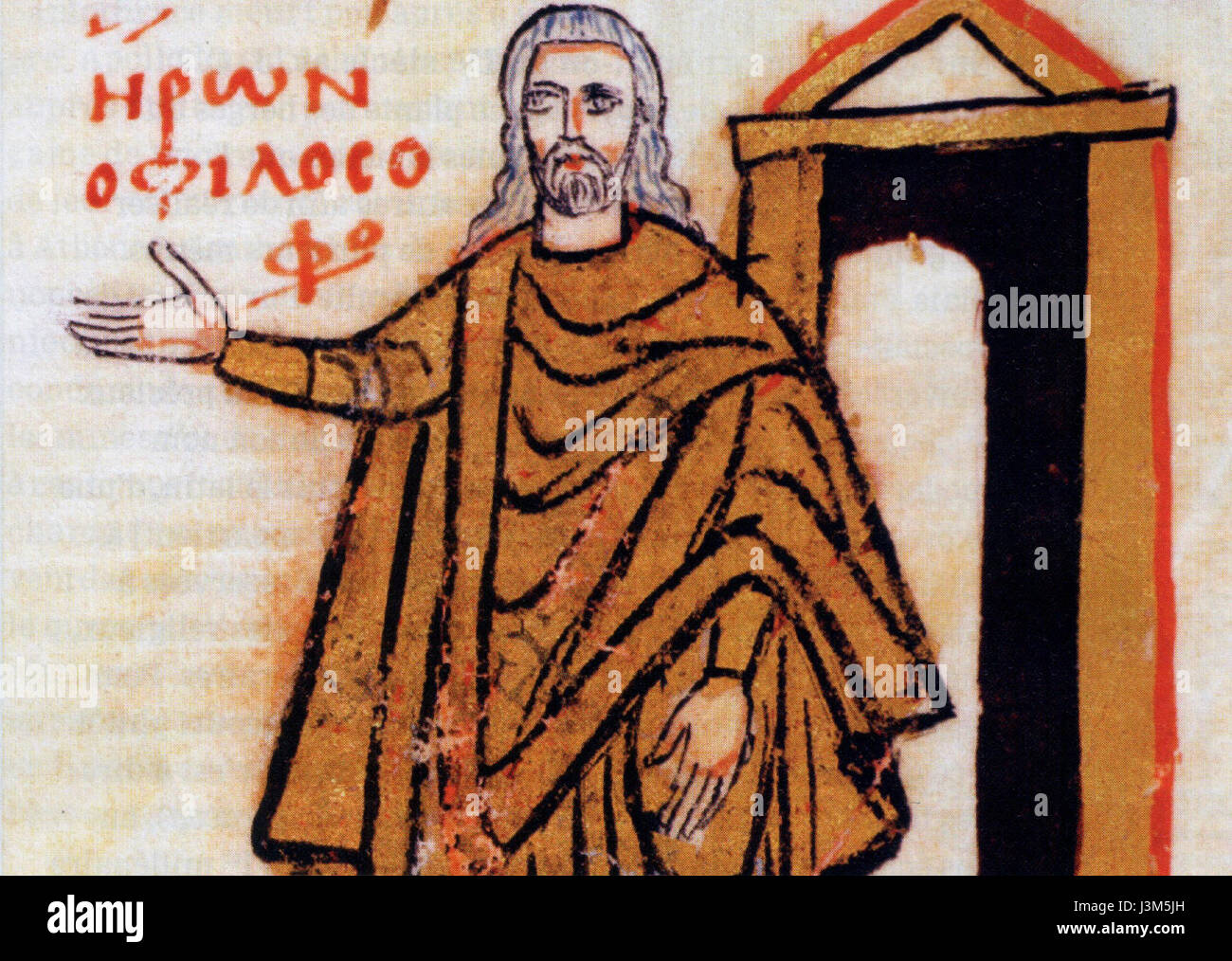
Brilliant 1st-century Greco-Egyptian engineer and geometer in Roman Alexandria who invented the aeolipile (the world's first steam turbine), the windwheel, automatic vending machines, and programmable theater robots.
Master hydraulic engineer and architect who conceived and constructed the monumental Aghlabid Basins of Kairouan in 862 CE, the largest open hydraulic system of the pre-modern world.
Daring 5th-century BCE Carthaginian explorer and naval commander who led the first recorded maritime voyage into the Atlantic Ocean along the coasts of Portugal, Brittany, and Britain.
6th-century Alexandrian Greek merchant voyager whose sea journeys across the Red Sea, the Horn of Africa (Aksum), India, and Sri Lanka produced the Christian Topography.
Master royal architect, astronomer, and confidant to Queen Hatshepsut who designed the architectural wonder of Deir el-Bahari and the earliest known celestial star map in world history.
Master architect and sage to Pharaoh Amenhotep III who designed the Colossi of Memnon and the Luxor Temple complex, worshipped for a millennium as a patron god of medicine and wisdom.
Master Carthaginian agricultural scientist whose 28-volume farming encyclopedia was so revered that the Roman Senate ordered it translated into Latin as the sole Carthaginian work preserved after the destruction of 146 BCE.
Brilliant inventor and mathematician of Hellenistic Alexandria who founded the science of pneumatics and hydraulics, celebrated for inventing the water organ (hydraulis), the force pump, and precision water clocks.