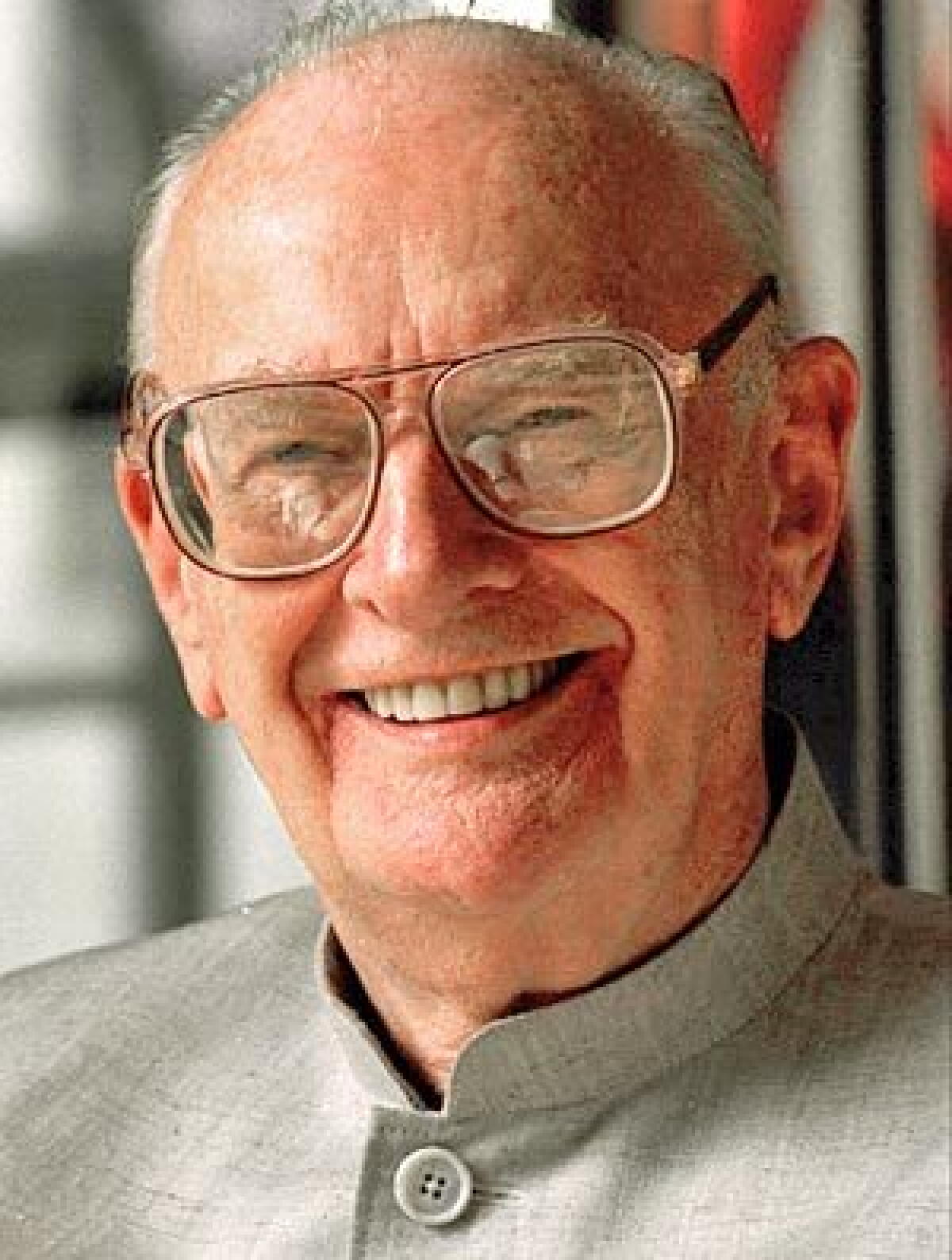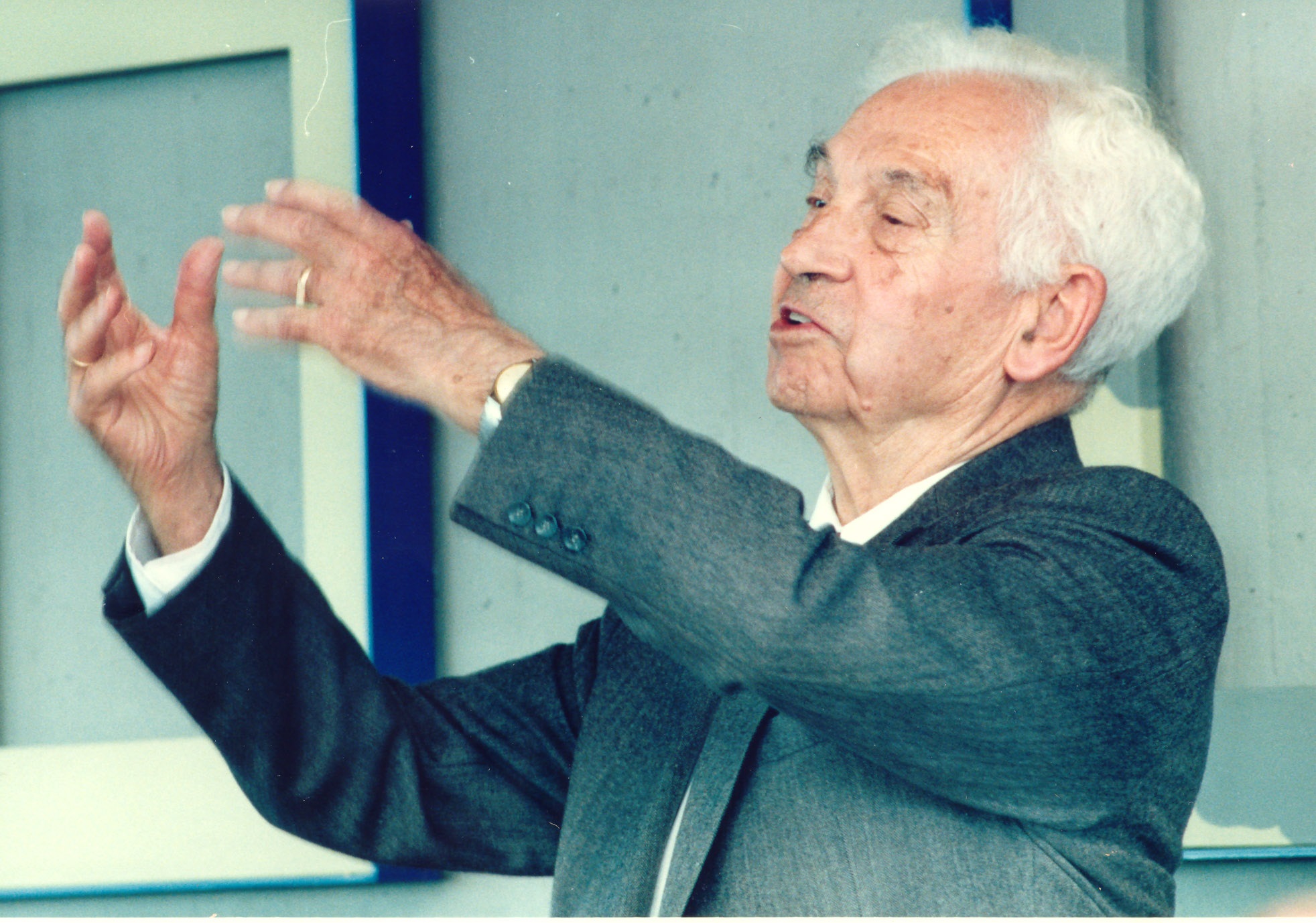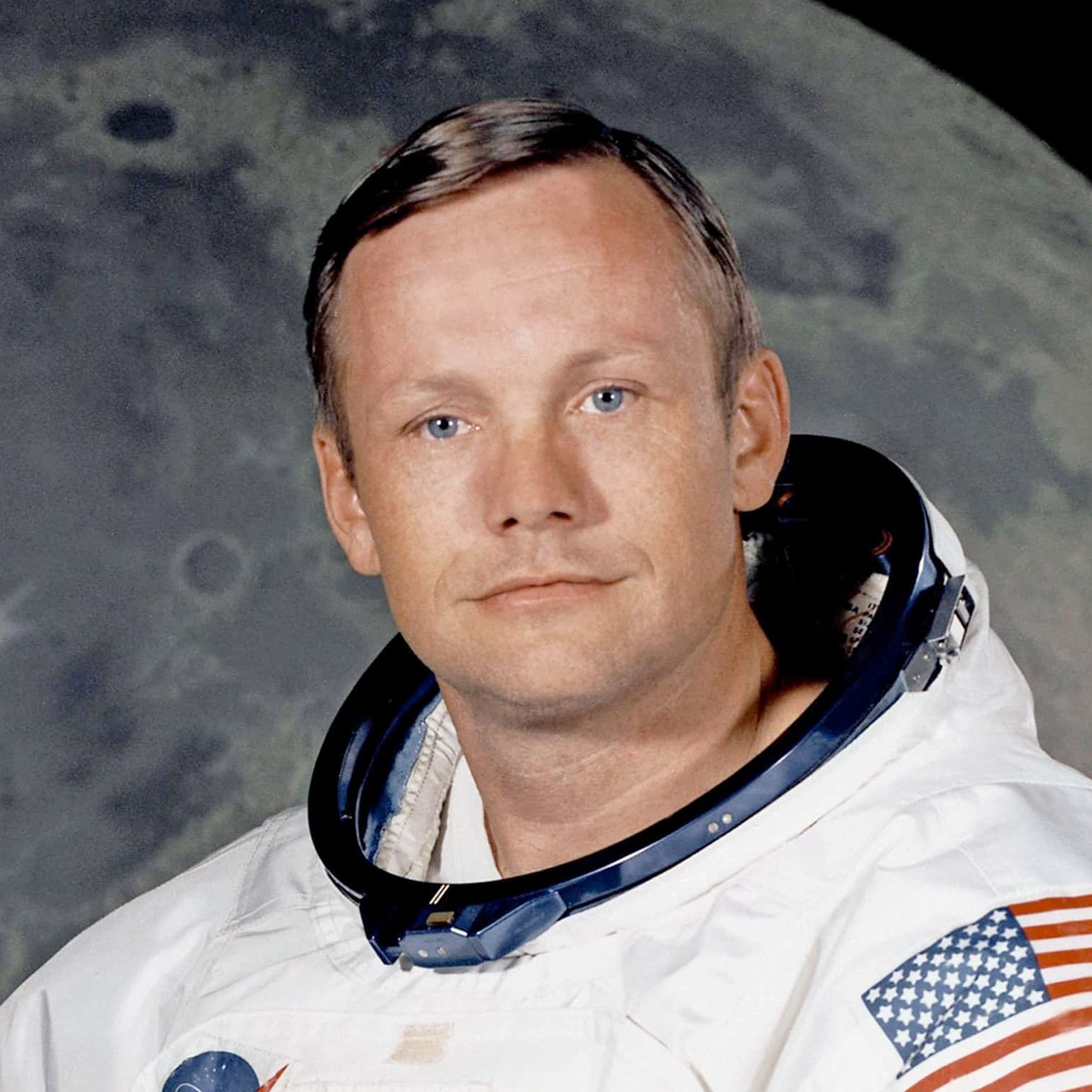
Neil Armstrong
American naval aviator, test pilot, and Apollo 11 commander who became the first human being to step onto the Moon.
Start typing to search worldwide archives and community tributes
Filterable archive covering centuries of intellectual, artistic, and moral contributions to the human story.
American naval aviator, test pilot, and Apollo 11 commander who became the first human being to step onto the Moon.
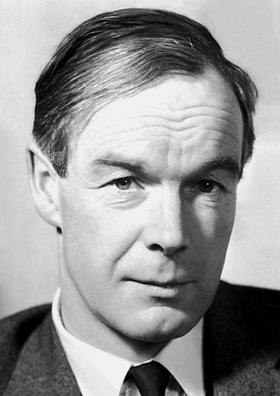
English biophysicist who won the 1963 Nobel Prize in Medicine for the ionic mechanism of nerve impulses and co-discovered the sliding filament theory of muscle contraction, serving as Master of Trinity College and President of the Royal Society.
British science and aerospace visionary who conceptualized geostationary satellite communications and co-created 2001: A Space Odyssey.
German-American evolutionary biologist hailed as the 'Darwin of the 20th Century', who formulated the Biological Species Concept in 1942, proved allopatric speciation through geographic isolation, and authored 'Systematics and the Origin of Species'.
German-born British biophysicist who was awarded the 1970 Nobel Prize in Medicine for discovering that neurotransmitters are released at synapses in discrete packets or 'quanta' via calcium-mediated synaptic vesicles.
Argentine biochemist who developed hybridoma technology to produce monoclonal antibodies, a revolutionary medical breakthrough awarded the 1984 Nobel Prize in Medicine.
South African cardiac surgeon who performed the world's first successful human-to-human heart transplant in 1967.
Visionary English astrophysicist who explained stellar nucleosynthesis of chemical elements and coined the term 'Big Bang'.
Soviet physicist who co-invented the maser and laser principles through quantum electronics, awarded the 1964 Nobel Prize in Physics alongside Aleksandr Prokhorov and Charles Townes.
American mathematician and engineer who unified Boolean algebra with electrical circuits to create digital circuit design, and single-handedly founded mathematical Information Theory and the 'bit'.
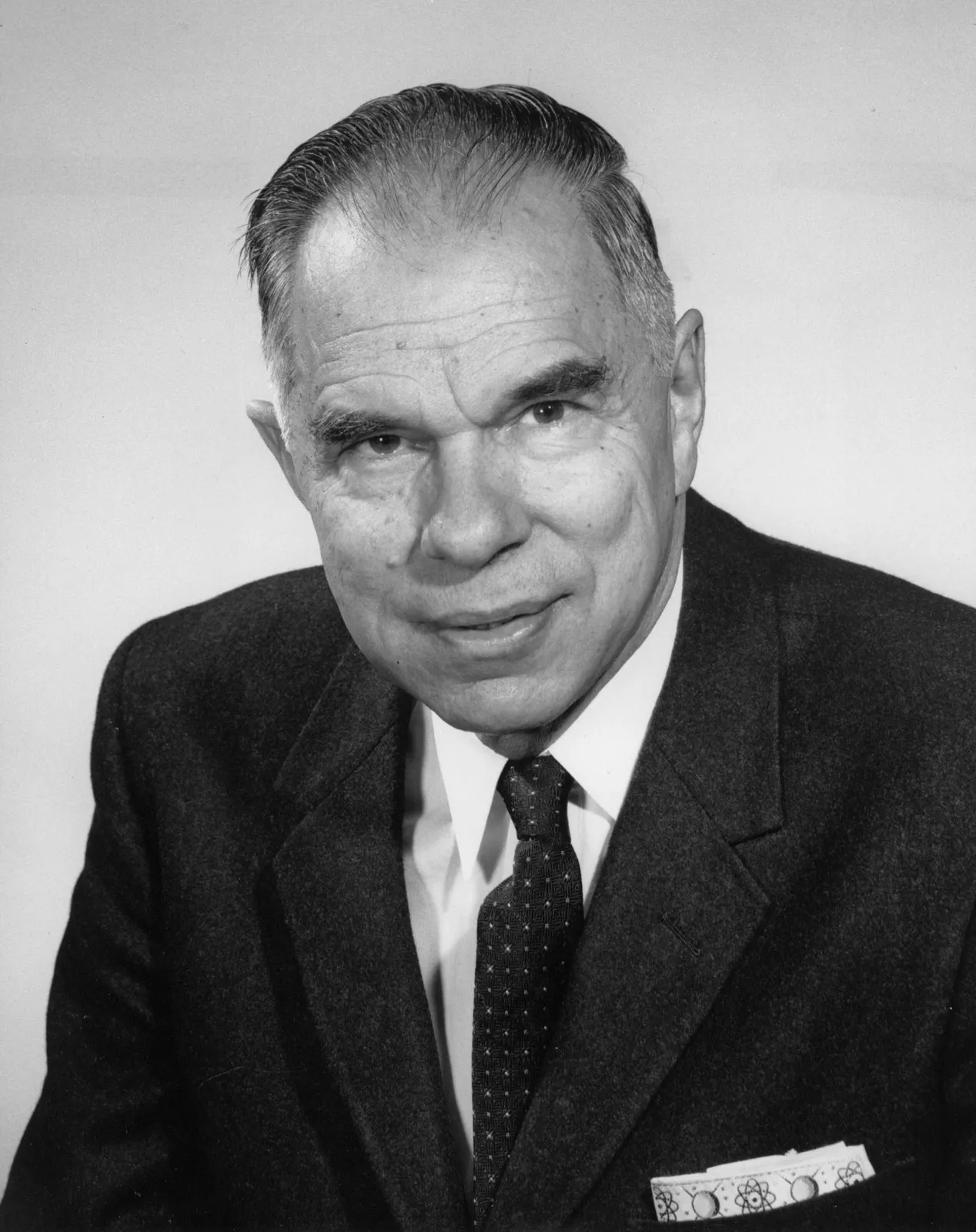
American nuclear chemist who co-discovered plutonium and nine other transuranic elements, winning the 1951 Nobel Prize.
English biophysicist who won the 1963 Nobel Prize in Medicine alongside Andrew Huxley for discovering the ionic mechanisms involved in excitation and inhibition in the peripheral and central parts of the nerve cell membrane.
Australian neurophysiologist who won the 1963 Nobel Prize in Medicine for discovering the ionic mechanisms of synaptic inhibition, proving that hyperpolarizing chloride ion influx generates inhibitory postsynaptic potentials (IPSPs).
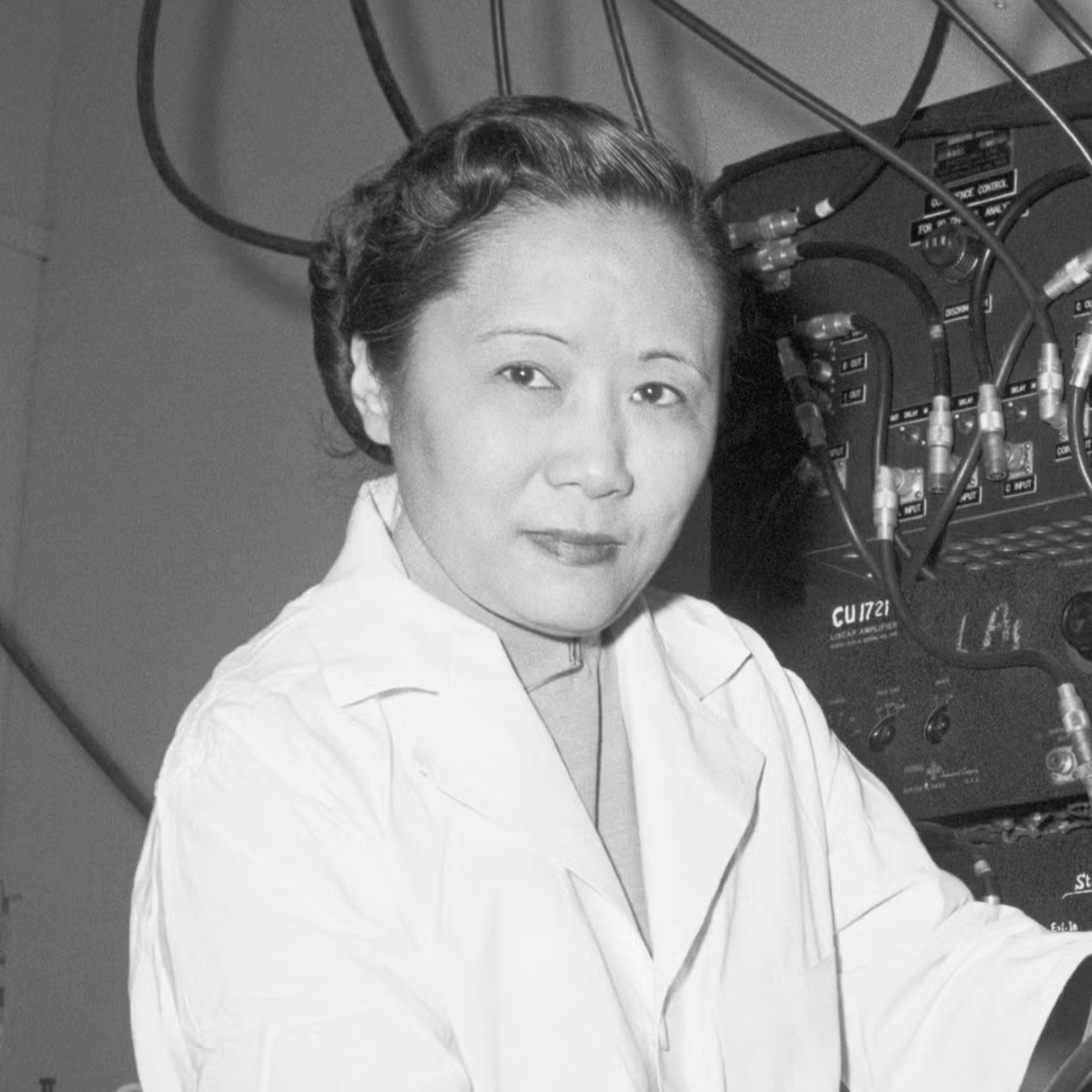
Trailblazing experimental physicist known as the 'First Lady of Physics' who disproved the conservation of parity.
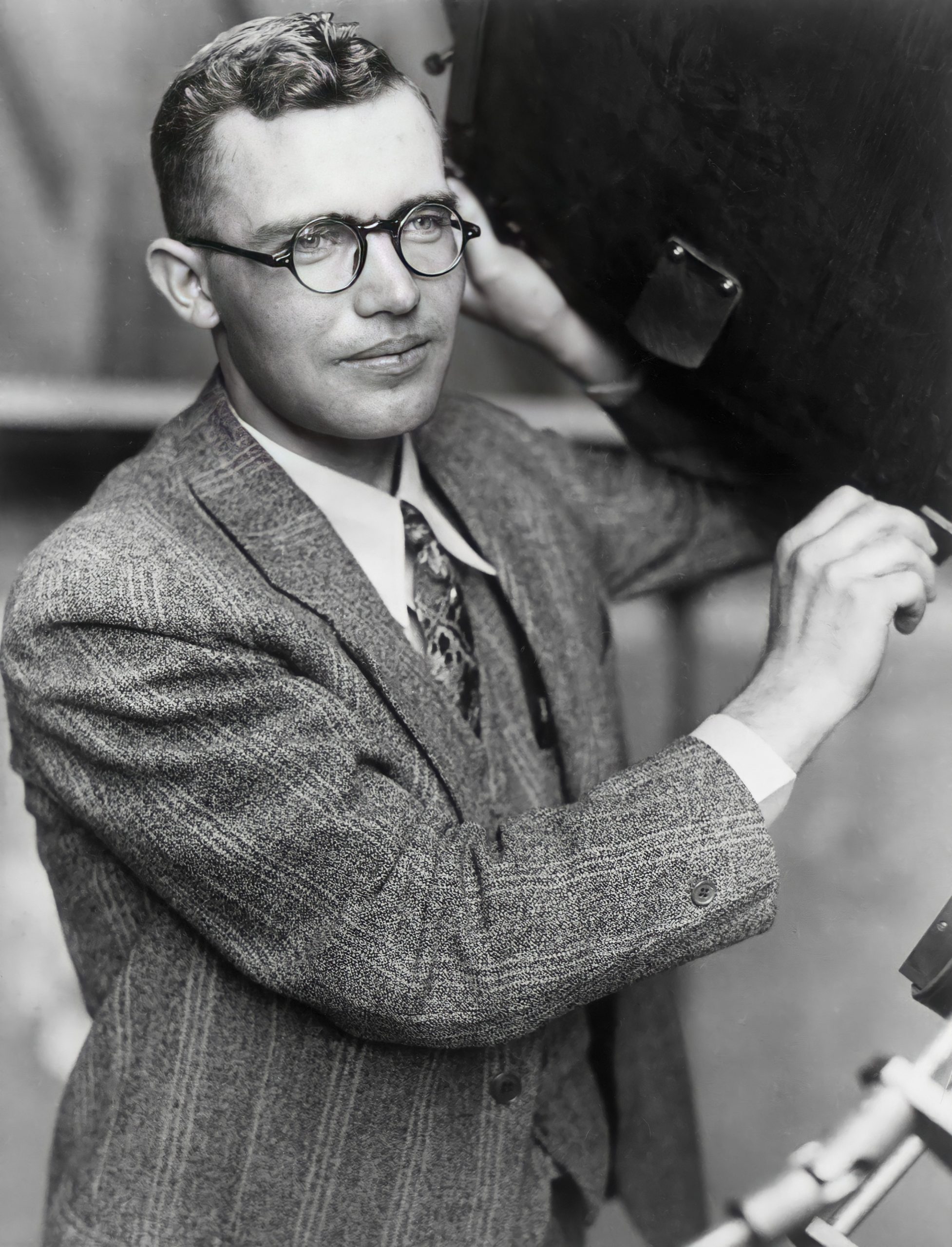
American astronomer who discovered Pluto in 1930 and hundreds of asteroids and variable stars.
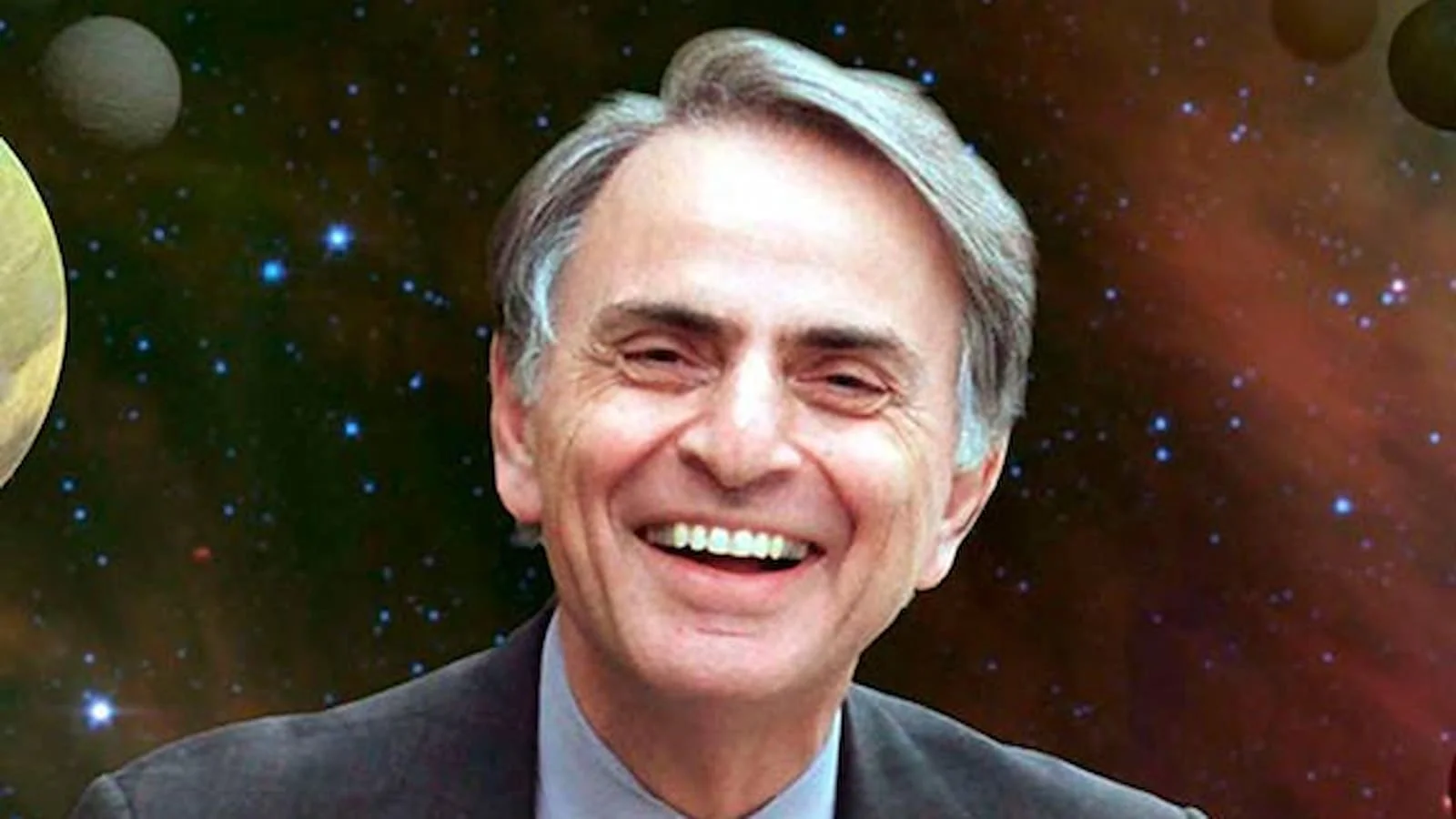
American astronomer, astrobiologist, and science communicator who created Cosmos and championed the search for extraterrestrial life.
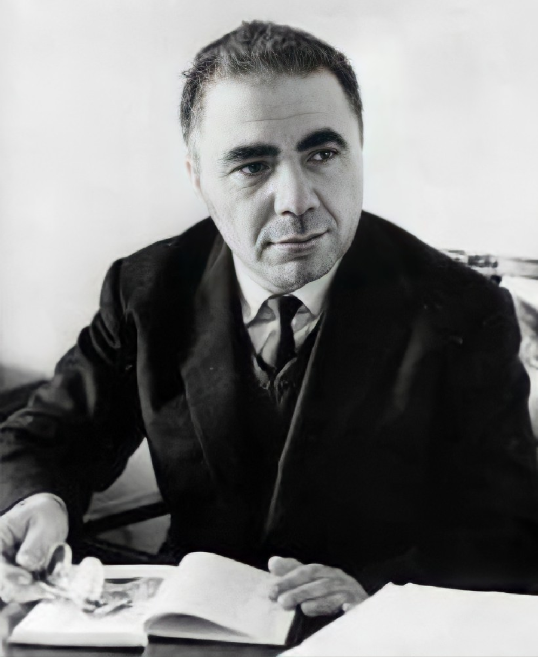
Soviet-Armenian astronomer and father of theoretical astrophysics in the USSR who discovered stellar associations.
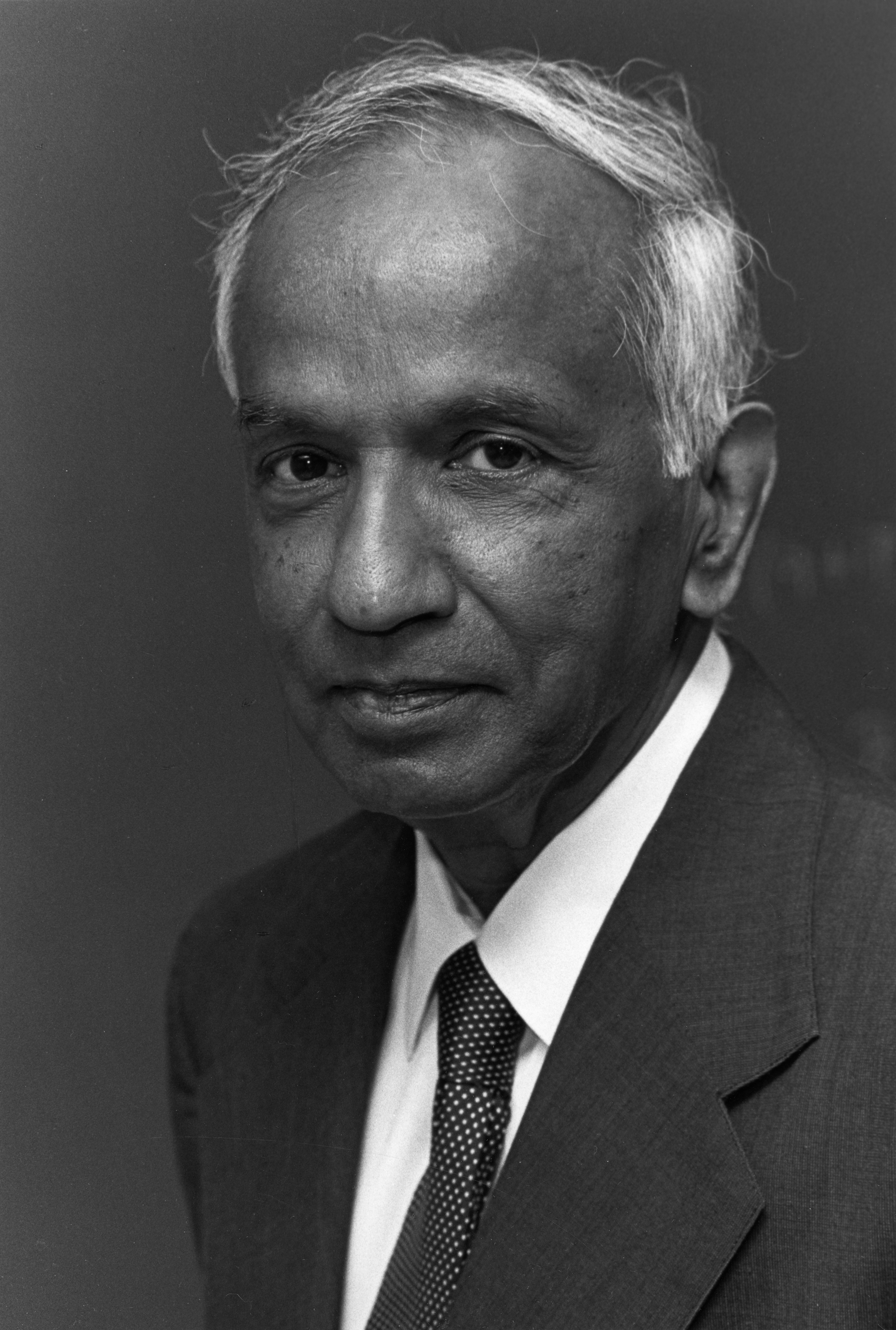
Indian-American astrophysicist who discovered the Chandrasekhar limit for white dwarf stars, earning the 1983 Nobel Prize.