 Kenya
•
22 views
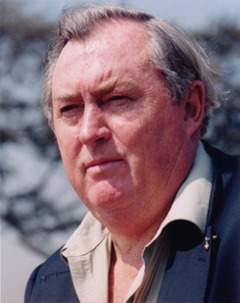
Richard Erskine Frere Leakey

Nairobi, Kenya
Archival Overview
Legendary Kenyan paleoanthropologist, conservationist, and civil servant who unearthed the near-complete 1.6-million-year-old "Turkana Boy" fossil skeleton, and led Kenya's militarized campaign that halted elephant poaching.
Biographical Record
Richard Erskine Frere Leakey was born in Nairobi, British Kenya, the son of renowned prehistorians Louis and Mary Leakey. Initially resisting his family's profession, he worked as a safari guide and bone collector before leading his own expeditions to Lake Turkana in northern Kenya in the late 1960s.
Leakey made monumental fossil discoveries that transformed human evolutionary science: Homo habilis skull KNM-ER 1470 in 1972, and in 1984, working with Kamoya Kimeu, the miraculous discovery of "Turkana Boy" (Homo erectus)—the most complete early human skeleton ever found. In 1989, President Daniel arap Moi appointed Leakey head of the Wildlife Conservation and Management Department (now Kenya Wildlife Service). Leakey created armed anti-poaching ranger units with shoot-to-kill authorization and organized the dramatic 1989 public burning of twelve tons of confiscated elephant tusks in Nairobi, collapsing the international ivory market. Surviving a 1993 plane crash that cost him both legs below the knee, he founded the Safina political party and served as Head of the Public Service.
Key Life Milestones
Discovery of "Turkana Boy" Fossil
Uncovered the 1.6-million-year-old Homo erectus skeleton near Lake Turkana, the most complete early hominid skeleton in history.
Historic Burning of 12 Tons of Ivory
Orchestrated the dramatic public bonfire of confiscated elephant tusks in Nairobi National Park, catalyzing the global ivory trade ban.
Memorial Guestbook & Tributes
0 messages recordedLeave a Respectful Tribute
Final Resting Place
Perpetual MemorialNgong Hills, Kenya