 Canada
•
27 views
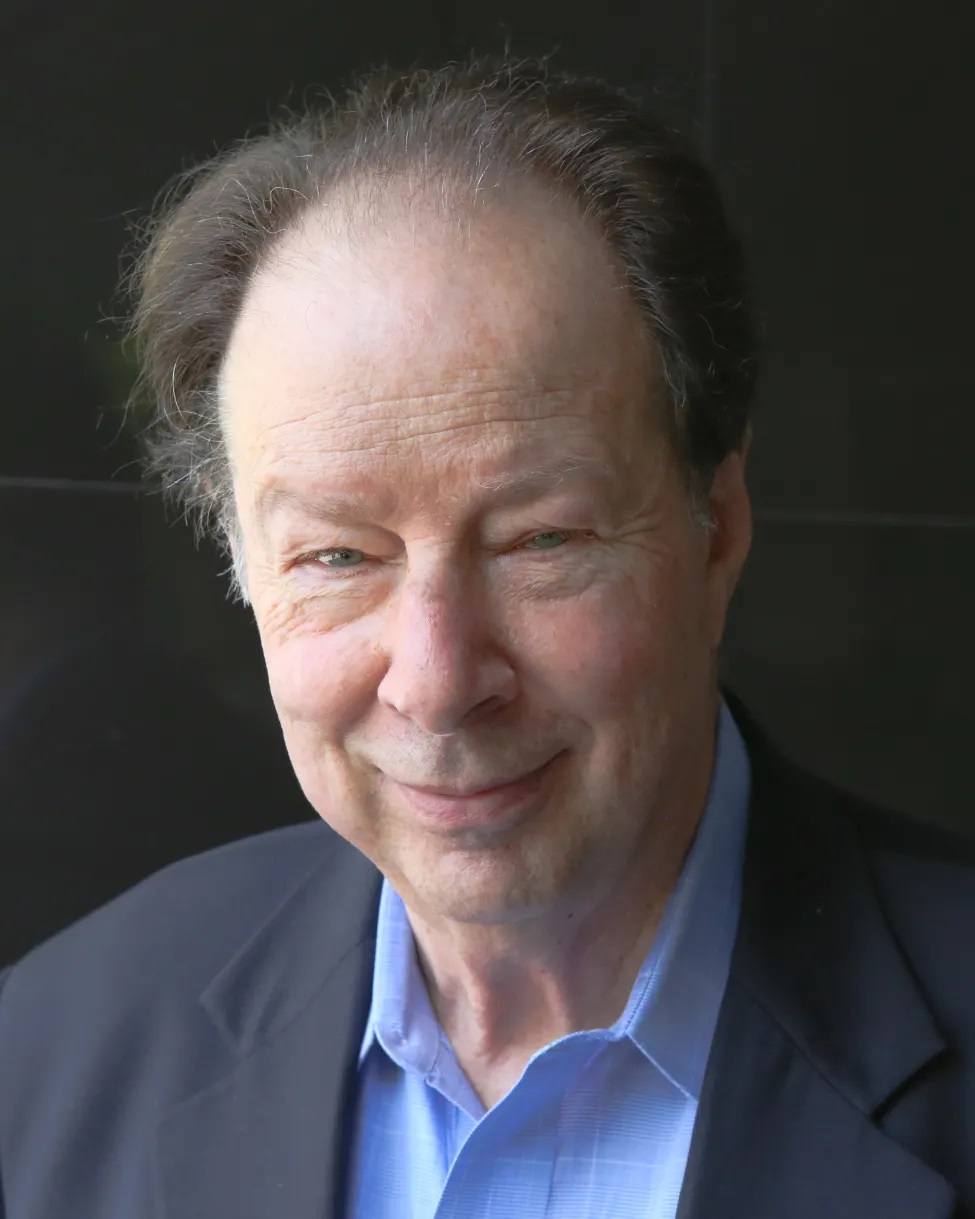
Sidney Altman

Montreal, Canada
Archival Overview
Canadian-American molecular biologist and Yale University Sterling Professor awarded the 1989 Nobel Prize in Chemistry for discovering the catalytic properties of RNA (ribozymes), upending the dogma that only proteins could act as biological enzymes.
Biographical Record
Sidney Altman was born in Montreal to poor Eastern European immigrant parents and studied physics at MIT before pivoting to molecular biophysics at the University of Colorado and working under Francis Crick and Sydney Brenner at the Medical Research Council Laboratory in Cambridge, England. In 1971, he joined the faculty of Yale University, later serving as dean of Yale College.
In 1978, Altman made the revolutionary discovery that the enzyme ribonuclease P, which processes transfer RNA molecules, contains an RNA component that is essential for its catalytic activity. In 1983, he proved that the RNA molecule alone could perform enzymatic cutting in the complete absence of any protein. Sharing the 1989 Nobel Prize in Chemistry with Thomas Cech, their discovery fundamentally transformed origin-of-life science, providing the foundational evidence for the "RNA world" hypothesis.
Key Life Milestones
Proof of RNA Catalysis in Ribonuclease P
Published conclusive proof that RNA alone can function as a biological catalyst without protein enzymes.
Nobel Prize in Chemistry
Awarded the Nobel Prize in Chemistry in Stockholm jointly with Thomas R. Cech for their discovery of catalytic properties of RNA.
Memorial Guestbook & Tributes
0 messages recordedLeave a Respectful Tribute
Final Resting Place
Perpetual MemorialRockleigh, New Jersey, United States