 Germany
•
22 views
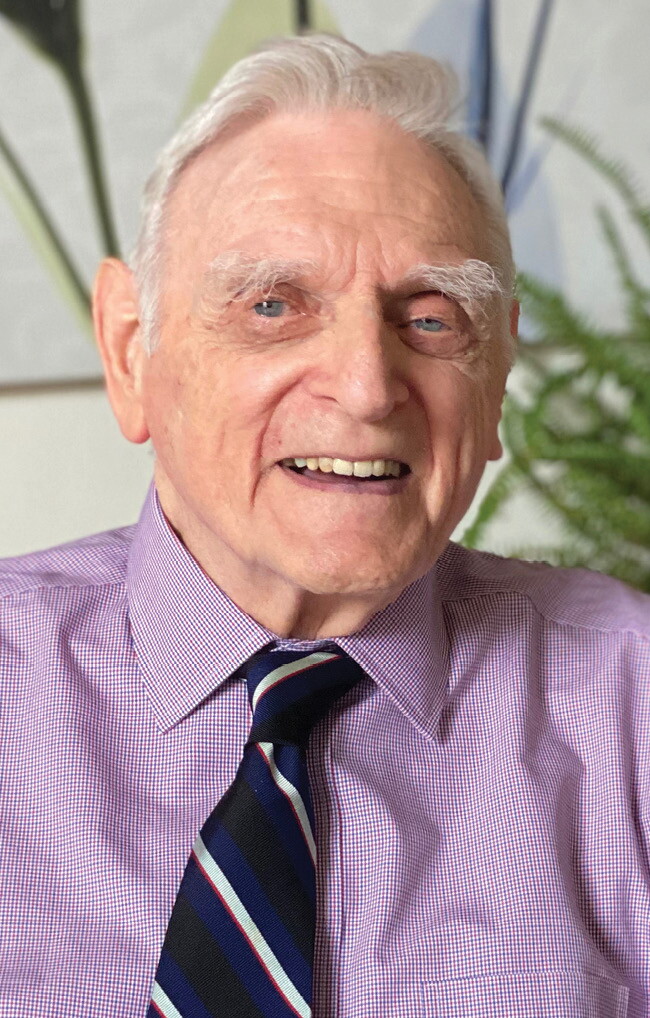
John Bannister Goodenough

Jena, Germany
Archival Overview
American materials scientist whose identification of lithium cobalt oxide cathode material made rechargeable lithium-ion batteries possible, powering the wireless mobile and electric vehicle revolution. Won the Nobel Prize at age 97.
Biographical Record
John B. Goodenough (1922–2023) was an extraordinary materials scientist whose pioneering discoveries enabled the modern digital age. Born in Germany to American parents and educated at Yale and the University of Chicago, he contributed to the development of random-access memory (RAM) at MIT Lincoln Laboratory in the 1950s.
While heading the Inorganic Chemistry Laboratory at the University of Oxford in 1980, Goodenough made the pivotal breakthrough identifying lithium cobalt oxide as a stable, high-voltage cathode. This critical innovation doubled battery energy density, making lightweight rechargeable batteries practical for smartphones, laptops, and electric vehicles.
Goodenough served on the faculty at the University of Texas at Austin for nearly four decades. In 2019, he became the oldest person ever awarded a Nobel Prize, sharing the Chemistry honor with M. Stanley Whittingham and Akira Yoshino.
Key Life Milestones
Breakthrough Lithium Cobalt Oxide Cathode
Discovered that lithium cobalt oxide cathodes doubled battery potential to 4 volts, laying the technical foundation for modern lithium-ion batteries.
Nobel Prize in Chemistry
Awarded the Nobel Prize in Chemistry at age 97 for the development of lithium-ion batteries that revolutionized global communication and energy storage.
Memorial Guestbook & Tributes
0 messages recordedLeave a Respectful Tribute
Final Resting Place
Perpetual MemorialAustin, United States